You're standing in the Asian aisle. Two bottles stare back. Light soy. Dark soy. Same condiment? Not quite. The difference matters when you're trying to nail that stir-fry or build the perfect dipping sauce.
Let's untangle this so you pick the right bottle next time.
What's the Difference Between Light and Dark Soy Sauce?
The simplest answer: light soy sauce is thin, salty, and bright. Dark soy sauce is thick, sweet, and deep. But there's more to it than color.
Light soy sauce pours like water. It's amber-gold, pungent, and has a sharp, salty punch. It's your baseline seasoning, like salt and pepper in a bottle. You use it early in cooking to layer flavor without darkening the dish.
Dark soy sauce is heavier, almost molasses-like. It's made sweeter, usually with added sugar or molasses, and sits longer during fermentation, building complexity. Use it sparingly. A teaspoon or two transforms pale food into mahogany-brown stunners.
The color doesn't tell the whole story, though. Light soy can actually taste saltier than dark soy, even though dark contains more sodium. That's because dark soy's sweetness and deeper flavor profiles mask the salt.
How Soy Sauce Gets Its Color
During fermentation (which takes 6 to 12 months for traditionally brewed soy), the Maillard Reaction kicks in. Amino acids and sugars in the fermented soybeans bond together, creating melanoidin, a brown pigment. The longer it ferments, the darker and more complex it becomes. Think of it like aging wine. Time builds depth.
This is why artisanal, slow-brewed soy sauce tastes richer than fast-tracked versions made with acid hydrolysis (a chemical shortcut that takes days instead of months). Both are soy sauce, but the journey shapes the destination.
When to Use Light Soy Sauce
Light soy sauce is your workhorse. If a recipe just says "soy sauce" without specifying type, reach for light.
Best Uses:
- Stir-fries where you want flavor, not color (think chow mein, quick noodles)
- Soup broths and light sauces where you need seasoning but not darkness
- Dipping sauces for dumplings, spring rolls, and dim sum
- Marinades for delicate proteins or light dishes
- Finishing touch on rice, noodles, or steamed greens
Light soy's strength is subtlety. It punches flavor without overpowering. If you're making a garlic-forward stir-fry sauce or layering an umami base, light soy gets the job done without turning everything dark brown.
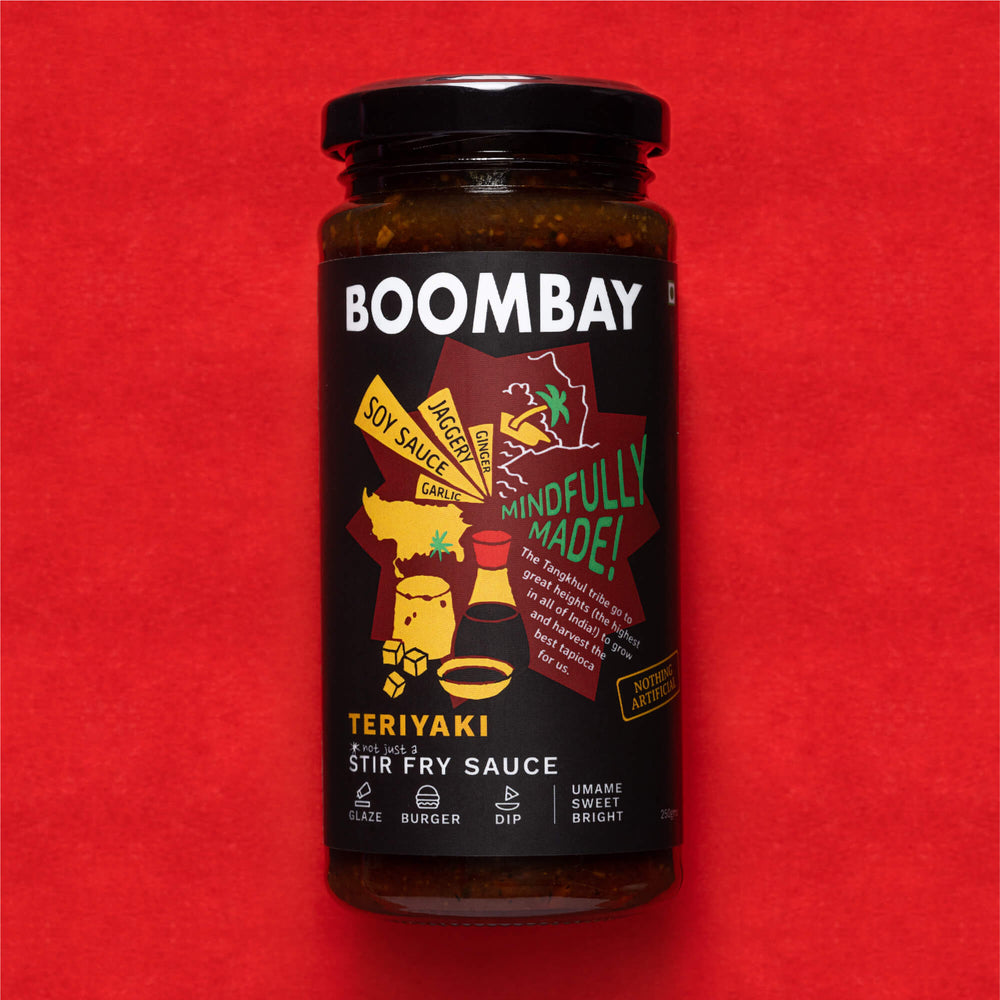
Try it in quick teriyaki bowls where you want caramel notes without the full mahogany color.
When to Use Dark Soy Sauce
Dark soy sauce is the finisher. It's not meant to build flavor. It's meant to seal it with color and depth.
Best Uses:
- Braised dishes where you want that glossy, caramelized look (think red-braised pork or beef stews)
- Meat stir-fries where the color adds visual appeal and richness
- Glazes for grilled meats or roasted vegetables
- Late-stage seasoning (add it in the last 3–5 minutes of cooking)
- Dipping sauce if you want something richer than light soy
Dark soy is bold. A teaspoon or two shifts an entire dish from pale to appetizing-brown. Its sweetness makes it ideal for glazing. You get that sticky, caramelized finish.
The sweetness comes from molasses or added jaggery, which also helps it coat food beautifully. Use it sparingly, or it can overpower a delicate flavor.
Light vs Dark: Quick Comparison
|
Feature |
Light Soy |
Dark Soy |
|
Color |
Amber-gold, thin |
Deep brown, viscous |
|
Taste |
Salty, bright, sharp |
Sweeter, deeper, molasses notes |
|
Saltiness |
Tastes saltier, lower sodium |
More sodium masked by sweetness |
|
Texture |
Runny, pours easily |
Thick, syrupy |
|
Primary use |
Seasoning, stir-fries, soups, dips |
Braising, glazing, color finish |
|
When to add |
Early in cooking |
Last 3-5 minutes |
|
How much |
Use freely for flavor |
Use sparingly, a little goes far |
Why Fermentation Matters
Not all soy sauce is created equal. In India, you'll commonly see it labeled as "soya sauce" on supermarket shelves, while international brands use "soy sauce." Same product, different spelling based on region.
Traditionally brewed soy sauce (or soya sauce) uses slow fermentation. Soybeans and wheat are cooked, mixed with koji mold, and left to sit for months. Enzymes break down proteins into amino acids, creating umami, that savory, mouth-filling sensation.
Modern soya sauce uses acid hydrolysis instead. Soybeans are heated with hydrochloric acid to speed protein breakdown. It's faster and cheaper but loses complexity. Manufacturers add caramel, corn syrup, salt, and lactic acid to compensate. Most budget-friendly soya sauce brands available in Indian grocery stores fall into this category.
If the label says "traditionally brewed" or "naturally fermented," you're getting the slow version. If it lists "hydrolyzed soy protein" with minimal ingredients, it's the quick version. Neither is wrong, but for building a teriyaki glaze or complex stir-fry, traditionally brewed soy sauce has more depth.
When shopping in India, check the ingredients list rather than the price. Some locally available soya sauce brands use traditional fermentation, while pricier imported options might still be hydrolyzed. The label tells you everything.
Soy Sauce Beyond Light and Dark
Light and dark cover most of what home cooks need, but here are other varieties you might find.
Tamari is a Japanese soy sauce made primarily from soybeans with little to no wheat. It's actually a byproduct of miso paste production. Richer and less sharp than regular soy sauce, tamari works beautifully as a marinade or finishing sauce for seafood. Most tamari is gluten-free, but always check the label since some brands add small amounts of wheat.
Liquid aminos looks similar to tamari but come from a different process. Instead of traditional fermentation, soybeans are treated with an acidic solution to break them down into amino acids. The result is milder, slightly sweeter, and contains no wheat. Both tamari and liquid aminos are soy-based and gluten-free, but tamari has that deep, fermented complexity while liquid aminos taste cleaner and less nuanced.
Tamari is traditionally fermented, which builds deep umami and complexity. Liquid aminos are minimally fermented and chemically processed, resulting in a cleaner, simpler taste.
In practice, tamari works best where flavor matters, finishing sauces, dipping sauces, stir-fries, and sushi. Liquid aminos are better for everyday seasoning, marinades, and light dishes where saltiness is the goal without added depth.
Tamari can overwhelm delicate recipes, while liquid aminos may fall flat in dishes that rely on bold, layered flavor.
Coconut aminos skip soy entirely. Made from fermented coconut sap and salt, they're the go-to for anyone avoiding both soy and gluten. The flavour is noticeably sweeter and milder than soy sauce, with less sodium. Coconut aminos won't give you that same umami punch, so you might need to use a bit more or pair them with other savoury ingredients to build depth.
Storage & Shelf Life
Unopened soy sauce keeps forever in a cool, dark cupboard. Once opened, refrigerate it. Even though fermented soy is shelf-stable, the fridge keeps it fresher longer. Use it within a year of opening for the best flavor, though it won't spoil if you stretch it.
Pro tip for dressings: If you're using soy sauce in a dressing or dip (especially with greens), store it separately from vegetables until just before serving. Soy sauce will wilt the greens fast. Mix everything together just before plating, and your salad stays crisp. The same rule applies to any dressing. Undressed salads hold up in the fridge for nearly a day, but once you coat them, you've got 5 to 10 minutes before the crunch fades.
Putting It Together
Light soy is your go-to for quick garlic-chilli stir-fries or Asian noodle bowls. Pair it with a sesame-based sauce or chilli oil for layered depth.
Dark soy shines in braised dishes or glazes for grilled meats and sticky rice bowls. When the final color and sheen matter, dark soy is your secret weapon.
One ingredient. One step. The sauce is the only thing that makes it what it is. Choosing between light and dark soy is your first move.
Ready to Level Up Your Sauces?
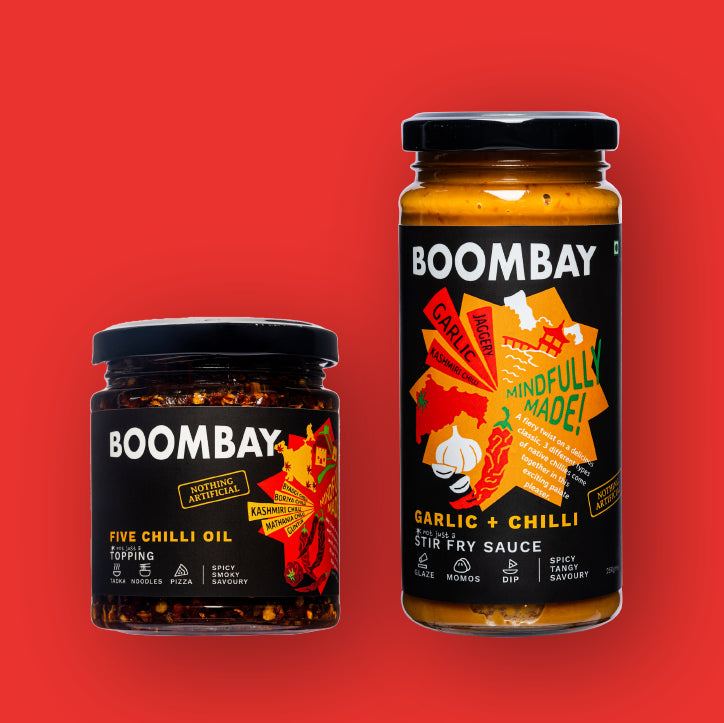
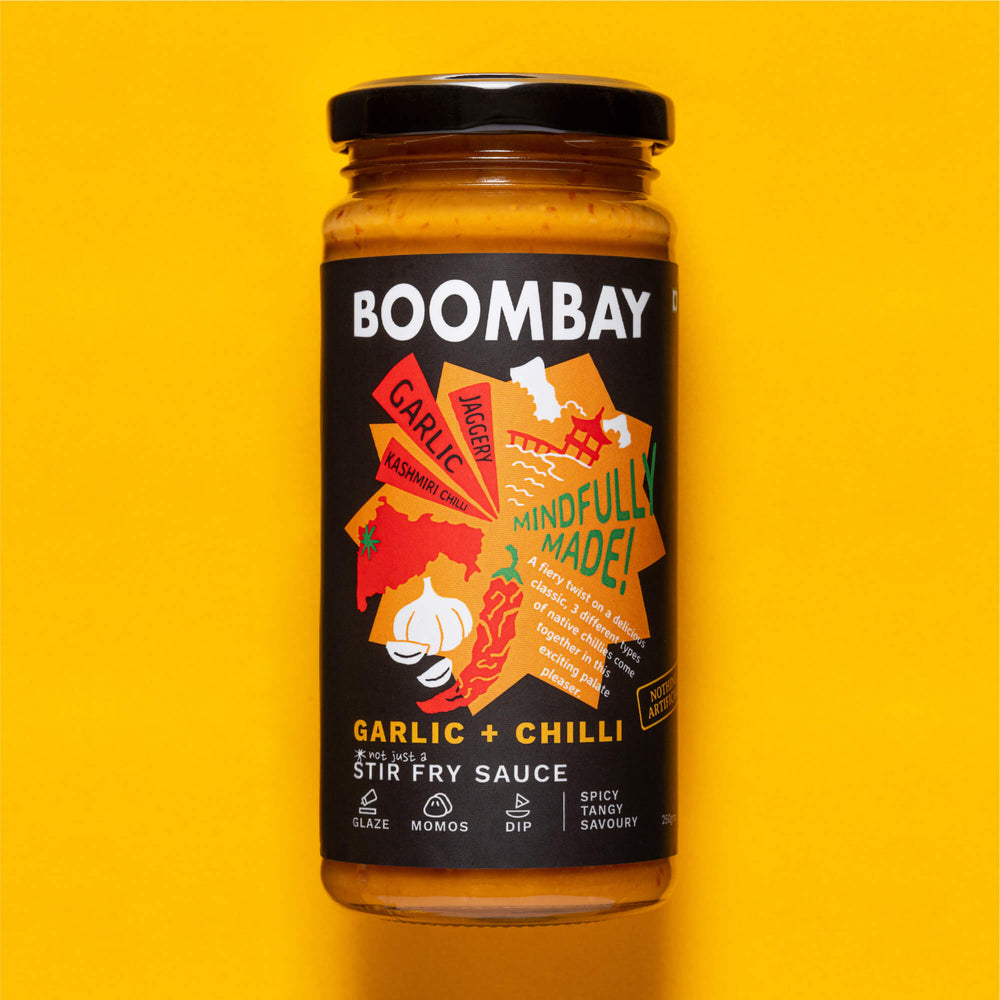
Light vs dark soy is just the starting point. Once you master this, layer in a garlic-chilli sauce for complexity or finish with five chilli oil for a crunch that changes everything.
The best dishes don't happen by accident. They happen when you pick the right base sauce.
Tried one? Tag @boombayway and show us your soy-based creations!
At Boombay, we use nuts, seeds, and bold global flavors to craft sauces that taste good and feel good. Real ingredients, no refined sugars or refined oils. Zero compromises.
FAQs
Q. Can I swap light soy for dark, or vice versa?
Not 1:1. Light soy is thin and salty; dark is thick and sweet. In a pinch, use less dark soy (since a little goes far) and expect a sweeter, darker result. For light soy as a dark substitute, you'll need more, and the dish won't get the caramelized color.
Q. Is soy sauce gluten-free?
Most traditional soy sauce contains wheat. Tamari and certain brands (like Kikkoman's tamari line) are gluten-free, made without wheat. Check the label if you have sensitivity.
Q. Which one is saltier?
Light soy tastes saltier because it's thinner and more assertive. Dark soy has more actual sodium but masks it with sweetness. Either way, both are high in salt so use mindfully.
Q. Do I need to thin soy sauce to use it?
No. Soy sauce works as-is. Thinning dilutes the flavor and defeats the purpose. If a recipe calls for dilution, it's often just following an old convention. Use the full-strength product for the best result. Same goes for any fermented dressing or sauce.
Q. What's the difference between Chinese and Japanese soy sauce?
Chinese soy sauce tends toward bolder, saltier profiles and comes in light and dark varieties. Japanese soy sauce (shoyu) is clearer, less salty, and more delicate. Chinese light is closest to an everyday workhorse. Japanese light is more nuanced and used sparingly. For most home cooking, either works. Pick based on what's available or your flavor preference.