For bright, delicate pickled onions you'll eat within a week or two, rice vinegar works beautifully. For long-term storage jars, white vinegar is your reliable workhorse. But there's a third option worth knowing, and it's closer to home than you think.
First, Let's Clear Up the Basics
Vinegar is an acidic liquid made by fermenting sugars. Different vinegars come from different sources: rice, grapes, apples, coconut sap, or distilled alcohol.
Brine is the pickling liquid you make by mixing vinegar with water, salt, and sweetener. The brine is what actually preserves and flavours your onions.
Quick pickles sit in brine for 30 minutes to a few hours and get eaten within 1–2 weeks. They stay in your fridge, not on a shelf.
Long-term pickles (the kind your grandmother made) use stronger vinegar, proper canning techniques, and last for months at room temperature.
For most home cooks making quick refrigerator pickles, you're working with brine and eating them fresh. No canning required.
The Three Vinegars Worth Knowing
Rice Vinegar
Rice vinegar sits around 4–5% acetic acid. Mild, slightly sweet, and gentle on the palate. Onions soften nicely within 30 minutes and taste balanced rather than aggressively acidic. Great for salads, lighter curries, and dishes where you want brightness without punch.
White Vinegar
White vinegar packs 5–8% acetic acid and doesn't hold back. Here's the thing most people don't realise: white vinegar is synthetic. It's made by fermenting distilled alcohol (often derived from petroleum or natural gas) with acetic acid bacteria. The result is a clear, flavourless, industrial-strength acid.
Does it work for pickling? Absolutely. It's cheap, shelf-stable forever, and delivers sharp tang. But it's not fermented from real food in the way rice vinegar or coconut vinegar is. For quick pickles you'll eat soon, that synthetic edge can taste harsh.
Coconut Vinegar
Coconut vinegar deserves more attention, especially in Indian kitchens. Made from fermented coconut sap or coconut water, it's been used across coastal India and Southeast Asia for generations.
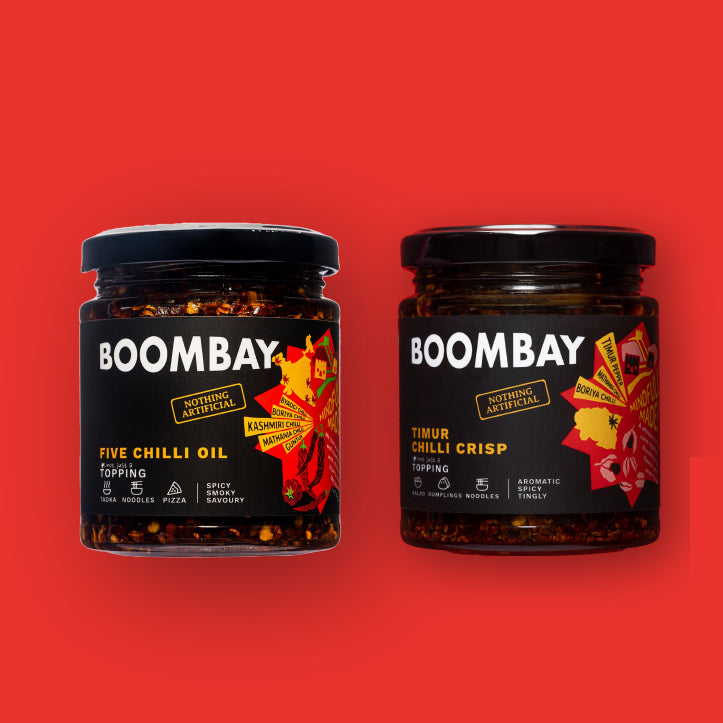
Naturally fermented coconut vinegar has a mild acidity (around 4–5%) with subtle sweetness and depth. It works brilliantly for quick pickles, balancing sharp onion tang without overwhelming it. Boombay uses naturally fermented coconut vinegar across their range because it brings gentle acidity and real flavour without the synthetic sharpness of distilled white vinegar.
If you're making pickled onions to pair with Indian meals, coconut vinegar feels right at home.
What Actually Matters for Pickled Onions
Timing (Let's Clear This Up)
Quick refrigerator pickles are ready in 30 minutes and taste best within 1–2 weeks. You're not waiting a month. The brine softens and flavours the onions quickly, and they stay crisp if you store them properly.
Long-term shelf-stable pickles (achaar-style) require different vinegar ratios, proper sterilisation, and yes, more time. But that's a different project entirely.
Texture and Serving
Here's the golden rule: serve pickled onions within 5–10 minutes of pulling them from the brine. Any longer on the plate and they soften. Undressed onions stay crisp in the fridge for up to a day. Once brine hits them, the clock starts.
Meal-prep tip: Store your pickled onions and brine in the same jar, but drain them just before serving. Keep them crunchy until you're ready.
The Quick Refrigerator Pickled Onions Recipe
For 1 jar (serves 4–6 as a side):
- 1 cup thinly sliced red onion
- ½ cup coconut vinegar (or rice vinegar)
- ½ cup water
- 1–2 tsp coconut sugar or jaggery
- 1 tsp rock salt
- Optional: 1 bay leaf, 1–2 green chillies, 1 tsp mustard seeds
Method:
Combine vinegar, water, coconut sugar, and salt in a small pot. Heat gently until the sugar dissolves (about 2 minutes). Don't boil. Let it cool slightly.
Add sliced onions to a clean jar. Pour the warm brine over them.
Let cool to room temperature, then cap and refrigerate.
Taste in 30 minutes. Ready to eat. Best within 1–2 weeks.
Using white vinegar instead? Add an extra ½ tsp coconut sugar per ½ cup vinegar to soften the sharp edge.
Pairing Pickled Onions with Roasted Sesame Dressing
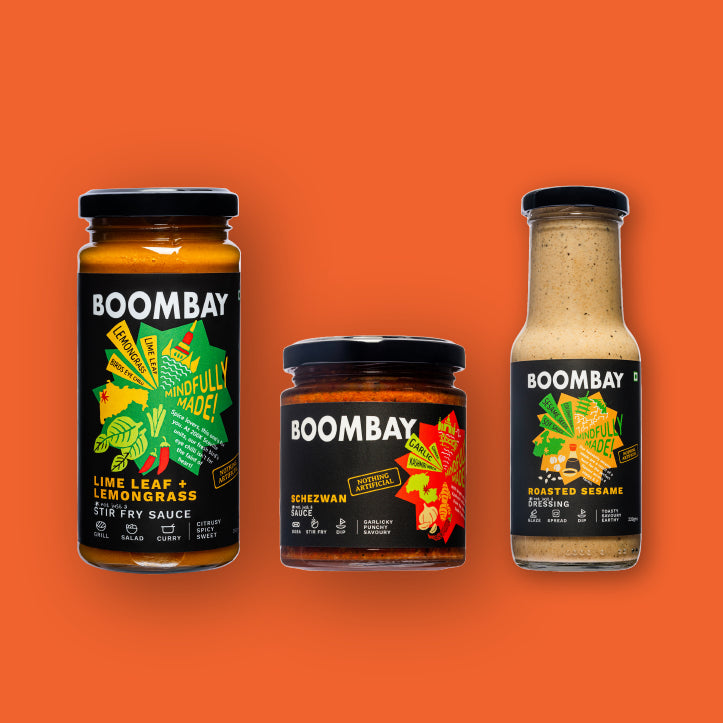
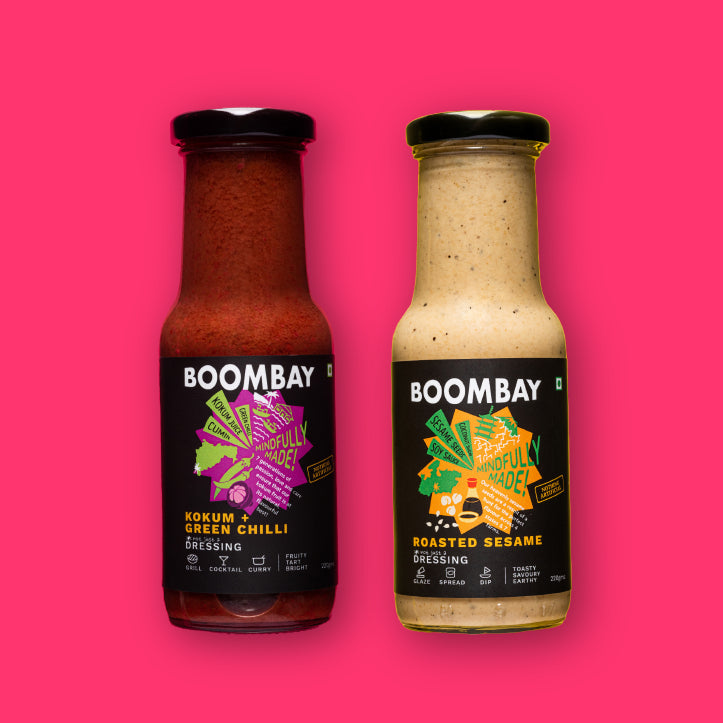
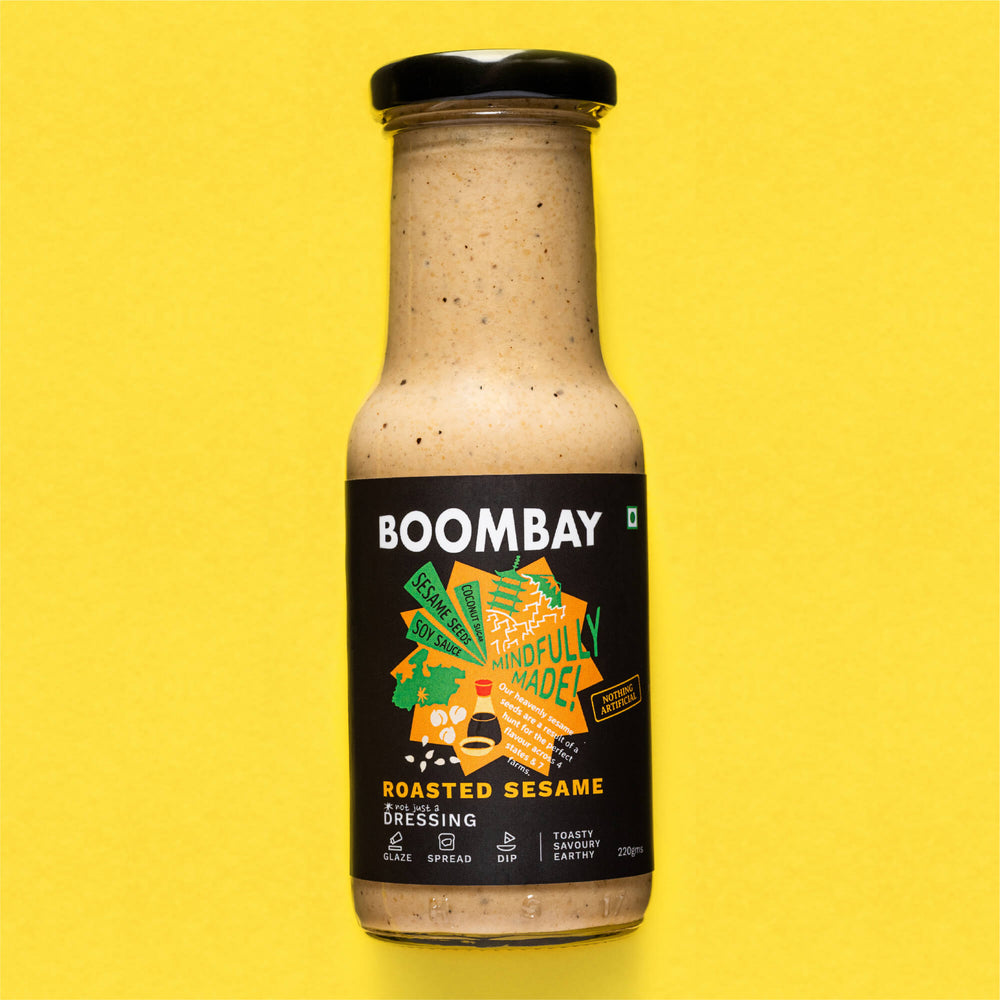
Pickled onions want a partner that complements without competing. Roasted Sesame Dressing is that partner.
Toss crisp greens with Roasted Sesame, then crown with pickled onions just before serving. The toasty sesame and bright onion tang balance perfectly. Works on grain bowls, cold noodle salads, or a simple cucumber side dish.
The dressing uses cold-pressed sesame oil, sesame seeds, soy sauce, naturally fermented coconut vinegar, coconut sugar, kabuli chana miso, black pepper, and rock salt. Real ingredients that let the pickled onions shine.
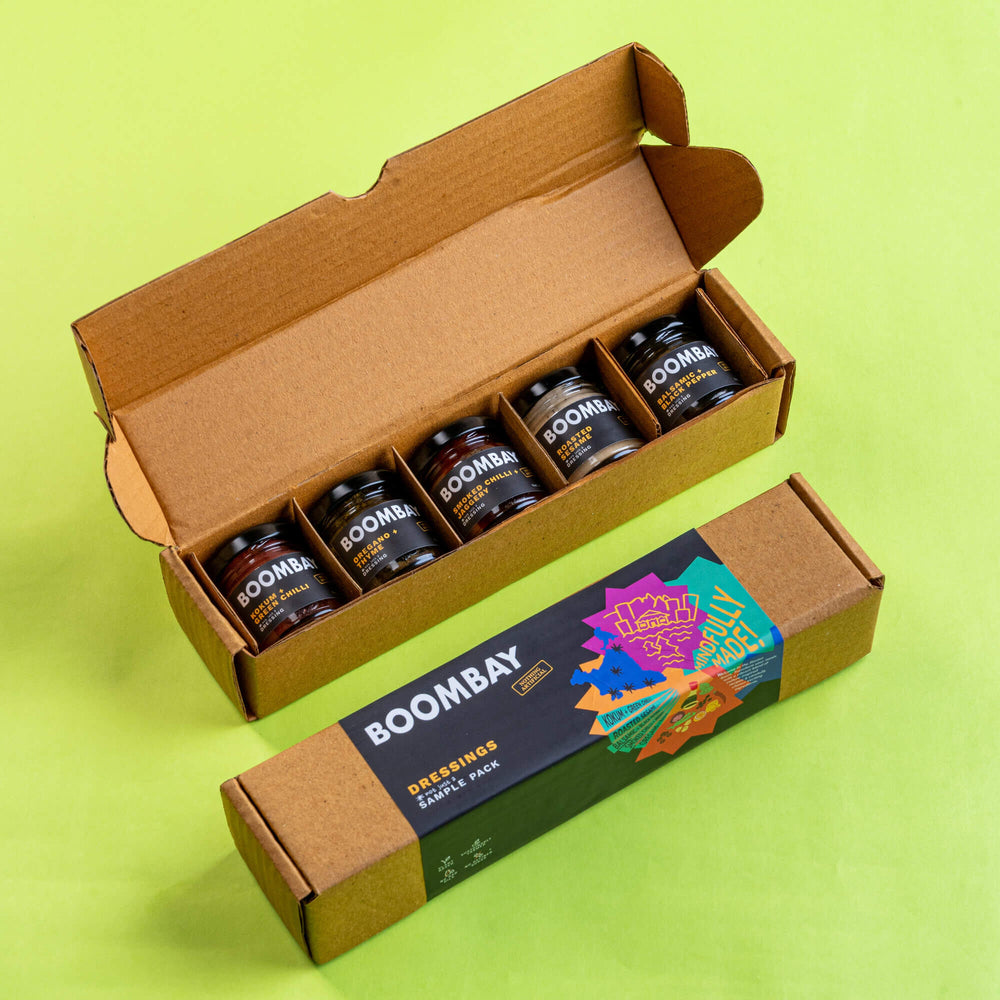
Say goodbye to boring meals because it's time to make tasty meals, the Boombay way. Shop the entire collection here.
FAQs
Q. Which vinegar is better for pickled onions?
Rice vinegar or coconut vinegar for fresh, bright pickles you'll eat within 2 weeks. White vinegar for long-term jars or sharper tang.
Q. What's the difference between brine and vinegar?
Vinegar is the acidic liquid. Brine is the pickling solution you make by mixing vinegar with water, salt, and sweetener.
Q. Is white vinegar synthetic?
Yes. White vinegar is made by fermenting distilled alcohol with acetic acid bacteria. Coconut vinegar and rice vinegar are fermented from real food sources.
Q. How long do quick pickled onions last?
Best eaten within 1–2 weeks refrigerated. The crunch and brightness hold up well during that window.
Q. Why do my pickled onions get soft so fast?
Once brine hits them, they start breaking down. Serve within 5–10 minutes for peak crunch. Store undressed if prepping ahead.
Q. Can I use coconut vinegar for pickled onions?
Absolutely. Coconut vinegar is naturally fermented with mild acidity and subtle sweetness. Perfect for quick pickles paired with Indian meals.