A dry pan sizzles. The kitchen fills with nutty warmth. A handful of seeds transforms from bland to extraordinary in under three minutes.
This is toasting spices, one of those techniques that seems small on the surface but fundamentally changes everything you cook.
The difference between a flat curry and one that tastes like it came from a proper kitchen is often this single step.
Why Toasting Matters
Toasting doesn't add anything to spices. It wakes them up. When you apply dry heat to whole seeds, pods, or barks, something alchemical happens. Volatile oils within the spices become active. Flavors deepen. What was sharp becomes warm. What was subtle becomes unmissable.
Think of cumin before and after toasting. Raw cumin is slightly bitter and thin. Toasted cumin is nutty, earthy, round. You're not changing the ingredient. You're releasing its full potential.
This is why many cuisines have always done this. For example, Indian garam masalas, Mexican moles, Ethiopian berbere blends. They weren't being precious. They were being smart.
The science here is straightforward. Heat triggers the Maillard Reaction, a chemical process between amino acids and sugars that creates hundreds of new flavor compounds. Additionally, toasting reduces moisture in seeds, making them crispier. This is essential if you're grinding them into a powder later.
Two Techniques: Toasting vs. Blooming
Here's where people often get confused.
Toasting means dry heat with whole spices and no oil. Pan on medium heat, spices get stirred frequently, 2-4 minutes until fragrant. The result is a deeply concentrated flavor, perfect for grinding or adding whole to dishes.
Blooming means spices in hot oil or ghee, usually ground spices (though whole work too). Heat the fat first, add spices, let them sit in the heat for 30 seconds to a minute. The oil carries the flavors through the dish more evenly and prevents ground spices from burning too quickly.
Both work. Both are worth knowing.
If your recipe calls for ground spices but you haven't toasted whole ones first, blooming in oil is your move. It's gentler, more forgiving, and distributes flavor more evenly.
If you're starting with whole spices, dry toasting gives you more control and deeper complexity.
How to Toast Spices: The Practical Method
Step 1: Pick Your Spices
Use whole spices only. Ground spices burn too fast and taste bitter instead of better. Common toasters: cumin seeds, coriander seeds, mustard seeds, fennel, whole black pepper, dry chiles, sesame seeds.
Step 2: Choose Your Pan
Heavy-bottomed works best. Choose cast iron, stainless steel, even a good ceramic pan. Even heat distribution matters. Flimsy pans create hot spots that burn.
Step 3: Medium Heat, No Oil
This is key. If you add oil now, you're blooming, not toasting. Dry heat is what you're after.
Spread spices in a single layer. Don't pile them. Give them room.
Step 4: Keep Them Moving
Stir constantly. Shake the pan. Don't zone out. This is the opposite of passive cooking.
You'll notice the shift almost immediately. Within 60-90 seconds, the first wisps of aroma appear. By 2-3 minutes, your kitchen smells incredible. This is when you watch for color change (on lighter spices) or listen for the gentle pop of seeds (mustard, sesame).
Step 5: Transfer Immediately
This is non-negotiable. The moment they smell perfect, move them off the heat to a plate or bowl. The pan stays hot. They'll keep cooking and burn if you don't.
Let them cool for 5 minutes before grinding or using.
Blooming: The Gentler Approach
If your recipe uses ground spices or you're making a quick sauce, blooming is often better.
Heat a pan over medium. Add 2-3 tablespoons of ghee or cold-pressed oil (coconut oil or extra virgin olive oil, choose based on cuisine). Let it warm for 30 seconds.
Add your ground spices. Stir for 30 seconds to 1 minute until fragrant. That's it.
This technique is especially useful when you're building a base for curries, stir-fries, or sauces. The oil carries the spice flavor throughout the dish and prevents the ground spices from tasting raw or chalky.
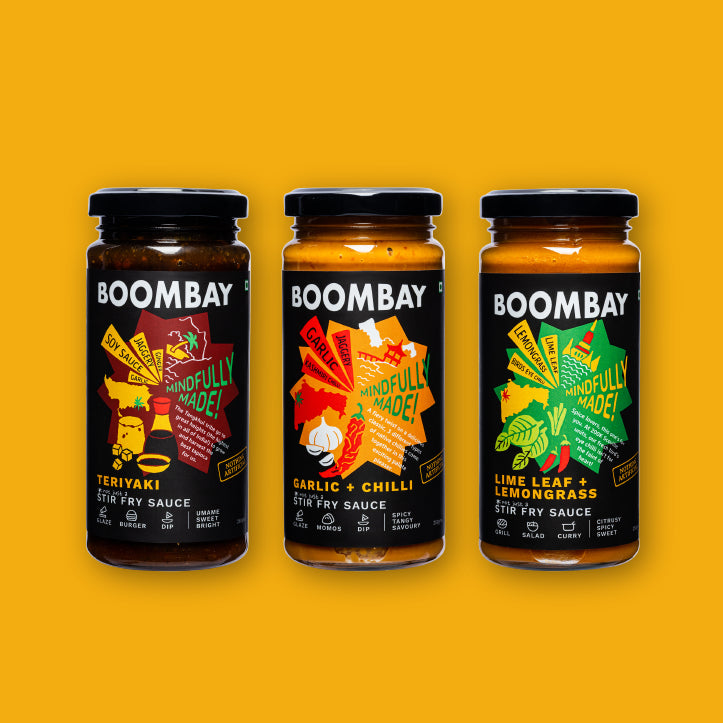
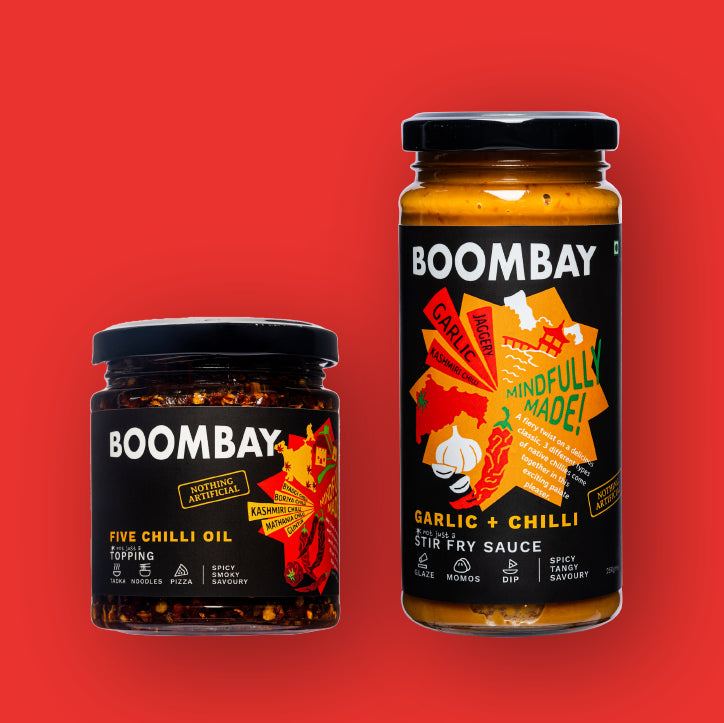
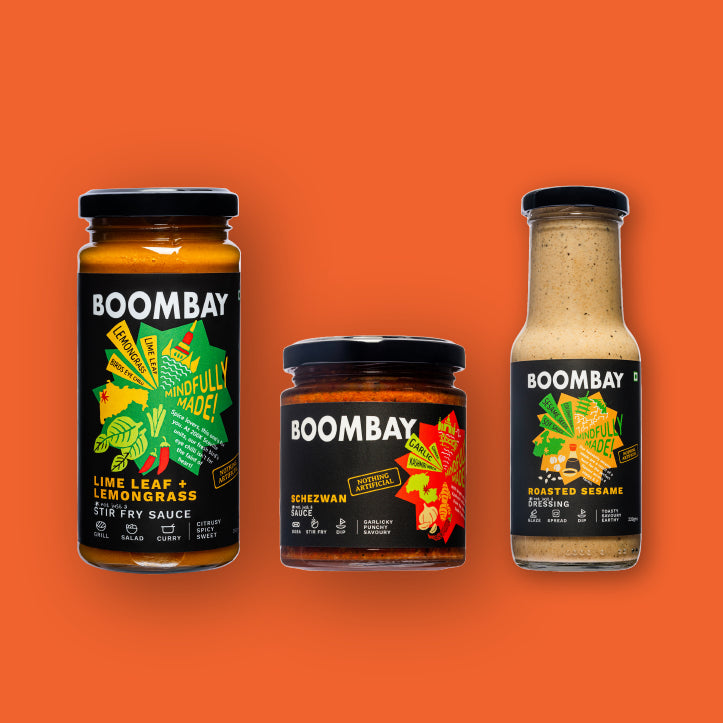
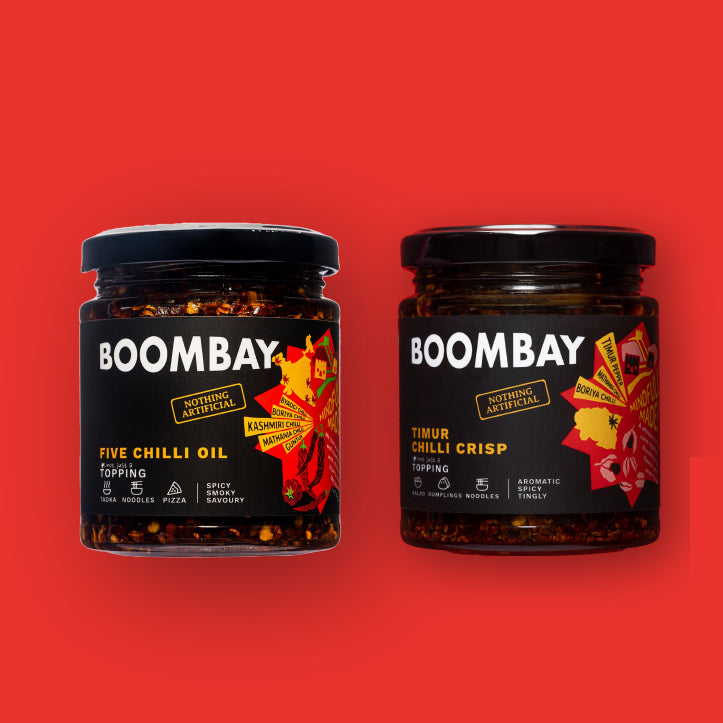
Important note: Never thin Boombay sauces or dressings. They’re perfectly balanced and ready to use straight from the jar. There’s no need to bloom additional spices or build a separate base. Boombay is your one stop flavour shop. Simply heat your ghee or oil if your recipe calls for it, then add your Boombay sauce or Chilli Oil and let it do the work. No dilution, no extra steps, just full flavour as intended.
Mistakes to Avoid
Burning them. The line between "perfectly toasted" and "burnt" is about 15 seconds. Medium heat. Constant movement. Don't trust a timer; trust your nose.
Using ground spices? Add them after the oil is hot. They burn quickly, so give them just enough time to bloom.
Stacking them. Piling spices high means the bottom layer gets overcooked while the top stays raw. Single layer, always.
Using too much heat. Medium isn't a suggestion. High heat speeds up burning and can cause bitter, acrid flavors.
Forgetting to cool before grinding. Hot spices release moisture. You'll end up with a paste instead of a powder.
Where Toasting Fits in Real Cooking
Toasting spices isn't academic. It's practical.
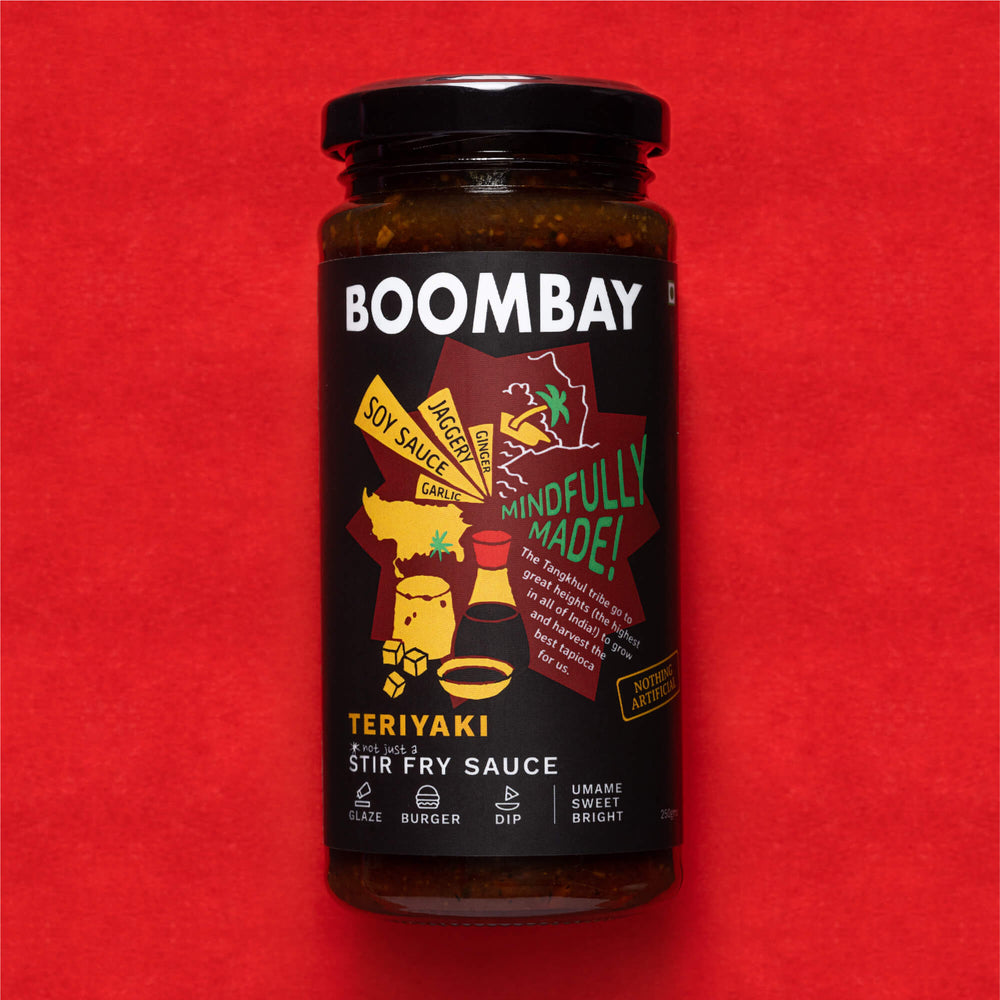
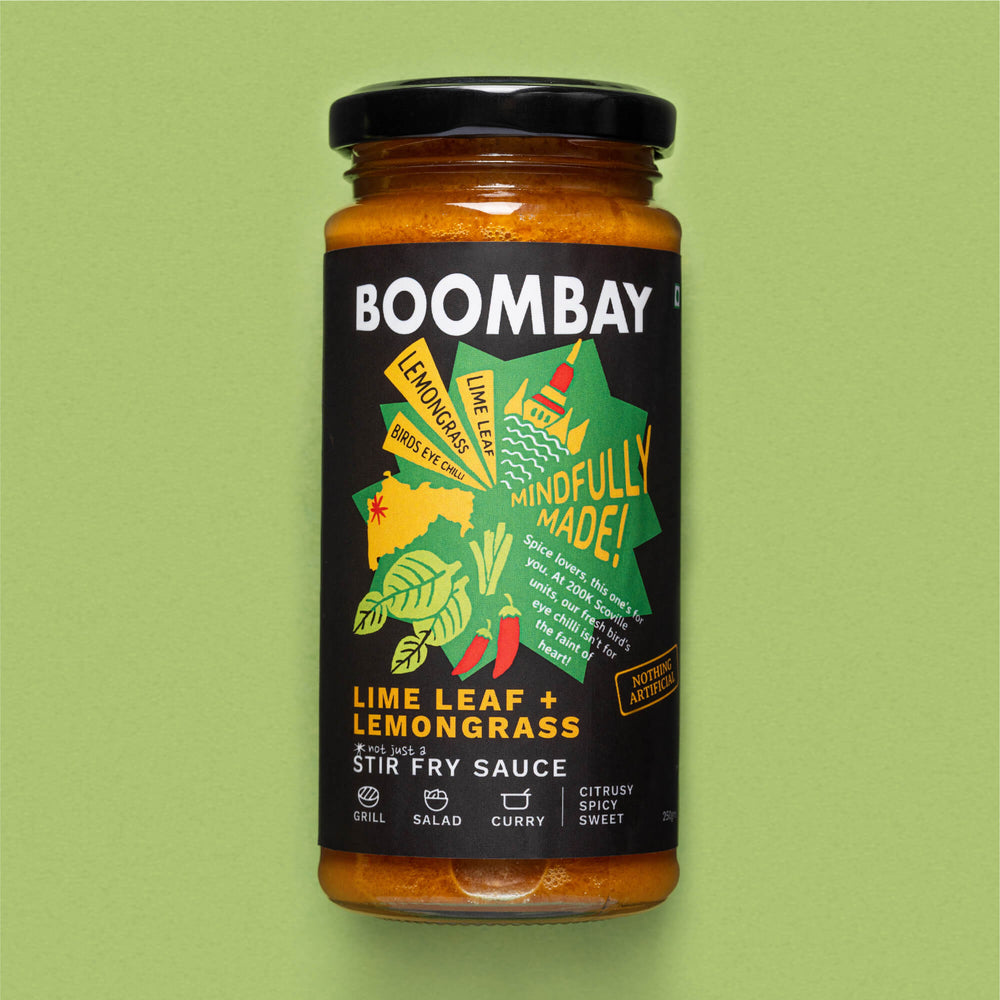
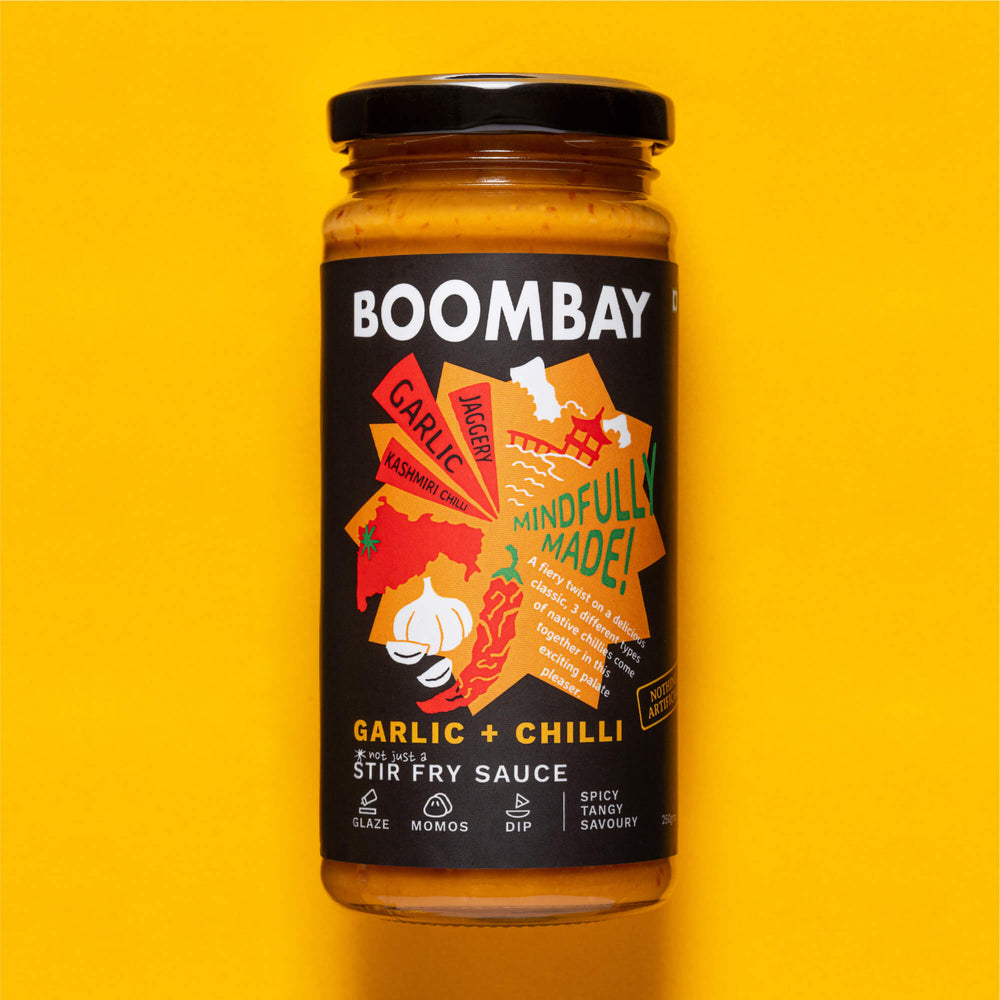
For a stir-fry with vegetables and protein where you want serious depth: toast your cumin and coriander before adding them to a hot wok. The toasted spices provide foundation. The Boombay sauce becomes the game-changer, the moment where everything clicks into place.
For curries: toast whole spices, grind them fresh, then bloom the ground powder in ghee. This two-step approach (toasting plus blooming) gives you the deepest, most complex flavor profile possible.
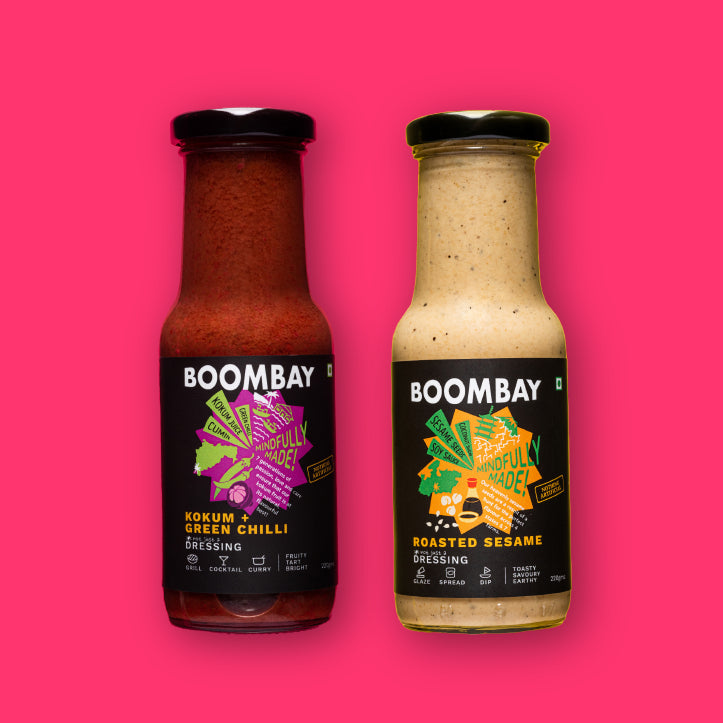
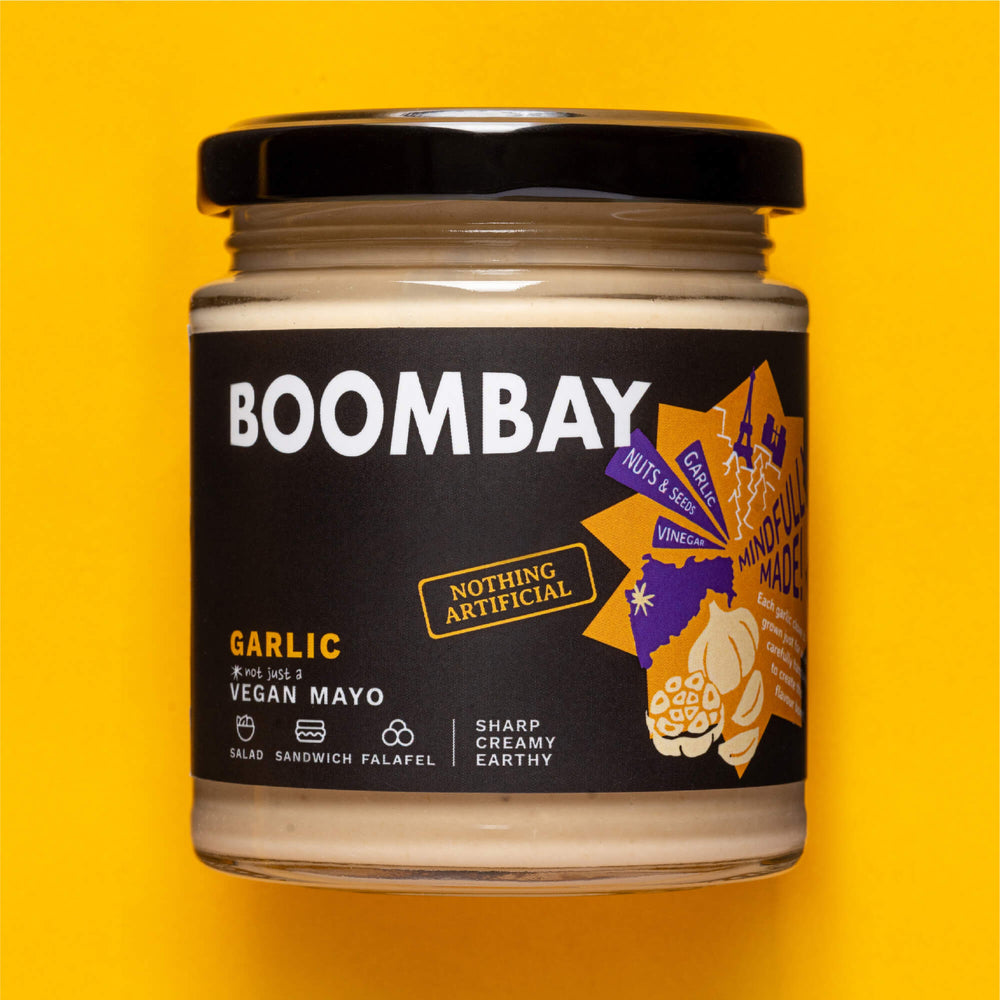
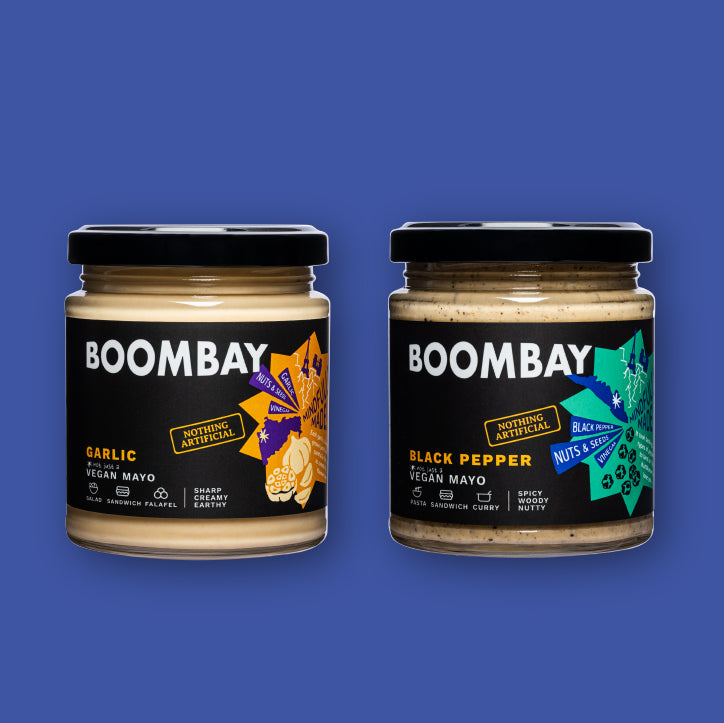
For salads and dressings: if you're making your own dressing base and want toasted spice undertones, bloom them lightly in a bit of oil before whisking with your Garlic Vegan Mayo or other dressing. The bloomed spices' aromatic oils will integrate seamlessly instead of tasting sharp.
Here's what toasting teaches you: spices aren't ingredients that need saving. They need awakening.
Too many recipes treat spices as afterthoughts, a pinch at the end. Real cooking uses them as structure. Toast them, bloom them, layer them, and build around them.
When you look at a plate of food, vegetables should start at around 50% vegetables, 25% grain, 25% protein. Fat should be cooked in around 15-30% of your daily calories. Spices are what make those simple proportions taste like something worth coming back to.
This is the Boombay philosophy. Real ingredients, real techniques, no shortcuts that compromise flavor. No refined carbs swimming in oil. Just thoughtful cooking with bold, global flavors.
Toasting spices is part of that. It's how you prove that eating well doesn't require fancy equipment, complicated recipes, or apologizing for what you're eating.
It requires attention. It requires a pan and 3 minutes. It requires caring enough to get it right.
Ready to Take Your Cooking Further?
At Boombay, we use nuts, seeds, and bold global flavors to craft sauces that taste good and feel good. Real ingredients, no refined sugars or refined oils. Zero compromises.
Explore the full range → boombay.in/collections/shop-all
Premium taste without the premium prep times.
Tried one? Tag @boombayway and show us your Boombay-style creations.
FAQs
Q. How do I know when spices are toasted enough?
Smell is your best guide. You'll catch a rich, nutty aroma. Lighter-colored spices will show a color shift; darker ones won't visually change much. Don't rely on time. Trust your senses.
Q. Can I toast spices ahead of time?
Absolutely. Store them in an airtight container in a cool, dark place for up to a week. Beyond that, they lose potency. Ideally, toast and grind fresh before cooking.
Q. What if I burn them?
Toss the batch. Burnt spices taste acrid and can ruin a dish. Start over. It's three minutes, not a big investment.
Q. Can I bloom spices without oil?
Not really. Blooming requires oil, ghee, or butter because the fat helps release and carry fat-soluble flavors while protecting the spices from burning. If you heat spices without fat, that’s simply toasting, not blooming.
Q. Which spices toast best?
Cumin, coriander, mustard seeds, fenugreek, fennel, cardamom, whole black peppercorns. Seeds and pods toast better than finely fragmented spices.