North and South Indian cuisines aren't just separated by geography. They're built on completely different foundations, shaped by centuries of trade, migration, and local innovation. If you're planning a meal, hosting friends, or curious about Indian regional cooking, understanding these differences opens up a world of flavour.
Quick Comparison Table
| Feature | North Indian Cuisine | South Indian Cuisine |
|---|---|---|
| Staple Grain | Wheat (roti, naan, paratha, chapati) | Rice (steamed rice, idli, dosa, uttapam) |
| Primary Cooking Fat | Ghee, butter, mustard oil | Coconut oil, sesame oil |
| Flavor Profile | Rich, creamy, warming spices | Tangy, spicy, fresh green flavors |
| Key Spices | Garam masala, cumin, coriander, saffron | Mustard seeds, curry leaves, fenugreek, tamarind, fresh chillies |
| Cooking Methods | Tandoor (clay oven), slow-cooking, grilling | Steaming, boiling, fermentation |
| Gravy Base | Thick, dairy-based with onions and tomatoes | Thin, stew-like with coconut milk, tamarind, or lentils |
| Accompaniments | Breads, raita (yogurt-based side) | Sambar, rasam, variety of chutneys |
| Seafood Usage | Limited, mainly freshwater fish | Extensive in coastal regions |
| Serving Style | All dishes on one plate (thali) | Courses served separately, often on banana leaf |
Centuries of History on Every Plate
Indian food tells stories. North Indian cuisine carries the legacy of Mughal courts, Persian traders, and Central Asian migrations. The rich kormas, biryanis, and kebabs trace back to royal kitchens where slow-cooking and layered spicing became art forms. But North India is far more than Mughlai food. Rajasthani cuisine developed ingenious ways to cook in desert conditions, using dried lentils and preserved vegetables. Kashmiri wazwan feasts feature 36 courses of intricate meat preparations. Punjabi dhaba culture created the robust, hearty dishes that fuel truck routes and family tables alike.
South Indian food runs equally deep. The ancient spice trade connected Kerala to Rome and Arabia centuries before European colonization. Tamil Nadu's Chettinad cuisine emerged from merchant communities who brought back spices from Southeast Asia. Andhra Pradesh developed one of India's boldest chilli-forward cooking styles. Karnataka's Udupi tradition refined vegetarian temple cooking into an art, while Mangalorean cuisine blended coastal seafood with coconut and kokum in ways found nowhere else.
Both regions hold multitudes. Reducing either to a few famous dishes misses the point entirely.
Geography Shapes Everything
North India's cooler climate and rich alluvial soil from the Gangetic plains produce wheat, lentils, and dairy in abundance. Himalayan regions contribute dried fruits, saffron, and warming spices suited to cold weather cooking.
South India's tropical heat, monsoon rains, and long coastline created entirely different possibilities. Rice paddies flourish. Coconut palms line every village. The sea provides endless protein. Tamarind trees and curry leaf bushes grow wild.
The land dictates the larder. The larder shapes the cuisine.
The Grain Foundation
North Indian cooking revolves around wheat. Roti, naan, paratha, poori, kulcha, bhatura, and dozens of regional flatbreads form the backbone. Breads anchor curries and gravies. You tear, scoop, and wrap. The bread becomes your utensil.
South Indian cooking is rice-based in every form. Steamed rice with sambar. Fermented rice batters for dosa and idli. Rice flour for puttu and appam. Puffed rice for snacks. Even when flatbreads appear, like Kerala's pathiri or Andhra's pesarattu, they often use rice flour.
Oils and Fats Tell the Story
North India reaches for ghee and mustard oil. Ghee brings that clarified-butter richness to everything from dal to desserts. Mustard oil adds a sharp, peppery warmth essential to Bengali, Bihari, and Punjabi cooking.
South India uses coconut oil and cold-pressed sesame oil. Coconut oil brings lightness and subtle sweetness to curries and stir-fries. Cold-pressed sesame oil adds aromatic nuttiness that defines Tamil and Andhra cooking.
Beyond the Famous Dishes
North Indian cuisine extends far beyond butter chicken and dal makhani. Awadhi dum pukht cooking slow-braises meat in sealed pots until impossibly tender. Lucknowi kebabs use techniques refined over centuries. Rajasthani dal baati churma celebrates desert resourcefulness. Kashmiri rogan josh and yakhni showcase lamb preparations found nowhere else. Bengali shorshe maach wraps fish in mustard paste and banana leaves. Gujarati dhokla and khandvi demonstrate sophisticated steaming and fermentation techniques.
South Indian cuisine reaches far beyond idli and dosa. Chettinad pepper chicken packs more complexity than most restaurant menus suggest. Kerala's meen moilee and fish mappas blend Portuguese influences with local coconut curries. Andhra's gongura pachadi uses sorrel leaves in ways that'll wake up your palate. Mangalorean kane fry and neer dosa showcase coastal Karnataka's distinct identity. Hyderabadi biryani tells the story of Nizam courts and local Telugu influences merging.
Every state, every community, every grandmother holds recipes you've likely never encountered.
Flavor Direction
North Indian food often tastes rich and layered. Butter, cream, tomatoes, onions, and warming spices like garam masala build depth. Slow-cooked gravies develop complexity over time.
South Indian food tastes bright and immediate. Tamarind, kokum, curry leaves, mustard seeds, and red chillies create zing and freshness. The tangy notes of kokum and coconut vinegar show up constantly.
When you eat North Indian, you're often seeking comfort and warmth. When you eat South Indian, you're seeking brightness and energy.
Spice Heat Works Differently
North Indian spice comes from garam masala blends, a warm, rounded heat that builds gently. Saffron, cardamom, and cinnamon soften the edges.
South Indian spice is direct and sharp. Red chillies hit fast. Guntur, byadgi, and other regional varieties bring distinct heat profiles.
Protein and Vegetables Vary by Region
A common misconception frames South Indian food as purely vegetarian. In reality, South India has extensive seafood traditions, especially in coastal Kerala, Karnataka, and Tamil Nadu. Prawns, squid, and coastal fish feature prominently. The vegetarian reputation comes from Brahminical temple cuisine and Udupi restaurants, which represent only part of the story.
North Indian cuisine includes significant vegetarian traditions too, especially in Gujarat, Rajasthan, and among Marwari communities. But meat and dairy also feature prominently across Punjab, Kashmir, and Lucknow.
Cooking Speed and Methods
North Indian cooking often takes time. Slow-cooked dum preparations, marinated tandoori meats, and layered biryani processes build depth over hours.
South Indian cooking varies widely. Quick tempers (tadka) come together in seconds. Sambar simmers in 30 minutes. Fermented batters for dosa and idli require overnight patience but cook in minutes. Chettinad curries demand proper spice grinding but reward speed.
How the Meal Comes Together
North Indian thalis arrive on round steel plates. Bread, rice, vegetables, dal, protein, pickle, and dessert. Everything sectioned. You mix as you eat.
South Indian meals often come on banana leaves. Rice sits in the center. Sambar, rasam, poriyal, curd, pickle, and payasam surround it. The banana leaf softens slightly as you eat, adding subtle flavour.
Both styles have ceremonial weight and work for weddings, festivals, and everyday tables. Both invite you to explore layers.
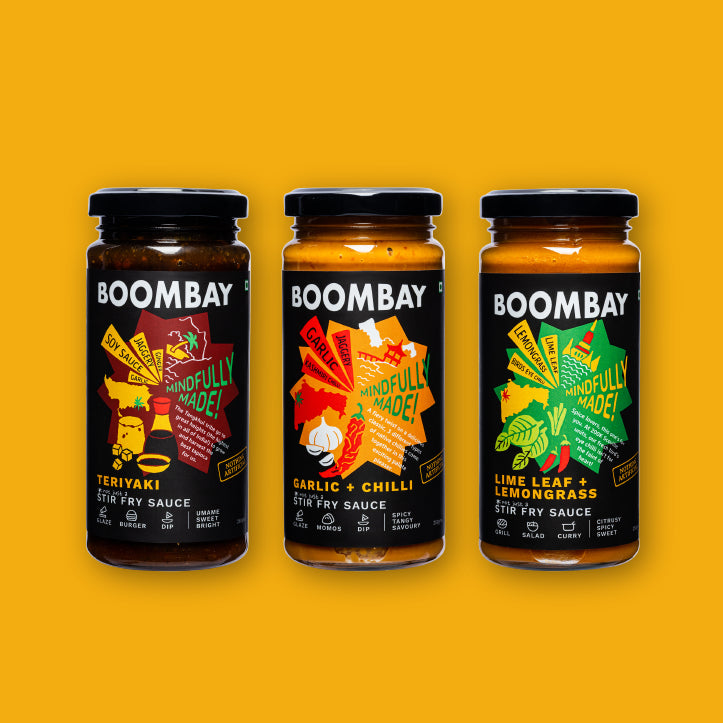
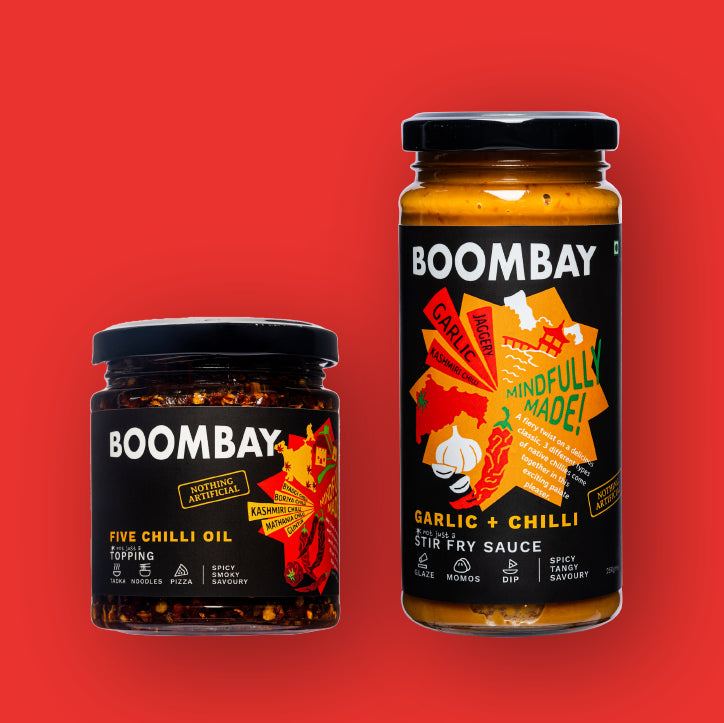
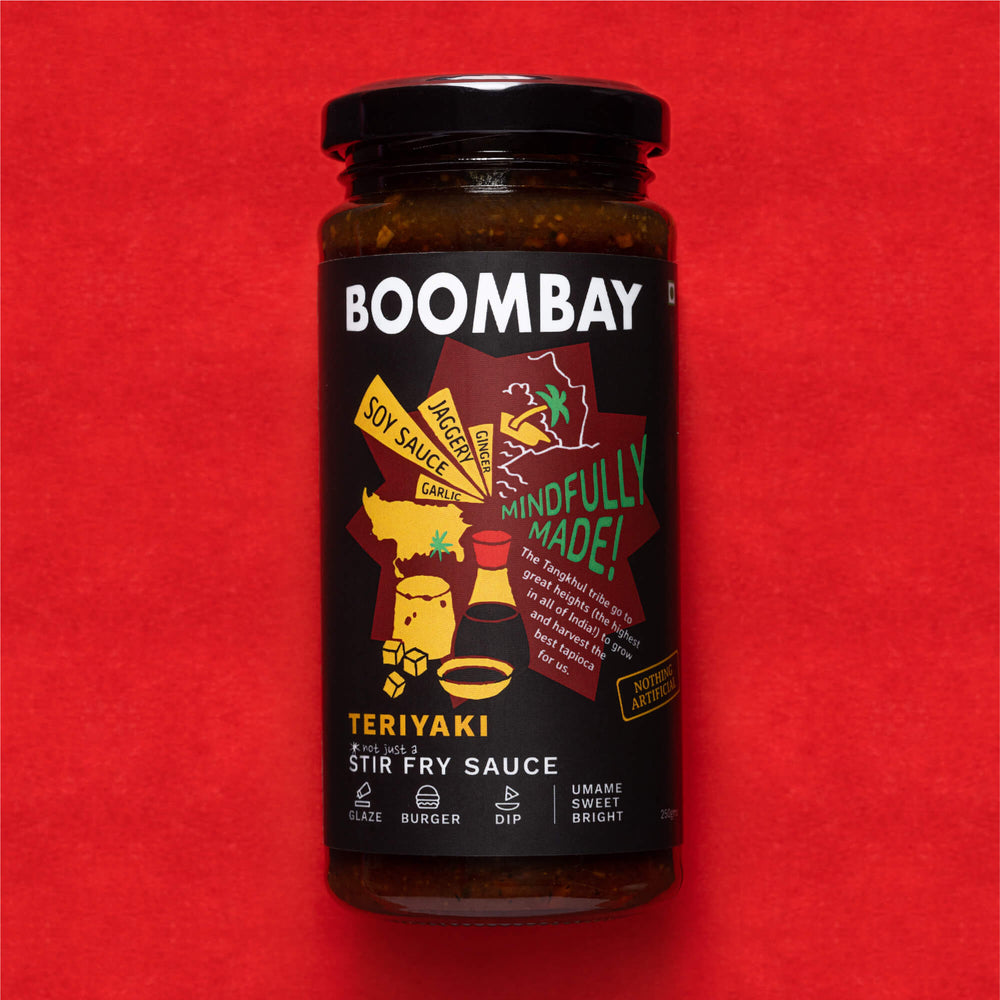
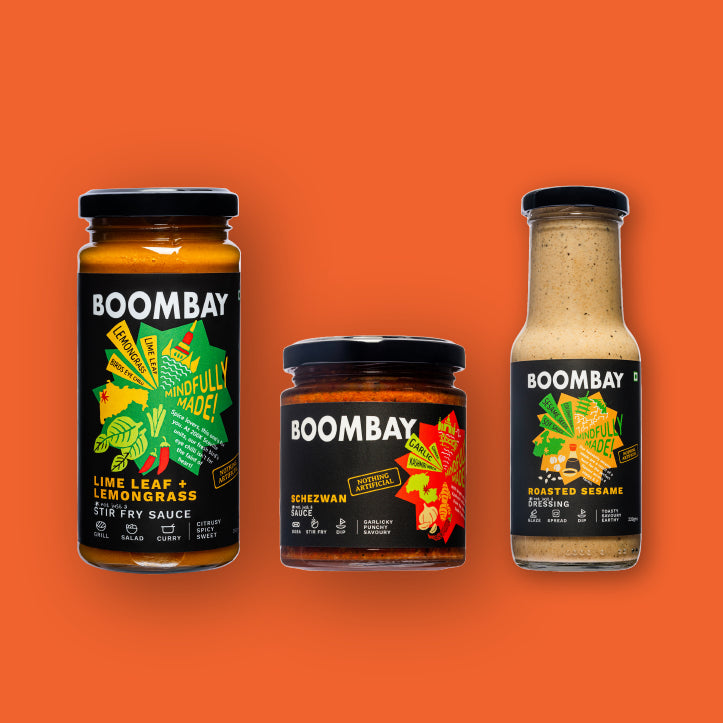
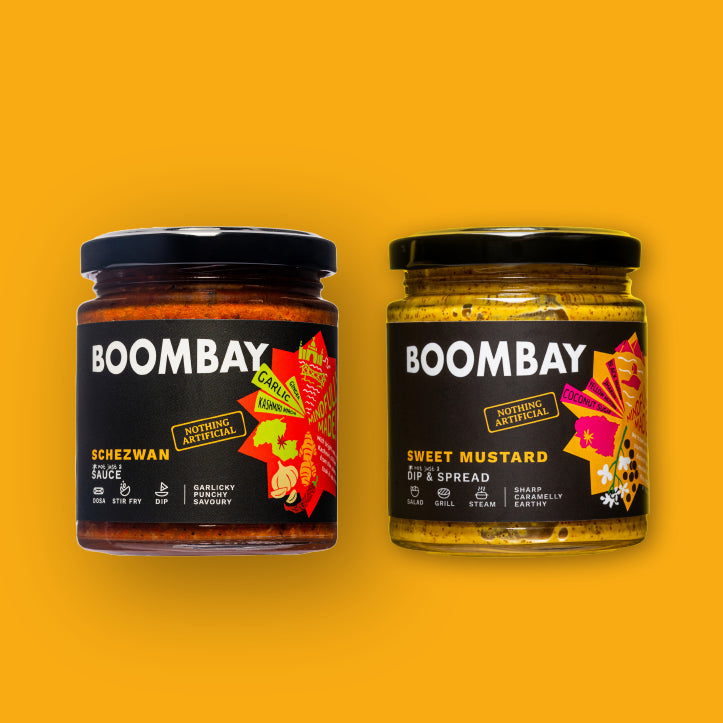
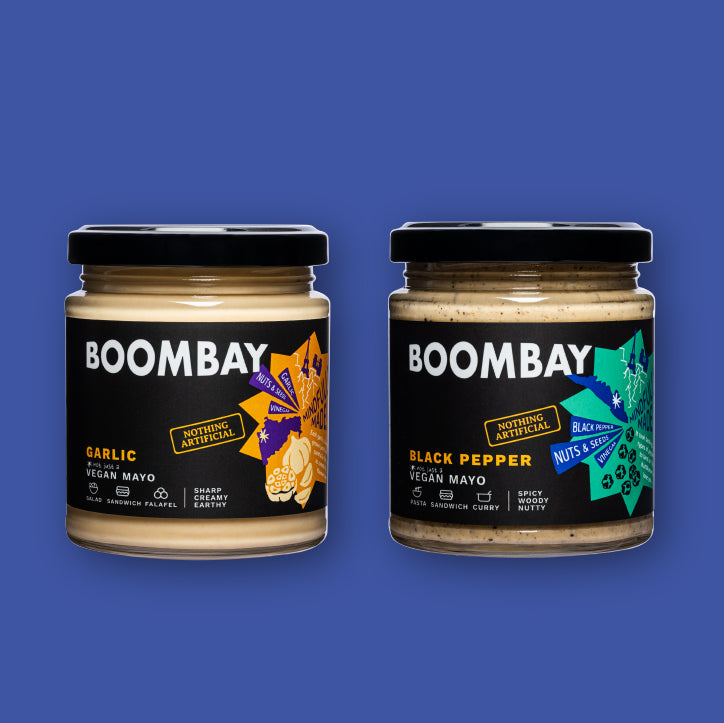
Say goodbye to boring meals because it's time to make tasty meals, the Boombay way. Shop the entire collection here.
FAQs
Q. What's the main difference between North and South Indian food?
North Indian food is wheat-based with creamy, warming gravies using ghee. South Indian food is rice-based with tangy, lighter curries built on coconut oil and tamarind.
Q. Which oil is used in North Indian cooking?
Ghee and mustard oil dominate. These create the rich, warming profile North Indian dishes are known for.
Q. Are South Indian meals always vegetarian?
No. South Indian cuisine includes extensive fish curries, prawn dishes, and meat preparations, especially in Kerala, Andhra, and coastal regions.
Q. Which is spicier, North or South Indian food?
South Indian food tends to hit harder and faster with chilli heat. North Indian spice is warmer and more blended through garam masala.
Q. What's tamarind's role in South Indian cooking?
Tamarind brings tang and depth, delivering the sour note that makes South Indian food taste bright. You see it in sambar, rasam, and chutneys.