Walk into any Indian restaurant, mall food court, or street food stall, and you'll spot them: Hakka noodles. Those savory, spicy stir-fried noodles have become everyone's favorite comfort food. But here's something that might surprise you.
Hakka noodles aren't really Chinese, and they're not exactly Indian either. So what are they, and why does everyone love them so much?
Let's start from the beginning.
Where Hakka Noodles Actually Come From
Hakka noodles get their name from the Hakka people, a group from China. The word "Hakka" means "guest families" because these folks moved around a lot throughout history.
In the late 1800s and early 1900s, many Hakka Chinese people came to Kolkata (then called Calcutta) to work in tanneries, ports, and railways. They settled in an area called Tangra, creating India's first Chinatown. When they opened restaurants to make a living, they ran into a problem.
Indian customers didn't want authentic Chinese food. The flavors were too subtle, too different. Indians wanted more spice, more heat, more vegetables. Many Indians were vegetarian, but traditional Chinese menus were heavy on meat and seafood.
So the Hakka settlers got creative. They took their cooking techniques (like stir-frying in a hot wok) and mixed them with Indian tastes. More chillies. More ginger and garlic. Lots of vegetable options. Bolder sauces.
What they created wasn't Chinese food anymore. And it definitely wasn't Indian food. It was something completely new: Indo-Chinese cuisine. Hakka noodles became one of the stars of this fusion food movement.
What Makes Hakka Noodles Different?
If you've eaten authentic Chinese noodles and Indian Hakka noodles, you'll notice they're totally different dishes. Here's what makes Indian Hakka noodles special:
They're spicier. Green chillies, chilli sauce, and sometimes chilli oil bring the heat that Indian taste buds love.
They're packed with vegetables. Carrots, bell peppers, cabbage, onions, and scallions make the dish colorful and filling.
They work for vegetarians. You can easily make Hakka noodles without any meat, and they'll still be satisfying and delicious.
The sauces are bolder. Soy sauce, vinegar, and stir fry sauces create flavors that feel familiar to Indian palates.
The cooking style stays Chinese (high heat, quick stir-frying), but everything else is adapted for India. That's the magic of fusion food.
Why Everyone in India Loves Hakka Noodles
You can find Hakka noodles everywhere. Street vendors sell them for 50 rupees. Wedding buffets serve them. School cafeterias offer them. Fine dining restaurants have gourmet versions. But why are they so popular?
They're affordable. A plate of Hakka noodles fills you up without emptying your wallet. Students, working folks, and families on a budget can all enjoy them.
They're quick. When you're hungry and don't want to wait, Hakka noodles get to your table fast. Street vendors can whip up a plate in minutes.
They feel special without being fancy. Hakka noodles taste different enough to feel like a treat, but familiar enough to eat any day of the week.
Vegetarians love them. Unlike many international cuisines, Indo-Chinese food offers tons of vegetarian options that actually taste good and fill you up.
They're everywhere. You don't need to hunt for a specialty restaurant. Your neighborhood Chinese place, the mall food court, even that street stall near your office probably serves them.
Hakka Noodles vs. Other Noodles
Confused about the difference between Hakka noodles and other noodle dishes? Here's a quick breakdown:
Hakka Noodles vs. Chow Mein: Chow mein noodles are thinner and crispier. Hakka noodles are softer with more sauce.
Hakka Noodles vs. Schezwan Noodles: Both are Indo-Chinese, but Schezwan noodles use a spicy red Schezwan sauce that makes them tangier and hotter.
Hakka Noodles vs. Authentic Chinese Noodles: Traditional Chinese noodles have subtle, delicate flavors. Hakka noodles are bold, spicy, and heavily seasoned for Indian tastes.
The Bottom Line
Hakka noodles are the perfect example of what happens when two cultures meet and create something new together. Chinese immigrants in Kolkata couldn't sell their traditional food, so they adapted. They listened to what Indian customers wanted and created dishes that blended the best of both worlds.
Today, even though the Chinese population in Kolkata has gotten smaller, the food they invented has become permanent. Hakka noodles aren't going anywhere. They're part of Indian food culture now.
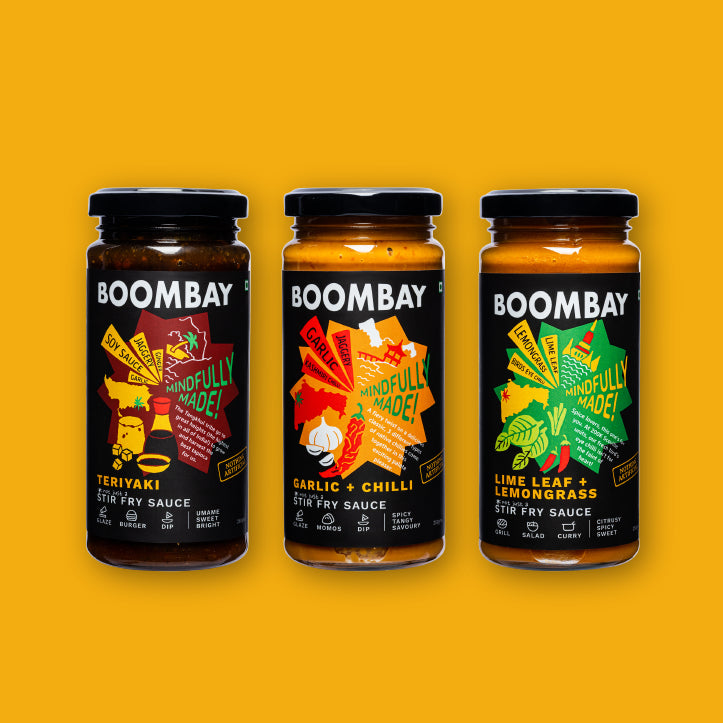
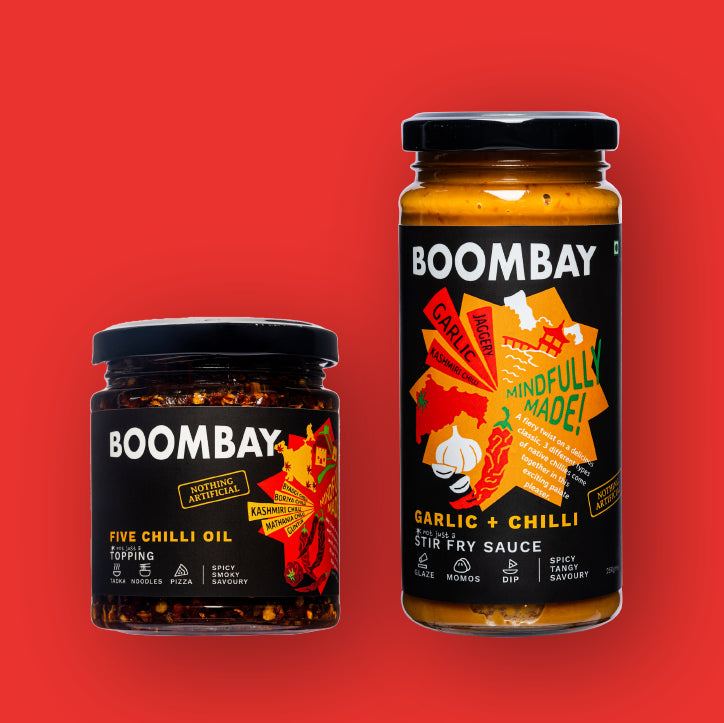
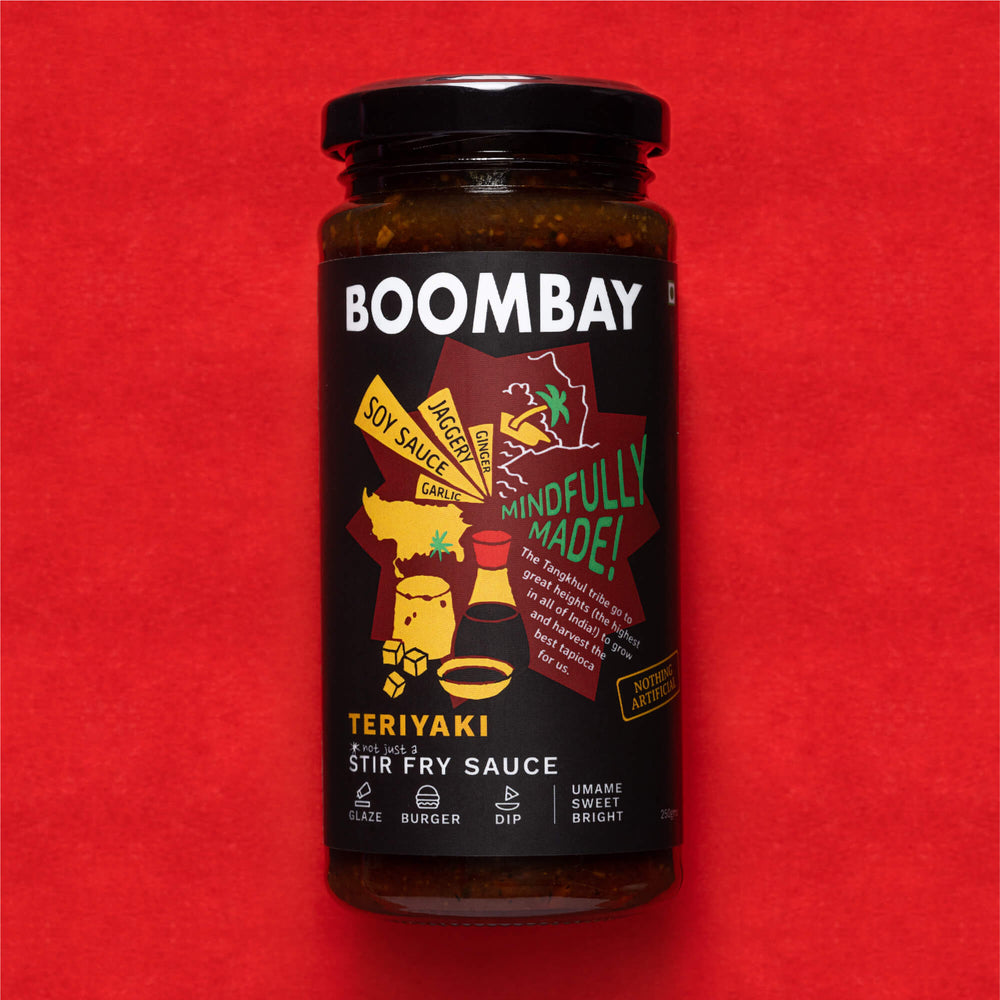
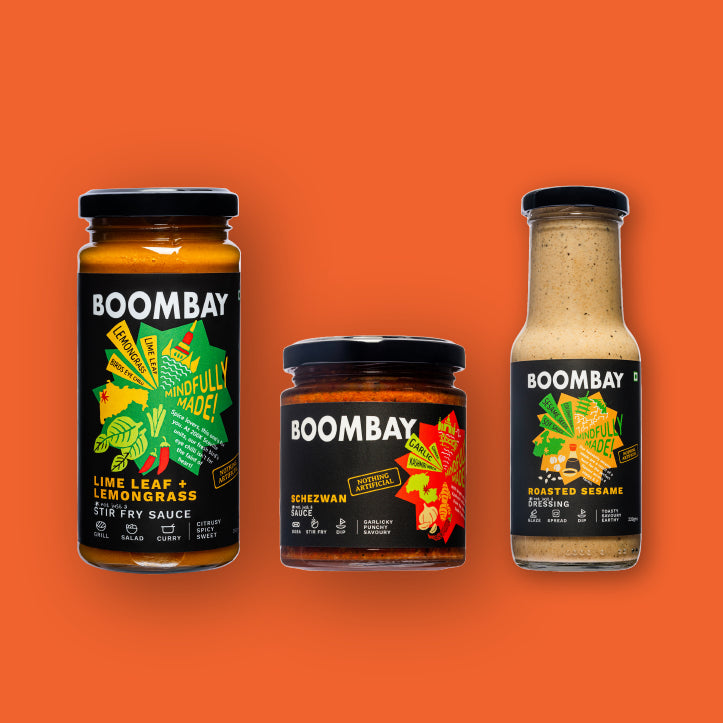
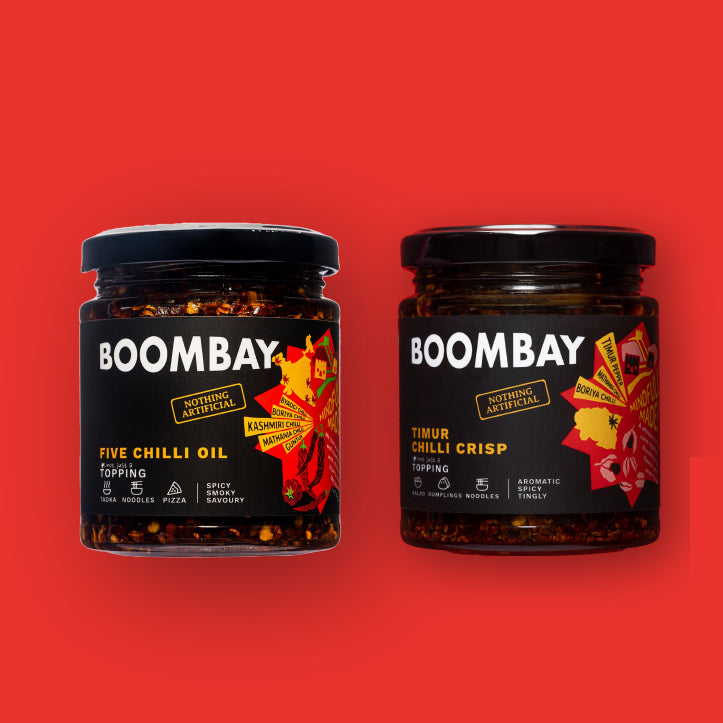
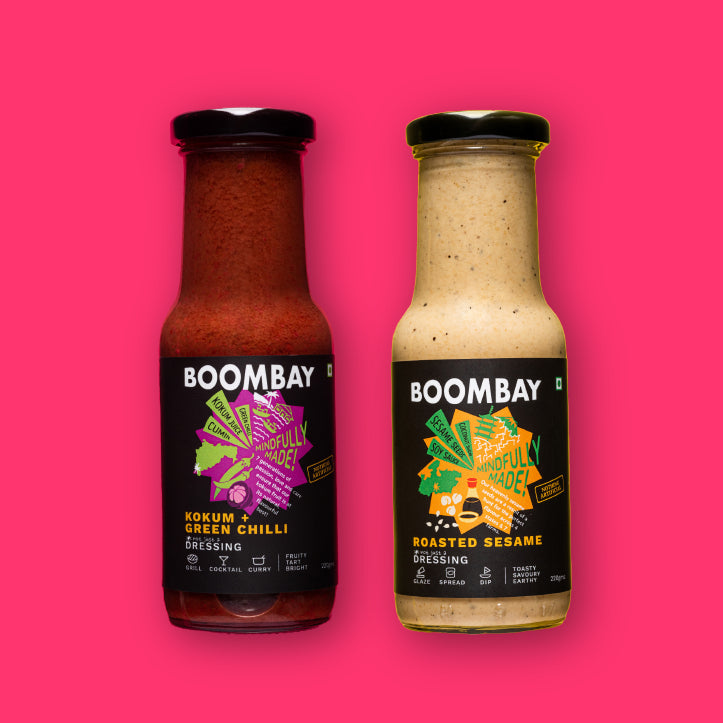
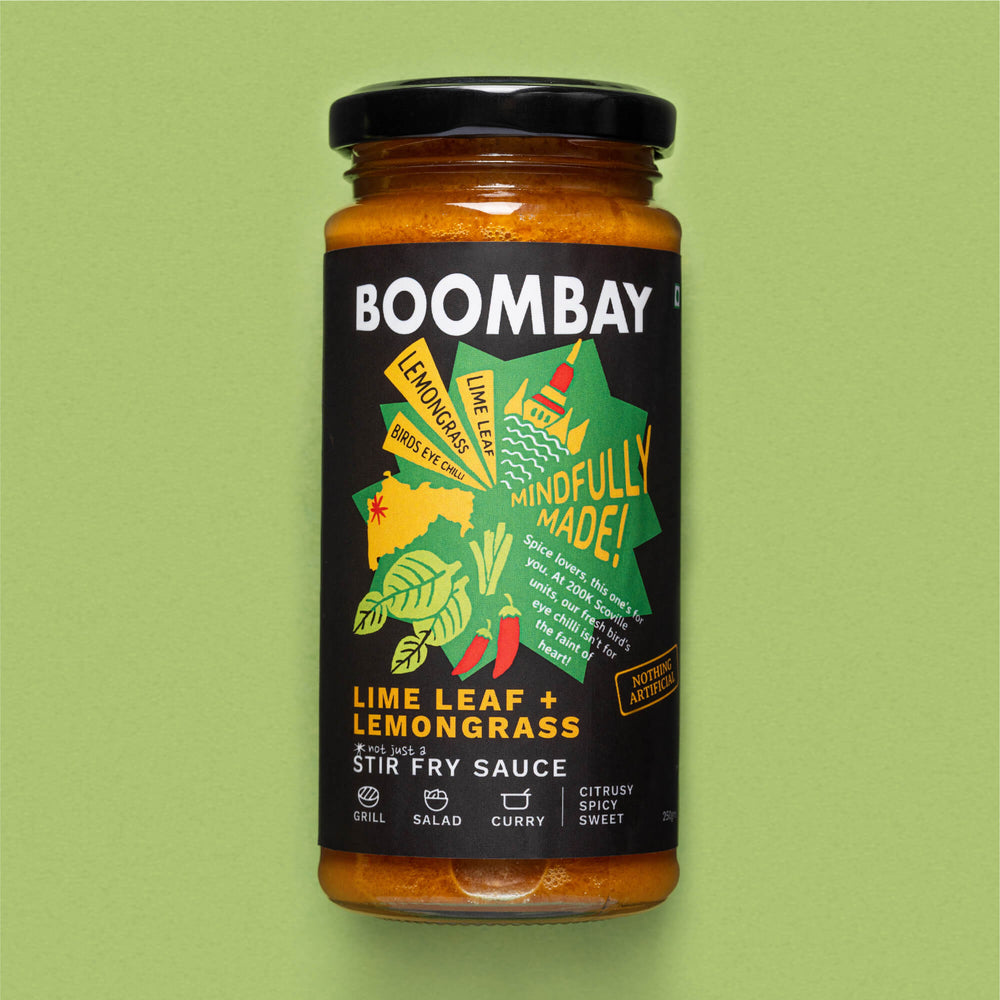
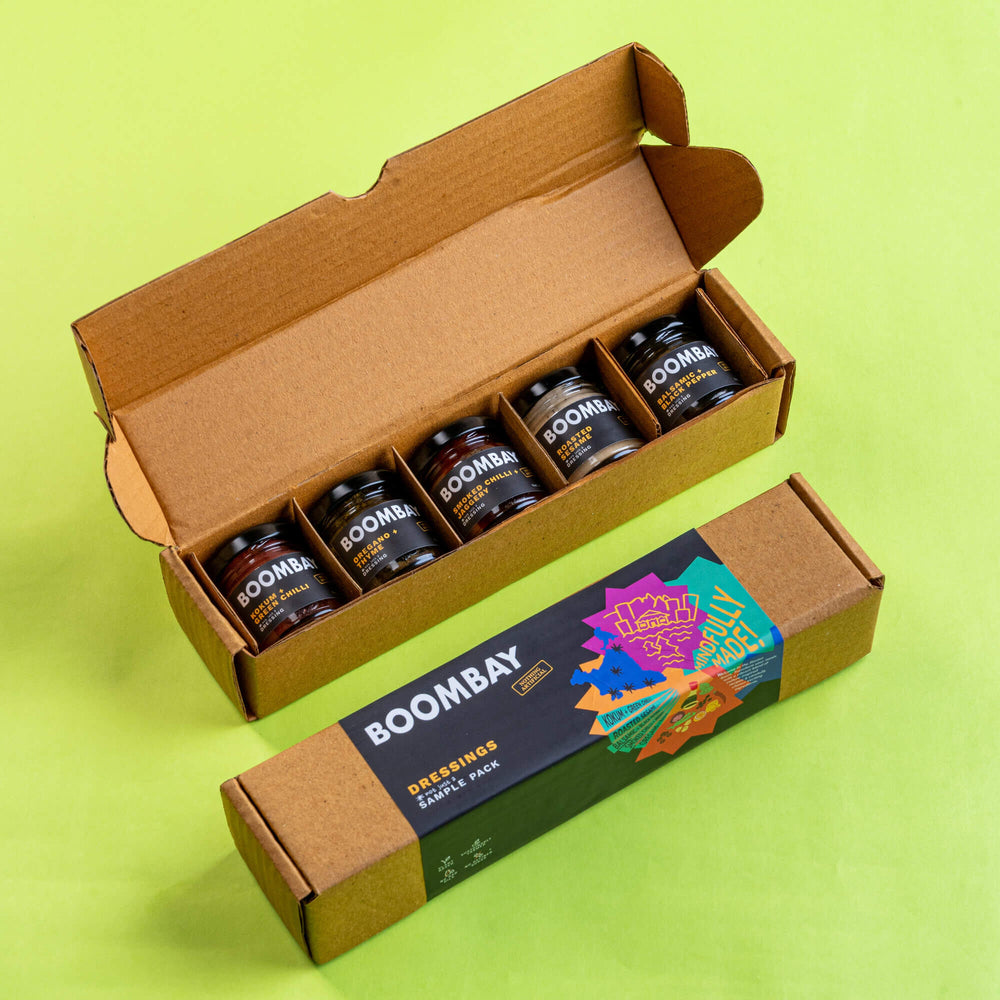
Say goodbye to boring meals because it's time to make tasty meals, the Boombay way. Shop the entire collection here and add a boom of flavor to your favorite dishes.
Frequently Asked Questions
Q. What are Hakka noodles made of?
Hakka noodles are wheat noodles stir-fried with vegetables, garlic, ginger, soy sauce, and chilli sauce. You can add protein or keep them vegetarian.
Q. Are Hakka noodles actually Chinese?
Hakka noodles were created by Chinese immigrants in Kolkata. The dish is an Indo-Chinese fusion that doesn't exist in traditional Chinese cuisine.
Q. Why are they called Hakka noodles?
The name comes from the Hakka people who migrated from China to India and created this dish by adapting their cooking to Indian tastes.
Q. Can I make Hakka noodles at home easily?
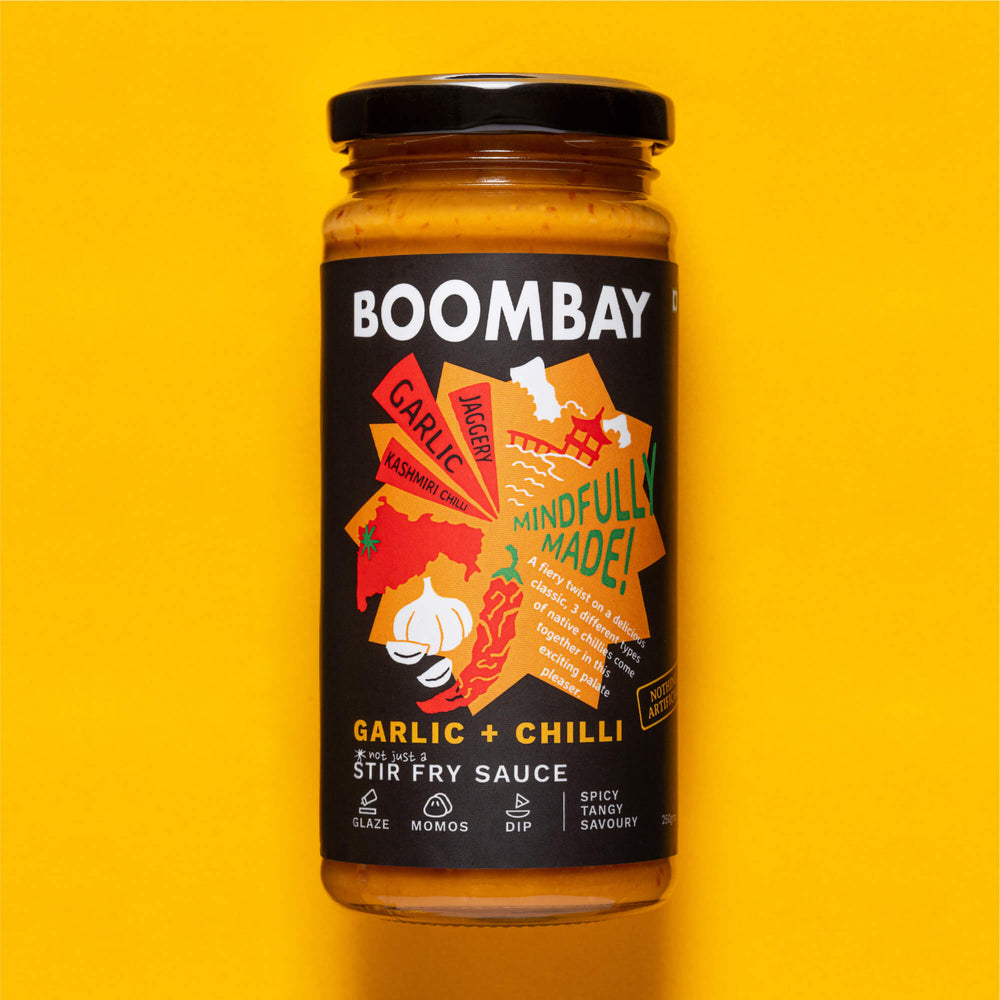
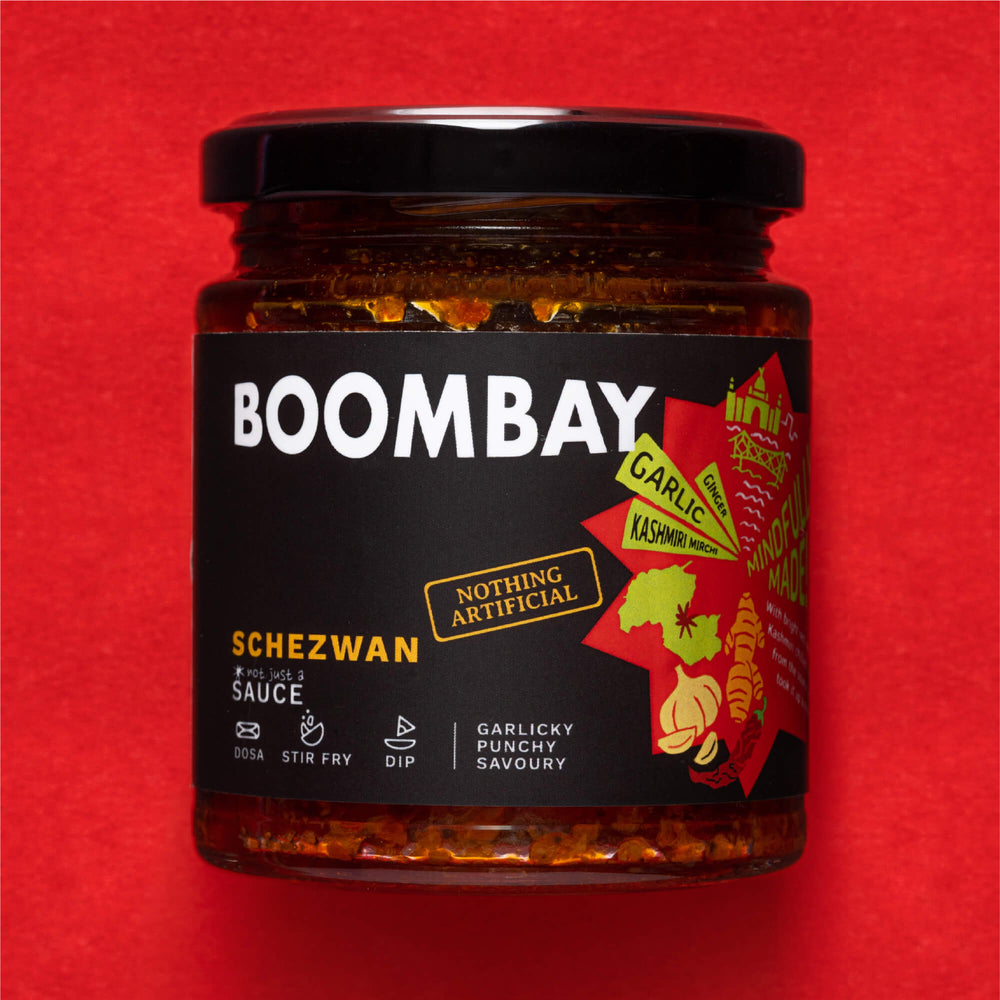
Yes, you can make them in a large pan or wok with high heat, vegetables, and the right sauces like Garlic + Chilli or Schezwan.
Q. What makes Hakka noodles different from chow mein?
Chow mein noodles are crispier and thinner. Hakka noodles are softer with more vegetables and sauce, making them heartier.
Q. Why are Hakka noodles so popular in India?
Hakka noodles are affordable, quick to make, available everywhere, vegetarian-friendly, and taste familiar yet exciting to Indian palates.