You're stirring your dal, tasting it, and something feels missing. It's good, but not that good. Not the kind that makes you go back for seconds without thinking about it.
What you're craving is umami. That deep, savory, can't-quite-explain-it flavor that makes food taste fuller and more satisfying. Most people think you need meat to get there, but that's not true at all.
Vegetarian cooking, especially Indian cooking, is already packed with umami. You just need to know which ingredients to reach for and how to use them together.
What Is Umami, Really?
Umami is the fifth taste, alongside sweet, sour, salty, and bitter. In simple terms, it's that savory, mouth-filling sensation that makes you want another bite. It comes from glutamates, natural compounds found in loads of plant-based ingredients.
The cool part? When you combine two or three umami-rich ingredients, the flavors multiply. It's called umami synergy, and it's the reason why tomato rasam or mushroom masala tastes so good.
1. Mushrooms: Start Here
If you're new to building umami, start with mushrooms. Fresh button mushrooms work great, but dried shiitakes are next level. The drying process concentrates all those savory flavors.
Sauté your mushrooms until they're golden brown, even a little crispy at the edges. That browning creates even more umami through caramelization. Add them to pulaos, biryanis, or your regular sabzi for instant depth.
Pro tip: grind dried mushrooms in a mixer and use the powder like garam masala. Sprinkle it on anything.
2. Tomatoes, But Make Them Sun-Dried
Fresh tomatoes have decent umami, but sun-dried tomatoes? They're flavor bombs. The concentration makes them 3-4 times more powerful.
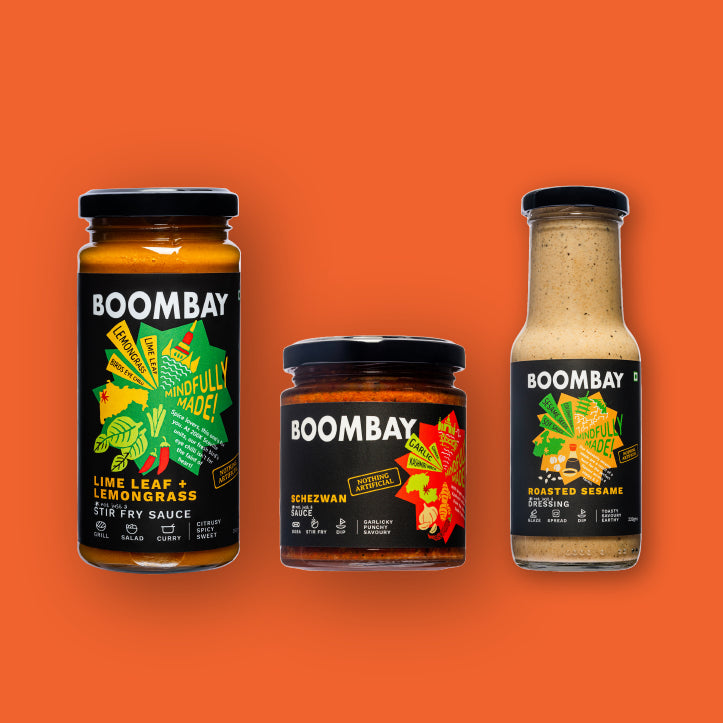
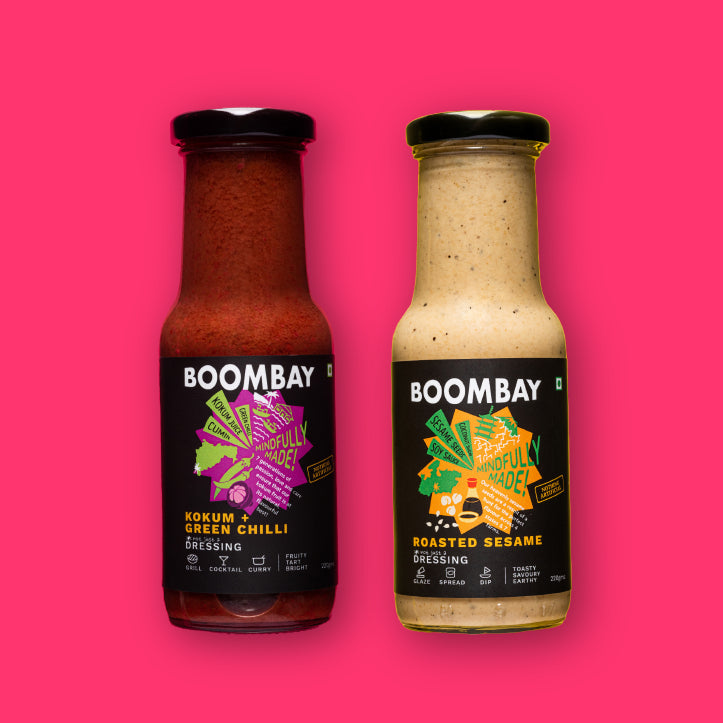
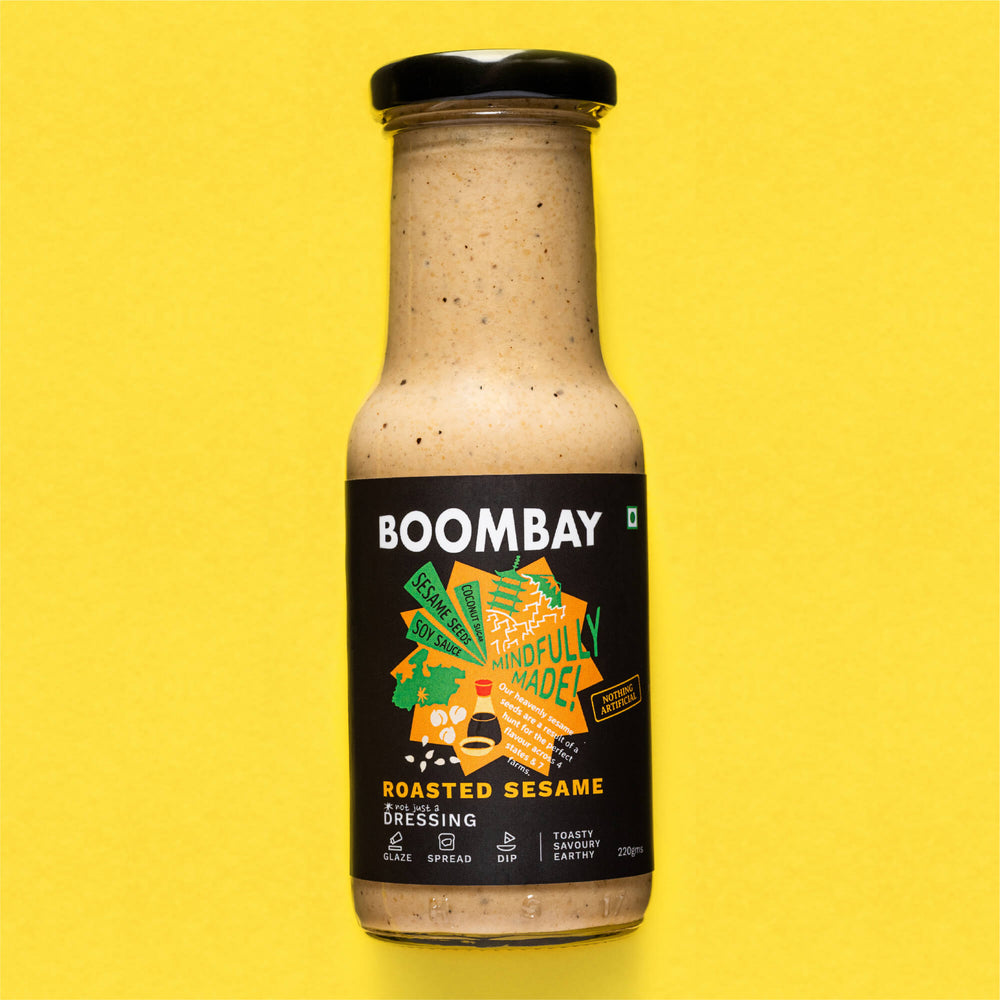
Chop them into pasta, toss them in grain bowls, or add them to your sandwich. Blend them with Roasted Sesame dressing for a spread that'll make you rethink your regular chutney.
3. Say Hello to Miso
Miso paste might sound fancy, but it's just fermented soybeans. It brings a creamy, savory depth to anything you add it to. White miso is mild and slightly sweet, red miso is bolder and saltier.
Never boil miso directly or you'll kill those delicate flavors. Stir it in at the end of cooking or whisk it into dressings. Add a spoonful to your dal tadka, mix it into raita, or try Miso + Ginger not just a Stir Fry Sauce straight from the jar for instant umami in your stir-fries.
4. Tamarind Isn't Just Sour
Tamarind is a South Indian kitchen staple for good reason. Beyond that signature tang, it brings umami too. Use it in sambar, rasam, and chutneys. Combine it with jaggery and you get that sweet, sour, savory balance that Indian food does so well.
5. Fermented Foods Are Your Friends
Fermentation naturally creates umami. Idli batter, dosa batter, pickles, and fermented chutneys all bring savory depth.
Add a spoonful of pickle juice to your dal. Let your dosa batter ferment an extra day for more complex flavor. Use fermented coconut chutney as a sandwich spread. Small tweaks, big difference.
6. A Splash of Soy Sauce
Soy sauce isn't just for Chinese food. A small splash while sautéing onions adds serious depth. Mix it into paneer marinades or use it in your fried rice.
Combine soy sauce with tomatoes or mushrooms for umami synergy. Start with half a teaspoon, taste, and add more if needed.
7. Layer It Up (This Is the Secret)
Here's where the magic happens. Don't use just one umami ingredient, use two or three together.
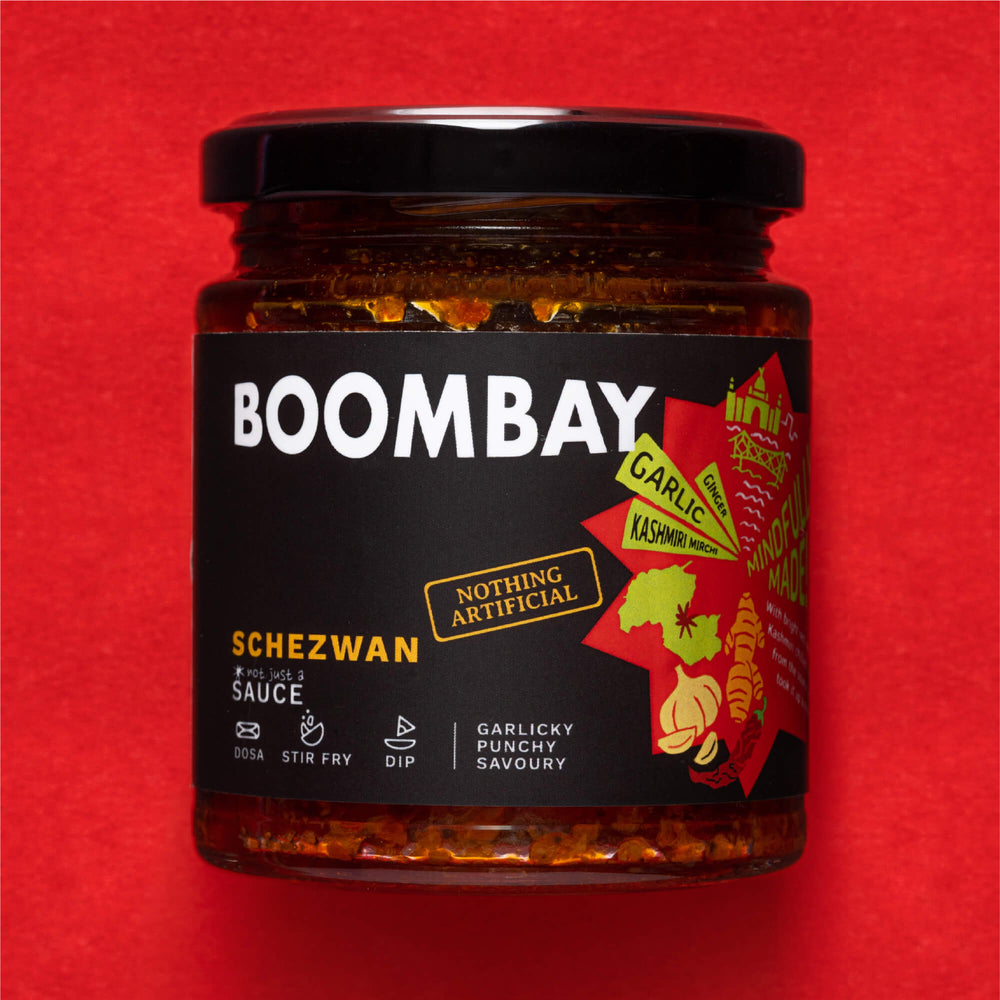
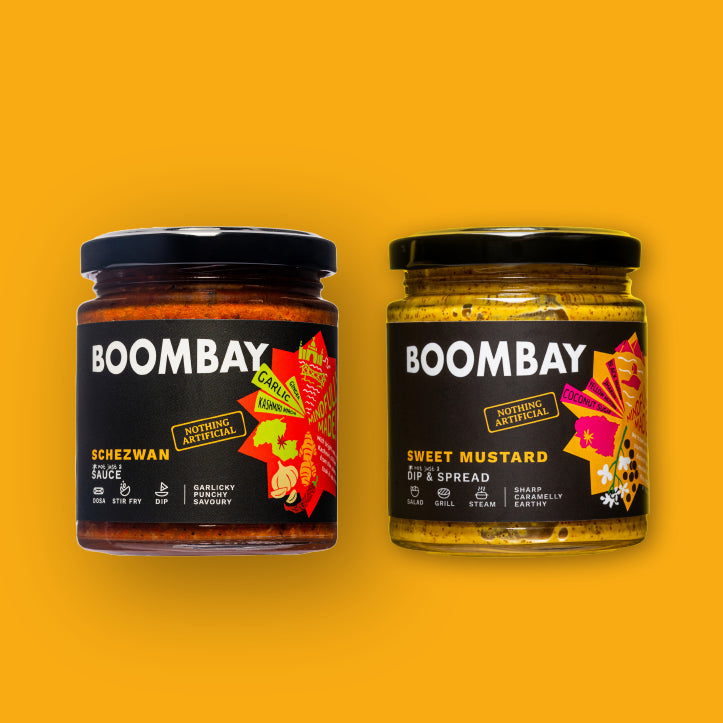
Start with mushrooms as your base. Add a splash of soy sauce while cooking. Finish with Schezwan for that final boom of flavor. Each layer builds on the last, creating the kind of complexity that keeps every bite interesting.
Bonus: cooking methods matter. Roasting, browning, and caramelizing all develop more umami. So cook your onions until golden, char your tomatoes, and don't rush the bhuna. That patience shows up on the plate.
Put It Into Practice
Next time you're making dal, throw dried mushrooms in the pressure cooker. Stir miso into your kadhi just before serving. Add sun-dried tomatoes to your pulao. These aren't complicated techniques, they're small additions that turn everyday meals into something you'll actually crave.
The beauty of umami is that it works in the background. Your family won't know what you did differently, they'll just know dinner tastes really, really good.
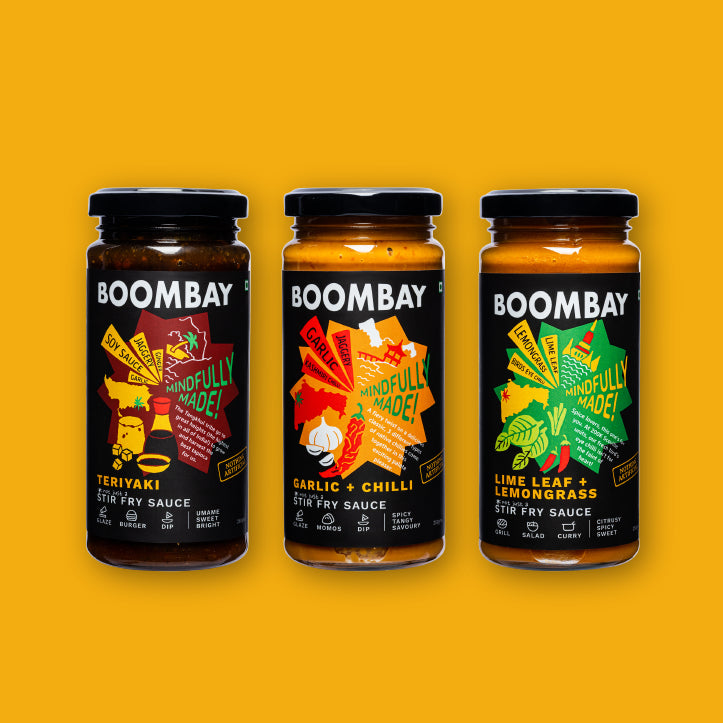
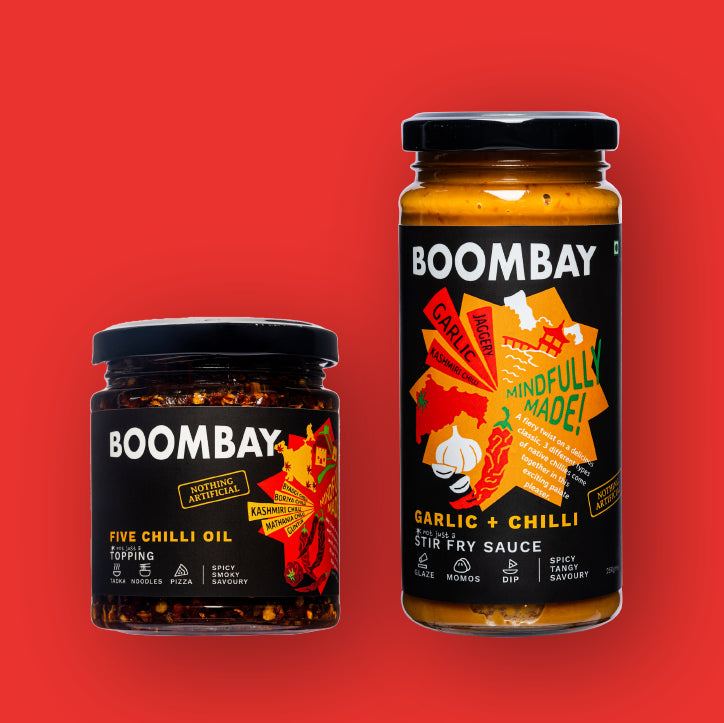
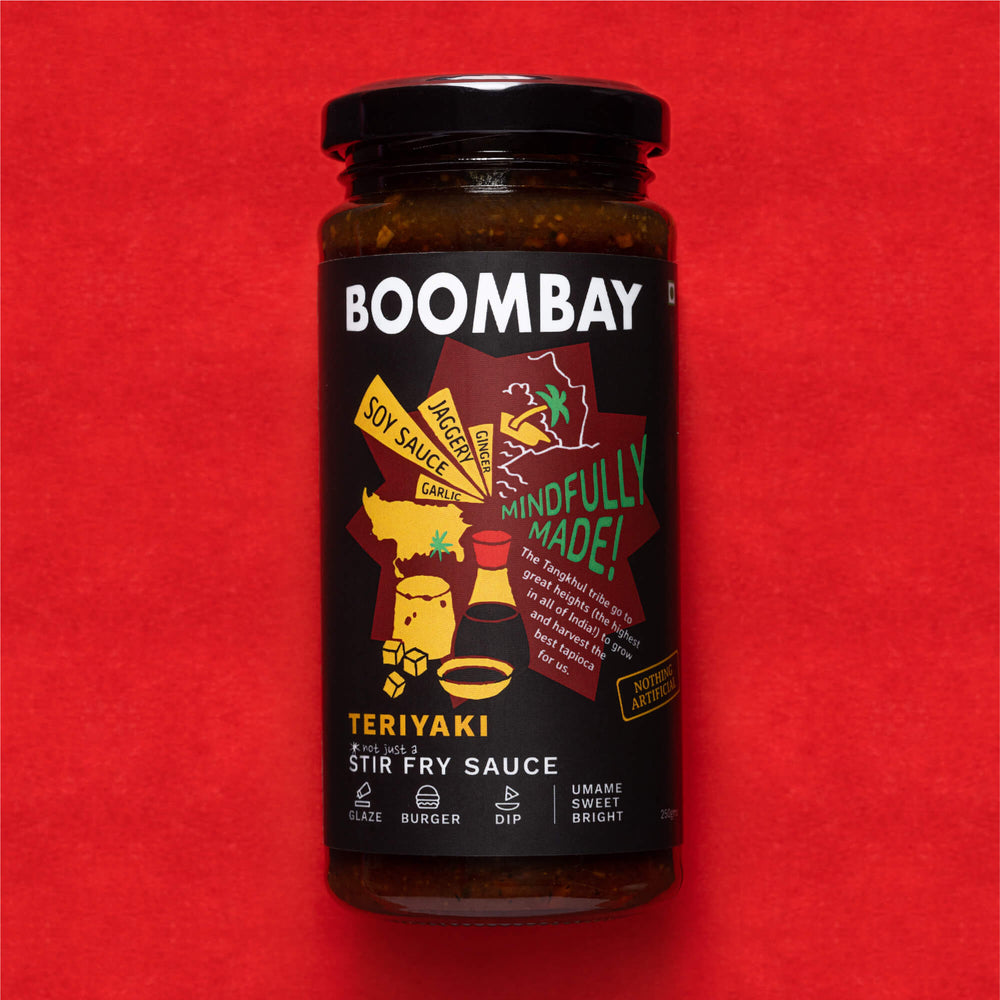
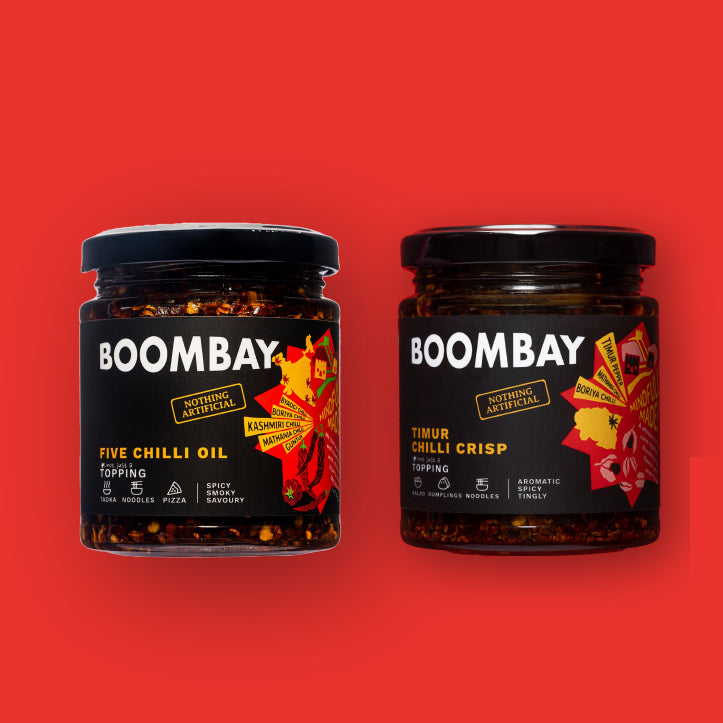
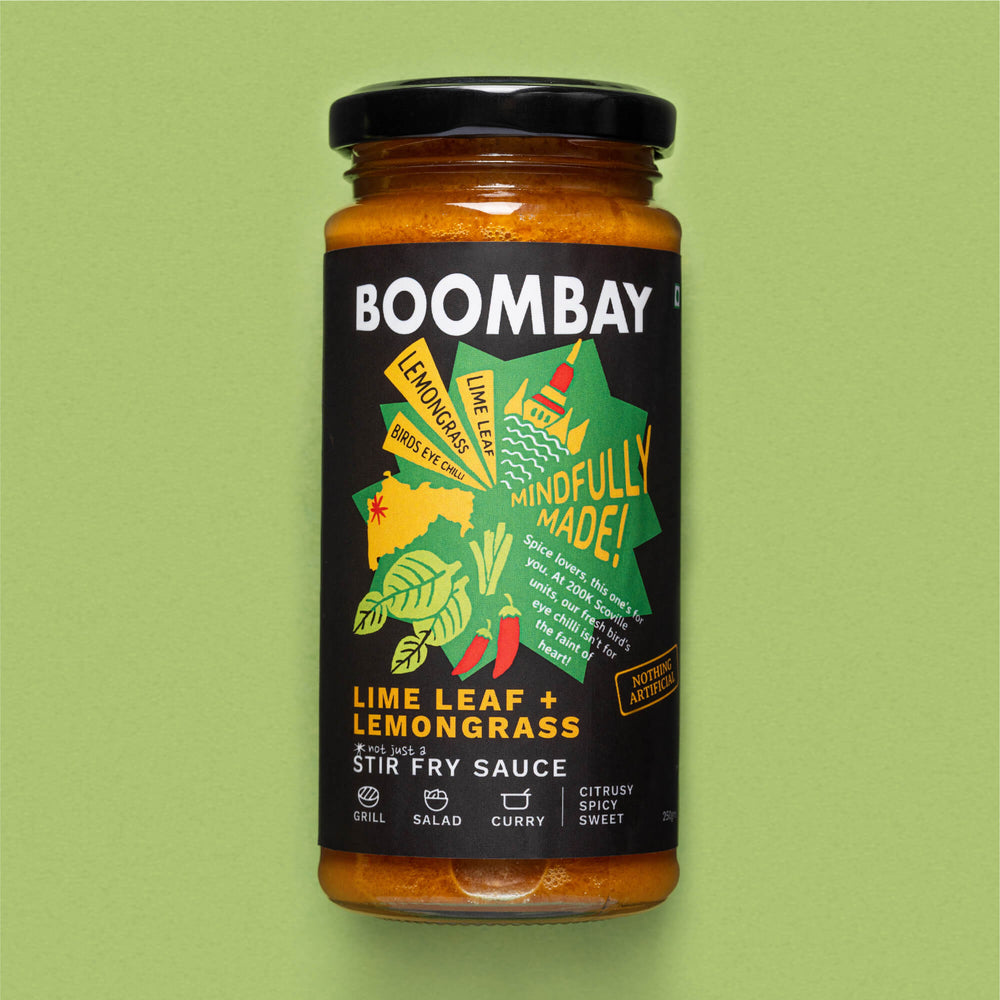
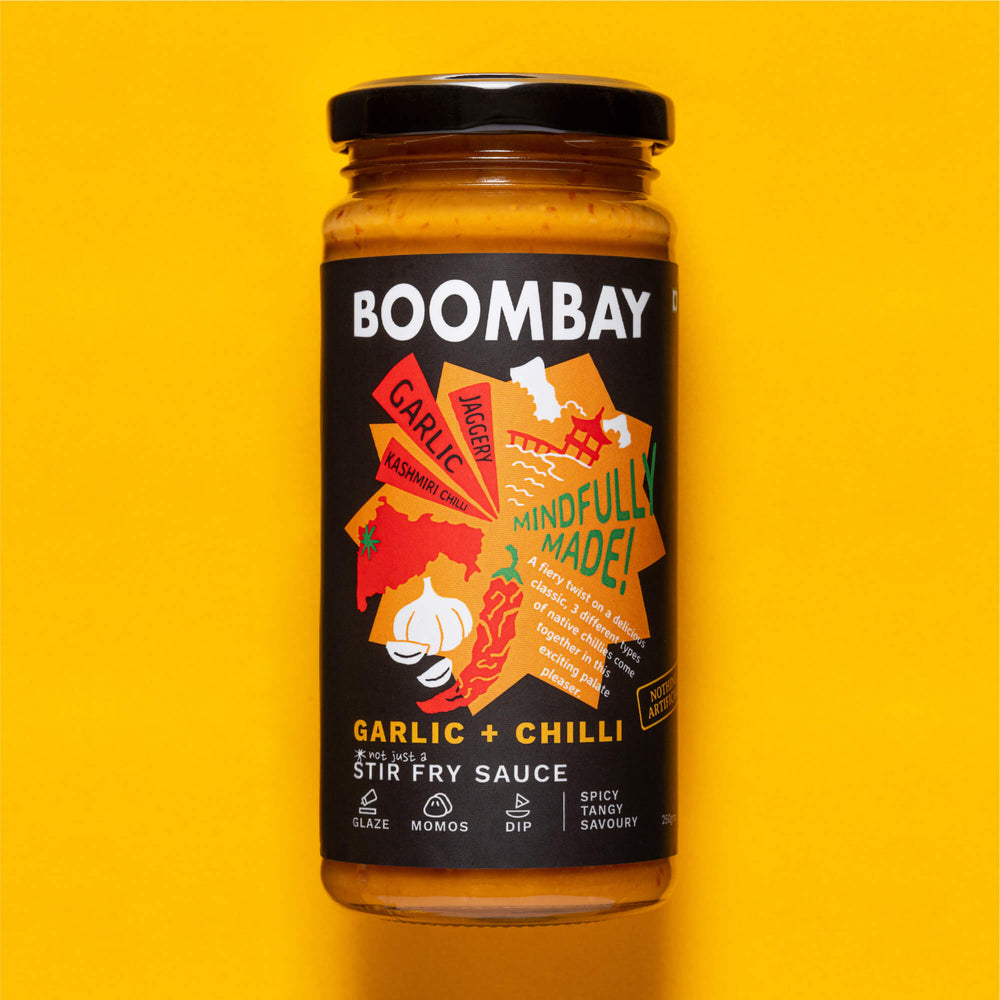
Say goodbye to boring meals because it's time to make tasty meals, the Boombay way. Shop the entire collection here and bring that boom of flavor to your kitchen.
Frequently Asked Questions
Q. Can I use these techniques for any vegetarian dish?
Yes. Umami works in curries, dals, rice dishes, dry sabzis, and even snacks like pakoras. Pick one technique and try it first.
Q. Do I need to buy expensive ingredients?
Not at all. Mushrooms, tomatoes, and tamarind are everyday ingredients. Miso and soy sauce cost a bit upfront but last for months.
Q. Will these flavors work with my regular spices?
Absolutely. Umami complements Indian spices without changing them. It just adds depth to flavors you already love.
Q. Can I combine multiple umami ingredients in one dish?
That's exactly what you should do. Combining different umami sources creates the most satisfying flavors.
Q. What's the easiest way to start?
Keep soy sauce, tomato paste, and mushrooms stocked in your kitchen. Add one to your regular recipe and notice the difference before trying more.