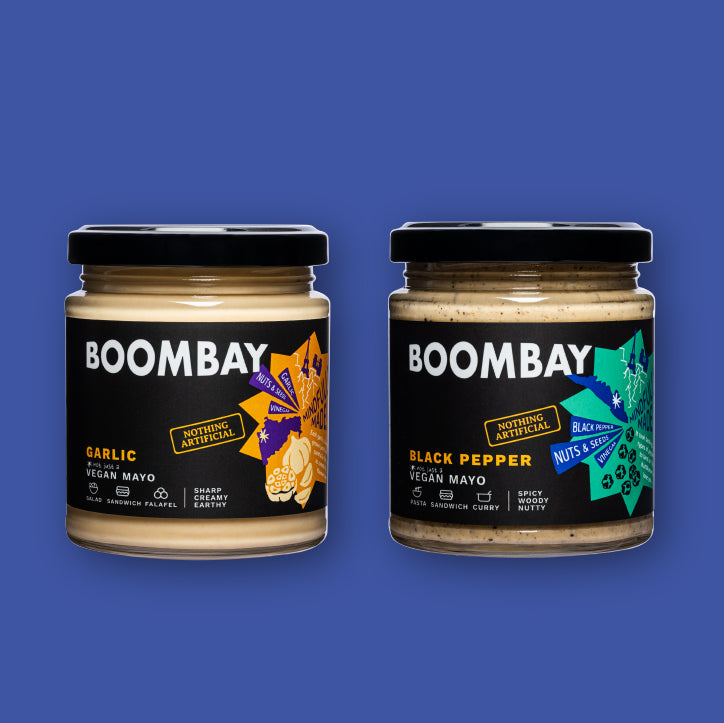
The sauce bottle looks perfect. Great photo on the label. Claims about being natural, healthy, or authentic. Then you flip it over, and the ingredient list reads like a chemistry experiment.
Most sauce labels are designed to hide problems, not reveal them. Words get rearranged. Serving sizes shrink. Health claims distract from ingredient realities.
Learning to read past the marketing takes five minutes, but saves you from buying garbage repeatedly.
Good sauces use real ingredients. Bad sauces use cheap substitutes and hope you won't notice. The label tells you which is which if you know what to look for.
Start With the Ingredient List
Everything else on the label is marketing. The ingredient list is factual, required by law to be accurate.
Order Matters
Ingredients appear in descending order by weight. The first three ingredients make up most of the product. If those first three are water, sugar, and modified corn starch, you're buying sugar water thickened with starch.
Good sauces list real ingredients first. Tomatoes in tomato sauce. Chillies in chilli sauce. Sesame oil in sesame dressing. When the main ingredient appears third or fourth, question what's taking up space ahead of it.
Recognizing Real Food
Ingredients should sound like food. Tomatoes, garlic, onions, spices, cold-pressed oils, vinegar. When you see words requiring a chemistry degree to pronounce, the sauce is heavily processed.
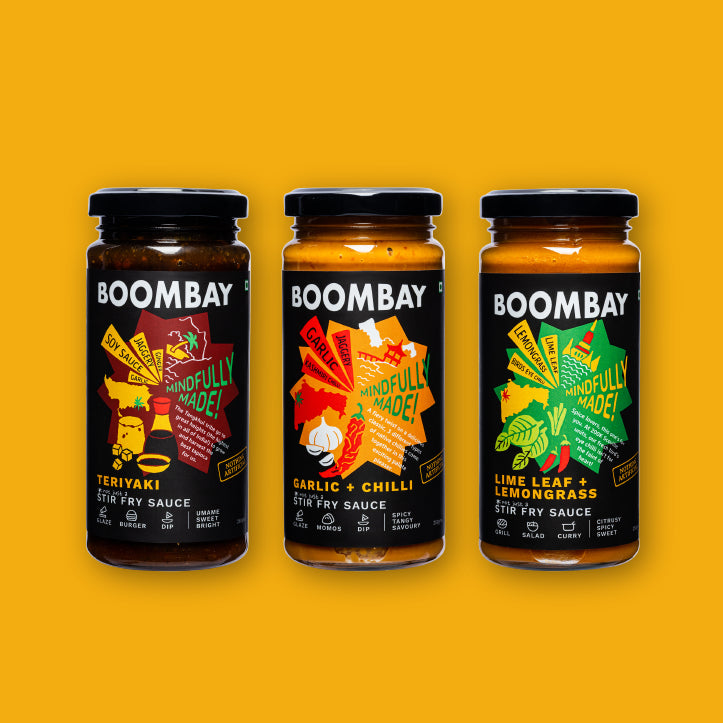
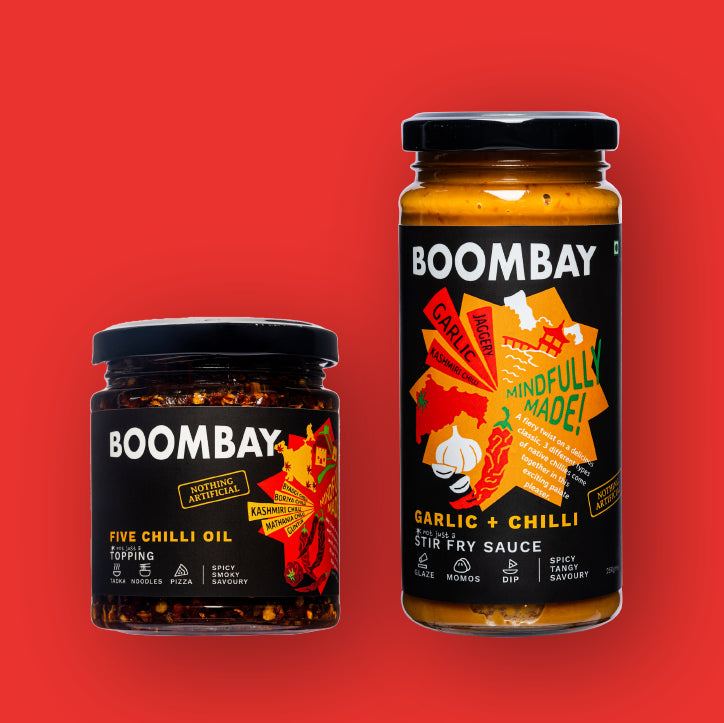
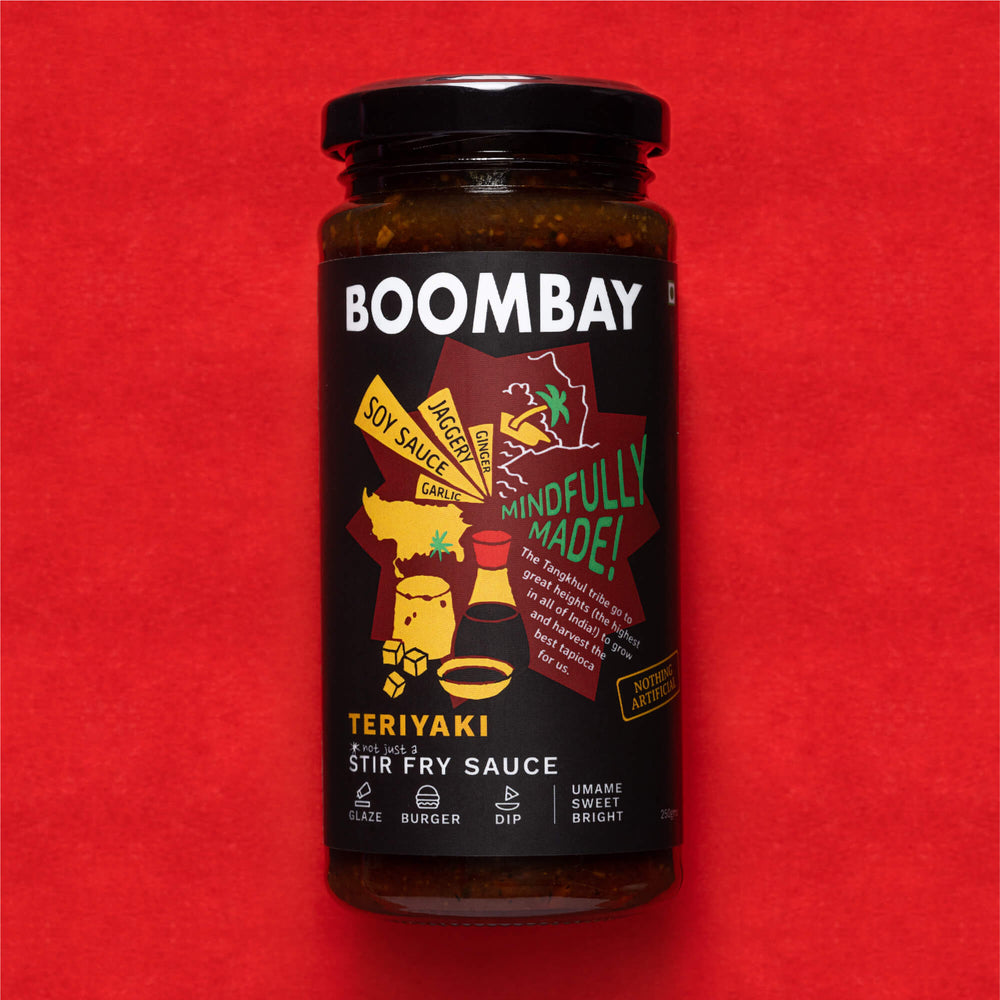
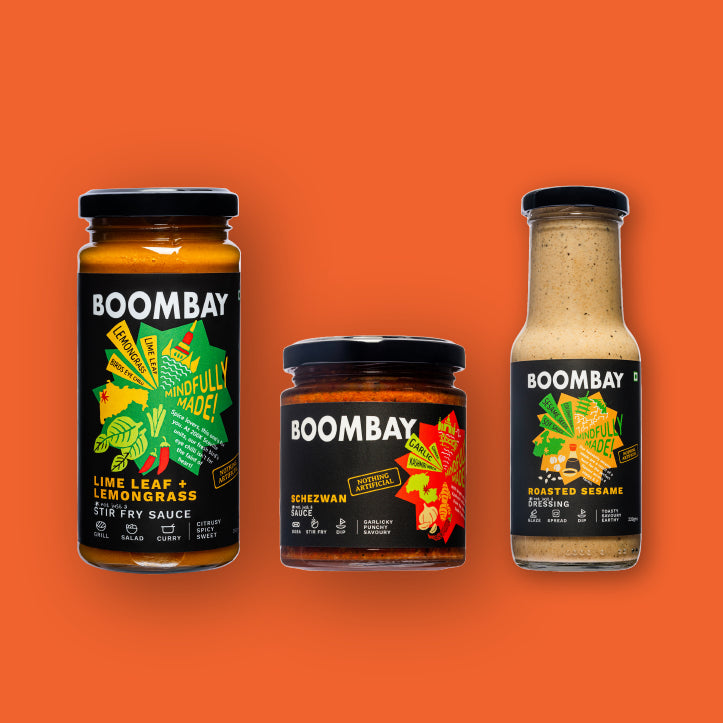
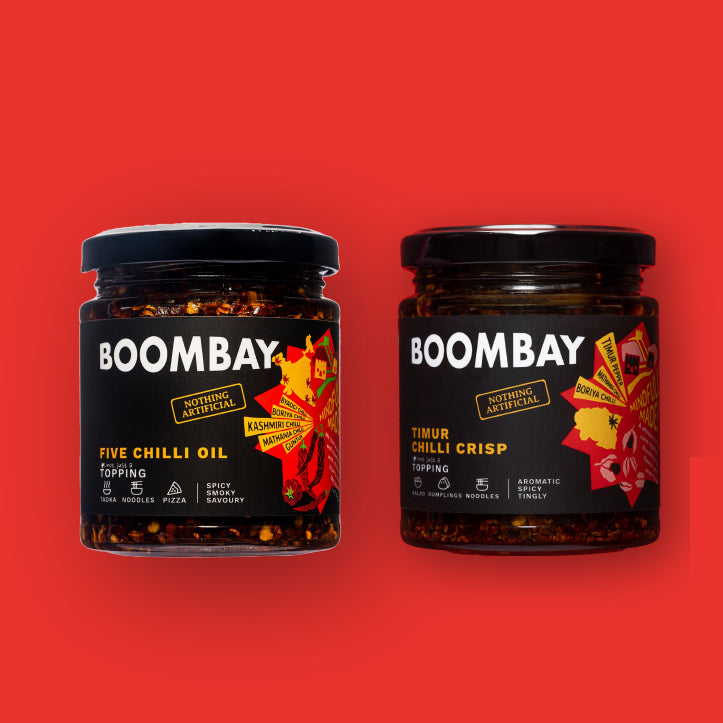
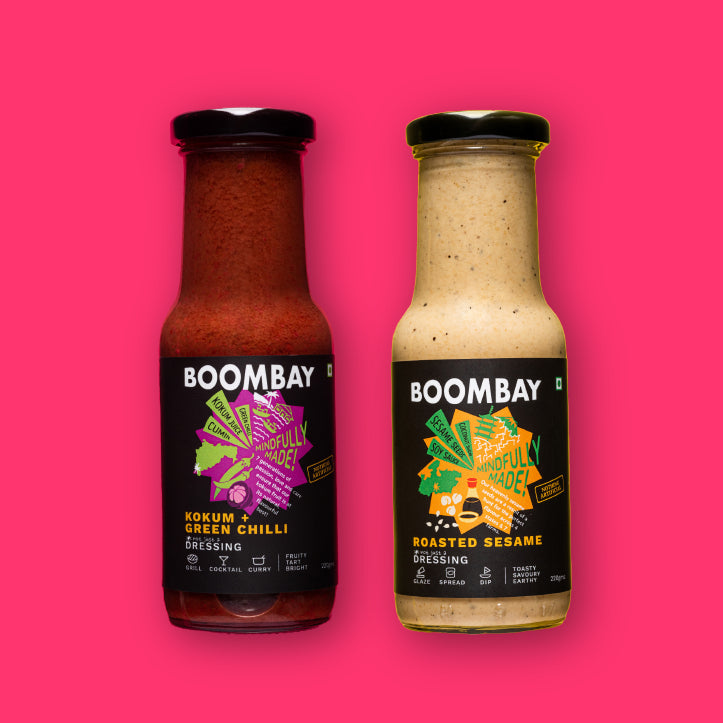
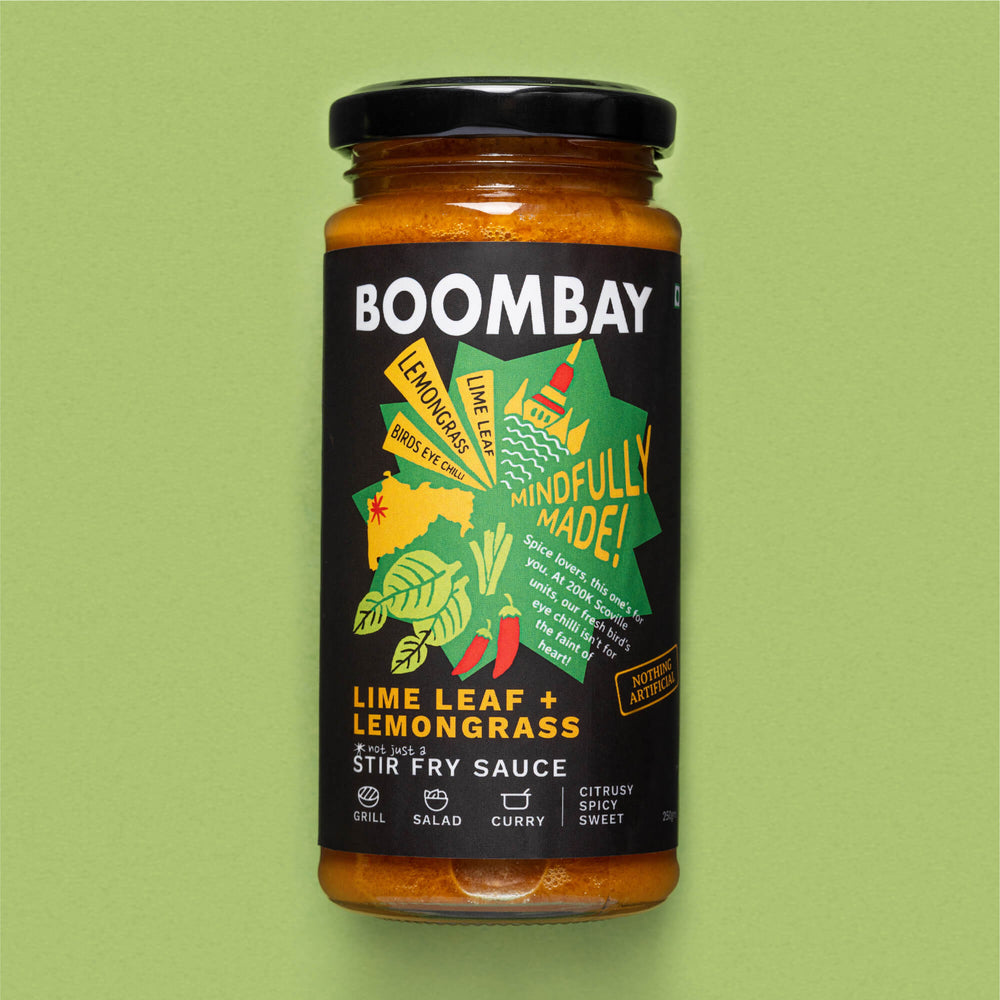
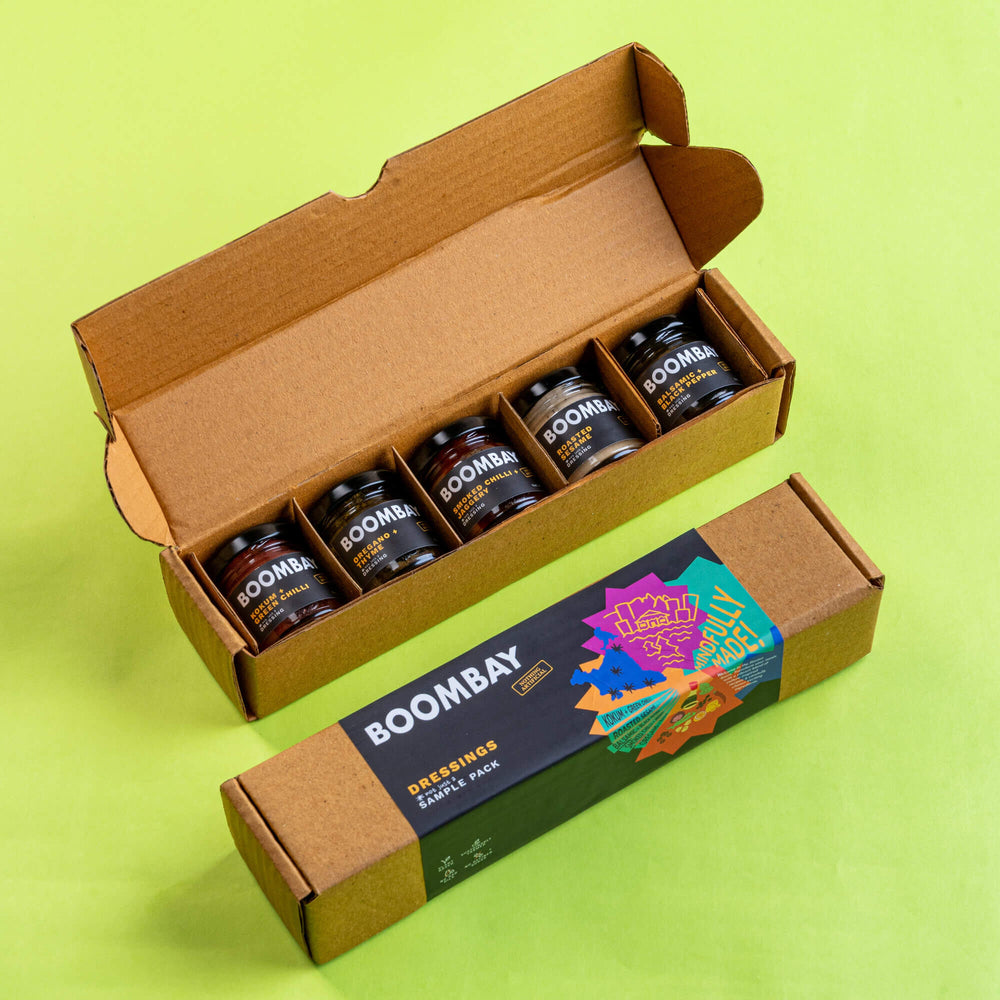
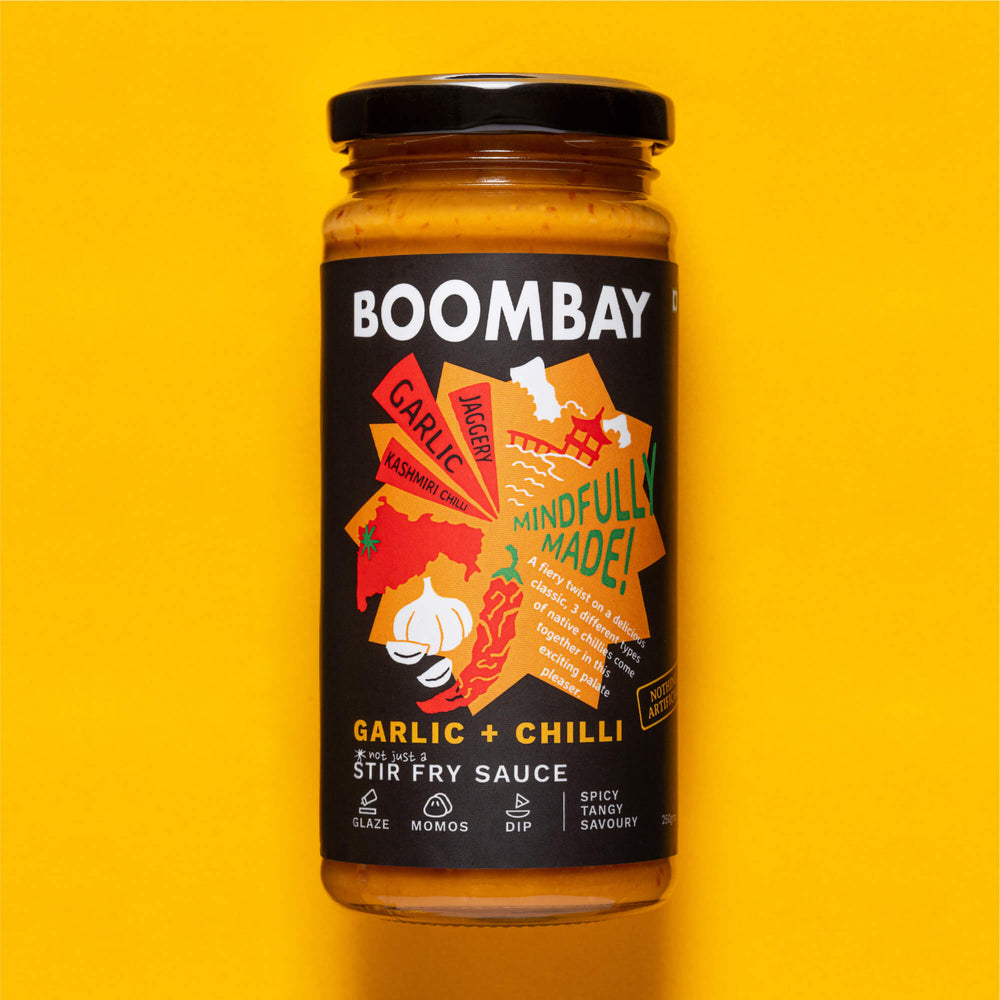
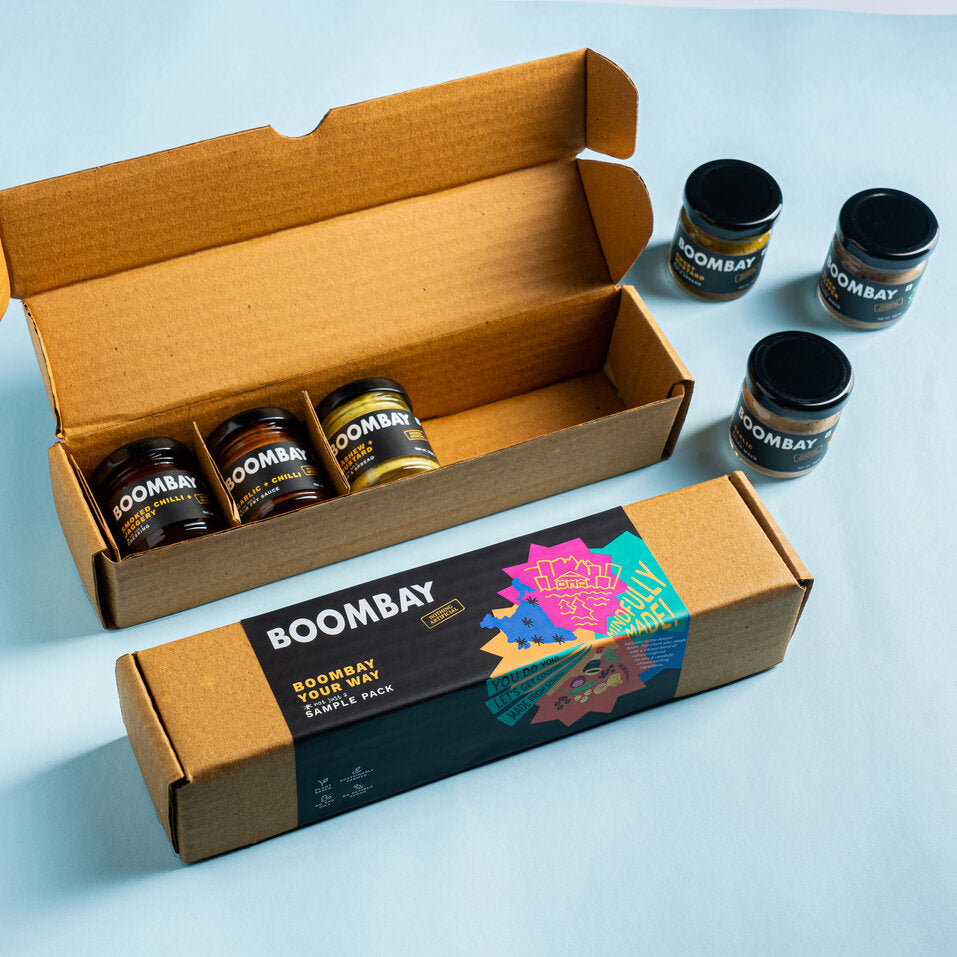
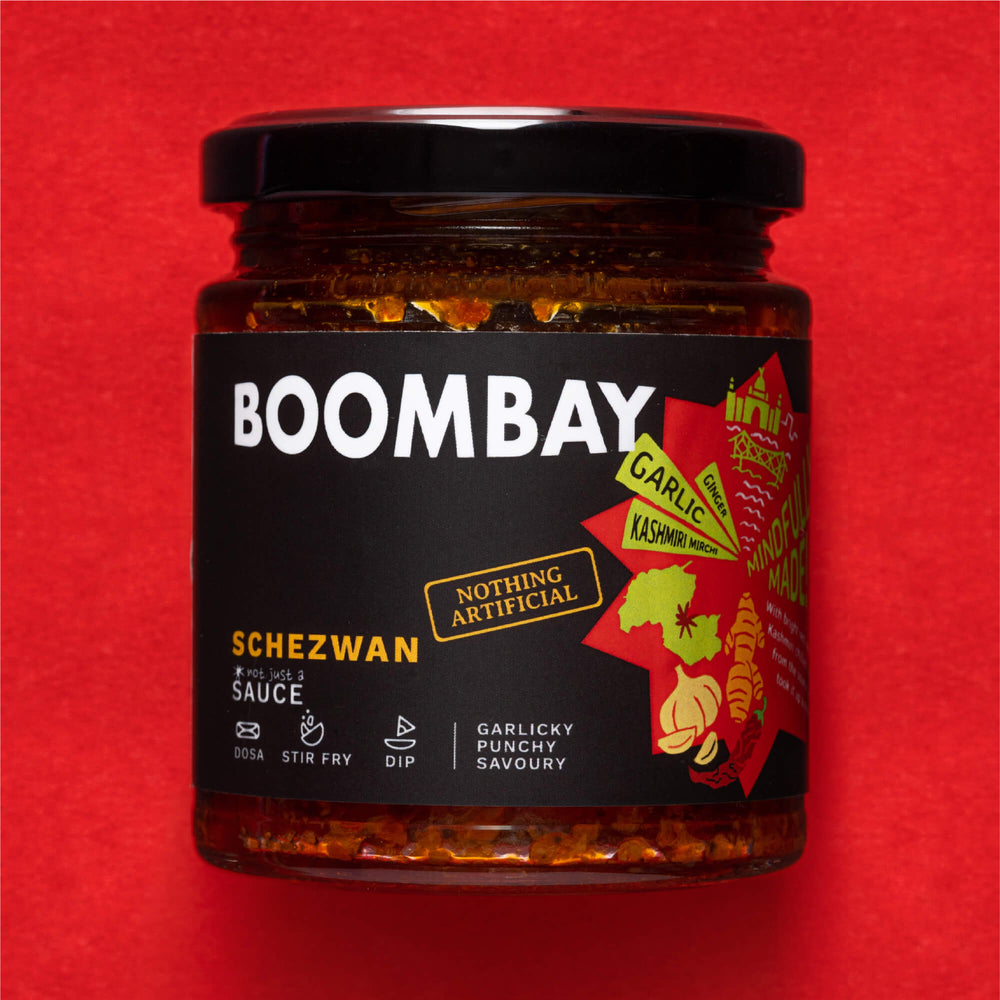
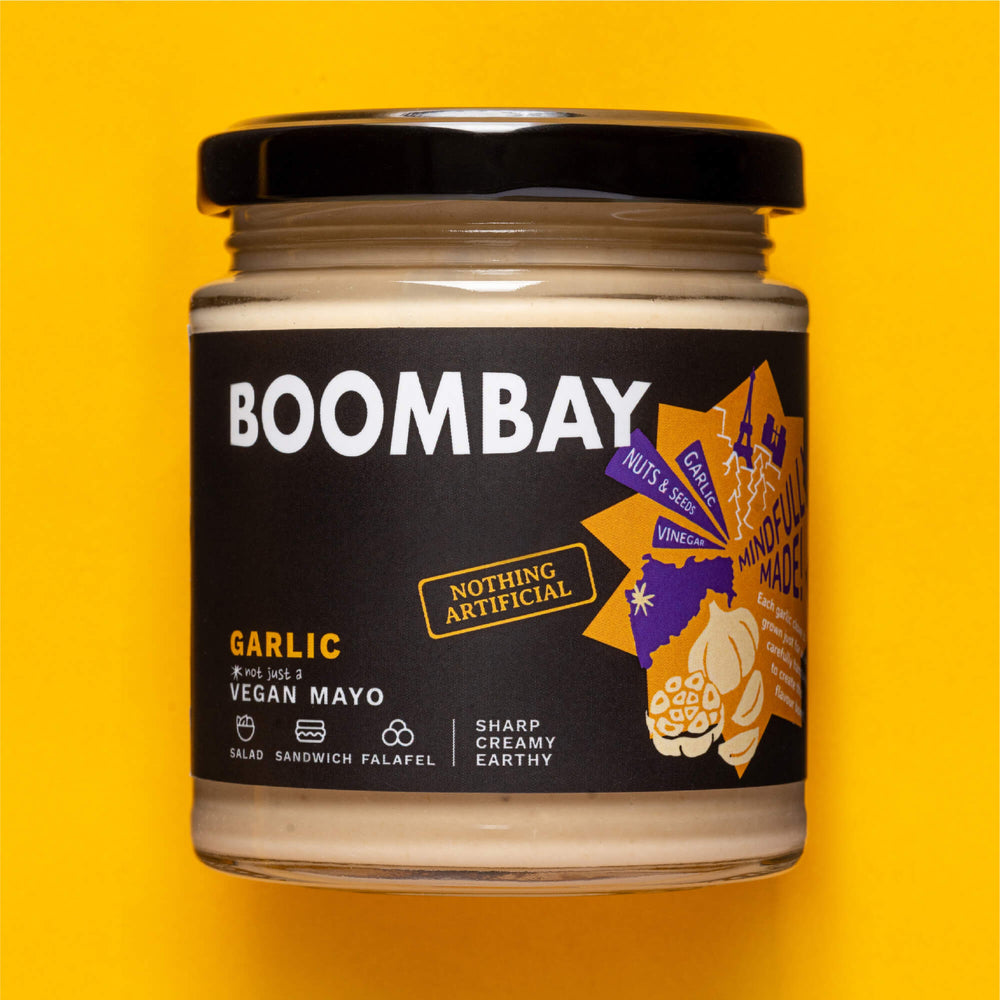
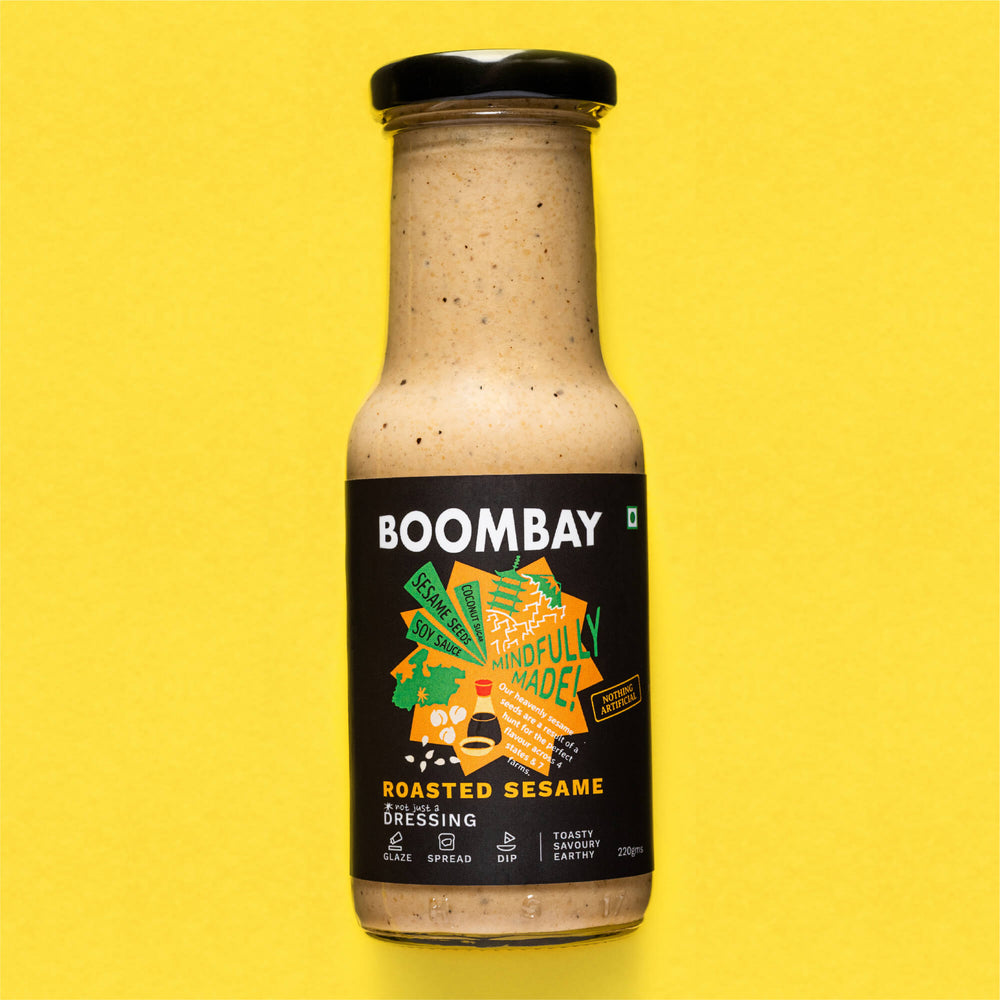
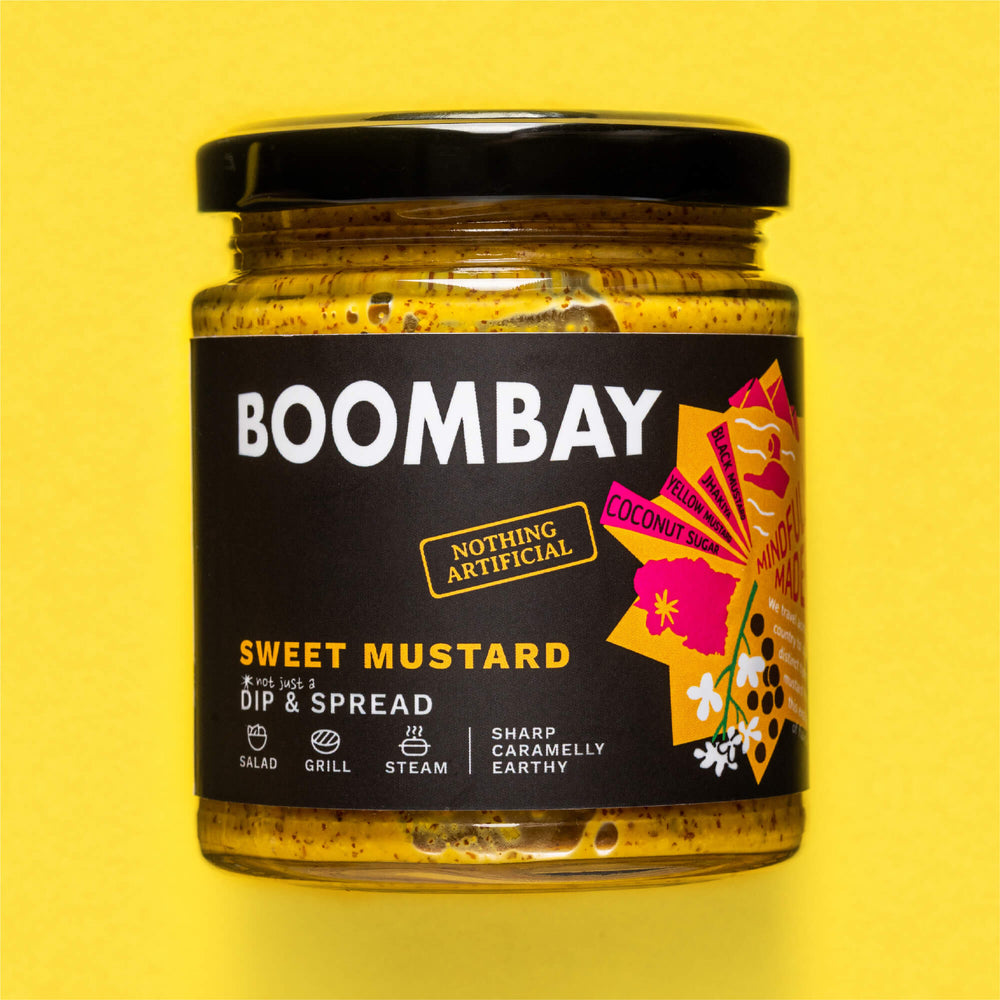
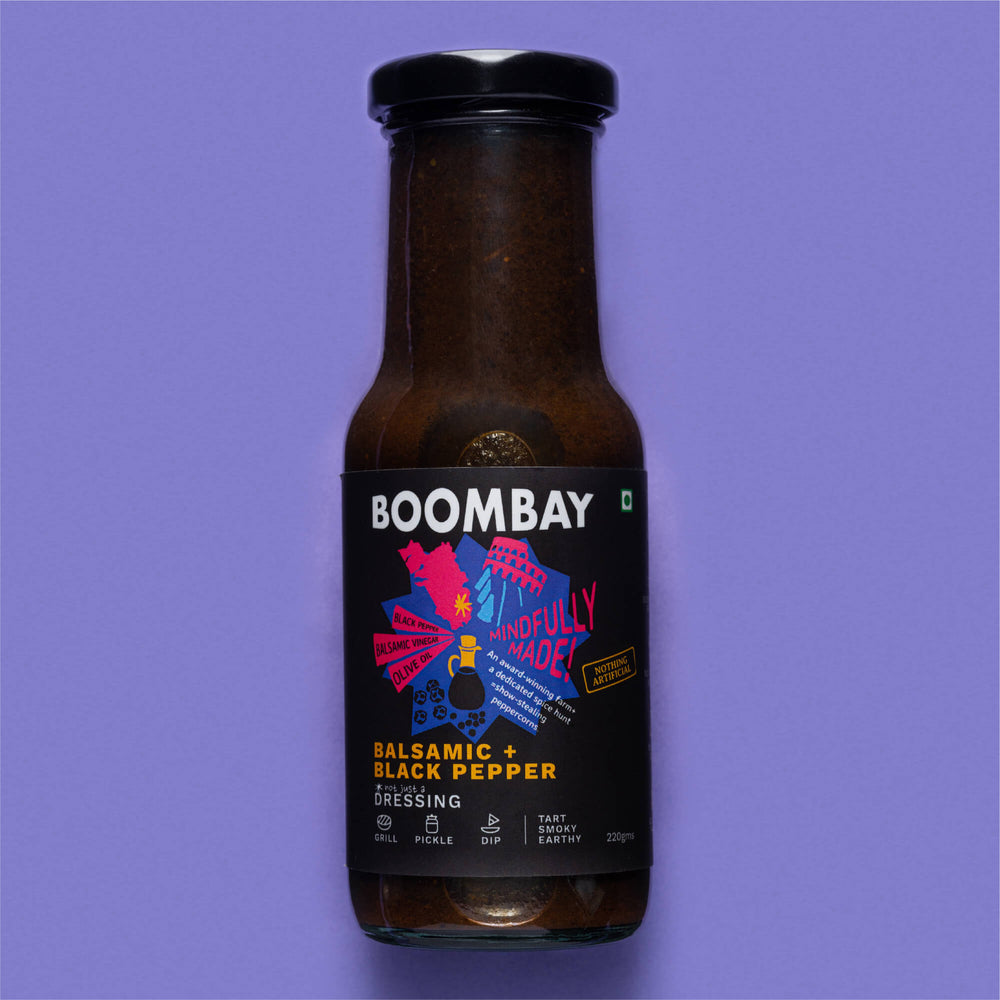
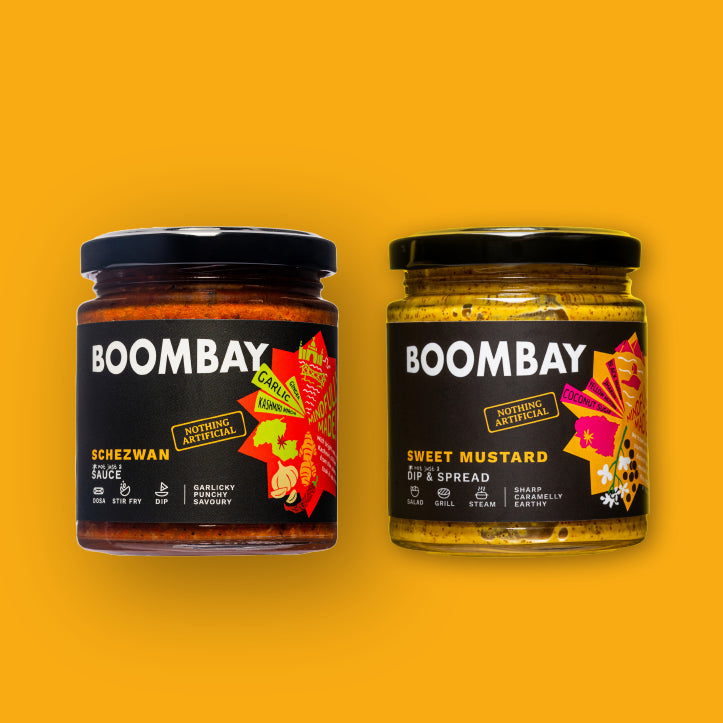
Boombay sauces use ingredients you'd use at home. No artificial colors. No synthetic preservatives. Just real food combined into a sauce.
Check for Sugar Hiding in Plain Sight
Sugar is the biggest trick in sauce labels. Brands know consumers avoid products with high sugar, so they hide it under different names and forms because it’s cheap. Most consumers don’t know how to read ingredient labels closely, which makes it even easier to sneak in.
Multiple Sugar Names
Instead of listing "sugar" once at high quantities, manufacturers split it across multiple forms. You'll see sugar, glucose syrup, high fructose corn syrup, dextrose, maltodextrin, and fruit concentrate all in one product.
Each appears lower on the ingredient list individually, making the total sugar content less obvious. Add them all together, and sugar might actually be the primary ingredient.
The "No Refined Sugar" Loophole
Products claiming "no refined sugar" often use honey, agave, fruit concentrates, brown sugar, raw sugar, or khandsari sugar instead. These are still sugars. Your body processes them similarly. The marketing makes them sound healthier without changing the fundamental nature.
Better sauces use minimal sweetness from jaggery or coconut sugar in small amounts. Dressings and sauces can be flavorful without relying on sugar to mask cheap ingredients.
Check the Nutrition Label
The ingredient list doesn't show amounts, but the nutrition panel does. Check "total sugars" per serving. Then check the serving size because that's where another trick happens.
A sauce might show 3g sugar per serving, which sounds fine. Then you notice the serving size is one teaspoon, and you normally use three tablespoons. Suddenly you're consuming 27g sugar, not 3g.
MSG and Flavor Enhancers
MSG (monosodium glutamate) isn't inherently evil, but brands that use it often do so to mask inferior ingredients. More importantly, they rarely label it clearly.
How MSG Hides
Look for "flavor enhancers," yeast extract, hydrolyzed vegetable protein, autolyzed yeast, or simply "natural flavors." All can contain MSG or MSG-like compounds without the label actually saying "MSG."
Some people genuinely react poorly to MSG. Others just prefer to know what they're eating. Either way, the label should be honest about it.
When "Natural Flavors" Isn't Natural
"Natural flavors" is a regulatory loophole big enough to drive a truck through. It means the flavor compound originally came from something natural, but it can be heavily processed. A "natural strawberry flavor" might never have seen an actual strawberry.
Quality sauces specify their seasonings. Real garlic. Actual ginger. Named spices like cumin or black pepper. Vague "natural flavors" usually mean something is being hidden.
Preservatives Worth Avoiding
Some preservatives are fine. Others raise questions. The label tells you which is which.
Chemical Preservatives
Sodium benzoate, potassium sorbate, and sulfites extend shelf life at the cost of flavor and potentially health. Products using these often prioritize long shelf life over quality.
Well preserved, clean sauces like those from Boombay can achieve a 12 month shelf life, especially with proper formulation and packaging. Shelf life alone does not determine how clean or high quality a product is. Instead of assuming, it is worth understanding what preservation methods and ingredients are being used.
Natural Preservation Methods
Vinegar, salt, and acidity naturally preserve sauces. These appear as actual ingredients (coconut vinegar, sea salt) rather than chemical codes.
High-quality oils also help preserve sauces without additives.
Oil Quality Indicators
The type of oil used reveals a lot about sauce quality.
Refined vs. Cold-Pressed
"Vegetable oil" or "refined oil" are red flags. These are cheap, flavorless oils stripped of character. They serve as cheap fillers rather than flavor contributors.
Cold-pressed oils (sesame, sunflower, olive) cost more but taste significantly better. Brands using quality oils mention them proudly on labels.
Palm Oil
Palm oil is cheap and shelf-stable, making it popular in processed foods. Look for it hiding in ingredient lists. Some people avoid it for environmental reasons. Others just want better-tasting sauces that don't use the cheapest possible oils.
Color and Texture Additives
Sauces should get color from ingredients, not additives.
Artificial Colors
Look for color codes like Tartrazine (Yellow 5) or Sunset Yellow (Yellow 6). These make sauces look appealing while contributing nothing to flavor.
Good sauces get color from real ingredients. Tomatoes make red sauce red. Chillies provide red or orange hues. Turmeric adds yellow naturally.
Thickeners and Stabilizers
Some thickeners are fine (cornstarch, arrowroot, potato starch and tapioca starch). Others suggest the sauce is mostly water held together with gums. Xanthan gum, guar gum, and modified food starch all stabilize cheap products.
Quality sauces achieve proper consistency through ingredient ratios and cooking methods rather than added thickeners.
Marketing Claims to Question
Front label claims often distract from ingredient realities.
"All Natural"
This term is barely regulated. It can mean almost anything. Always read the ingredient list rather than trusting this claim.
"Healthy" or "Nutritious"
Without context, these words are meaningless. Compared to what? Based on which nutrients? Marketing teams use them freely because regulations are loose.
“Small Batch”, "Artisanal" or "Handcrafted"
These suggest small-batch quality but often just mean expensive. Check ingredients to see if the price matches the quality.
Reading Between the Lines
Some clues require interpretation rather than direct reading.
Short Ingredient Lists Win
Five to ten real ingredients beat twenty ingredients any day. Complexity in sauces should come from technique and quality ingredients, not long lists of additives.
Boombay products maintain honest ingredient lists. What you read is what you get.
Specific Beats Generic
"Coconut vinegar" beats "vinegar." "Cold-pressed sesame oil" wins over "vegetable oil." Specificity indicates quality and transparency.
Making Better Choices
Armed with label-reading skills, sauce shopping becomes straightforward.
Your Checklist
Real ingredients in the first three positions. Minimal or no refined sugars. No artificial colors or flavors. Named oils rather than generic "vegetable oil." Short ingredient lists with recognizable items.
If a sauce checks these boxes, it's probably worth trying regardless of price point.
When to Spend More
Better ingredients cost more. Brands charging premium prices while using refined oils and sugar syrup are overpriced. Brands charging more for cold-pressed oils, real spices, and no additives are fairly priced.
Shop quality sauces here that use real ingredients honestly.
Frequently Asked Questions
Q. Is MSG actually harmful?
MSG is generally recognized as safe for most people. Some individuals report sensitivity. The bigger issue is that brands using MSG often do so to mask lower-quality base ingredients.
Q. How much sugar in the sauce is too much?
Context matters. A tablespoon of sauce with 2-3g sugar is reasonable. One with 10g+ sugar per tablespoon is essentially a dessert sauce, not a cooking ingredient.
Q. Are all preservatives bad?
No. Vinegar and salt preserve naturally and add flavor. Chemical preservatives like sodium benzoate work but often come in products prioritizing shelf life over taste.
Q. What does "cold-pressed" oil mean?
Cold-pressed oils are extracted without heat or chemicals, preserving flavor and nutrients. Refined oils use heat and solvents, stripping character in exchange for longer shelf life.
Q. Do sauces need to be organic to be healthy?
Organic is one factor, but ingredient quality matters more. A non-organic sauce with real ingredients beats an organic sauce with refined sugar and artificial flavors.
Q. How can I tell if a sauce has hidden MSG?
Look for yeast extract, hydrolyzed protein, autolyzed yeast, or vague "natural flavors." These can all contain MSG compounds without explicit labeling.