The party is three hours away. Guests are coming. Chips are bought. Then the dip question hits, and suddenly you're staring into the fridge, wondering if you have time to make hummus from scratch or if grabbing jars from the store makes you a bad host.
Neither choice makes you a bad host. What makes you a bad host is serving dips that taste like packaging material because you stressed about making everything from scratch and ran out of time.
Or serving store-bought dips that taste like chemicals because you grabbed the cheapest options.
Good dips make parties work.
People gather around them.
Conversations happen. The right spread of dips, whether homemade or store-bought, keeps everyone happy while you actually enjoy your own party.
When Store-Bought Dips Win
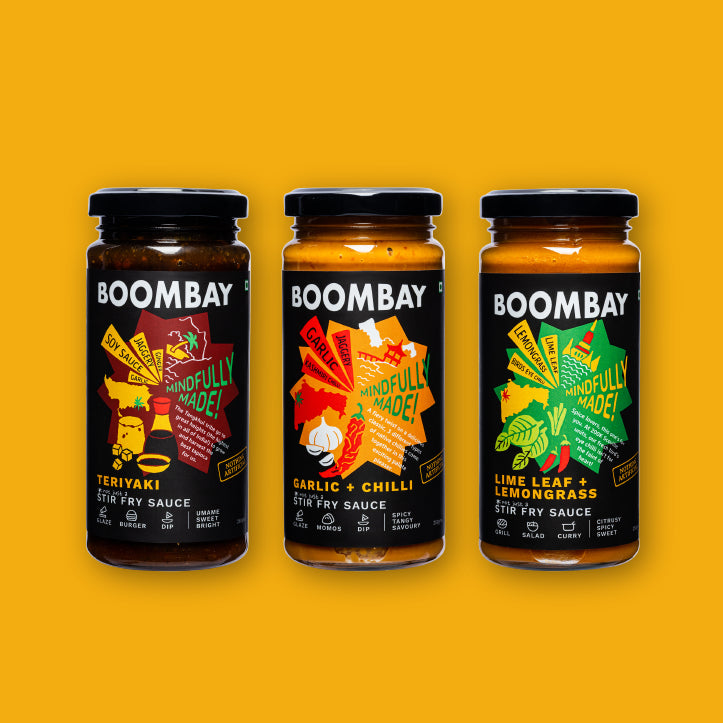
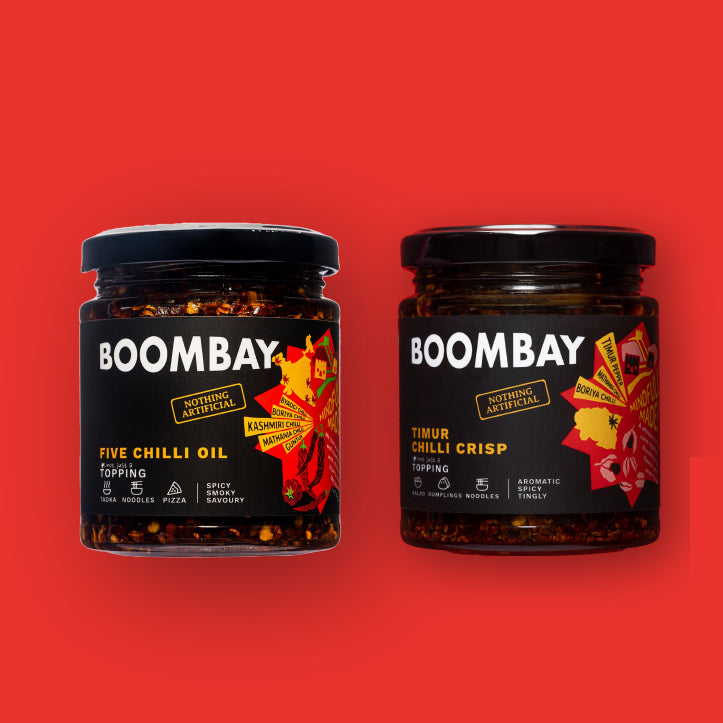
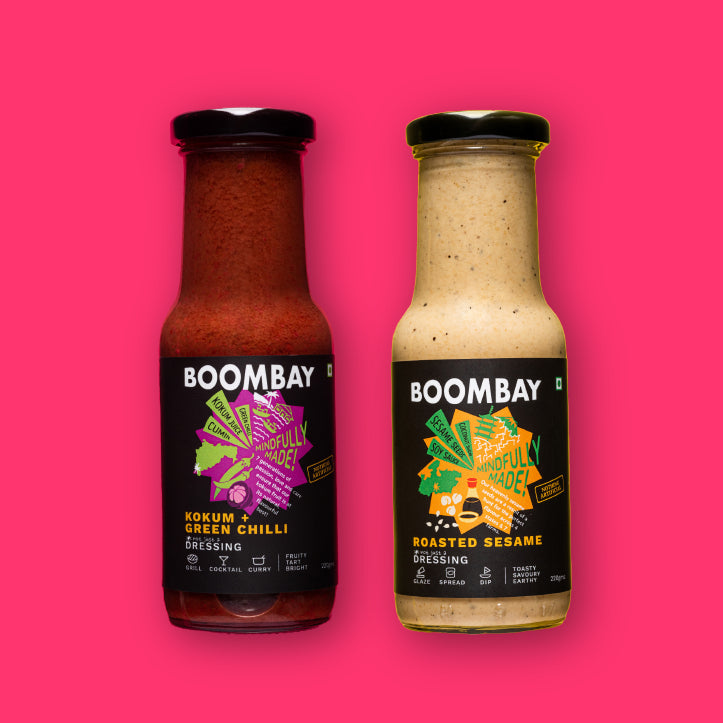
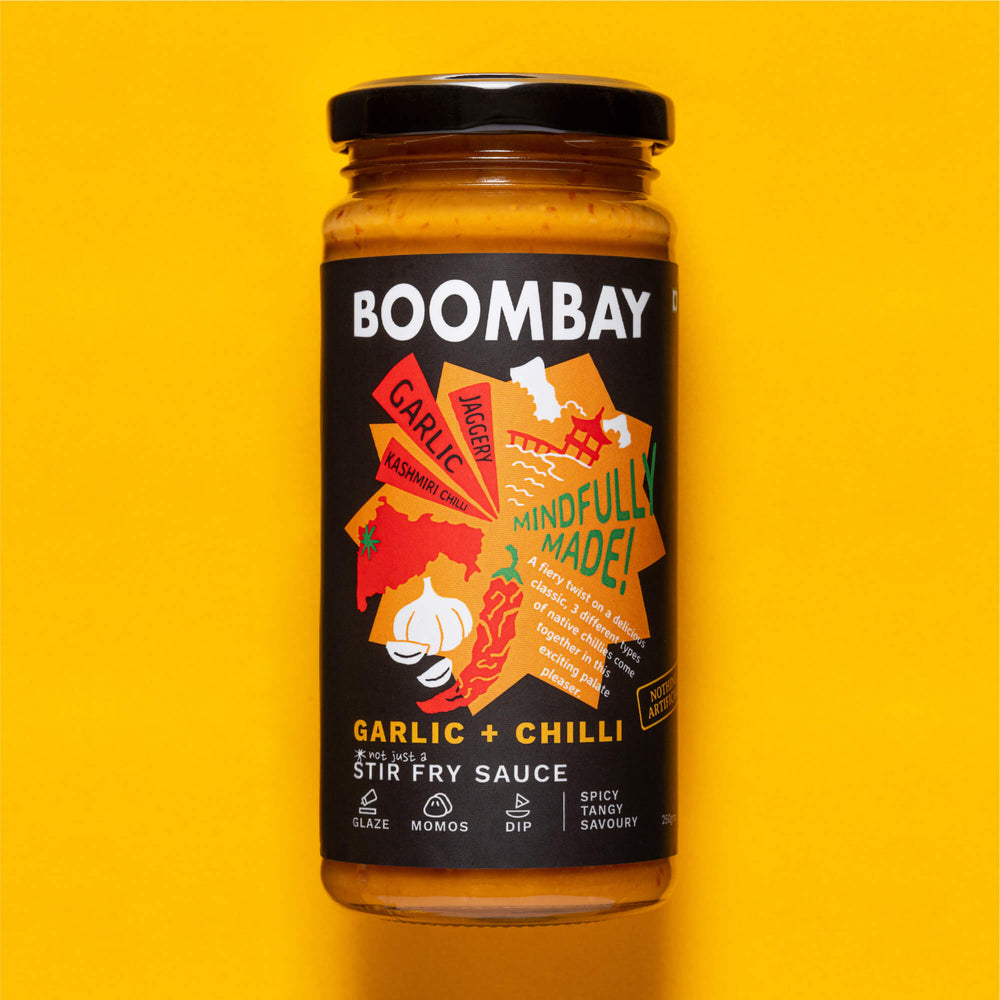
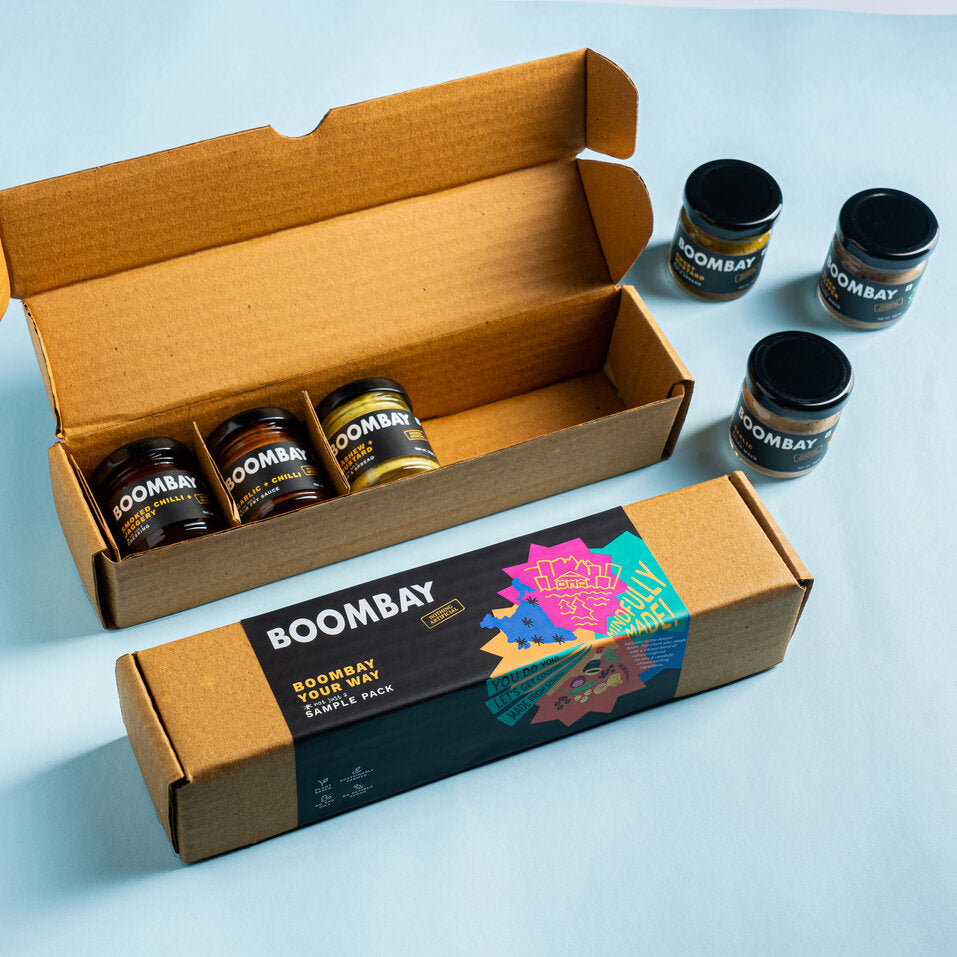
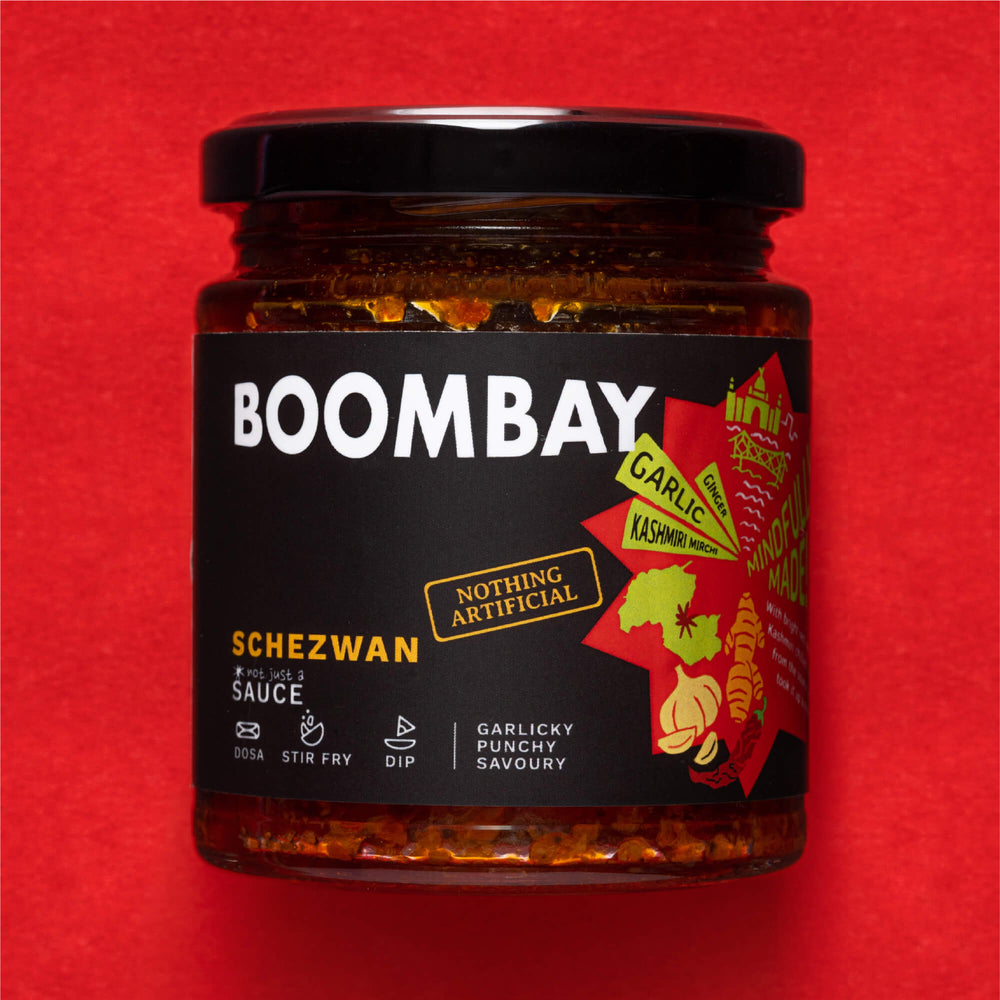
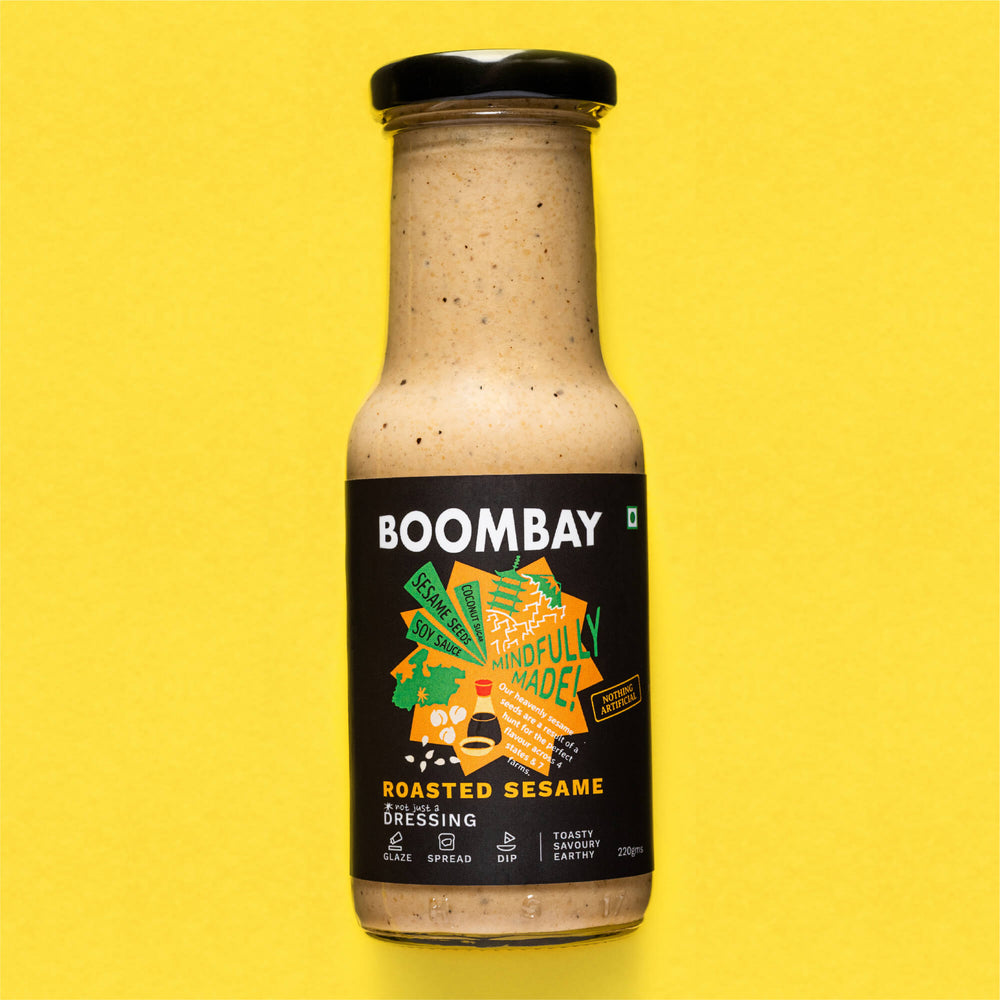
Mornings when you're already cleaning, arranging furniture, and managing seventeen other tasks don't leave room for chopping vegetables and toasting spices for an hour. Ready-made dips from reliable brands like Boombay taste better than rushed homemade attempts every single time.
Time Is Actually Limited
Making dips from scratch takes longer than recipe blogs admit. Soaking cashews for vegan cheese dip. Roasting eggplant for baba ganoush. Waiting for flavors to meld. Add it all up, and you've easily spent close to an hour.
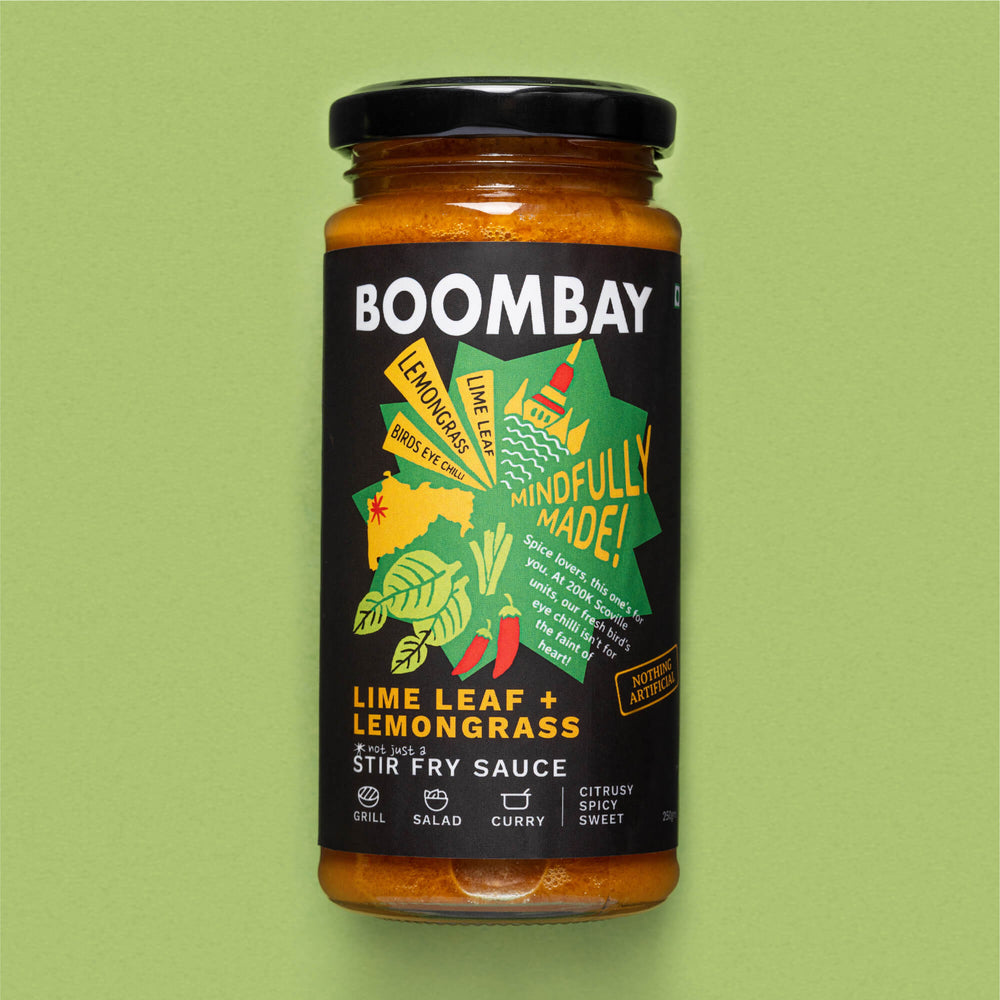
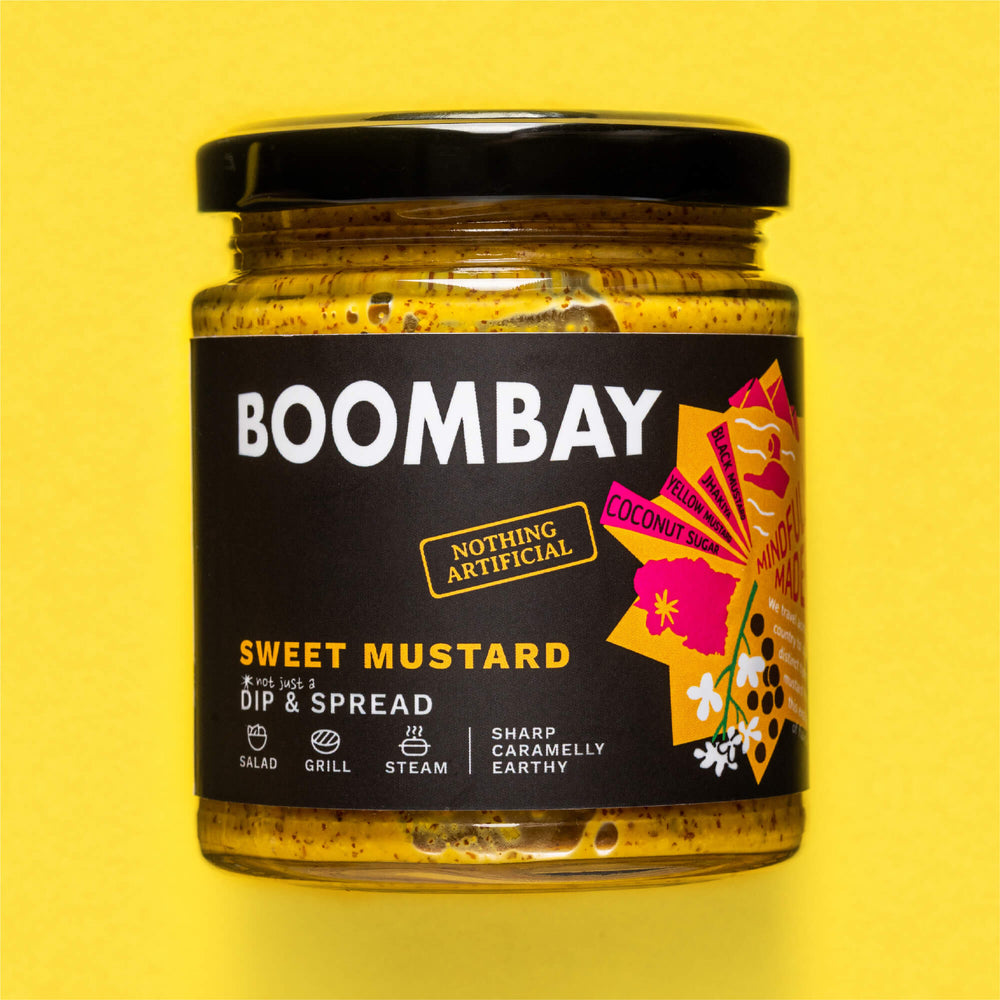
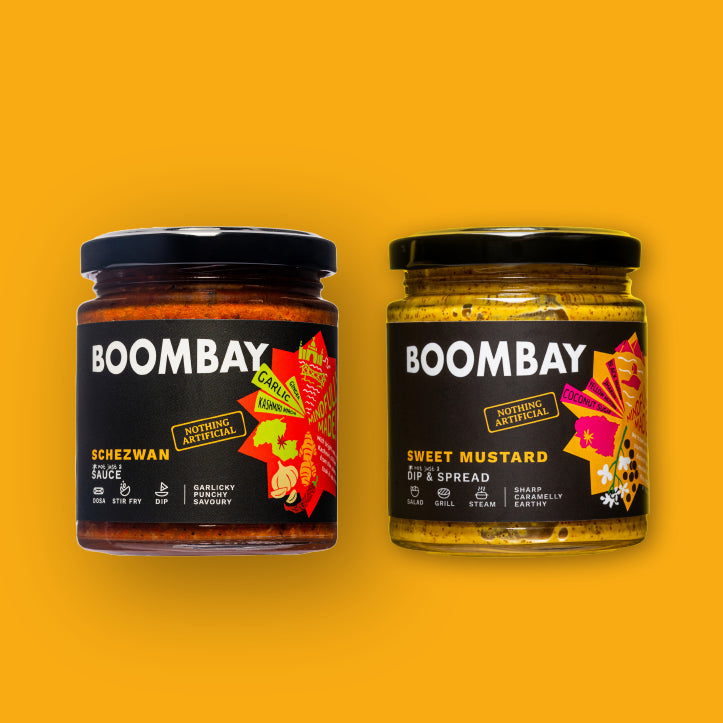
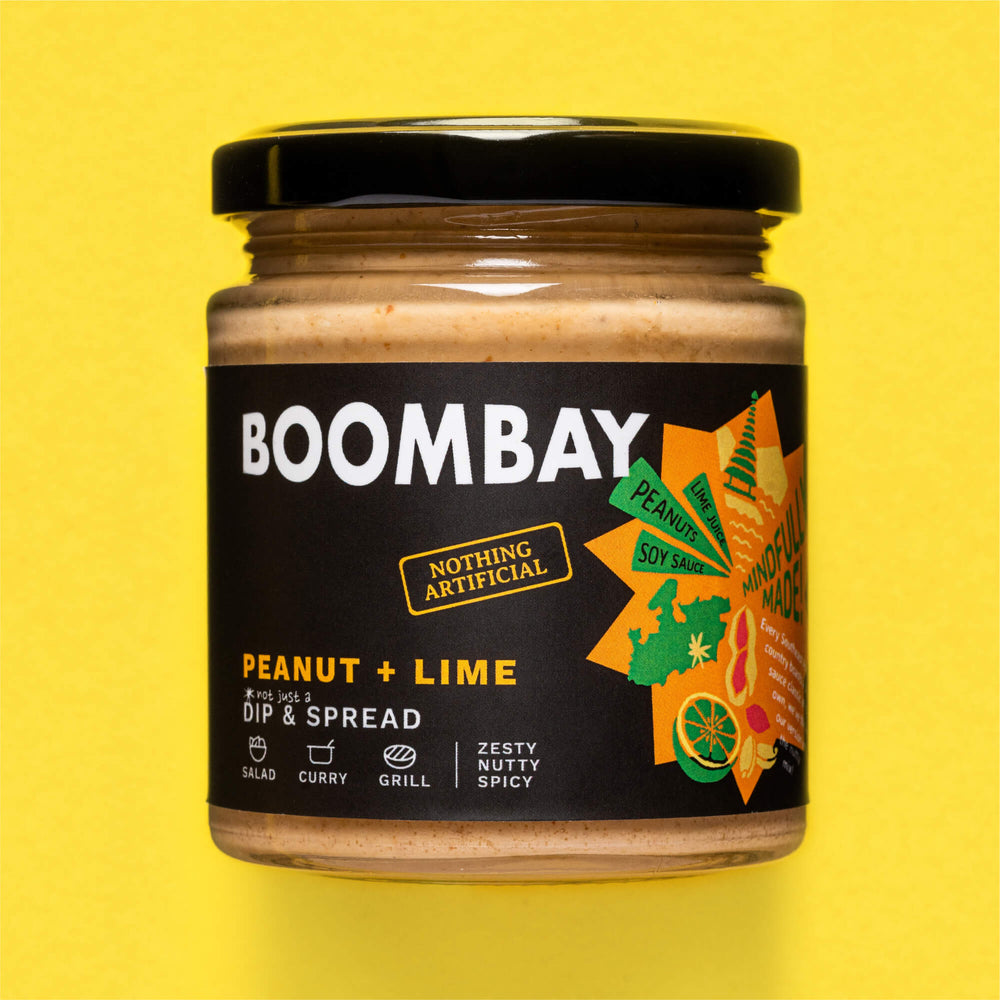
Quality store-bought options deliver consistent flavor in the time it takes to open a jar. Peanut + Lime dip brings Thai-inspired flavor without the food processor cleanup. Sweet Mustard works as both a dip and a spread, saving you from making two different items.
Consistency Actually Matters
Homemade hummus can vary from batch to batch, but that freshness is part of what makes it special. When it's made fresh, the texture is smoother and the flavor is brighter. Store-bought hummus can sometimes have a chalky finish, so making it at home is usually the better option, especially if you want the best taste and texture.
Commercial brands test recipes extensively. The texture holds up under chips without getting watery. The flavors balance professionally. You're buying reliability along with convenience.
When Homemade Dips Make Sense
Some dips genuinely taste better fresh. Guacamole sits at the top of that list. Fresh avocado, lime juice, chopped onions, and cilantro come together in five minutes and beat every jarred version convincingly.
Fresh Ingredients Shine Here
Hot spinach artichoke dip bubbling straight from the oven. Seven-layer dip with fresh vegetables layered just before serving. Buffalo chicken dip with actual shredded chicken. These benefit from being assembled and served immediately.
The cheese melts perfectly. Everything bubbles at the edges. The aroma fills the room. You can't get that from a jar, no matter how good the brand.
Recipe Control Matters
Making dips yourself means adjusting flavors to match your crowd. Less heat for mixed groups who might not handle spice. More garlic for close friends who appreciate bold flavors. Dairy-free versions for vegan guests. That flexibility only comes with homemade.
You also control ingredient quality. Fresh herbs instead of dried. Real butter instead of margarine. Cold-pressed oils rather than refined versions. Those choices impact flavor significantly.
The Smart Approach
Successful party hosts don't choose between store-bought and homemade. Smart hosts use both strategically, matching each dip to what works best.
Start With Quality Bases
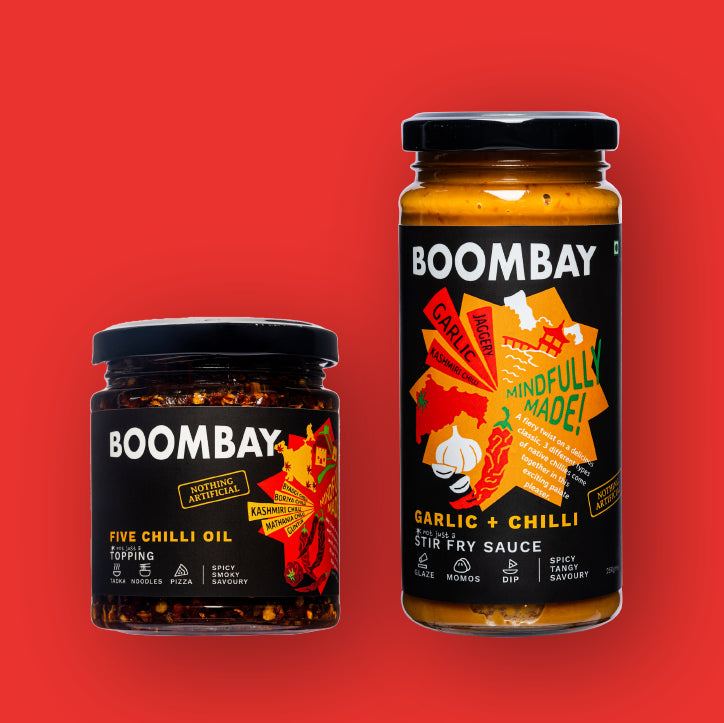
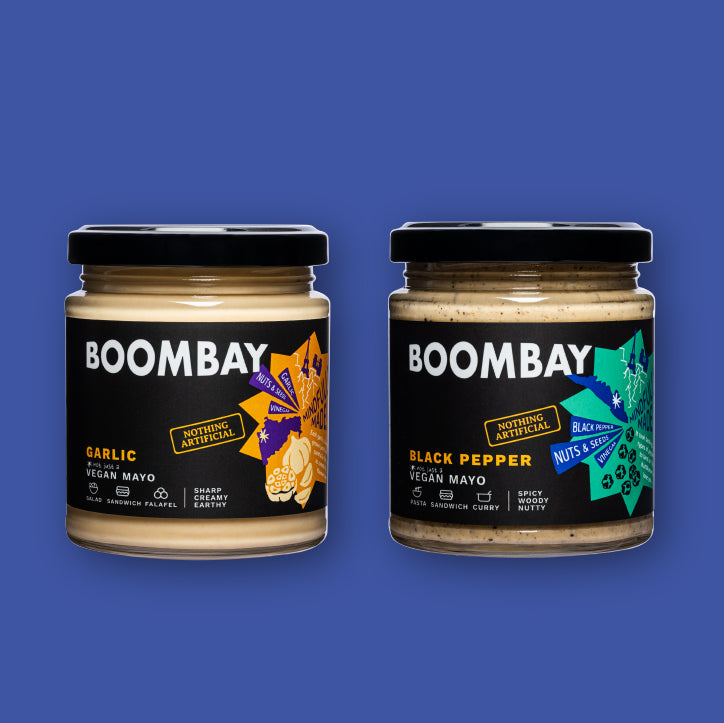
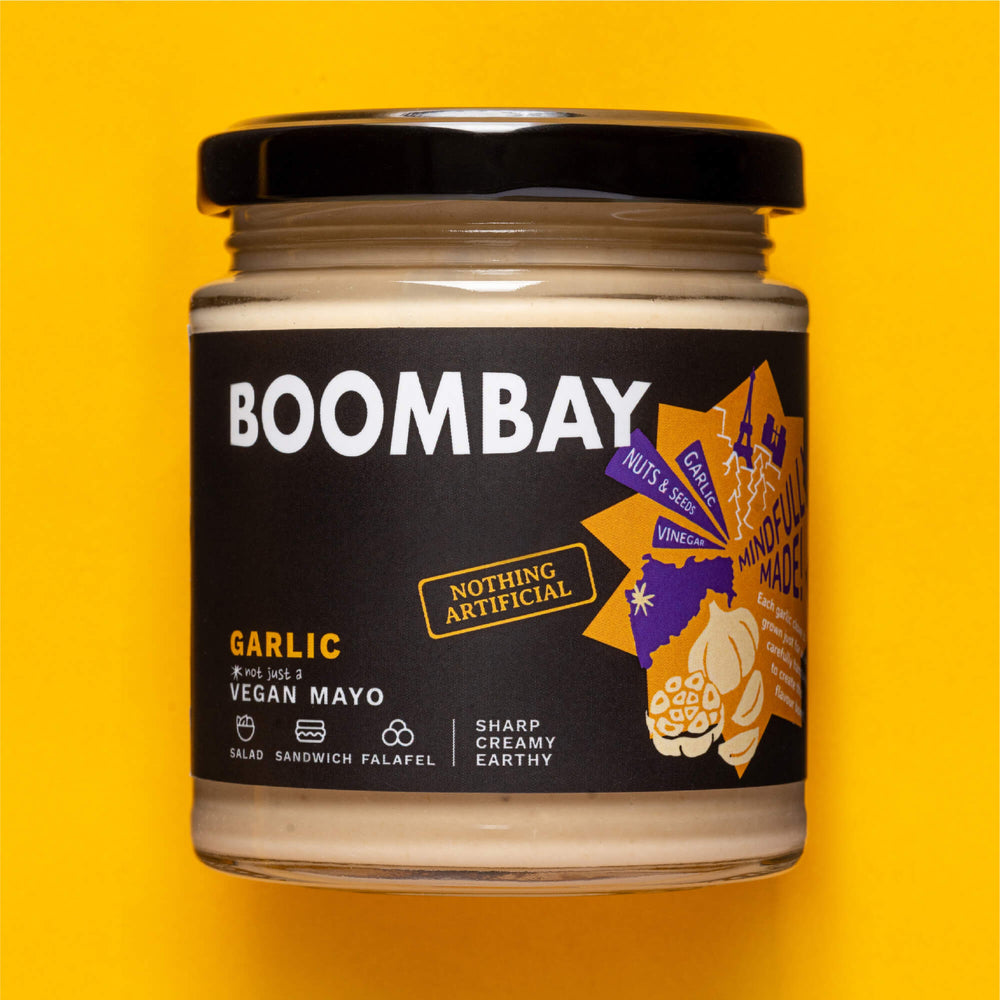
Use store-bought sauces as foundations, then customize. Garlic Vegan Mayo becomes an instant aioli with fresh herbs and lemon juice. Regular hummus transforms with a swirl of Chilli Oil on top.
Starting with quality products saves time while keeping flavors interesting. Add fresh chopped vegetables to store-bought cheese dip. Stir crispy bacon into commercial onion dip. Small touches make basic options feel special.
Mix and Match Strategy
Offer both homemade and store-bought options. Make one showstopper dip from scratch, then round out the spread with quality purchased dips. Guests rarely notice which is which when everything tastes good.
Focus your energy on dips that benefit most from being fresh. Buy the rest. Nobody judges you for serving excellent store-bought hummus alongside your legendary homemade queso.
What to Look For in Store-Bought Dips
Reading labels matters more than reading marketing claims. Ingredient lists tell the real story.
Ingredients Come First
Skip dips with ingredient lists longer than a paragraph. Too many stabilizers, thickeners, and flavor enhancers signal low quality. Good dips use recognizable ingredients that you'd use at home.
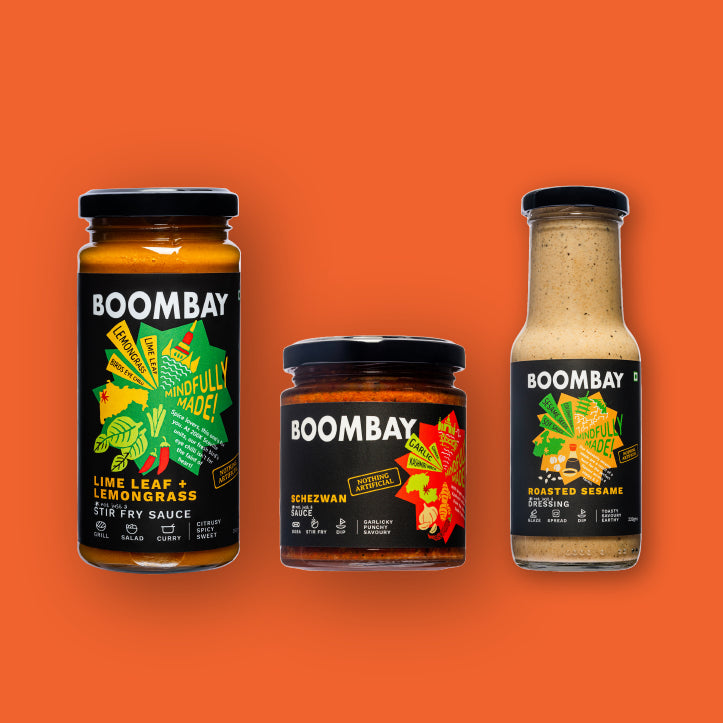
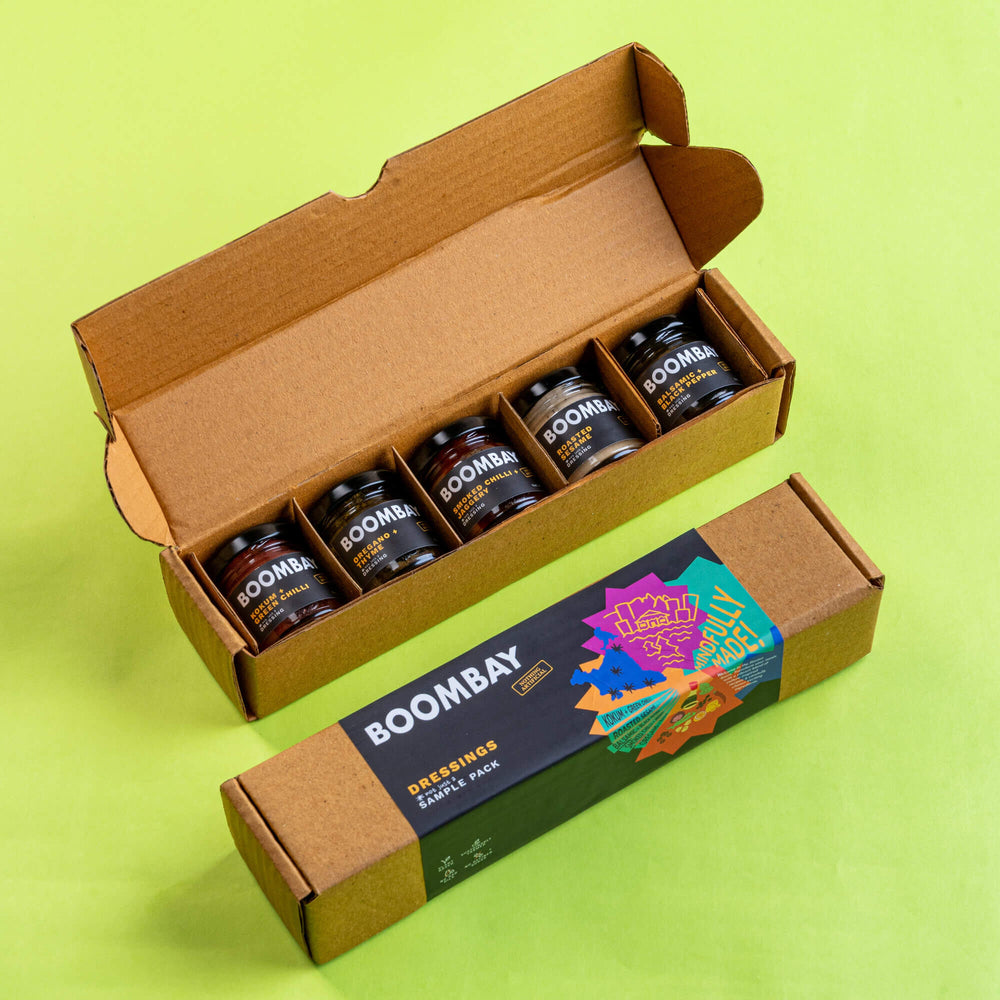
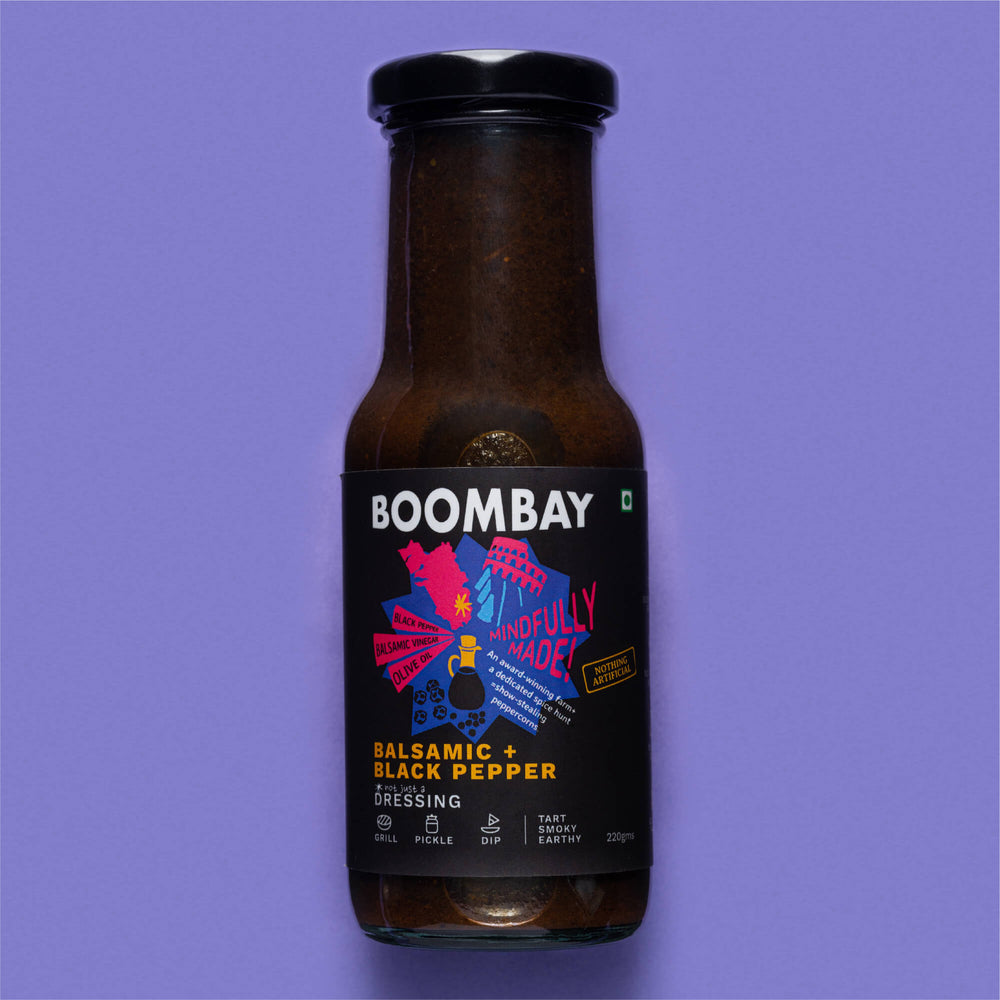
Check for cold-pressed oils, real spices, and minimal additives. Brands like Boombay make dips and spreads with ingredients you can actually pronounce. No refined sugars. No artificial anything.
Taste Tests Help
Buy small containers of new brands before committing to party-sized tubs. Not all store-bought dips taste good, and one bad option can sink a snack table faster than you'd think.
Look for refrigerated dips rather than shelf-stable when quality matters. Fresh ingredients require cold storage. If a dip sits unrefrigerated for months, ask yourself what's preserving it.
Party Planning Strategy
Successful dip spreads come from knowing your crowd and planning accordingly.
Know Your Audience
Small gatherings of close friends tolerate experimental homemade dips. Large mixed crowds need reliable options that appeal broadly. Match your dip strategy to the party size and guest list.
For casual hangouts, one or two homemade dips work great. For big events, lean heavily on store-bought with maybe one special homemade option as the centerpiece.
Presentation Counts
Transfer store-bought dips to nice bowls. Add fresh garnishes like chopped herbs, toasted nuts, or drizzled olive oil. Nobody needs to know the dip came from a jar if the presentation looks intentional.
Arrange dips on a large platter with complementary dippers. Cherry tomatoes, cucumber slices, carrot sticks, several types of crackers, and chips. The variety makes everything look more abundant.
Timing Matters
Set out dips just before guests arrive. Room temperature works better for most options. Cold dips taste muted. Warm dips spoil faster. Aim for somewhere in the middle.
Replenish dips throughout the party. Nobody wants to scrape bowl bottoms. Having backup containers ready keeps the table looking fresh and abundant.
The Real Answer
Store-bought wins for weeknight gatherings, last-minute hosting, and when time is genuinely short. Homemade wins for special occasions, small groups, and when you enjoy cooking. Smart hosts use both strategically.
Stock your pantry with reliable store-bought options. Keep backup hummus. Good salsa. Quality mustards. Then, when hosting impulse strikes, you're already halfway prepared.
Shop the collection here and make party prep actually manageable.
Frequently Asked Questions
Q. Can I freeze dips for parties?
Some dips freeze well, others don't. Bean dips, hummus, and pesto freeze beautifully. Cheese-based and sour cream dips often separate when thawed. Make them fresh or buy them day-of.
Q. How far ahead can I prepare dips?
Most dips taste best within 24 hours of making. Flavors meld nicely overnight, but beyond that freshness declines. Store-bought options last longer thanks to proper processing and packaging.
Q. Are expensive store-bought dips worth it?
Usually yes. Quality ingredients cost more. Brands using real oils, actual spices, and no fillers charge accordingly. The flavor difference justifies the price for occasions when dips matter.
Q. How much dip per person?
Plan roughly 2-3 tablespoons per person per dip type. If offering multiple dips, guests will sample each. For main-event dips like queso, increase to 4-5 tablespoons per person.
Q. Can I mix store-bought dips together?
Absolutely. Combine different hummus flavors for a layered taste. Mix salsas with sour cream for quick creamy dips. Blend two complementary flavors to create something unique and interesting.
Q. What makes dips party-appropriate?
Good party dips hold their texture under repeated dipping, taste good at room temperature, pair with multiple dipper types, and don't require constant maintenance or attention.