Walking into a restaurant with Jain dietary requirements often means asking twenty questions.
Does this have onion in it? Are there any root vegetables? What oil did you use? The waiter looks confused. The menu suddenly shrinks to three items. Eating out becomes complicated.
Cooking at home shouldn't be. Jain food follows specific principles, but once those make sense, the options open up rather than narrow down.
What is Jain Food Philosophy?
Jain dietary practices stem from the principle of ahimsa, non-violence toward all living beings. The guidelines aim to minimize harm, which shapes specific food choices in practical ways.
Core Principles
Vegetarian eating forms the foundation. No meat, fish, eggs, or any animal-derived ingredients that require harming animals. Most Jains also avoid root vegetables because harvesting them destroys the entire plant and potentially harms microorganisms in the soil.
Eating happens during daylight hours, typically. Food prepared or consumed after sunset is generally avoided, though practices vary between individuals and communities. Fresh preparation matters. Day-old or stale food is typically not consumed.
Why Root Vegetables Are Avoided
Root vegetables like onions, garlic, potatoes, carrots, and ginger grow underground. Pulling them kills the whole plant. The Jain principle extends to considering the tiny organisms in the soil that might be harmed during harvest. Above-ground vegetables that can be picked without killing the plant align better with these values.
This shapes Jain cooking significantly. Indian cuisine relies heavily on onion and garlic for flavor bases. Jain cooking finds other ways to build depth through spices, herbs, and cooking techniques.
Jain-Friendly Food Items
Knowing what works makes meal planning simple. These ingredients cover everything needed for varied, satisfying meals.
Grains and Cereals
- Rice (all varieties)
- Wheat and wheat flour
- Jowar (sorghum)
- Bajra (pearl millet)
- Ragi (finger millet)
- Oats
- Quinoa
- Semolina (sooji/rava)
Pulses and Legumes
- Moong dal (split green gram)
- Toor dal (pigeon pea)
- Chana dal (split chickpeas)
- Urad dal (black gram)
- Masoor dal (red lentils)
- Whole chickpeas
- Rajma (kidney beans)
- Black-eyed peas
- Green moong (whole)
Vegetables (Above-Ground)
- Tomatoes
- Cucumber
- Zucchini
- Bottle gourd (lauki)
- Ridge gourd (tori)
- Bitter gourd (karela)
- Pumpkin
- Bell peppers (capsicum)
- Green beans
- Cluster beans (guar)
- Okra (bhindi)
- Eggplant (baingan)
- Cabbage
- Cauliflower
- Broccoli
- Spinach (palak)
- Fenugreek leaves (methi)
- Coriander leaves
- Curry leaves
- Green chilies
- Drumsticks
- Ivy gourd (tindora)
- Snake gourd
- Ash gourd (winter melon)
Fruits
- Apples
- Bananas
- Oranges
- Grapes
- Pomegranate
- Mango
- Papaya
- Watermelon
- Muskmelon
- Guava
- Chikoo (sapodilla)
- Custard apple
- Berries (all kinds)
- Pears
- Plums
- Peaches
Dairy Products
- Milk
- Curd/yogurt
- Buttermilk
- Paneer
- Ghee
- Butter
- Cream
- Khoya/mawa
Nuts and Seeds
- Almonds
- Cashews
- Pistachios
- Walnuts
- Peanuts
- Sesame seeds
- Sunflower seeds
- Pumpkin seeds
- Chia seeds
- Flax seeds
- Melon seeds
Spices and Seasonings
- Turmeric
- Cumin (jeera)
- Coriander (dhania)
- Fennel (saunf)
- Fenugreek seeds (methi)
- Mustard seeds
- Ajwain (carom seeds)
- Black pepper
- Cinnamon
- Cardamom
- Cloves
- Bay leaves
- Nutmeg
- Mace
- Star anise
- Dry mango powder (amchur)
- Kokum
- Tamarind
- Rock salt (sendha namak)
- Black salt (kala namak)
- Asafoetida (hing), only if it's pure and not mixed with onion/garlic
- Green chilies
- Red chili powder
Oils and Fats
- Groundnut oil
- Sesame oil
- Coconut oil
- Sunflower oil
- Ghee
- Butter
Sweeteners
- Sugar
- Jaggery
- Honey (some Jains avoid honey; check individual preferences)
Ready-Made Options
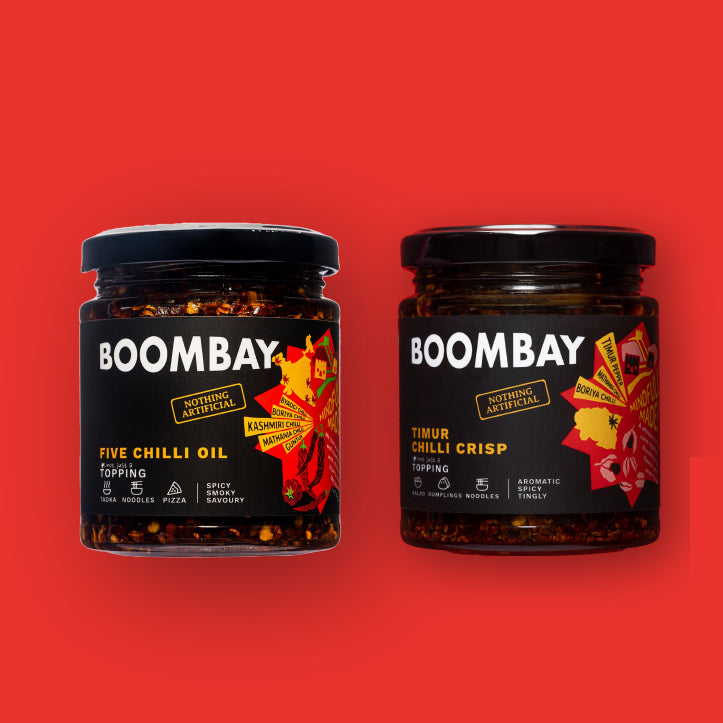
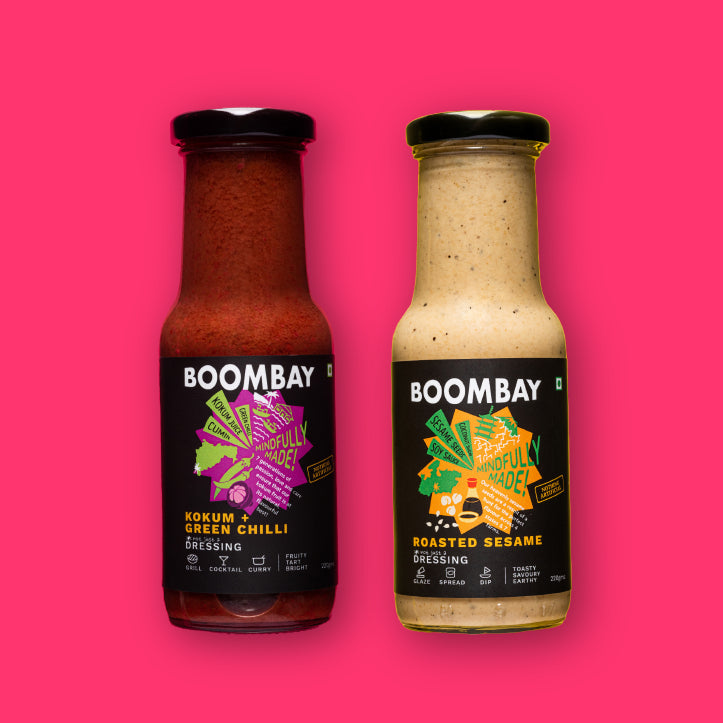
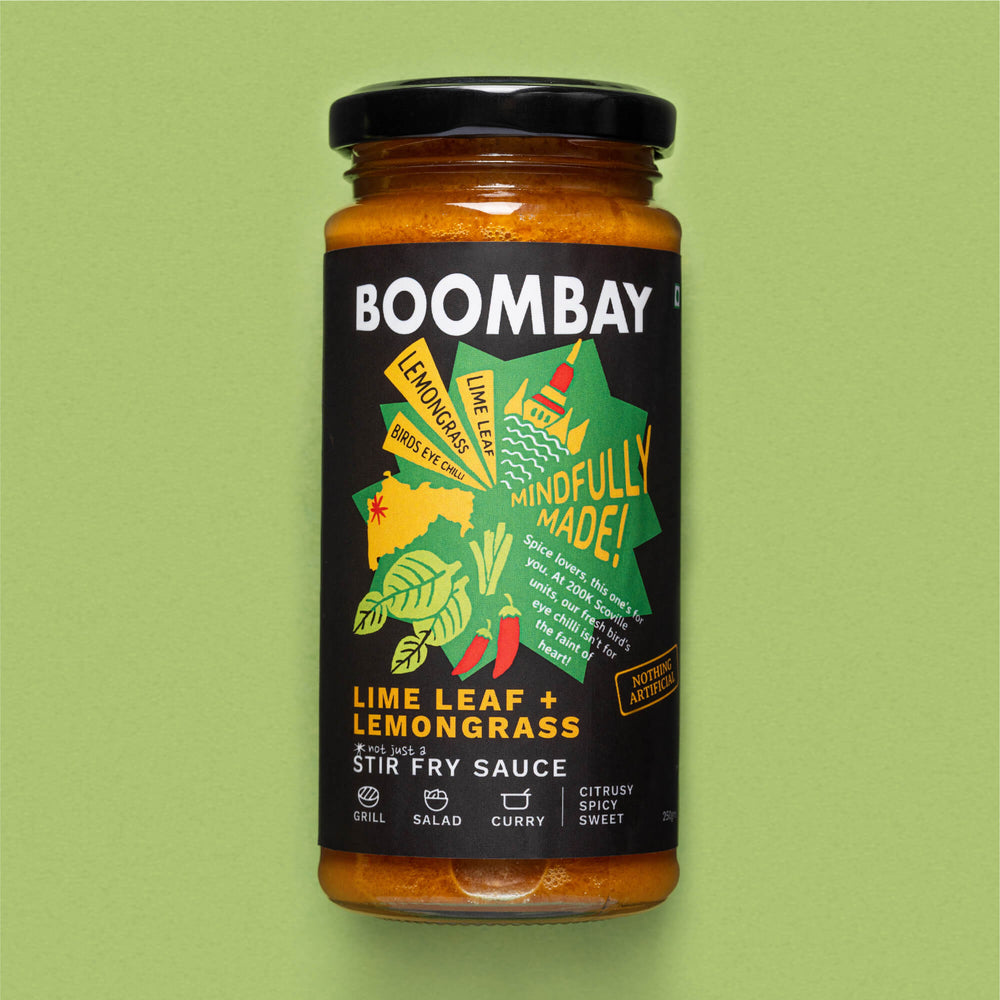
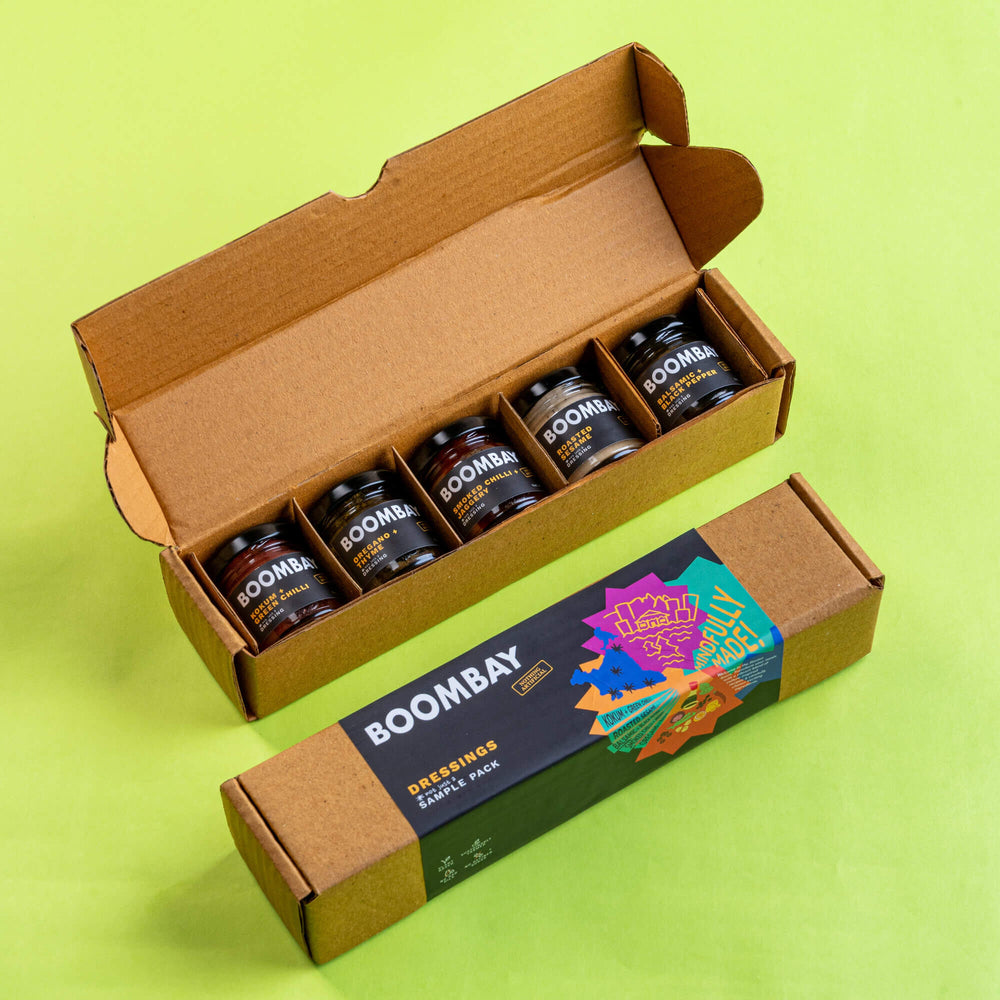
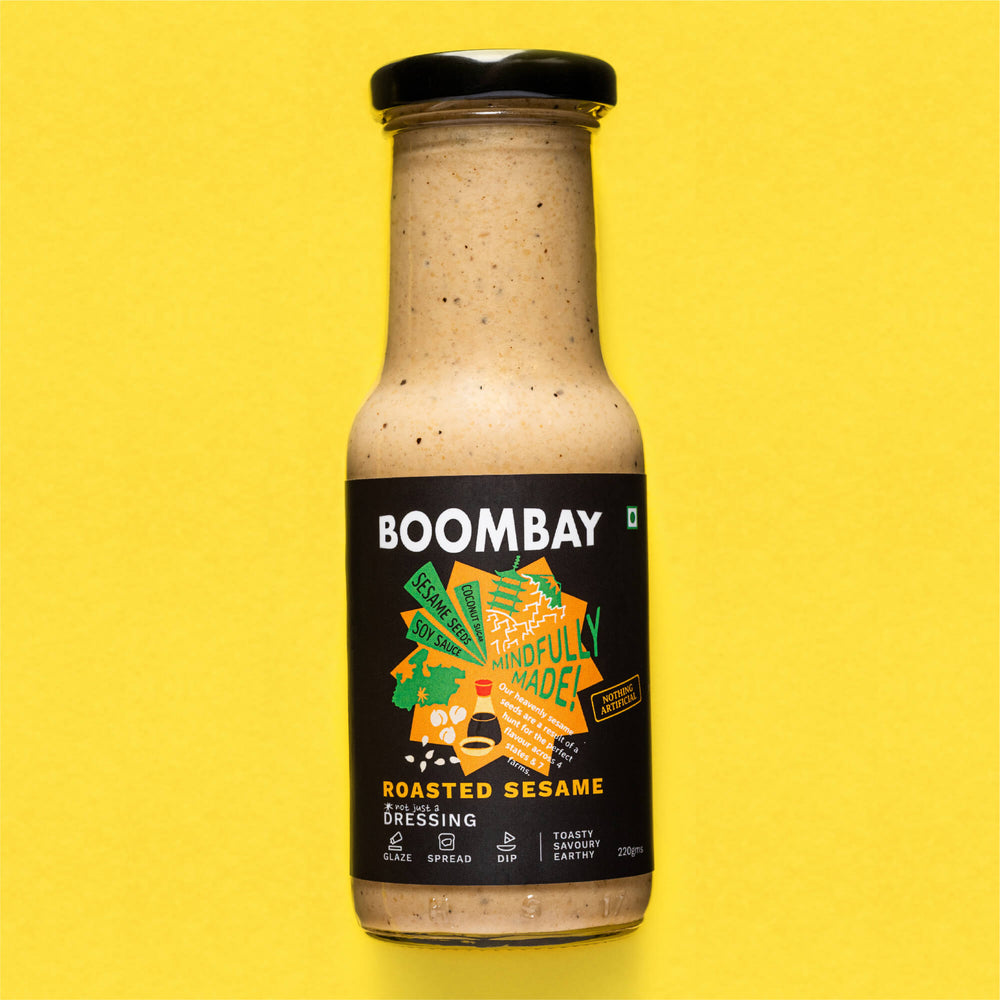
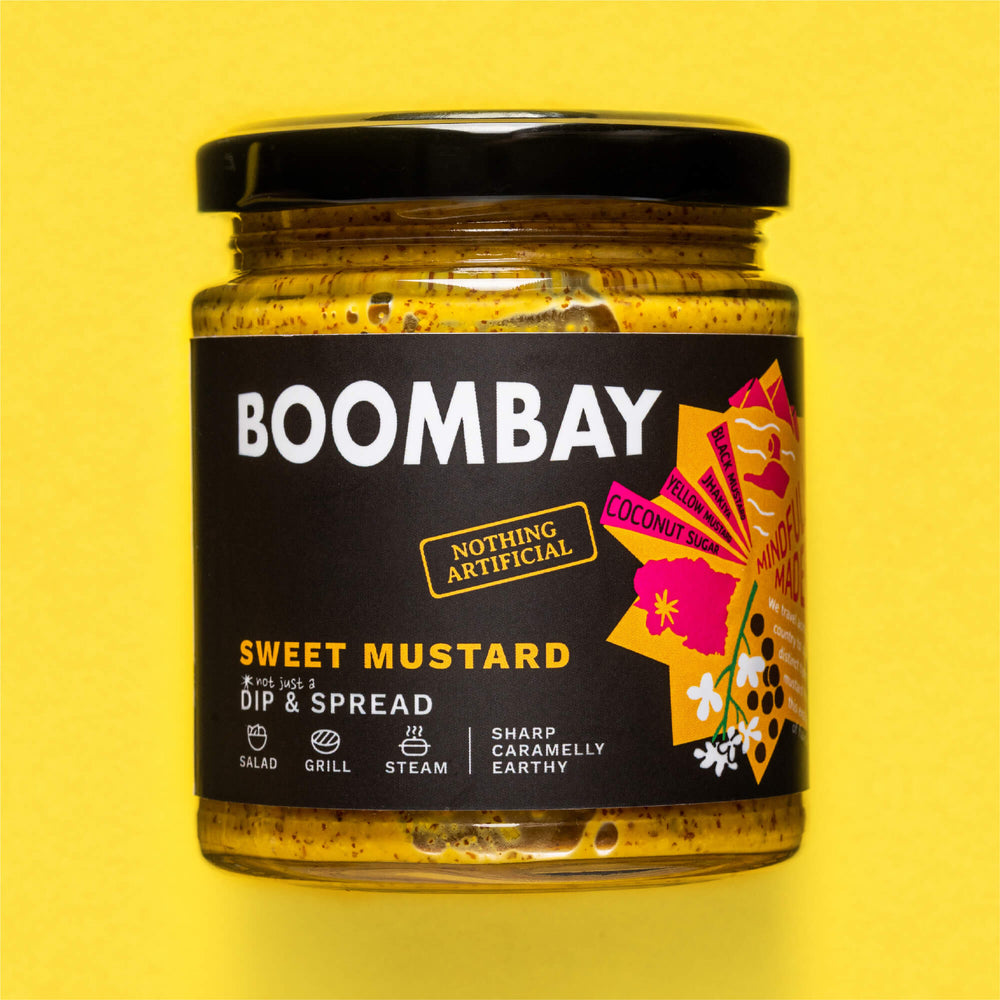
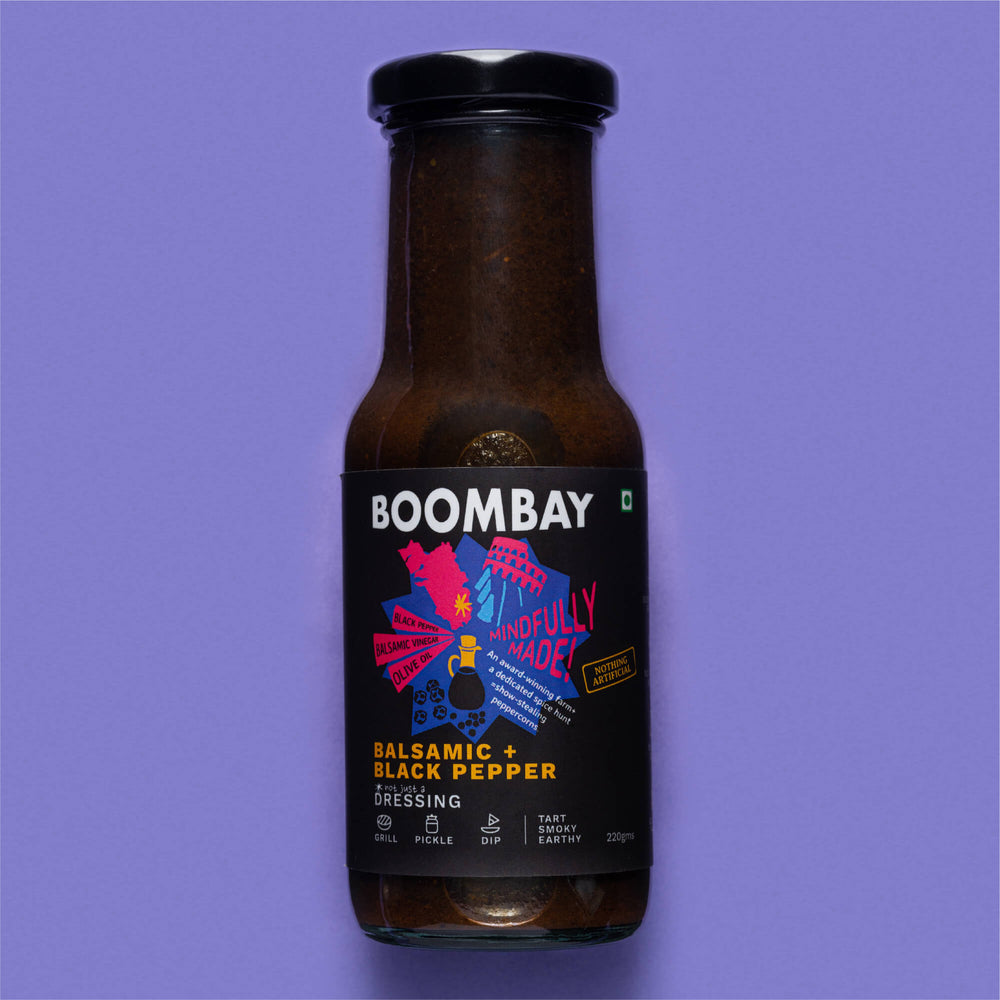
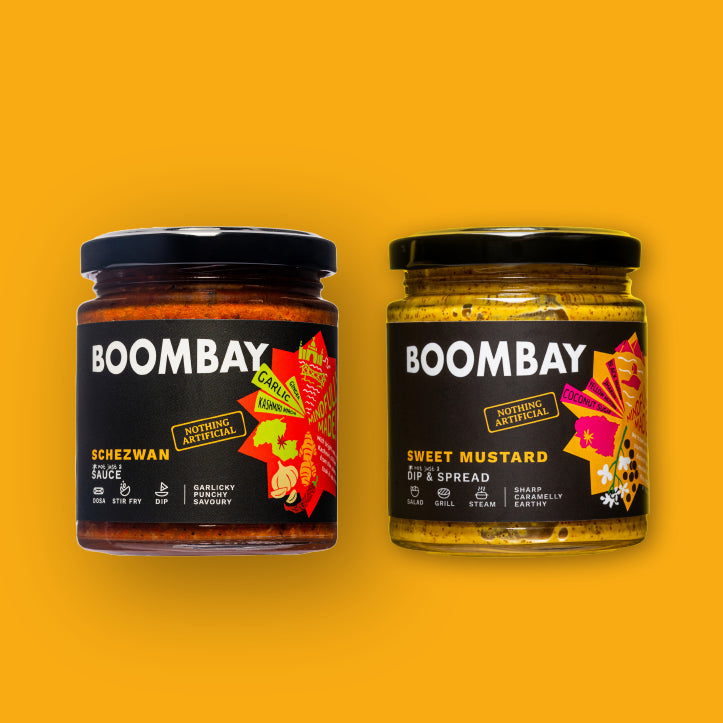
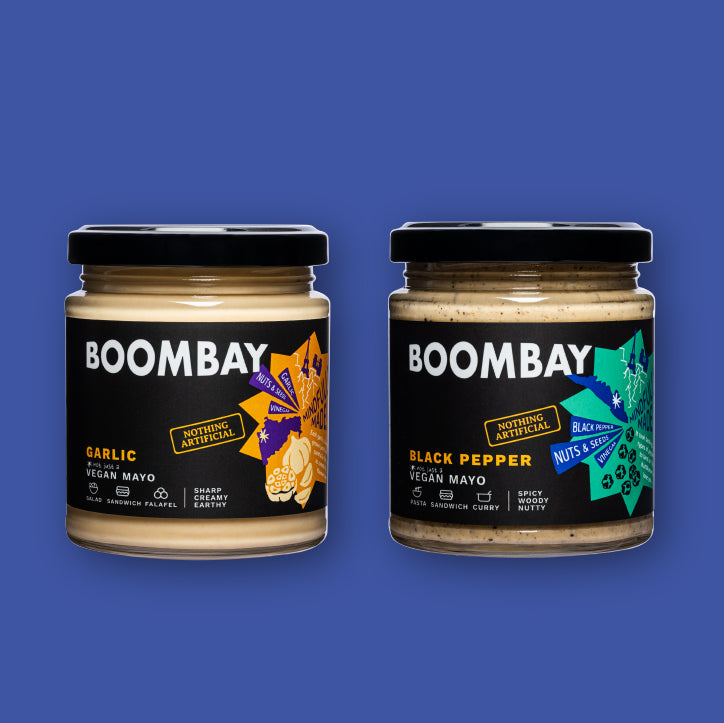
Some sauces and dressings work for Jain cooking when they avoid root vegetables. Check ingredient lists carefully. Look for products made without onion, garlic, ginger, or any root vegetable derivatives.
Food Items to Avoid as a Jain
Understanding what doesn't fit the guidelines prevents accidental inclusion. These items are consistently avoided in Jain diets.
Root Vegetables
- Onions
- Garlic
- Potatoes
- Sweet potatoes
- Carrots
- Radish
- Turnip
- Beetroot
- Ginger
- Turmeric root (powder form is acceptable as the root is already harvested)
- Yam
Animal Products
- All meat (chicken, mutton, beef, pork)
- Fish and seafood
- Eggs
- Gelatin
- Animal-derived rennet
Other Avoided Items
- Mushrooms (considered to grow in unclean conditions)
- Honey (for some Jains, as bees are harmed in production)
- Alcohol
- Foods prepared or eaten after sunset (timing varies by individual practice)
Cooking Jain Meals at Home
Building flavor without onion and garlic requires different approaches. Spices, herbs, and technique carry the load.
Flavor Building Without Onion-Garlic
Hing (asafoetida) provides a savory depth similar to garlic when used in tempering. Use it carefully, as pure hing is strong. A small pinch goes a long way.
Cumin seeds, mustard seeds, and curry leaves create aromatic bases. Toast spices in oil before adding other ingredients. The fragrance builds layers that compensate for missing aromatics.
Tomatoes provide acidity and body to gravies. Coconut (fresh or dried) adds richness. Cashew paste creates creamy textures. Kokum or tamarind brings tang. Each element contributes to complexity.
Quick Meal Ideas
Dal with rice needs no root vegetables to taste good. Temper with cumin, hing, and curry leaves. Add tomatoes if desired. Simple, satisfying, completely Jain-friendly.
Sabzi using above-ground vegetables like beans, cauliflower, or bottle gourd work for daily meals. Season with spices, finish with fresh coriander. Serve with rotis made from wheat flour.
Paneer dishes provide protein and variety. Paneer bhurji, paneer tikka (without onion-garlic marinade), or paneer in tomato gravy all fit the guidelines.
Shopping and Eating Out
Reading labels becomes essential when buying packaged foods. Many products contain onion or garlic powder. Check every ingredient list, even for items that seem safe.
When eating out, communicate requirements clearly. Ask about ingredients in bases and gravies. Restaurants familiar with Jain customers usually have dedicated menu sections. Others can modify dishes if asked specifically.
Temple food (prasad) typically follows Jain guidelines, but confirm if uncertain. Community events and Jain-run establishments offer reliable options.
Making It Work Daily
Jain cooking isn't restrictive once the rhythm sets in. Stock the pantry with approved spices, grains, and dals. Keep a variety of above-ground vegetables rotating through the kitchen. Build flavor through technique rather than relying on a single ingredient base.
Meal planning helps. Knowing what's available and what to avoid makes grocery shopping faster. Cooking becomes automatic when the principles are clear. The focus shifts from what's missing to what's possible.
Explore our collection for sauce options that might work, but always verify ingredients match your requirements.
Frequently Asked Questions
Q. Can Jains eat out safely at regular restaurants?
Possible, but requires careful questions. Ask about onion and garlic specifically. Many restaurants can modify dishes. Jain-friendly restaurants or pure vegetarian places offer safer options.
Q. Is garlic powder allowed if fresh garlic isn't?
No. Garlic in any form violates the principle. Powder, paste, or fresh all come from the same root vegetable.
Q. Why do some Jains avoid certain vegetables on specific days?
Some Jains follow additional restrictions on festival days or specific calendar dates. Practices vary between individuals and sects. Ask about personal preferences rather than assuming.
Q. Can hing (asafoetida) be used in Jain cooking?
Yes, pure hing works. Check labels carefully as some hing products are mixed with onion or garlic. Only pure asafoetida is acceptable.
Q. Are all fruits acceptable in the Jain diet?
Most are. Some Jains avoid fruits with many seeds, as consuming them might involve destroying potential life. Figs and certain berries fall into this category for some practitioners.
Q. How do you get enough protein without onions in dal?
Dals provide protein regardless of whether onions are used. Paneer, milk products, nuts, and combinations of grains with pulses ensure adequate protein intake.