The menu says "Continental Breakfast." The restaurant advertises "Continental Cuisine."
Everyone uses the term, but few know what it actually means.
Most Indian restaurants use "continental" for anything Western that isn't Chinese or Italian.
White sauce pasta? Continental.
Grilled chicken? Continental.
Continental food isn't just generic Western food. The term has specific roots.
What Exactly Is Continental Food?
Continental refers to mainland Europe (France, Italy, Spain, Germany, Belgium, Austria). Their cooking styles, focused on technique and ingredient quality, define continental food. French cuisine brought refined sauces, Italian emphasized fresh ingredients, Spanish introduced bold flavors.
Together, these traditions became continental cuisine.
Why Indian Restaurants Call Everything Continental
Indian restaurants use the term for anything European without getting specific. "Continental" sounds sophisticated while remaining vague enough to cover pasta, grilled meats, or soup. The category stuck because it worked.
What Makes Continental Food Different
Three elements set continental cooking apart.
Herbs Do the Heavy Lifting
Continental food relies on fresh herbs, thyme, rosemary, basil, parsley, for subtle flavor. Unlike Indian spices that add heat, these herbs enhance natural taste. Butter, cream, olive oil, and wine add richness without spice.
Technique Over Temperature
Roasting, baking, grilling, sautéing, stewing, these methods develop flavor through controlled heat. French onion soup takes hours to caramelize. Risotto requires constant stirring. Technique matters as much as ingredients.
The Five Mother Sauces
French cooking's five mother sauces form the foundation for hundreds of variations. Béchamel (white sauce), Velouté (light stock sauce), Espagnole (brown sauce), Hollandaise (butter-egg emulsion), and Tomato Sauce.
The white sauce in pasta? Béchamel.
Rich gravy? Probably Espagnole.
Continental Dishes
French Continental Dishes
Coq au Vin (chicken in wine), Boeuf Bourguignon (beef stew), French Onion Soup. Simple ingredients, patient technique, impressive results. Quiche Lorraine combines eggs, cream, and bacon in buttery pastry.
Italian Continental Dishes
Lasagna layers pasta, meat sauce, béchamel, and cheese. Spaghetti Carbonara needs just eggs, cheese, pepper, and bacon for creamy richness without cream. Technique matters more than ingredient lists.
Spanish Continental Dishes
Paella combines saffron rice with seafood or meat. Gazpacho refreshes with cold vegetables. Tapas prove small, well-executed dishes work better than elaborate presentations.
Making Continental Food at Home
Continental cooking doesn't require culinary school or rare ingredients.
Start With Good Sauces, Skip the Complexity.
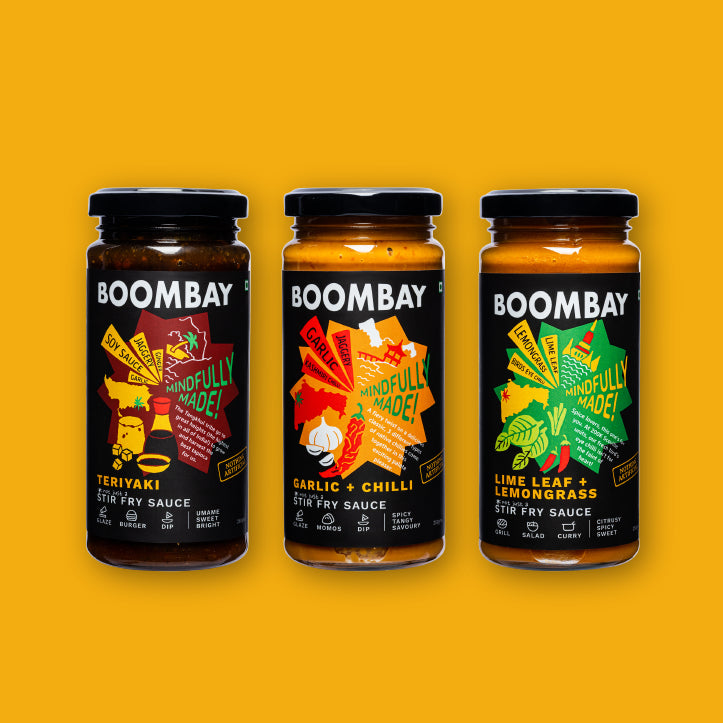
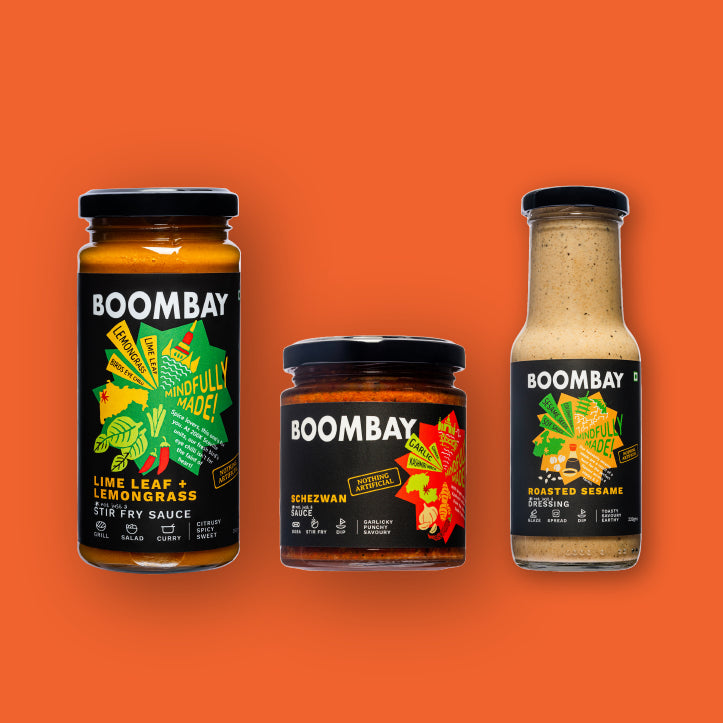
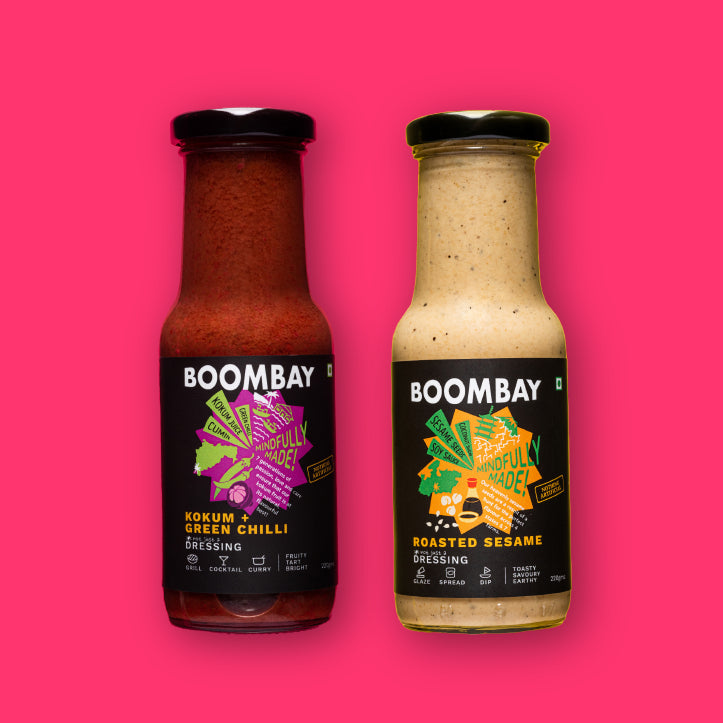
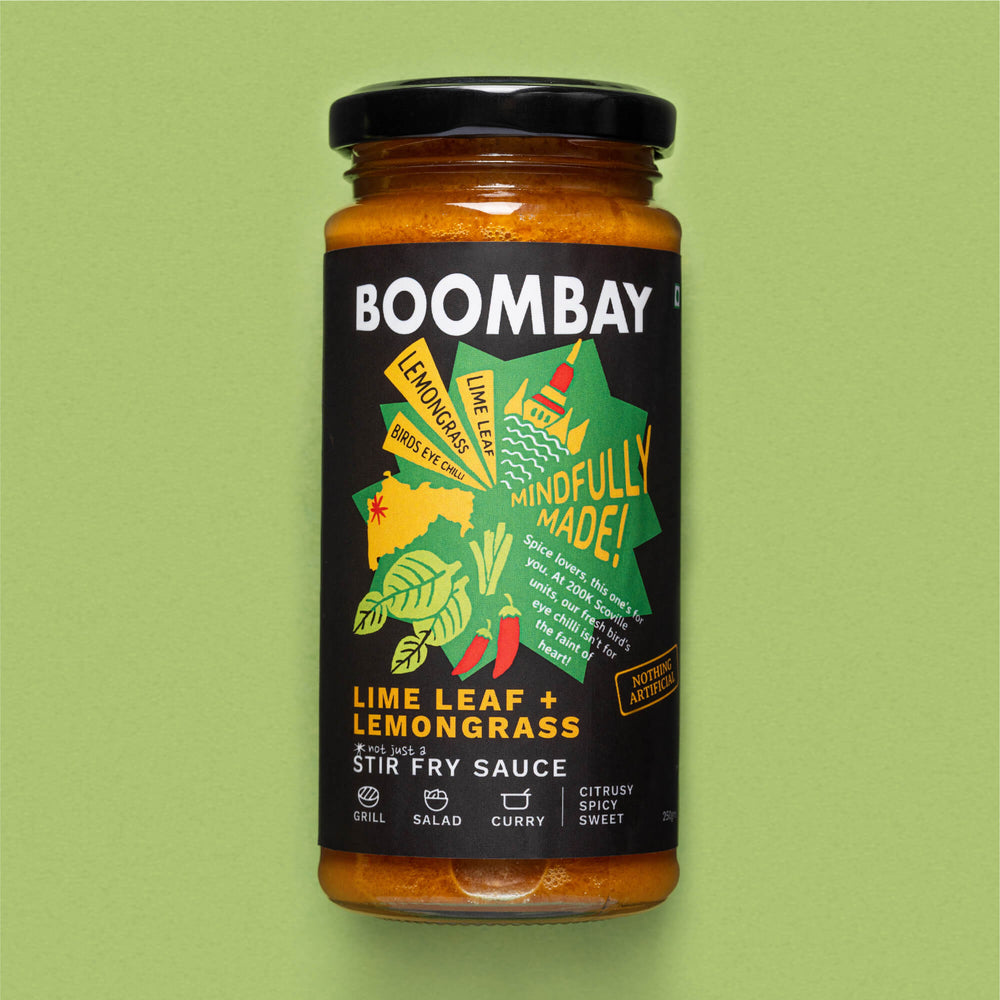
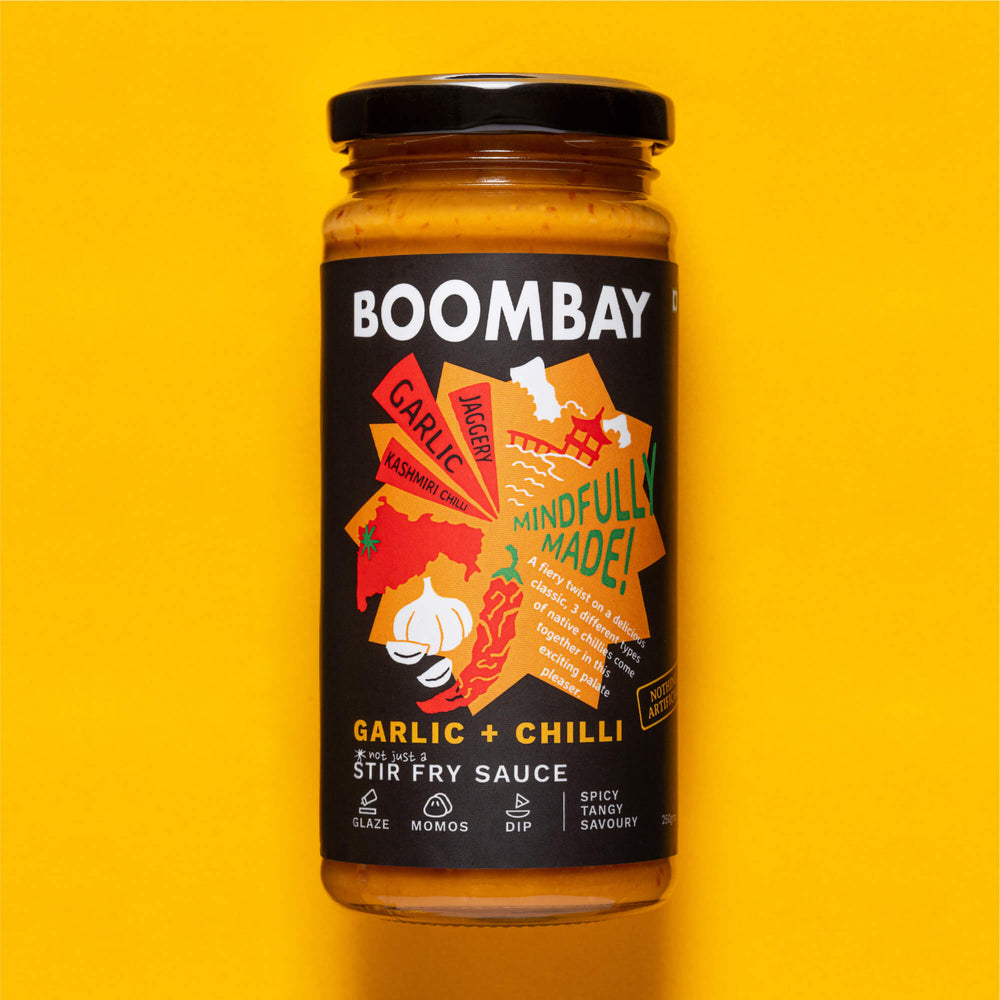
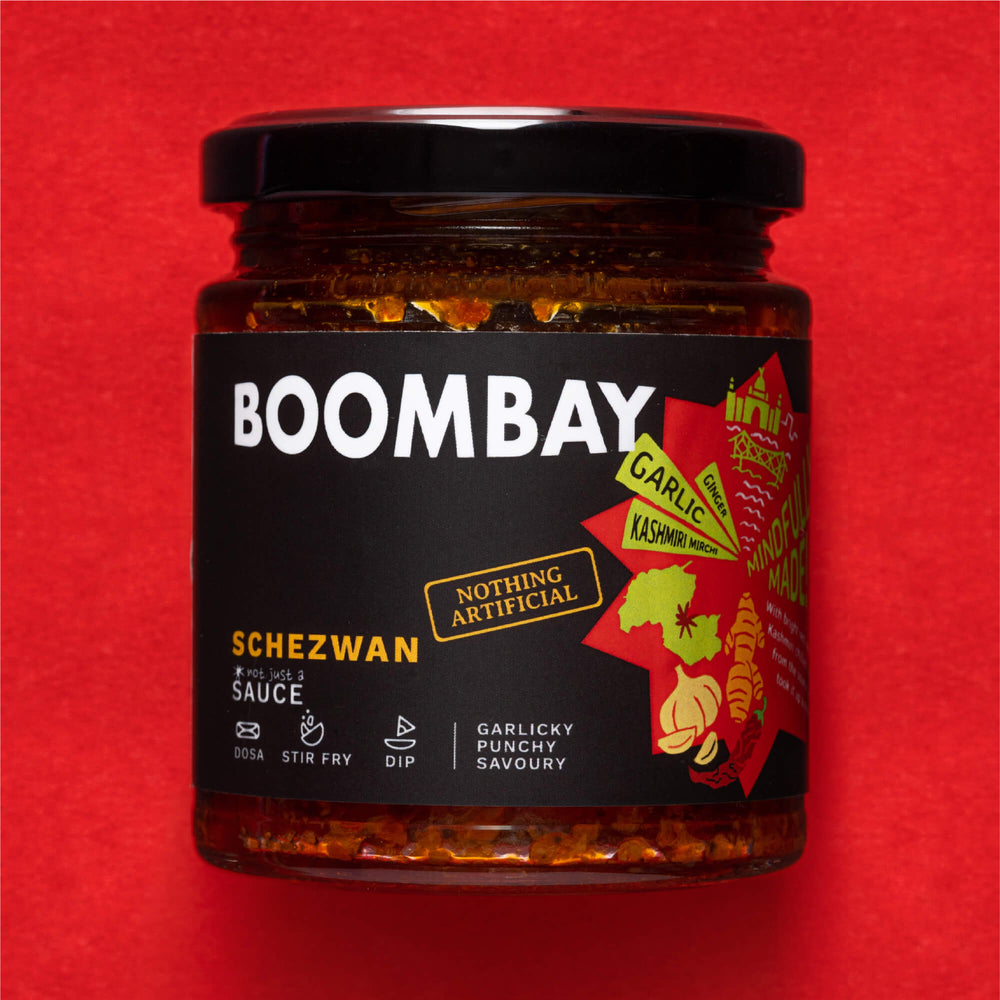
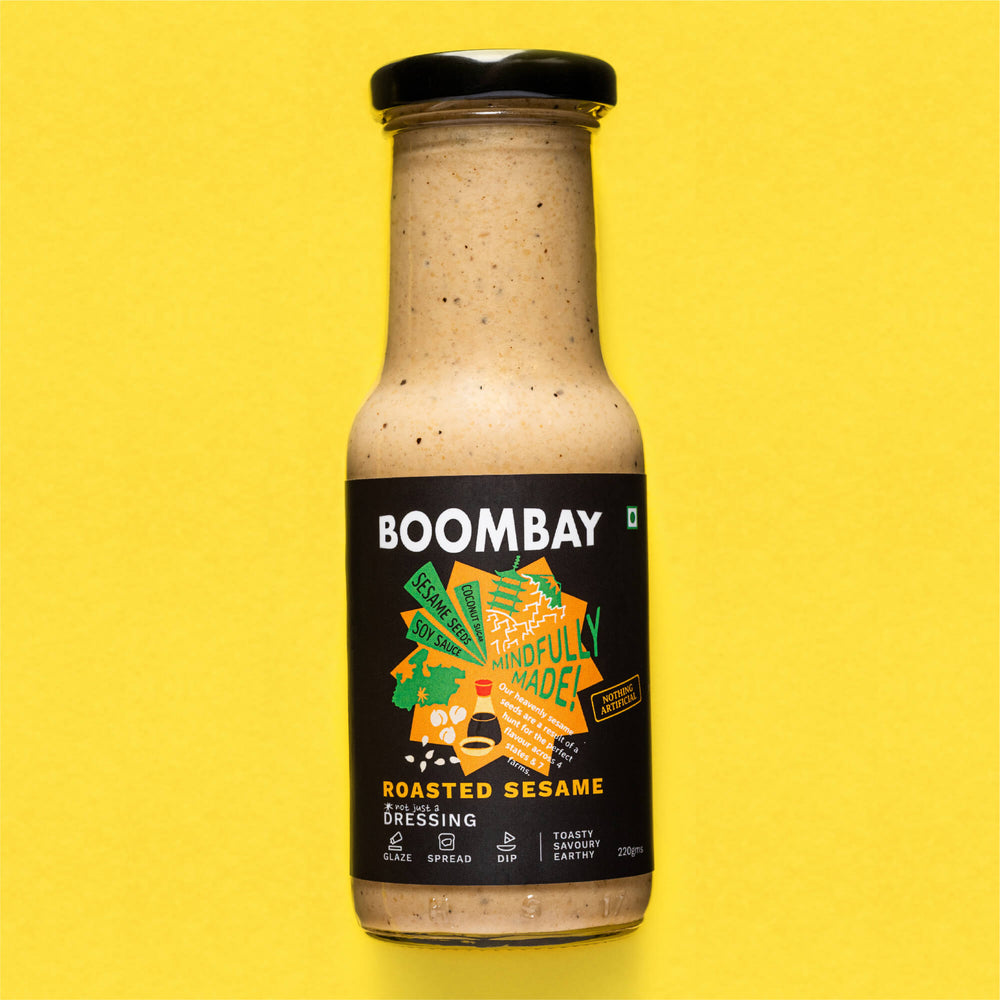
Ready-made sauces make weeknight cooking realistic. Mother sauces take hours from scratch. Quality bases deliver similar results in minutes.
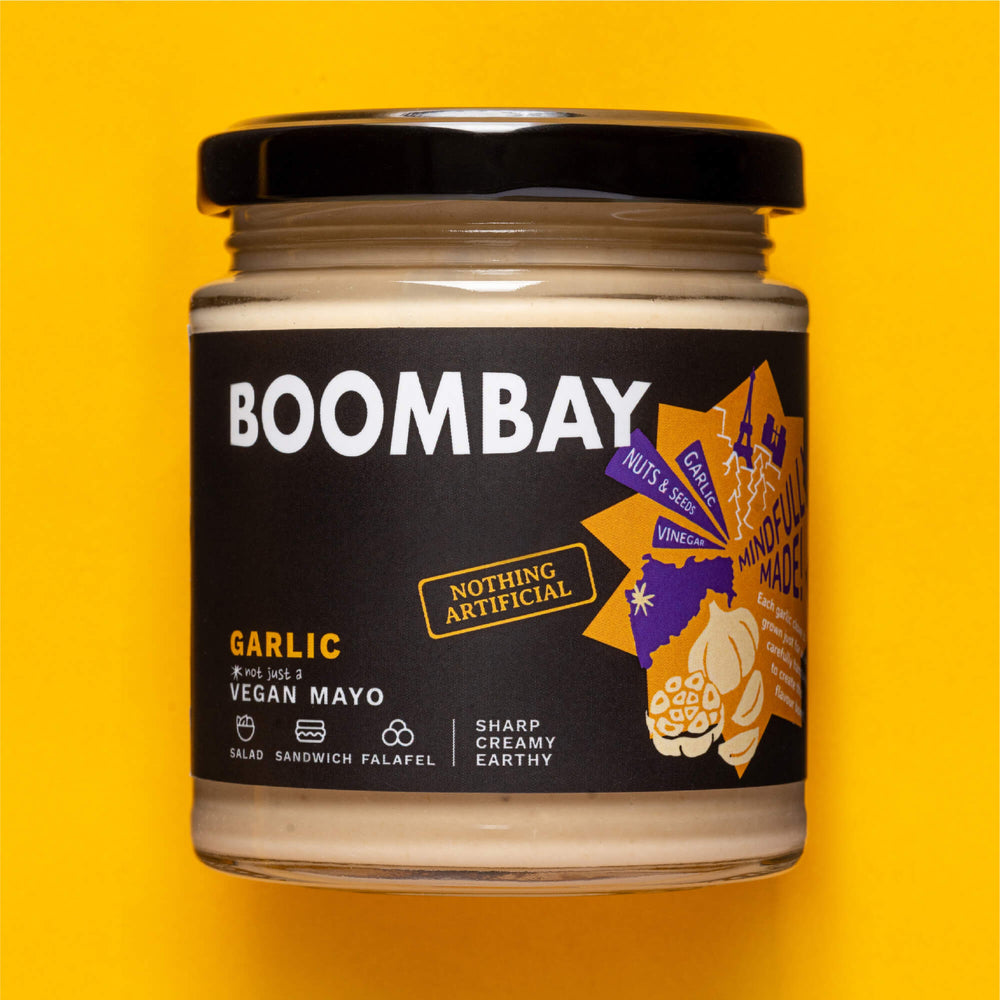
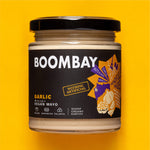
Focus on one element done well. Roast chicken properly. Make good pasta. Grill vegetables. Use Garlic Vegan Mayo thinned with pasta water for alfredo.
Frequently Asked Questions
Q. Is continental food the same as European food?
Continental means mainland European food, excluding British cuisine. It focuses on French, Italian, Spanish, and German traditions.
Q. Why do Indian restaurants serve pasta under continental food?
Indian restaurants use "continental" as a catch-all for Western dishes. Pasta, grilled meats, soups, and breakfast items fall under this category.
Q. Is continental food always fancy and expensive?
Not necessarily. Many continental dishes are simple comfort food. Pasta, roasted chicken, and vegetable soup qualify without being expensive or complicated.
Q. Can vegetarians eat continental food?
Yes. Italian pasta with tomato sauce, French vegetable soup, Spanish gazpacho, and egg-based dishes work for vegetarians.
Q. What's the difference between continental breakfast and regular breakfast?
Continental breakfast traditionally means bread, pastries, butter, jam, and coffee. In India, it describes Western-style breakfast with toast, eggs, and juice.
Q. Do I need special equipment to cook continental food?
No. Good knives, heavy pans, and an oven handle most continental cooking. Technique matters more than fancy tools.