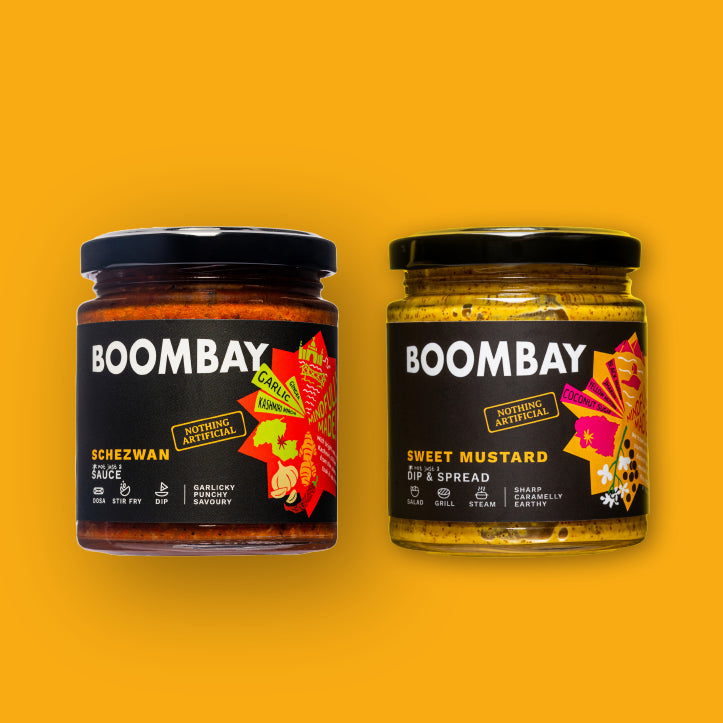
The sauce sits in the fridge door, red and promising. You bought it weeks ago, thinking it would transform weeknight dinners. Instead, it's been sitting there while you order takeout because you're not quite sure what to do with it beyond fried rice.
Schezwan sauce deserves better. When used right, it turns plain ingredients into food worth craving. Rice becomes fried rice that actually tastes like something. Noodles get that restaurant-style kick. Even simple stir-fried vegetables become interesting.
Understanding what Schezwan sauce actually is and how it works makes the difference between a bottle gathering dust and one that empties within the week.
What Schezwan Sauce Actually Is
Schezwan sauce in India is an Indo-Chinese creation, not authentically Sichuan Chinese. Indian restaurants took inspiration from Sichuan peppercorns and chillies, then adapted everything for Indian palates.
The Flavor Profile
Good Schezwan sauce balances heat, tang, and a touch of sweetness. The chilli brings obvious spice. Vinegar that brightens everything. Garlic provides depth. A hint of sweetness (from jaggery or sugar) rounds out the sharpness.
The best versions layer these flavors, so you taste complexity, not just heat. Bad Schezwan sauce tastes like chilli powder mixed with ketchup. The difference is immediately obvious.
What Goes Into It
Quality Schezwan sauce uses real chillies (often a mix of varieties for depth), garlic, ginger, and aromatics. Soy sauce adds umami. Vinegar contributes tang. Good brands use cold-pressed oils rather than refined versions.
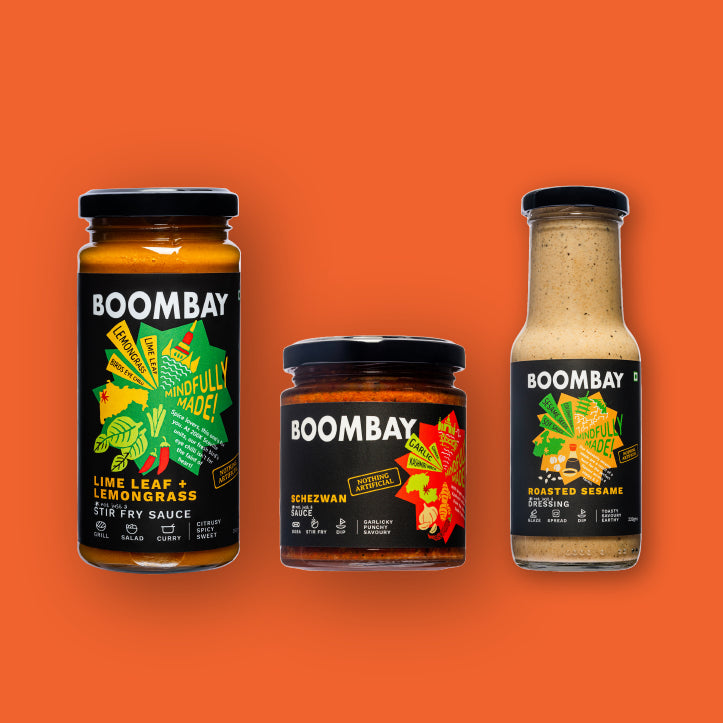
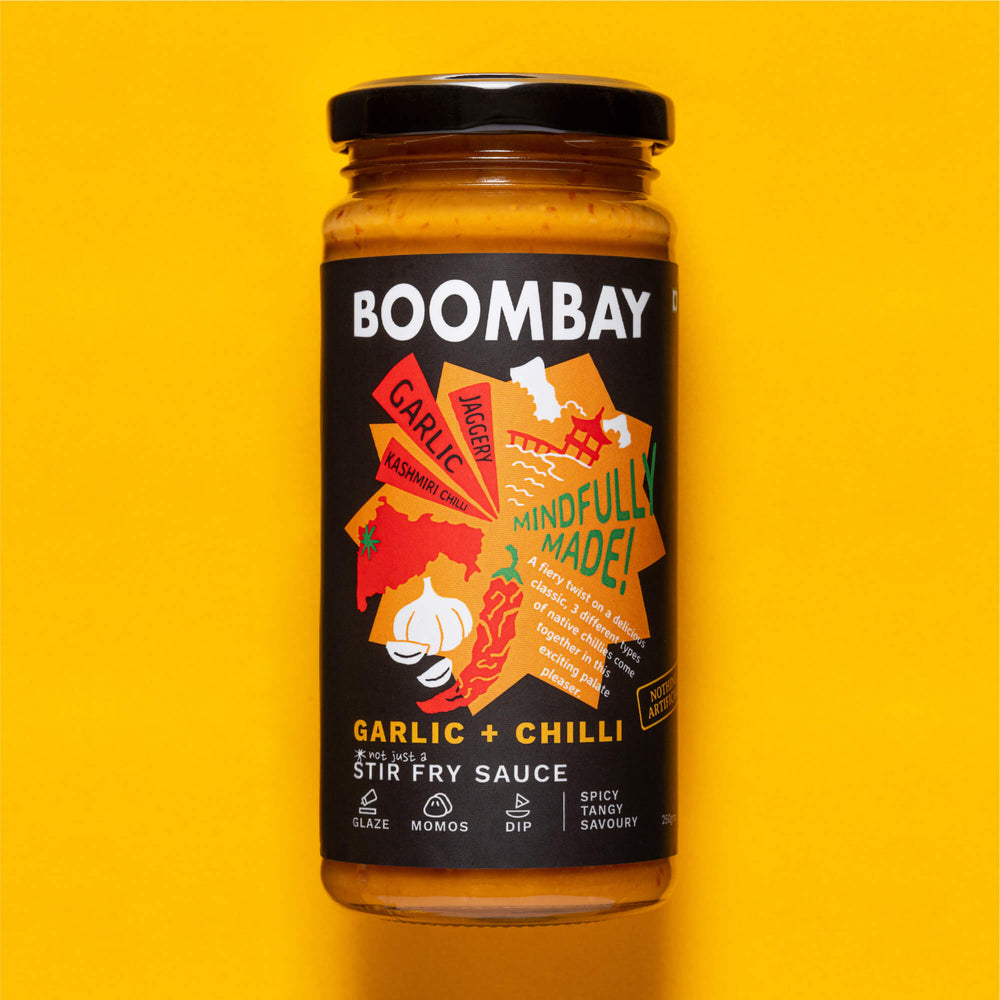
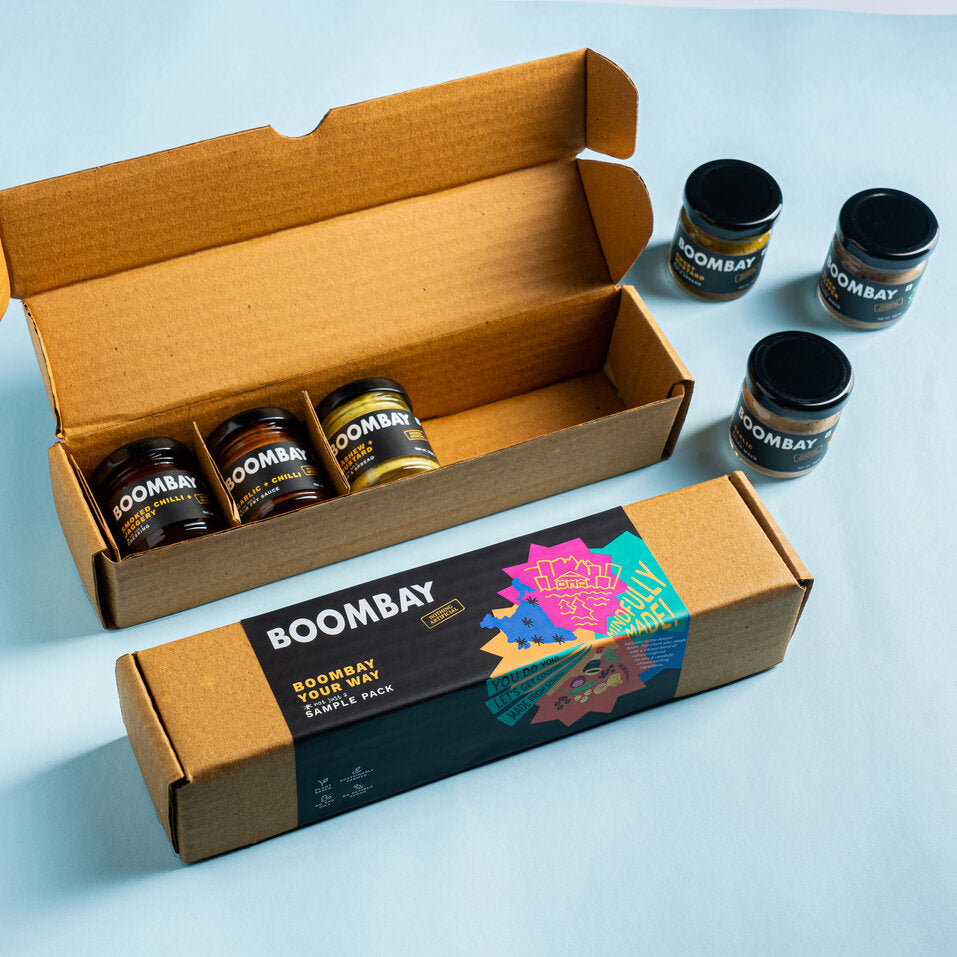
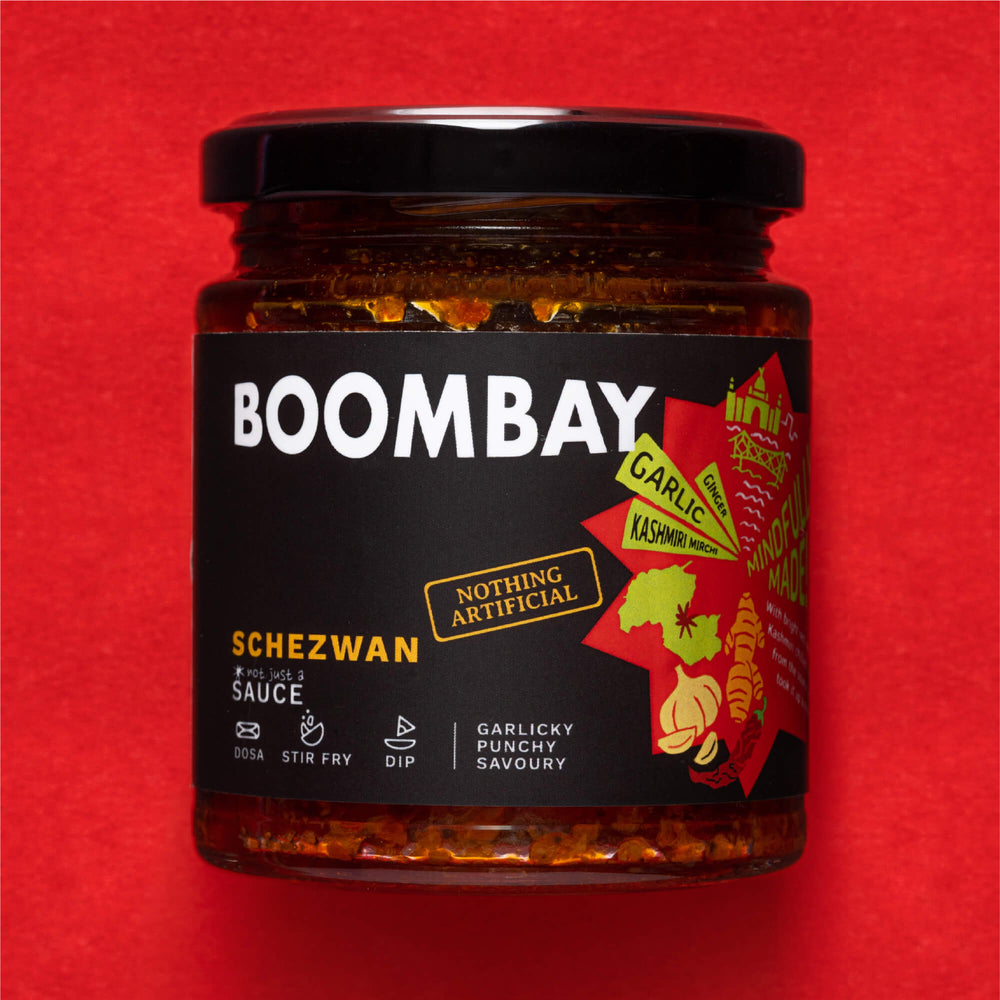
You may know the name, but Boombay's Schezwan sauce is an exciting new take on the classic. Crafted with a wholesome twist, this version adds layers of flavour and complexity that go beyond the expected. Each bite delivers a fiery yet balanced experience. Plant-based, no refined sugars, no artificial additives.
How to Actually Use Schezwan Sauce
Schezwan sauce works in more applications than most people realize.
Fried Rice and Noodles
The obvious use, and still one of the best. Add schezwan sauce toward the end of cooking fried rice or noodles. Start with a tablespoon, taste, and add more if needed. The sauce should coat the ingredients without pooling at the bottom.
Cook rice or noodles first. Stir-fry vegetables and protein separately. Combine everything, add sauce, and toss well over high heat for a minute. The heat activates the flavors and helps everything blend.
Stir-Fry Base
Use Schezwan as the flavor foundation for any stir-fry. The garlic and chilli do most of the seasoning work. Add soy sauce for salt, maybe a squeeze of lime for brightness, and you're done.
Works beautifully with vegetables, paneer, chicken, or tofu. The sauce brings enough flavor that you don't need complex spice blends.
Sandwich and Wrap Spread
Spread schezwan sauce inside sandwiches or wraps for instant flavor. Mix with mayo for a spicy sandwich spread that's less aggressive than pure schezwan.
The tang and heat wake up basic fillings. Grilled vegetables, paneer, or leftover proteins all benefit from the kick.
Dipping Sauce
Schezwan sauce works brilliantly with momos, spring rolls, pakoras, or French fries.
Mixing with Greek yogurt or low-fat yoghurt creates a cooling contrast to the heat while maintaining the flavor. Start with equal parts and adjust to taste.
Pizza and Flatbread Base
Replace tomato sauce with schezwan sauce on pizza or flatbread. The spicy, tangy base pairs well with vegetables and cheese. Top with bell peppers, onions, and paneer for an Indo-Chinese fusion pizza.
Spread thinly because the flavor concentrates under heat. Too much overwhelms the toppings.
Marinades and Glazes
Mix schezwan sauce with oil and a touch of soy sauce for a quick marinade. Works on vegetables before grilling or proteins before roasting.
As a glaze, brush it on during the last few minutes of cooking. The sugars caramelize slightly, creating depth without burning.
Making Schezwan Sauce Work in Indian Kitchens
Schezwan sauce fits naturally into Indian home cooking because it shares DNA with Indian flavors despite the Chinese inspiration.
Quick Weeknight Meals
Keep schezwan sauce handy for nights when time is short. Leftover rice transforms with just sauce, vegetables, and high heat. Maggi gets interesting with a spoonful stirred in. Even plain dal becomes more exciting with a small amount mixed at the end.
The versatility means one bottle handles multiple meal situations. Less cluttered pantry, more dinner options.
Balancing Heat Levels
Schezwan sauce varies in heat between brands. Start with less than you think you need. You can always add more, but you can't remove spice once it's in.
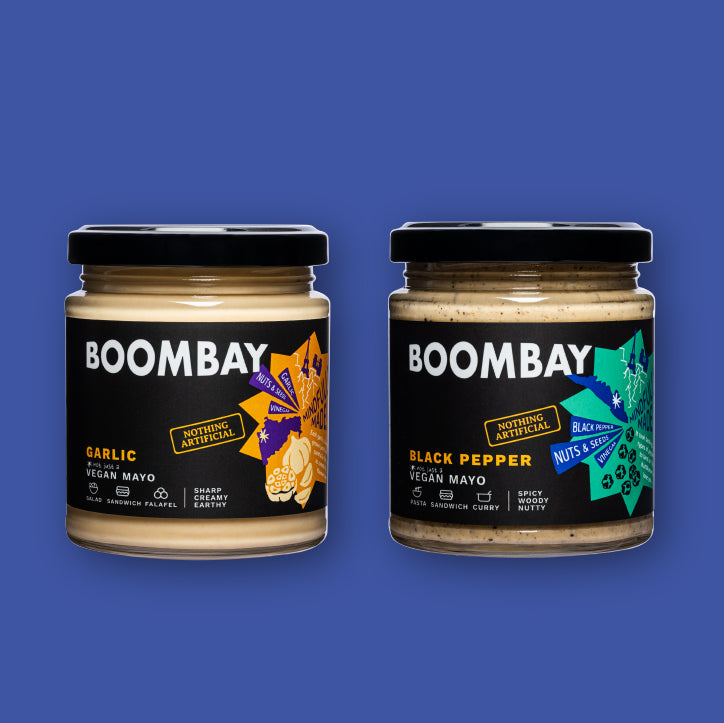
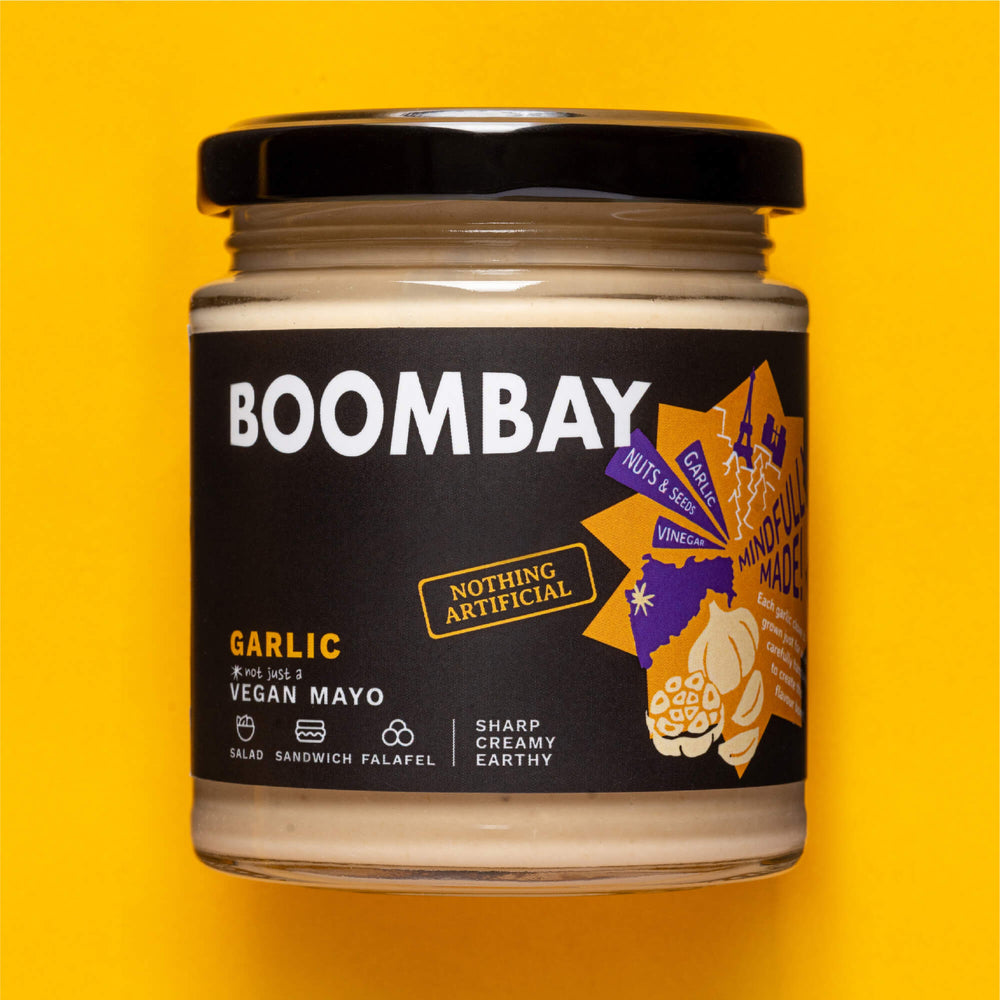
For milder results, mix Schezwan with Garlic Vegan Mayo.
Choosing the Right Schezwan Sauce Brand
Not all Schezwan sauces taste good. Some rely on artificial coloring and excessive sugar. Others lack depth, tasting only of chilli powder.
What to Look For
Check the ingredient list. Real chillies should appear near the top. Look for garlic and ginger listed as actual ingredients, not as extracts. Avoid sauces where sugar or glucose syrup dominates.
Cold-pressed oils indicate quality. Brands using refined oils prioritize shelf life over flavor. Natural ingredients mean the sauce tastes cleaner and works better in cooking.
Texture Matters
Good schezwan sauce has visible bits of garlic and chilli. Completely smooth sauce often means heavy processing. Some texture indicates real ingredients rather than powders and pastes.
The consistency should coat a spoon without being gloopy. Too thick means excessive thickeners. Too thin suggests dilution.
Storage and Shelf Life of Schezwan Sauce
Schezwan sauce lasts months in the fridge after opening when stored properly. Keep it in the door where you'll actually see and use it.
Preventing Spoilage
Always use clean spoons when scooping sauce. Contamination from dirty utensils introduces bacteria that spoil the sauce faster.
If you notice an off smell, changes in color, or mold, discard the bottle. Most sauces stay fresh 3-4 months refrigerated, but check the specific brand's guidance.
Beyond Basic Uses of Schezwan Sauce
Once comfortable with schezwan sauce, branch into less obvious applications.
Mixed with Other Sauces
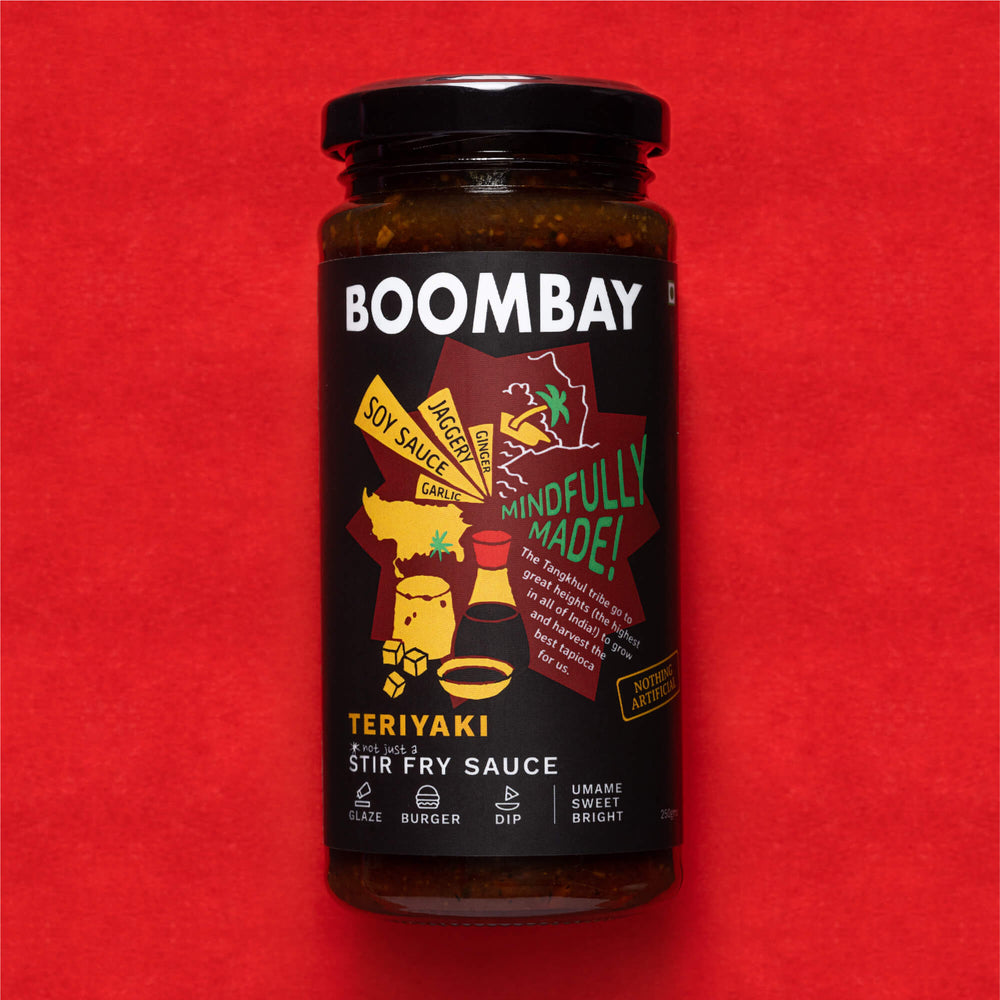
Combine schezwan with teriyaki for sweet-spicy glazes. Mix with garlic mayo for spicy burger sauce. Blend with tomato ketchup for a kid-friendly dipping sauce with gentle heat.
Layering sauces creates complexity without extra effort. The combinations work because Schezwan's bold flavor holds up when mixed.
Soup and Dal Enhancement
A small spoonful of Schezwan sauce stirred into lentil soup or dal, adds depth without making it taste Chinese. The garlic and chilli enhance rather than overpower.
Start with half a teaspoon, taste, adjust. The goal is to boost existing flavors, not change the dish's character completely.
Shop the collection here for quality sauces that actually deliver.
Frequently Asked Questions
Q. Is Schezwan sauce very spicy?
Heat levels vary by brand. Most schezwan sauces have medium heat, noticeable but not overwhelming. Boombay's version balances heat with flavor, making it accessible while still delivering kick.
Q. Can I use Schezwan sauce in traditional Indian dishes?
Yes, in small amounts. It works well in dal, rajma, or even stirred into kadhi for extra depth. Start conservatively and taste as you go.
Q. How is Schezwan different from chilli sauce?
Schezwan sauce has more complexity with garlic, ginger, and often a hint of sweetness. Chilli sauce is typically just chillies, vinegar, and salt. Schezwan works better as a cooking ingredient.
Q. Does Schezwan sauce need to be cooked?
Not necessarily. It works as a condiment straight from the bottle or cooked into dishes. Cooking develops the flavors more, but it's perfectly fine to use cold.
Q. What's the best way to reduce Schezwan heat?
Mix with yogurt, coconut milk, or sweet ingredients like honey or jaggery. Adding acid (lime juice) also helps balance overwhelming heat.
Q. Can kids eat food with Schezwan sauce?
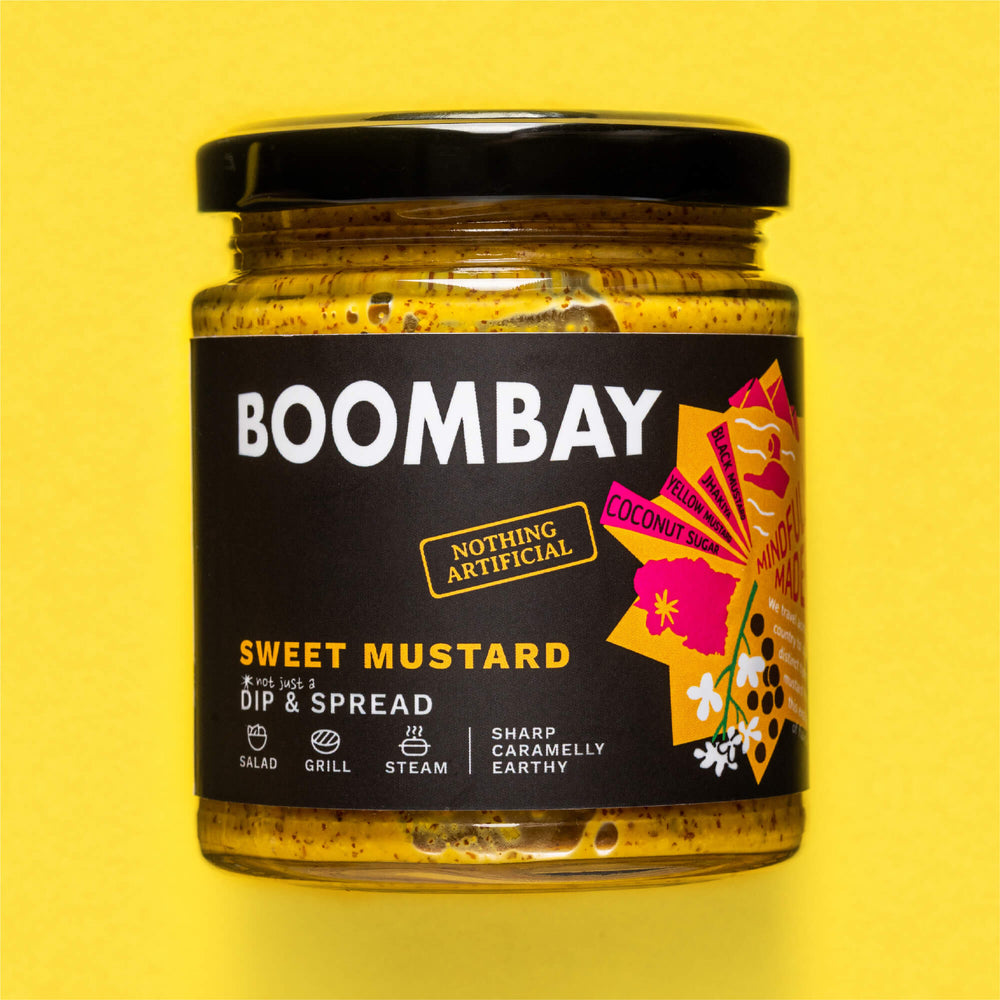
Depends on their spice tolerance. Mix schezwan with ketchup or sweet mustard to create milder versions that introduce flavor without intense heat. Start small and let them adjust gradually.