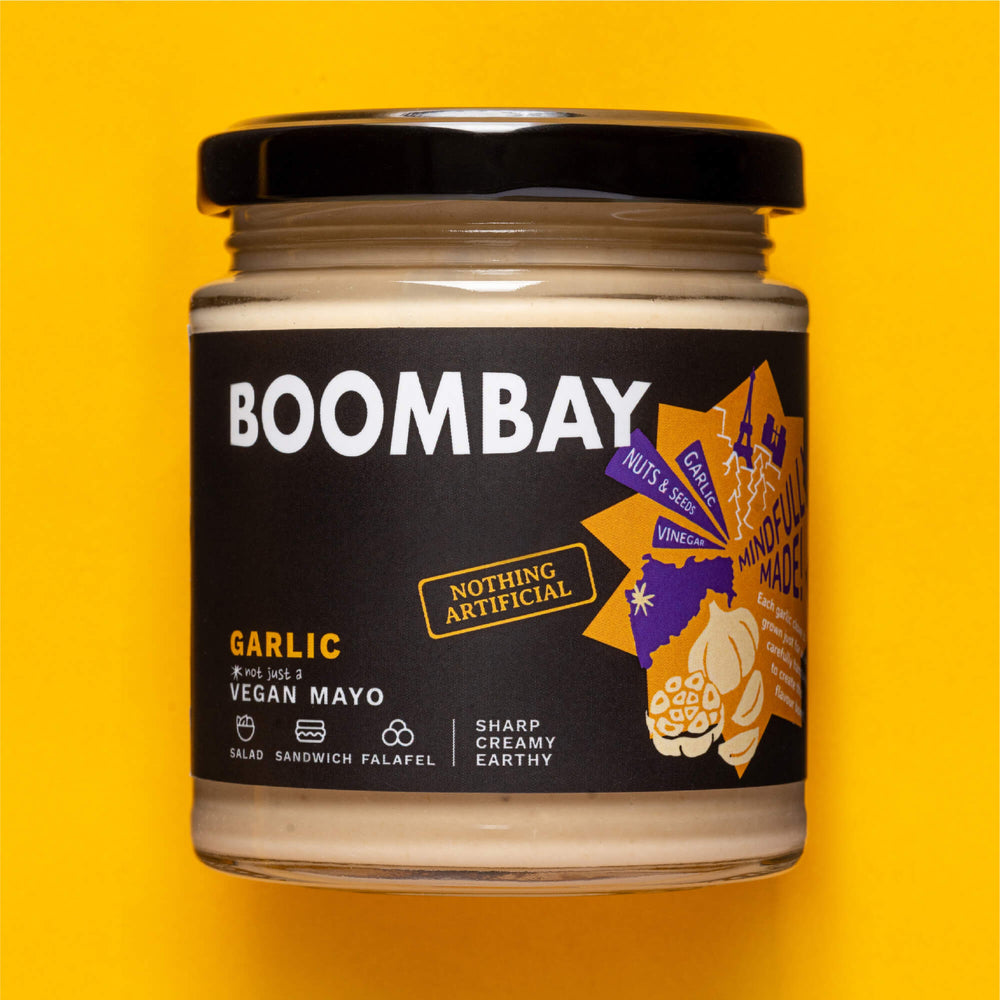
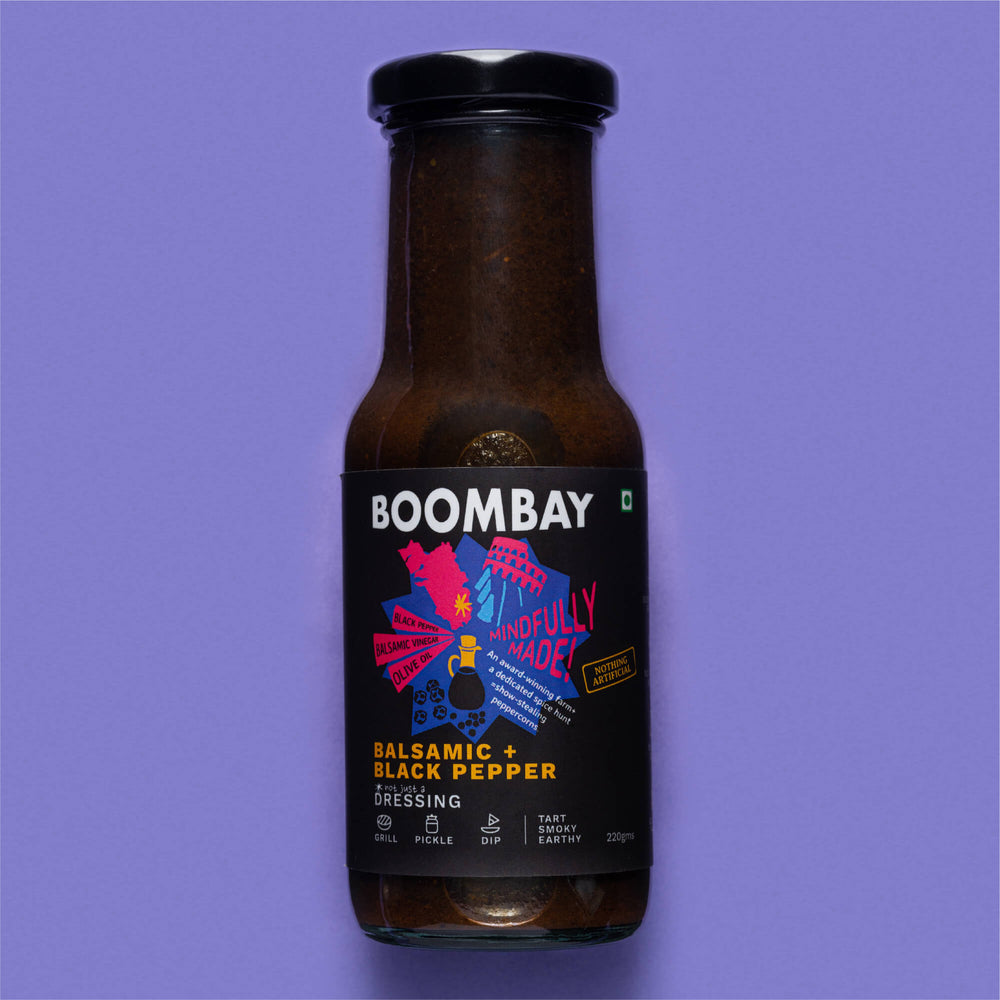
The salad sits there looking virtuous. Greens, vegetables, maybe some protein. Then comes the dressing decision. Fat-free tastes like nothing. Regular dressing feels like cheating. The whole meal becomes a referendum on willpower instead of just lunch.
Most approaches to salad dressing and weight loss focus entirely on finding the lowest-calorie option possible. The result is food that barely tastes like food. The salad gets choked down out of obligation. Two hours later, you're hungry again and reaching for something that actually satisfies.
The real issue isn’t which dressing has five fewer calories. Portion control and overall balance matter more. A good dressing helps with flavor and satiety, but a salad made of only vegetables may not keep you full for long. To make it a proper meal, add lentils, legumes, grains, or other hearty ingredients so the salad is satisfying and sustaining.
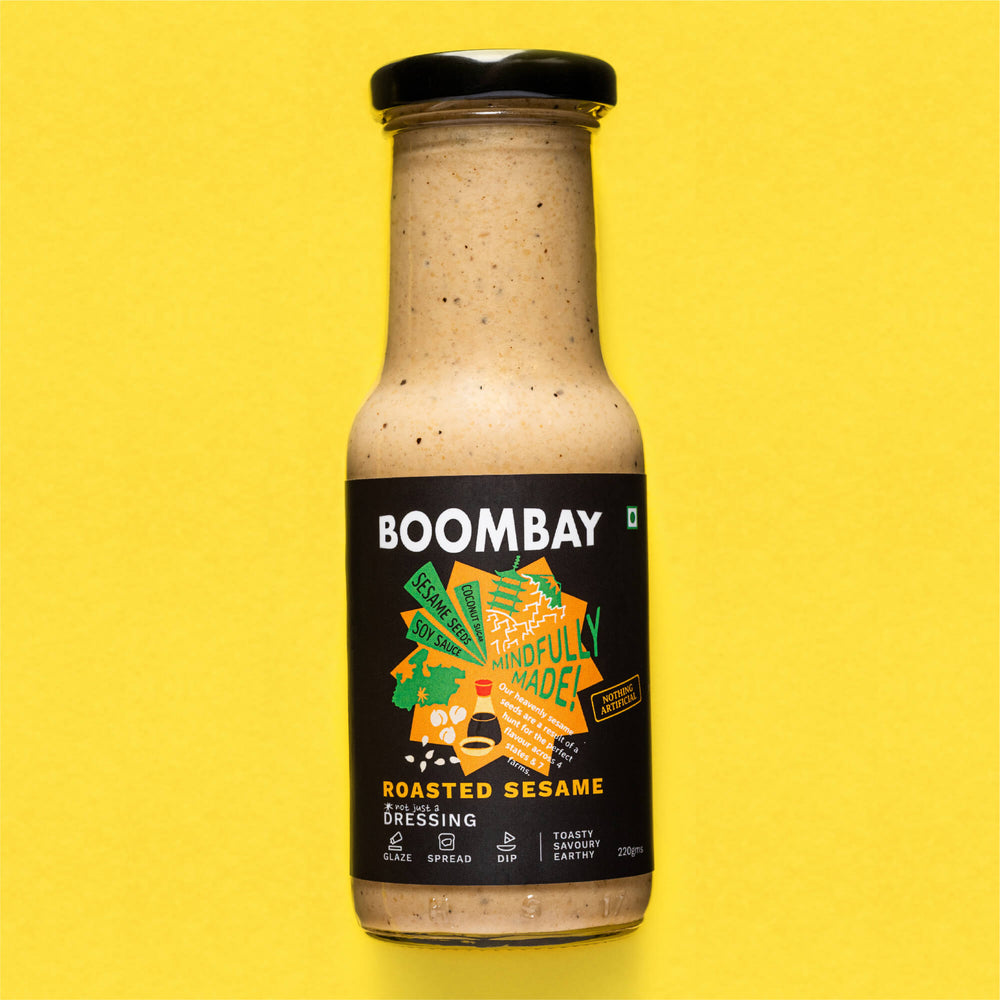
1. Roasted Sesame
Nutty, savory depth with miso adding umami complexity.
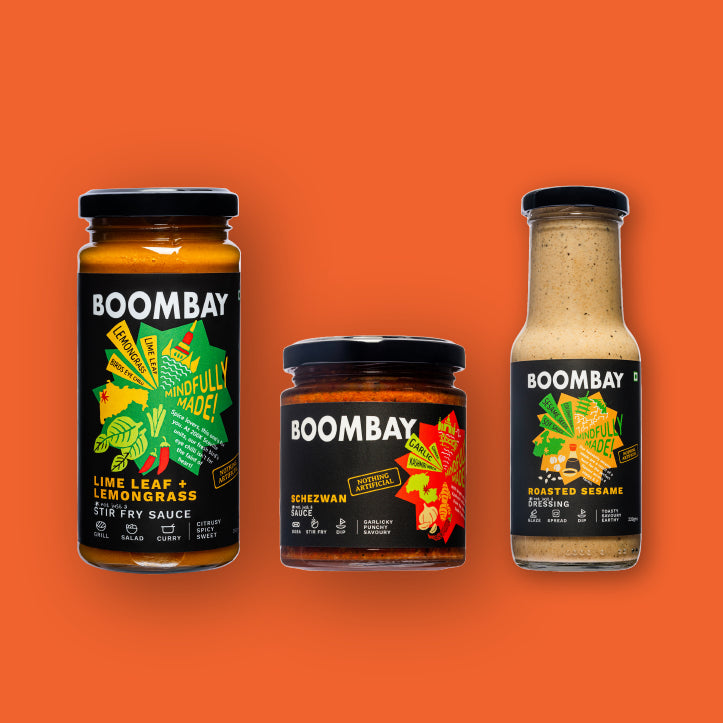
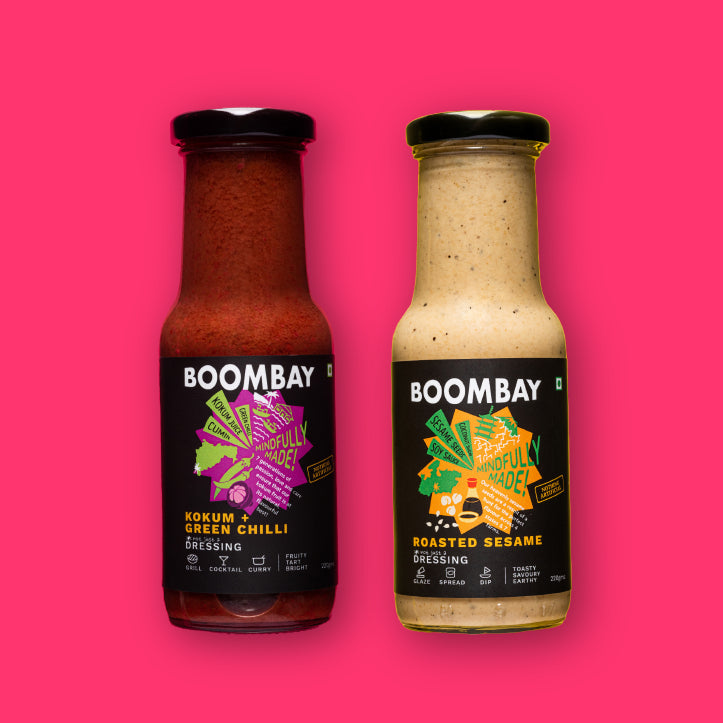
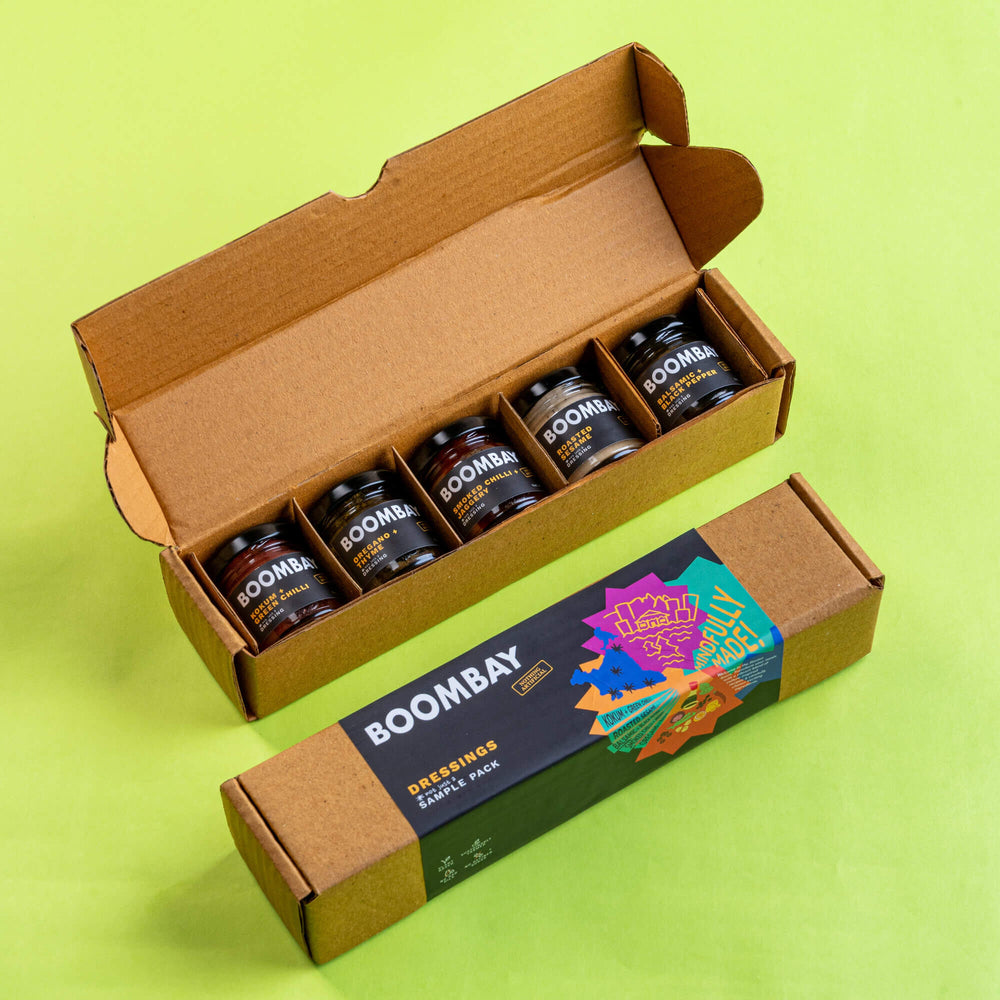
Everyone loves the subtle ruse of sesame, but we've taken that aromatic dream to a whole new level. Roasted Sesame dressing, with the savoury warmth of 100% natural miso mixed with a toasty kick of pepper.
At roughly 50 calories per tablespoon, the number isn't dramatically different from ranch or Caesar. What matters is using a measured amount that works for the salad.
Use on Asian-style salads with cabbage, carrots, and edamame.
2. Balsamic Vinaigrette
Classic combination of balsamic vinegar and oil.
Good balsamic vinaigrette balances tang from vinegar with richness from oil. The ratio determines intensity. More vinegar creates a sharper flavor. More oil brings smoothness.
Make it at home by mixing three parts oil to one part balsamic vinegar. Add salt, pepper, maybe a touch of mustard for emulsification. Or buy prepared versions that handle the balance already.
Works on Mediterranean salads with tomatoes, cucumbers, and olives. The acidity brightens everything without being overwhelming. One tablespoon coats salad sufficiently when tossed properly.
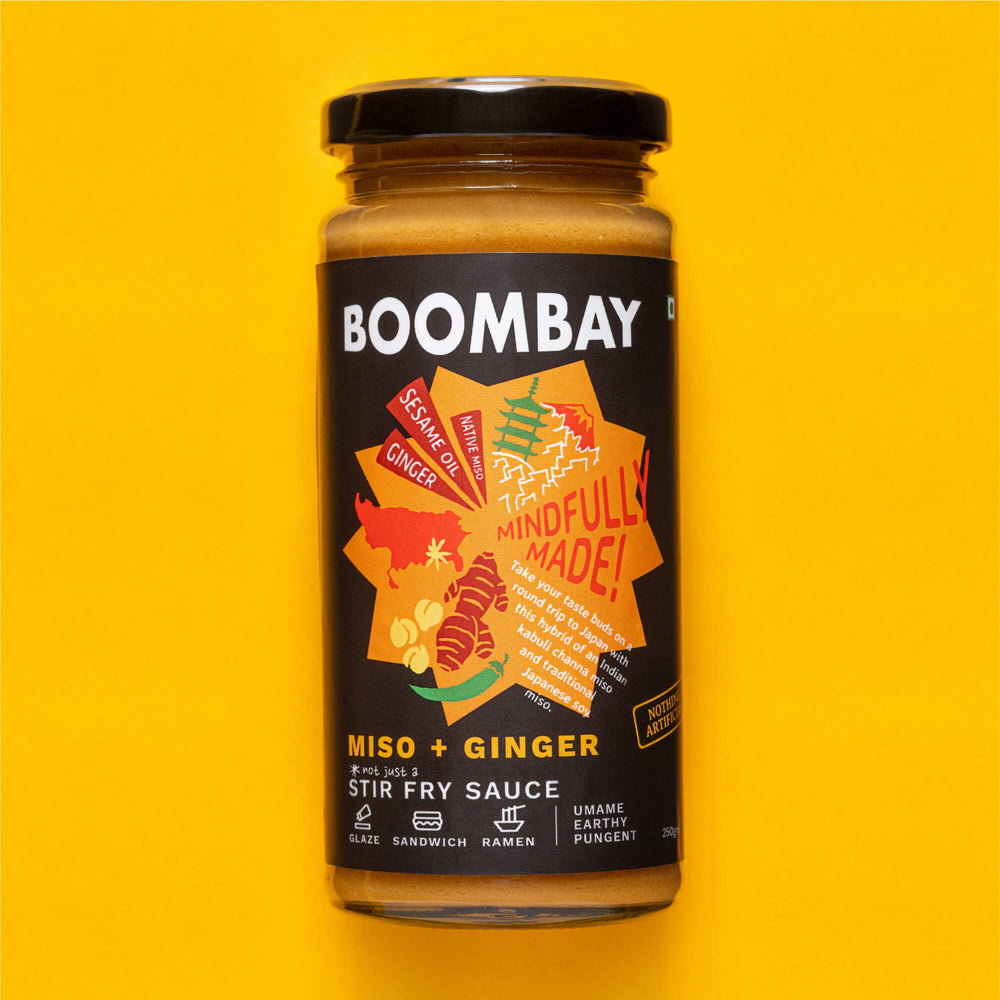
3. Miso Ginger
Umami-forward dressing with ginger providing brightness.
What happens when you put creamy Indian kabuli chana, miso, and traditional umami Japanese soy miso together? Pure magic. Miso + Ginger, topped off with the sharp, warm notes of ginger.
Works on any green salad or grain bowl.
At about 43 calories per tablespoon, the point isn't the specific number. The point is that the flavor justifies using a measured amount rather than drowning salad to compensate for blandness.
4. Lemon Herb Vinaigrette
Fresh, bright flavor from citrus and herbs.
Mix lemon juice, olive oil, minced garlic, and fresh herbs (parsley, basil, oregano). The citrus provides acidity, the oil adds richness, herbs create complexity. Simple but effective.
The freshness works beautifully on salads where other ingredients shine. Grilled chicken, avocado, and cherry tomatoes all benefit from dressing that enhances rather than dominates.
Make in small batches since fresh lemon juice and herbs don't last forever. What you make on Monday still tastes good on Friday. What you make and forget for three weeks doesn't.
5. Tahini Dressing
Sesame paste thinned with lemon juice and water.
Tahini (ground sesame paste) creates a creamy texture without dairy. Mix with lemon juice, water, garlic, and salt. Adjust consistency by adding more water. The result is thick, nutty, and substantial.
Works on Middle Eastern salads, roasted vegetable bowls, or as a drizzle over proteins. Sesame provides healthy fats and protein. A little goes far because the flavor is rich.
Calories per serving depend on how much you thin it. Thicker means more tahini per tablespoon, thinner means less. Make it work by finding the right consistency where small amounts satisfy.
6. Lime Cilantro Dressing
Bright, fresh option for Mexican or Southwestern salads.
Blend fresh cilantro, lime juice, olive oil, garlic, and salt. The cilantro brings herbaceous notes, lime provides acid, and oil carries everything. Works particularly well with black beans, corn, and avocado.
The freshness makes the salad feel light rather than heavy. Pairs beautifully with grilled proteins. The lime cuts through richness without needing excessive amounts of dressing.
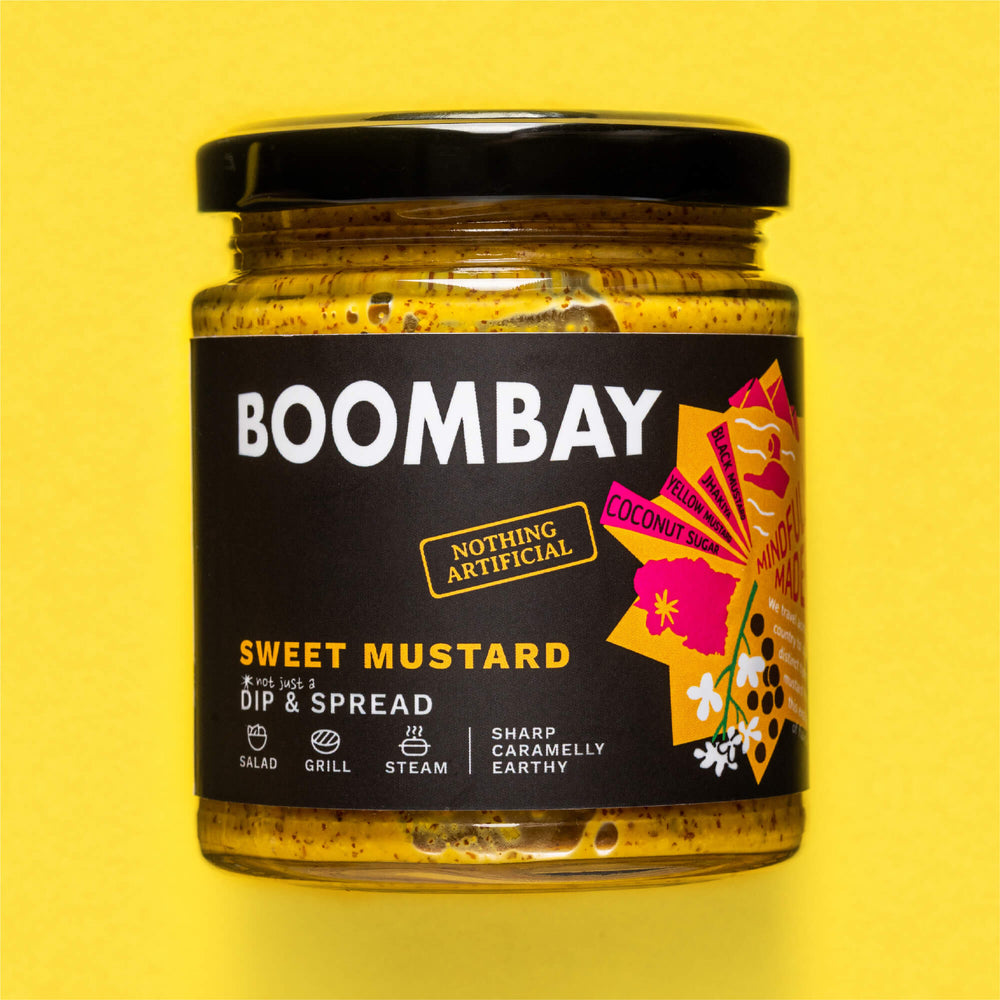
7. Mustard Vinaigrette
Sharp, tangy dressing with mustard providing emulsification.
Mix Dijon mustard with vinegar and oil. The mustard helps oil and vinegar stay combined while adding its own sharp flavor. Use grainy mustard for texture or smooth Dijon for a sleek finish.
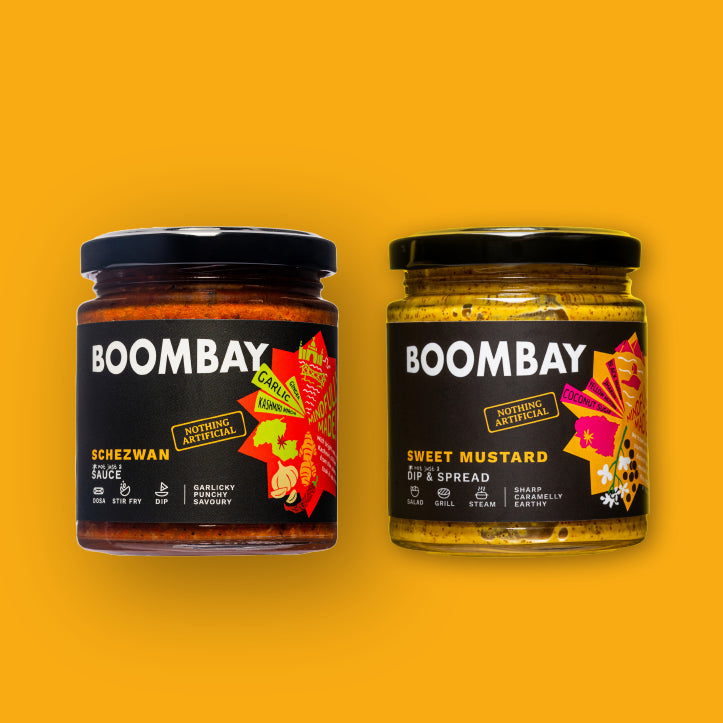
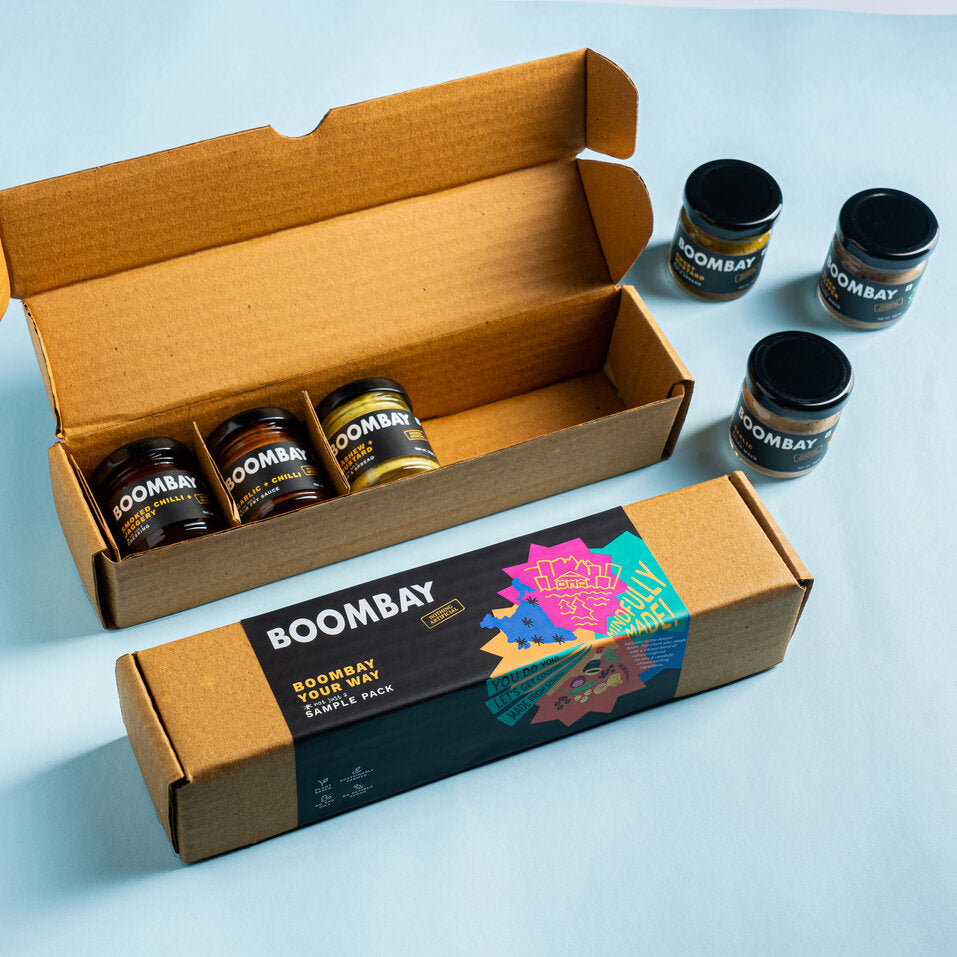
Three distinct types of mustard from across the country are carefully ground into a thick texture, dusted with coconut sugar, and blended together to give Sweet Mustard, made from real ingredients, the perfect ratio of sweet and zingy. Works in vinaigrettes where both sweet and tangy notes enhance salad.
8. Yogurt-Based Dressing
Creamy without excessive oil, tangy from yogurt.
Mix Greek yogurt with lemon juice, herbs, garlic, and salt. The yogurt provides creaminess and protein. Thinner than ranch but more substantial than vinaigrette.
Works on salads where creamy texture enhances the eating experience. Cucumber, tomato, and protein-based salads all benefit. The yogurt adds nutrition beyond just flavoring greens.
Calories depend on the yogurt type. Full-fat Greek yogurt tastes richer, but low-fat works fine too. Pick based on what else the diet includes rather than obsessing over the dressing alone.
9. Peanut Lime Dressing
Thai-inspired combination of peanuts and citrus.
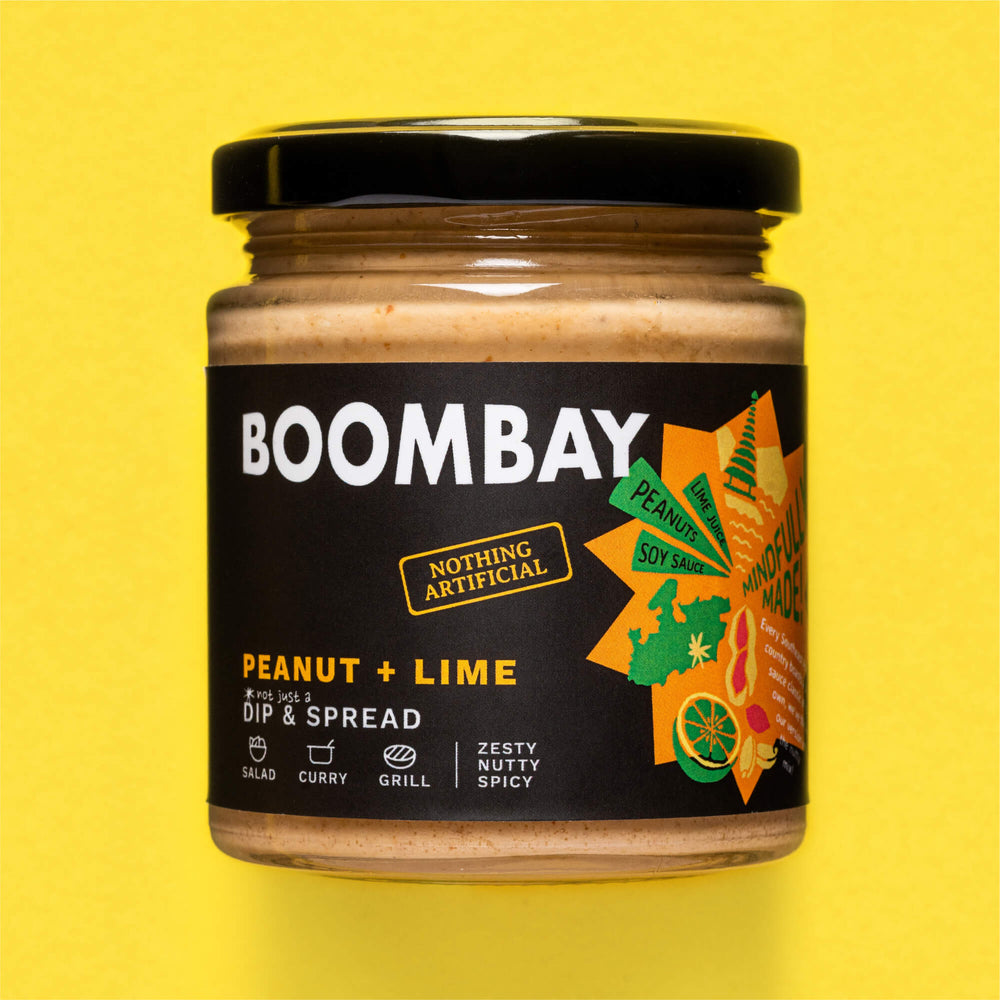
An all-rounder, we've taken South-East Asia's representative peanut sauce and given it a fresh new twist. Savory, tangy, zesty, and creamy all in one. Works brilliantly on Asian slaws and noodle salads.
The peanuts provide protein and healthy fats. The lime adds brightness. Together, they create a dressing substantial enough that the salad becomes an actual meal rather than just vegetables.
At about 35 calories per tablespoon for this peanut-lime dressing, it's not the lowest option. But the protein and fat content mean actual satiety. Eating a satisfying amount of well-dressed salad beats picking at bland greens, then raiding the kitchen an hour later.
10. Garlic Chilli Vinaigrette
Spicy, tangy option that wakes up simple salads.
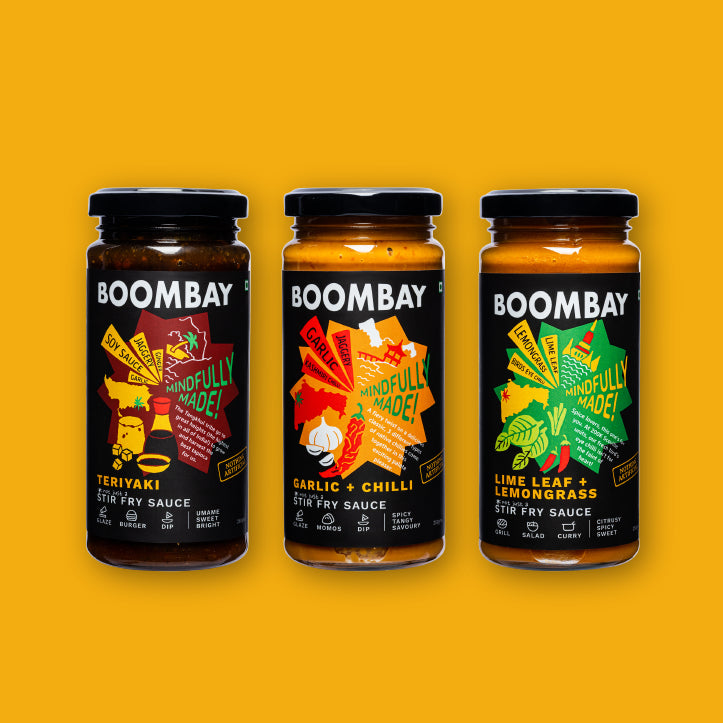
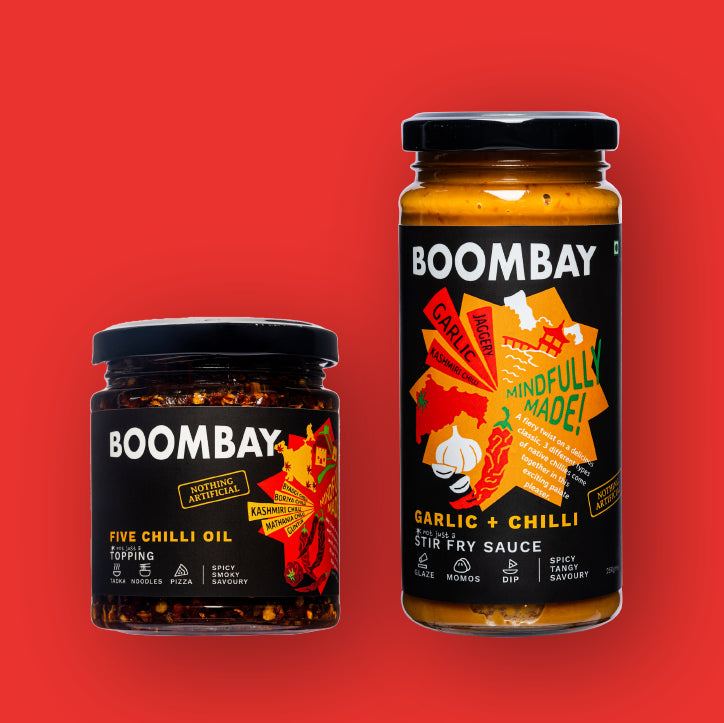
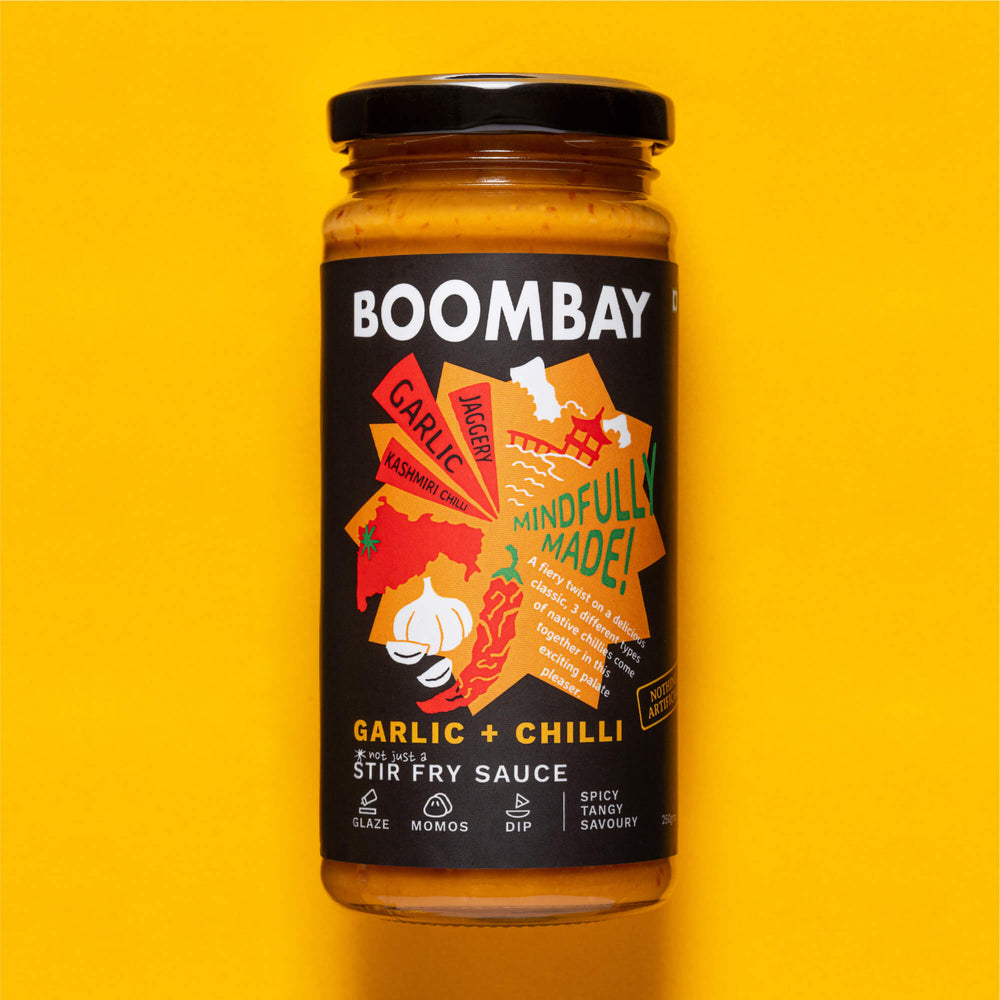
Think of your favourite recipes, and you'll be hard pressed to find any that don't mention garlic or chilli. Garlic + Chilli, this 100% plant-based version is loaded with zealous tang and a bite to boot. At about 20 calories per tablespoon.
Mix with oil and vinegar for a vinaigrette, or use straight as a drizzle.
Why Moderation Matters More Than Calories
The lowest-calorie dressing fails if you hate it and abandon the salad halfway through. Slightly higher-calorie dressing that makes you actually finish the salad wins.
Satisfying food in reasonable portions beats deprivation every time. Two tablespoons of good dressing on a large salad isn't sabotage. It's making vegetables palatable enough to eat regularly.
The problem with fat-free dressings isn't moral failure. The problem is they taste like punishment, which makes sustainable eating impossible. When salad becomes something to dread, weight loss plans fall apart.
Measure dressing if portion awareness helps. Two tablespoons look like less than you think when poured freely. A measuring spoon provides a reality check without requiring math.
But don't get neurotic about it. The difference between one tablespoon and two matters less than the difference between eating vegetables regularly versus avoiding them because they taste like sadness.
Stock your kitchen with dressings that taste good enough to use consistently. Consistency matters more than perfection. Eating salad four times a week with decent dressing beats eating naked greens once, then giving up.
Shop the collection for options that make vegetables worth eating.
Frequently Asked Questions
Q. Should I always choose the lowest-calorie dressing?
No. Choose the one you'll actually use regularly. Sustainable eating beats temporary restriction. If low-calorie dressing makes you abandon salads, it's counterproductive.
Q. How much dressing should I use?
Start with 1-2 tablespoons per large salad. Toss thoroughly so it distributes evenly. Add more only if needed. Most people use too much because they don't toss properly.
Q. Are oil-based dressings bad for weight loss?
No. Fat helps absorb nutrients from vegetables and provides satiety. Moderate amounts of oil-based dressing make salad more satisfying, which supports sustainable eating patterns.
Q. an I make dressing ahead?
Yes. Most last a week refrigerated. Vinaigrettes separate but shake back together. Creamy dressings stay emulsified. Make Sunday, use all week.
Q. Do store-bought dressings work for weight loss?
Yes, when used properly. Read labels for excessive sugar or unnecessary additives. Measure portions. Store-bought convenience supports consistency, which matters more than homemade perfectionism you can't maintain.
Q. What if I don't like any dressing?
Then skip it. Lemon juice and salt work fine. Salsa works as a dressing. Hot sauce counts. The goal is eating vegetables regularly, not forcing yourself to use specific products.