Most first-time cooks trying Indian recipes fail not because cooking is hard but because the pantry sits empty. Missing one spice stops the entire meal. Buying everything at once costs too much and half the jars sit unused for months.
The fix is simpler than it seems. Start with essentials that work across most dishes. Add specialized items only when actually needed. Build the pantry gradually instead of all at once. These basics cover most recipes without requiring a spice warehouse.
Core Spices and Seasonings
These form the backbone of Indian cooking. Most dishes use at least three or four from this list. Stock these first before anything else.
Must-Haves
These five spices appear in almost every Indian recipe. Buy these immediately. Everything else can wait.
- Turmeric powder adds color and earthy flavor
- Red chili powder brings heat (adjust amount based on tolerance)
- Coriander powder provides lemony, slightly sweet notes
- Cumin seeds for tempering and base flavor
- Garam masala completes most curries and dals
With just these five, dozens of dishes become possible. Dal, basic curries, vegetable stir-fries, and rice preparations all work.
Highly Recommended
Once the basics are covered, these additions expand what can be cooked significantly.
- Cumin powder for convenience when whole seeds aren't needed
- Asafoetida (hing) adds depth, especially important for Jain cooking
- Kashmiri chili powder provides color with mild heat
- Whole spices, including cloves, green cardamom, cinnamon sticks, and bay leaves
- Mustard seeds are essential for South Indian cooking
Whole spices last longer than powders. Buy small quantities of ground spices and replenish as needed. Whole spices can be ground fresh when required, which tastes better than pre-ground versions.
Grains and Flours
These ingredients form the foundation of meals. Stock a few basics and expand based on what gets cooked most often.
Essential Grains
Basmati rice handles most rice needs. Long grain, aromatic, versatile. Plain rice, pulao, and biryani all start here. A 5kg bag lasts months for regular cooking.
Whole wheat flour (atta) makes rotis, parathas, and puris. The whole wheat version commonly sold in India differs from Western whole wheat flour. Look specifically for atta.
Essential Dals
Start with two types of dal. More can be added later once these become familiar.
Toor dal (arhar dal) is the base for sambar and many everyday dals. Mild flavor, cooks to a soft consistency.
Moong dal cooks fastest and digests easily. Yellow moong dal for simple dal, whole green moong for sprouts, and heartier dishes.
Poha (flattened rice) isn't a dal but belongs here as a quick breakfast staple. Poha upma or poha chivda takes minutes to make and uses basic spices.
These basics alone provide enough variety for weeks of meals. Rice and one type of dal create countless comforting combinations.
Pantry Essentials
These items support cooking across different dishes. Some are used daily, others weekly, but all earn their shelf space.
Oils and Fats
Cooking oil for everyday use. Sunflower, groundnut, or any cold-pressed oil works. One bottle handles most cooking needs.
Ghee adds that unmistakable Indian flavor to dal, rice, and sweets. A small jar lasts a long time since ghee is used for finishing rather than cooking entirely in it.
Other Essentials
Canned or dried chickpeas provide protein and versatility. Chole, salads, hummus, and roasted snacks all start with chickpeas.
Coconut milk opens up South Indian and Thai-influenced dishes. Shelf-stable cans store easily.
Tamarind paste or pulp brings tangy sourness that lemon can't replicate. Essential for many South Indian dishes.
Jaggery or brown sugar adds sweetness with more flavor than white sugar. Used in chutneys, some curries, and sweets.
Tea leaves, if making chai is part of the routine. Loose tea or tea bags, whatever's preferred.
These items sit happily in the pantry for months. Buy once, use gradually. No pressure to use everything immediately.
Fresh Ingredients to Keep Around
These need replacing weekly, but form the base of most actual cooking. Dishes start here before spices even enter the picture.
The Essential Five
Onions form the base of countless curries. Buy in bulk, store in a cool, dry place.
Tomatoes add body and acidity. Fresh for curries, canned works too when fresh ones aren't available.
Ginger brings warmth and zing. Buy a large piece, store in the fridge, and grate or chop as needed.
Garlic provides depth and pungency. Whole bulbs last longer than pre-peeled cloves.
Green chilies control heat levels. Buy based on spice tolerance. Remove seeds for less heat.
Fresh cilantro (coriander leaves) finishes dishes and adds freshness. Buy as needed since it doesn't last long.
Onion, tomato, ginger, and garlic together create the base for most Indian curries. Master cooking these four together, and hundreds of recipes become accessible. The technique is simple: heat oil, add ginger-garlic, add onions and cook until golden, add tomatoes and cook until soft, add spices. This base carries everything else.
Basic Tools That Make Life Easier
Fancy equipment isn't necessary. These few items handle most Indian cooking efficiently.
Must-Have Tools
A heavy pan or kadai is essential. A deep pan with a thick bottom distributes heat evenly and prevents burning. One good kadai handles curries, stir-fries, and deep frying.
Pressure cooker or Instant Pot dramatically reduces cooking time for dals, rice, and tough vegetables. Not strictly necessary, but incredibly helpful for regular cooking.
Flat pan or tawa makes rotis, parathas, and dosas. A well-seasoned cast-iron tawa works beautifully and lasts decades.
A spice box (masala dabba) keeps frequently used spices accessible in one container. Small bowls inside hold the daily essentials. Everything in one place prevents hunting through cabinets.
Mortar and pestle or spice grinder for grinding whole spices fresh. The flavor difference is noticeable. A small coffee grinder dedicated to spices works fine.
You can cook almost everything with just a good pan and a pot. Additional tools make life easier but aren't required to start. Buy them as needed rather than all at once.
Building Your Pantry Gradually
The complete checklist above looks overwhelming. Don't buy everything at once. Start with the must-haves. Cook simple dishes. Add items as specific recipes require them.
Week one: buy the five essential spices, basmati rice, one dal, cooking oil, onions, tomatoes, ginger, garlic, and green chilies. Make simple dal and rice. Practice cooking the onion-tomato base. Learn how spices smell and taste.
Week two: add ghee, cumin powder, and fresh cilantro. Try variations. Make dal tadka. Experiment with basic vegetable curries.
Week three: expand with whole spices, chickpeas, and tamarind. The pantry builds naturally based on what's actually being cooked rather than theoretical meal planning.
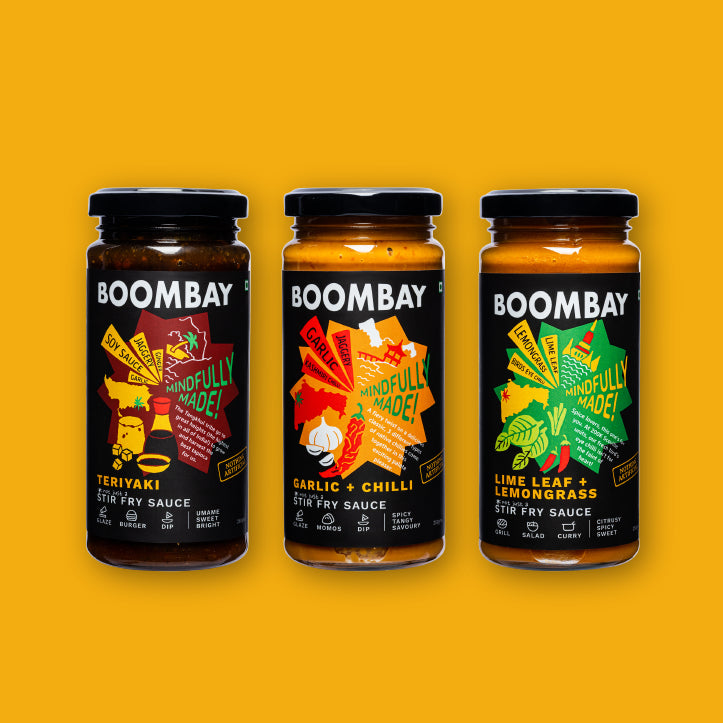
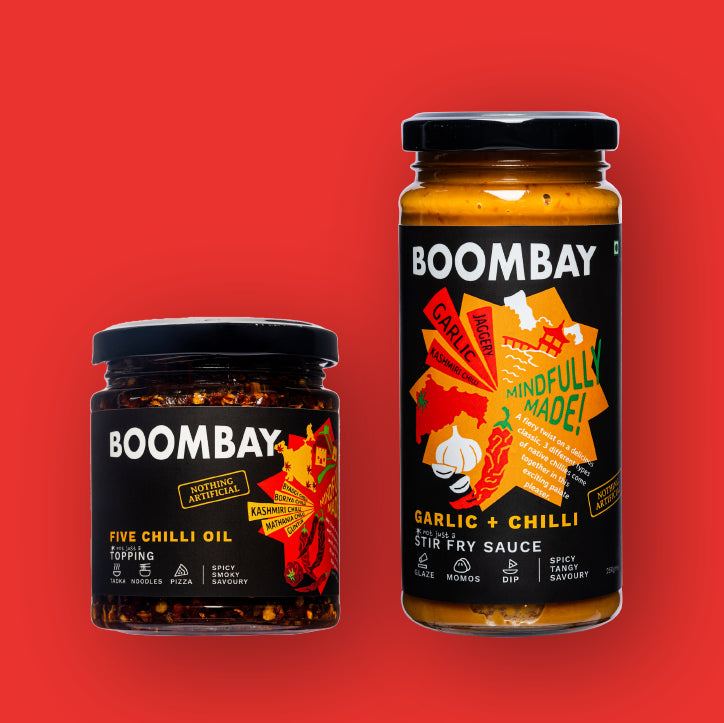
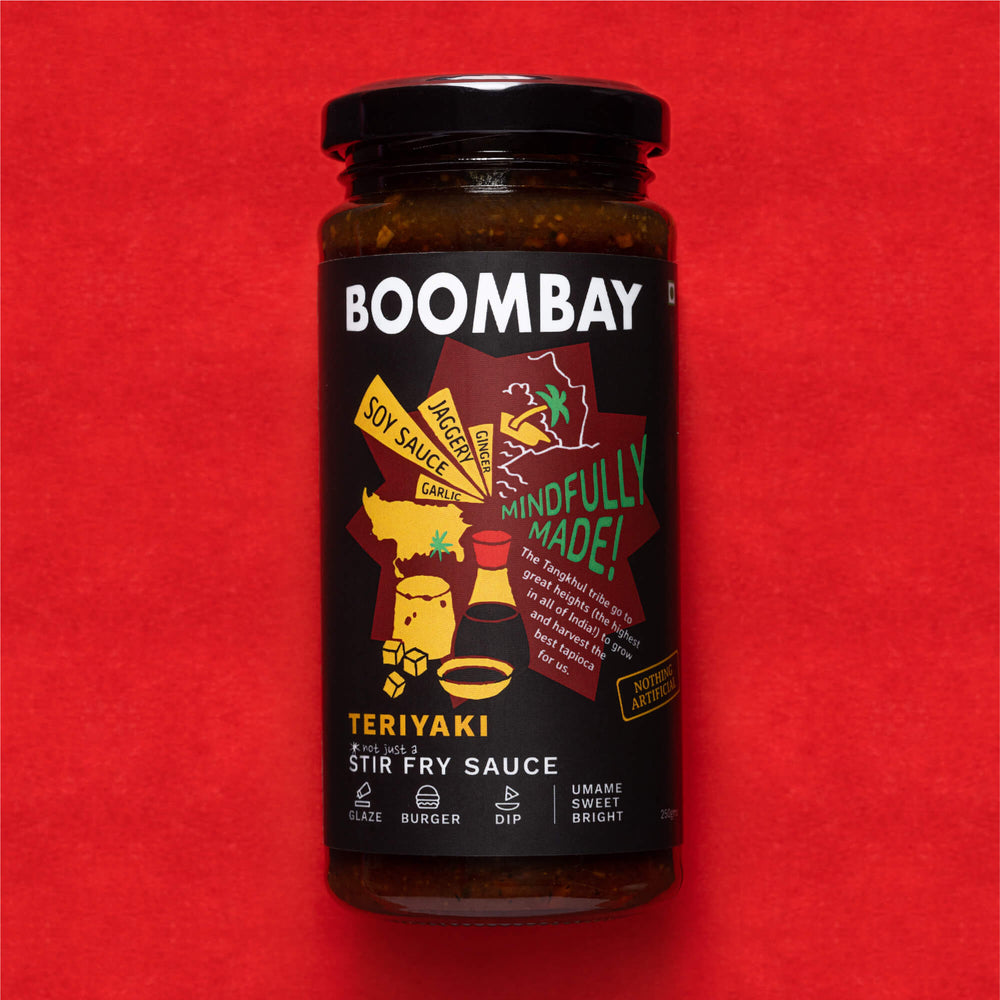
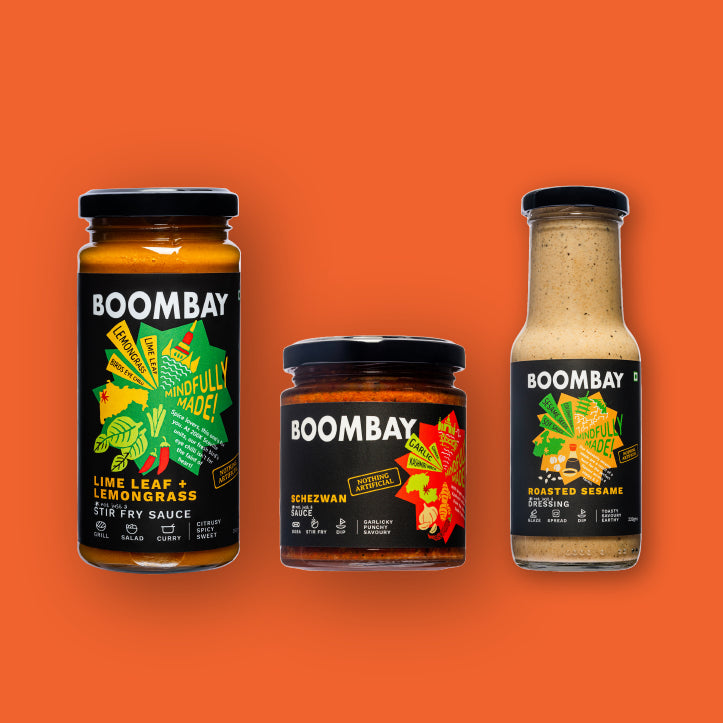
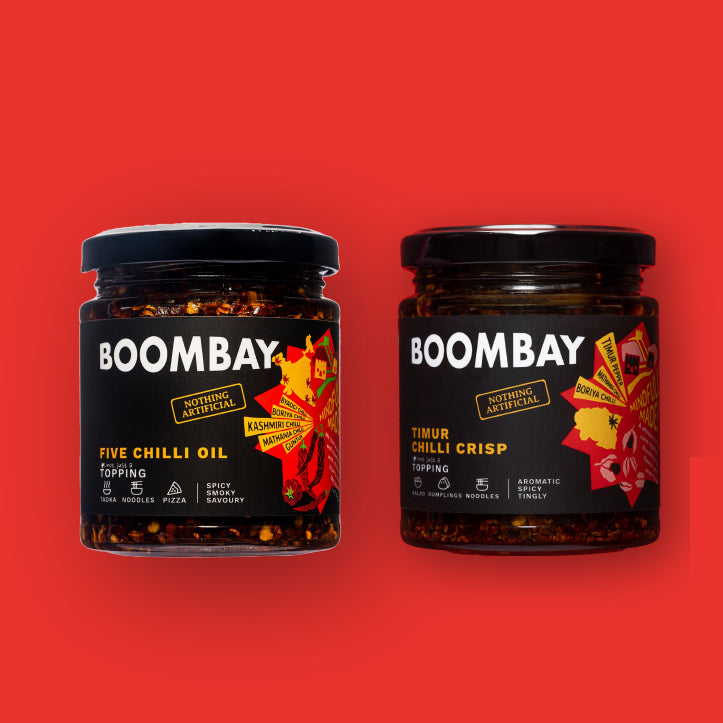
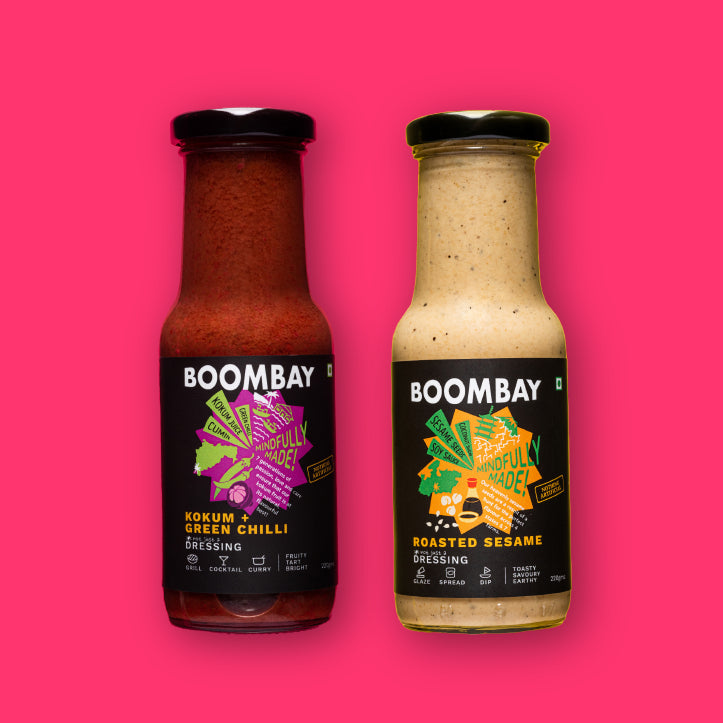
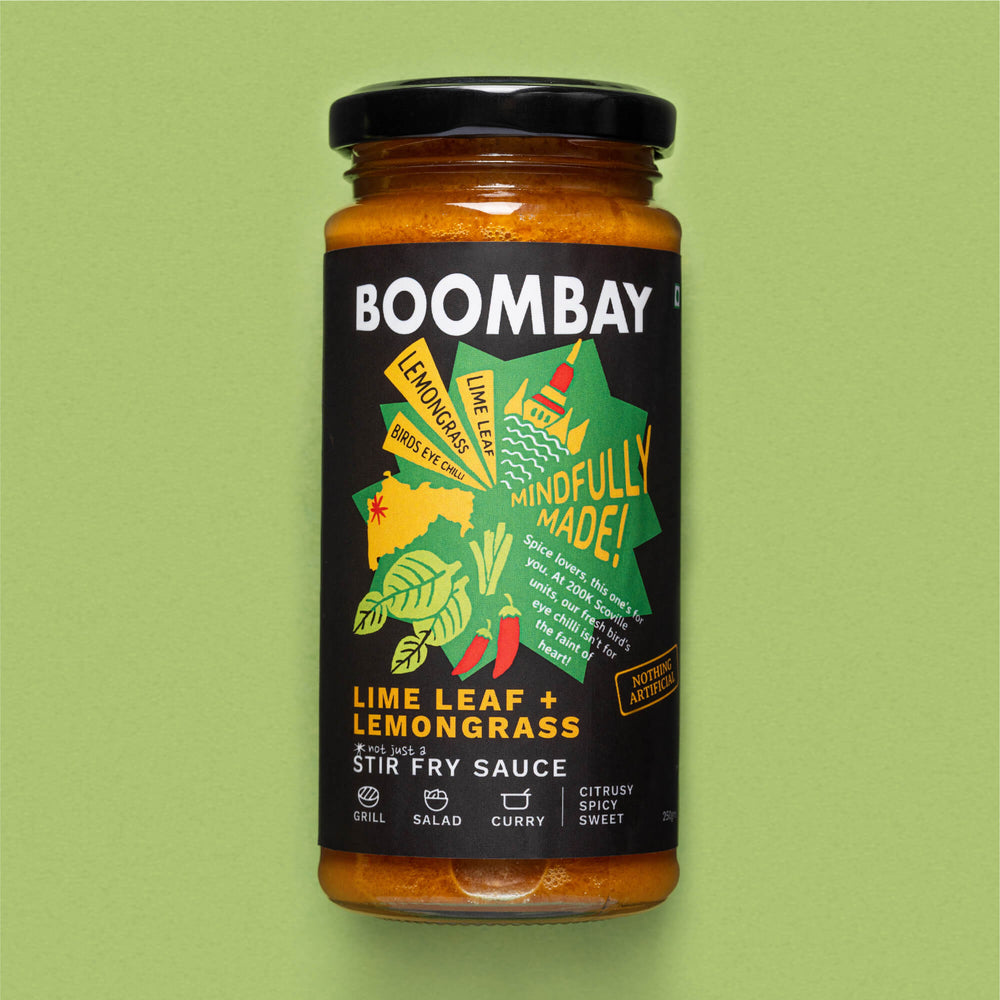
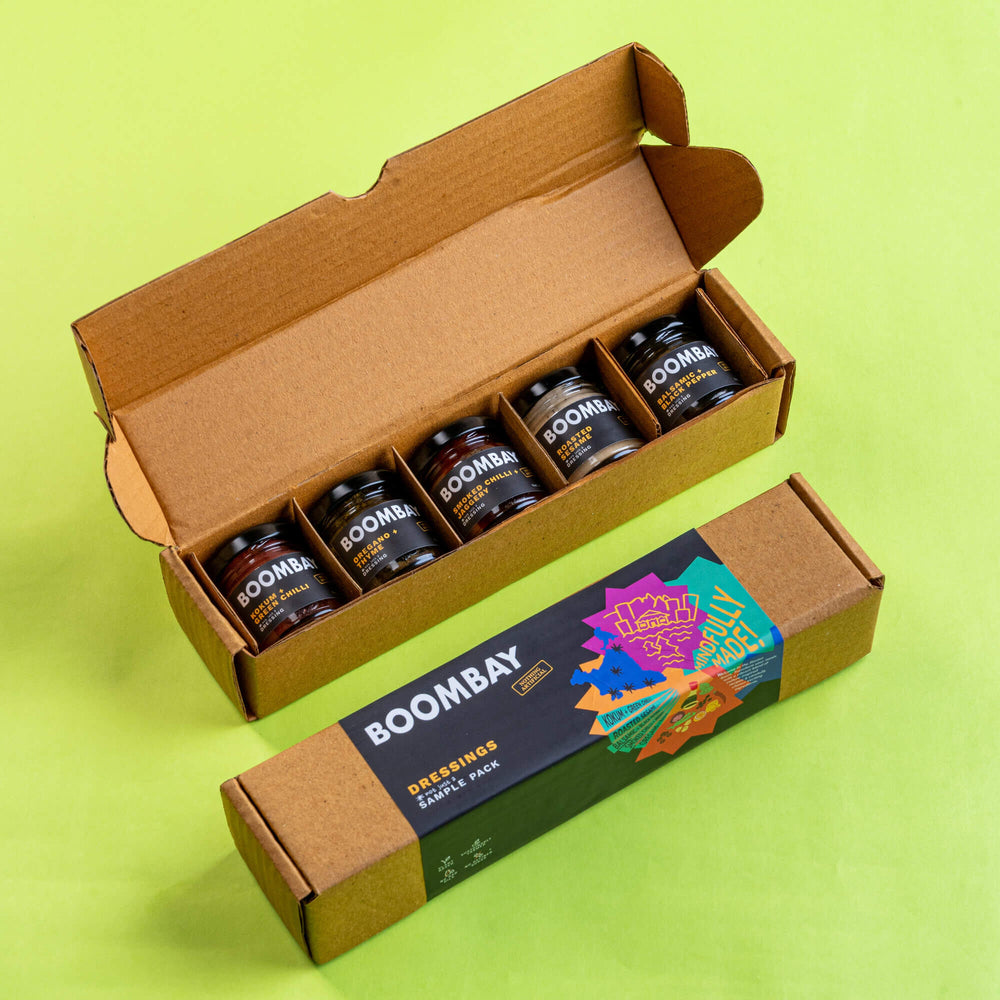
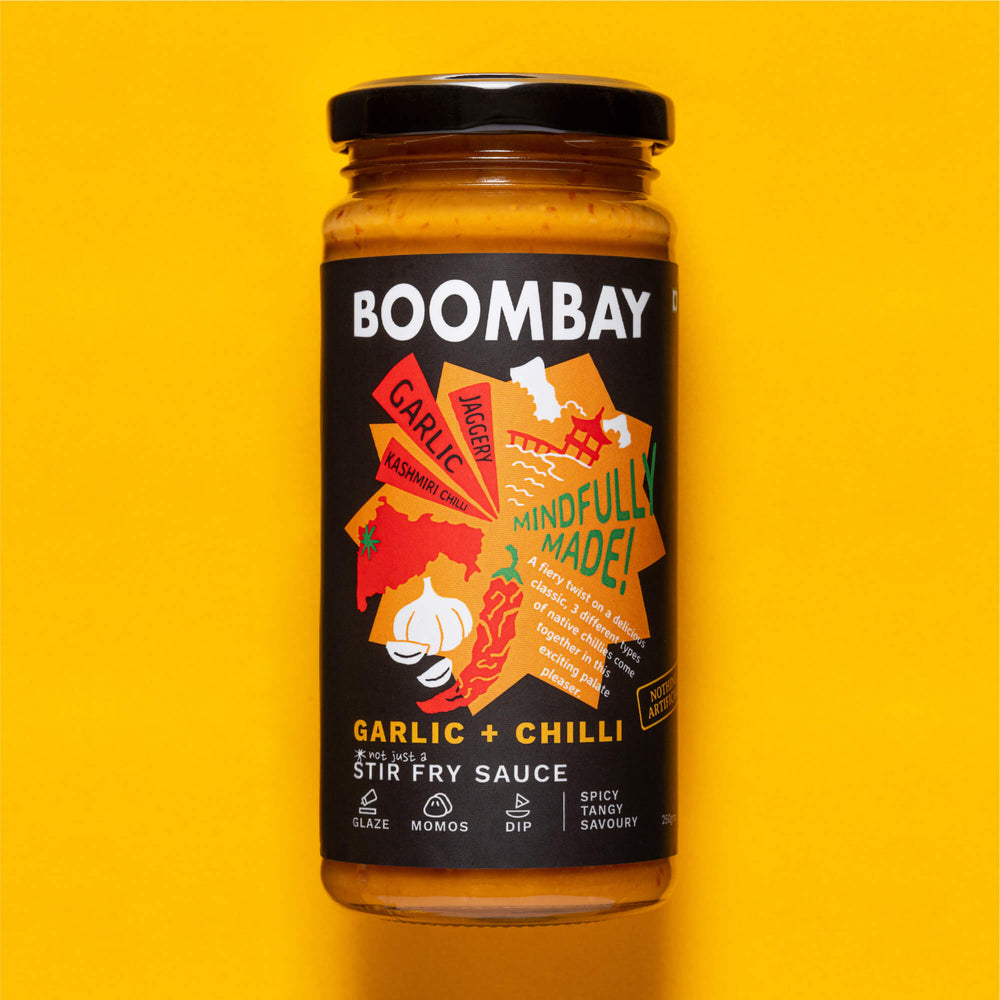
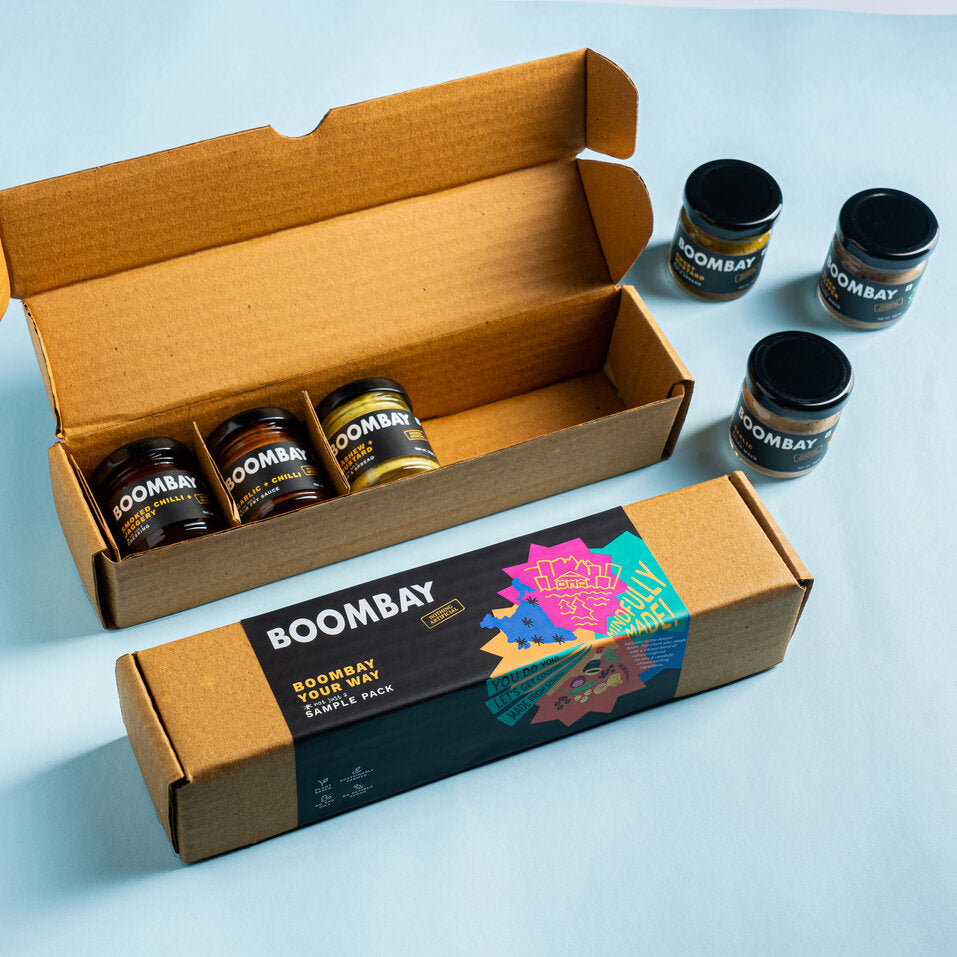
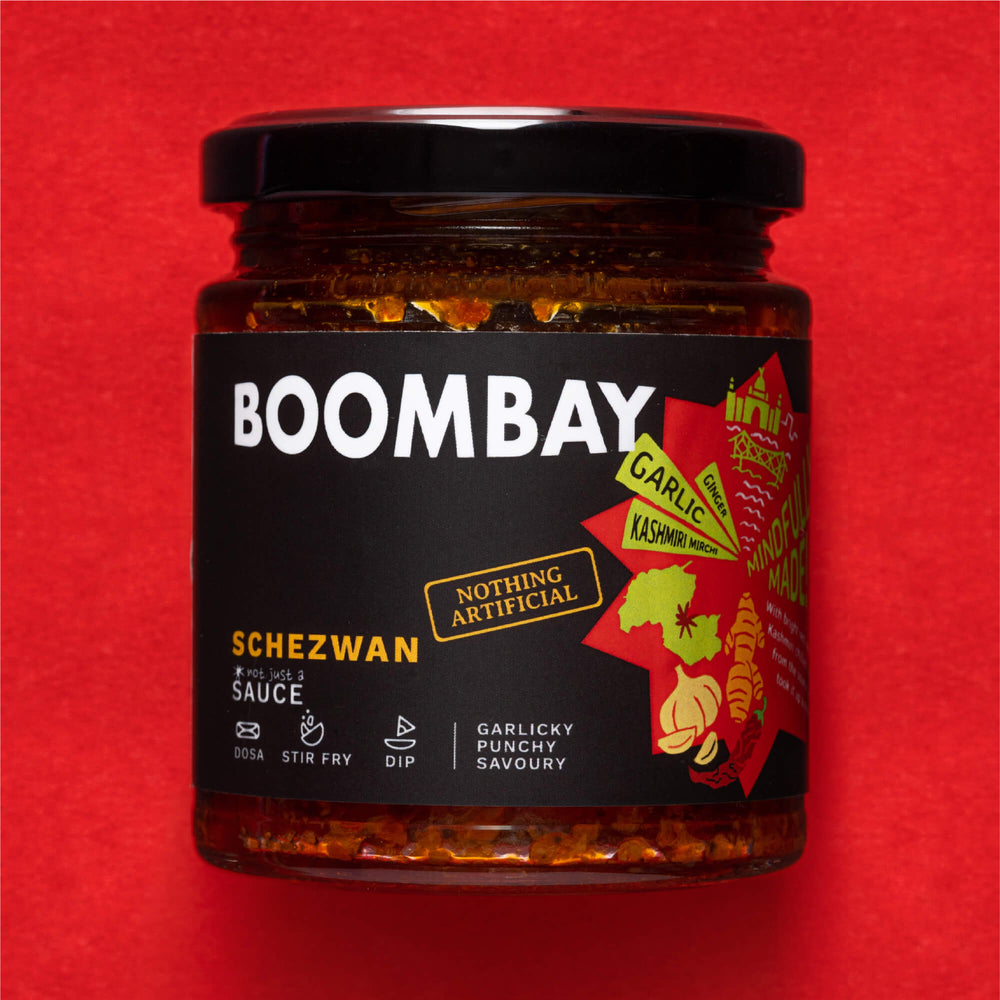
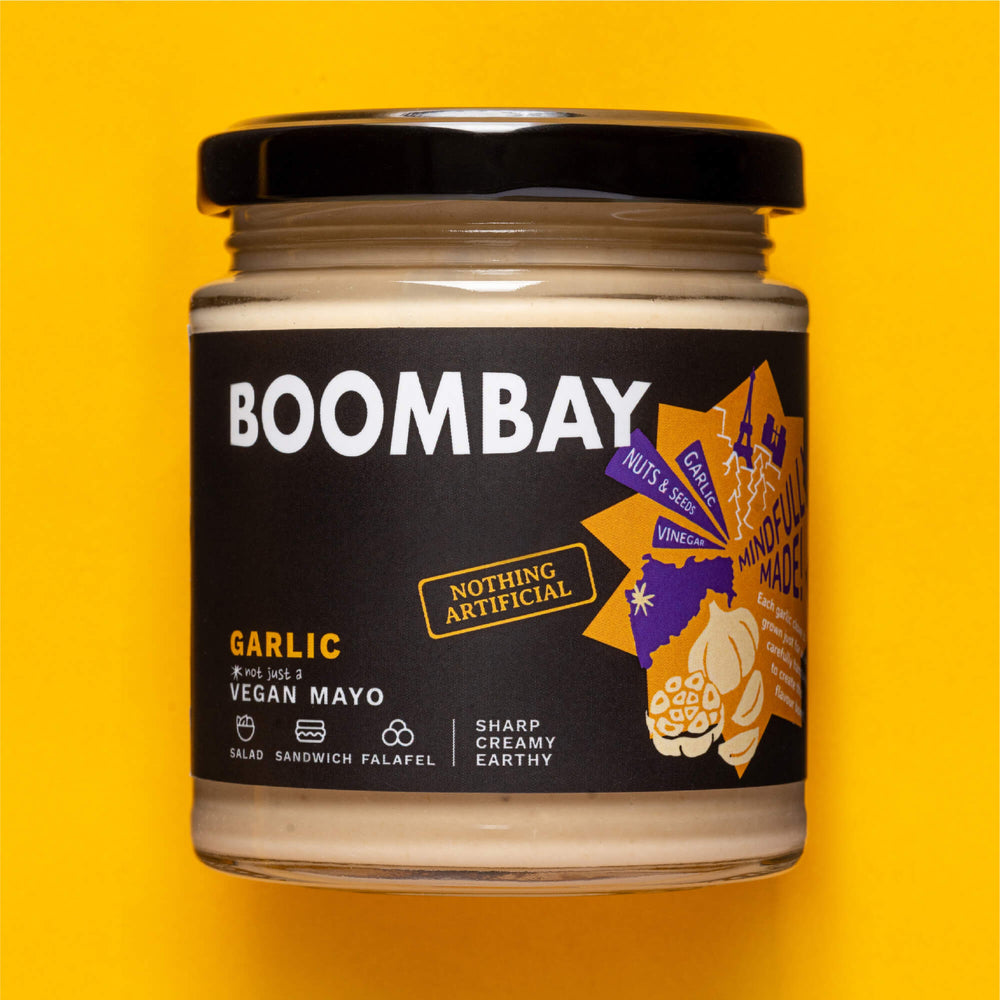
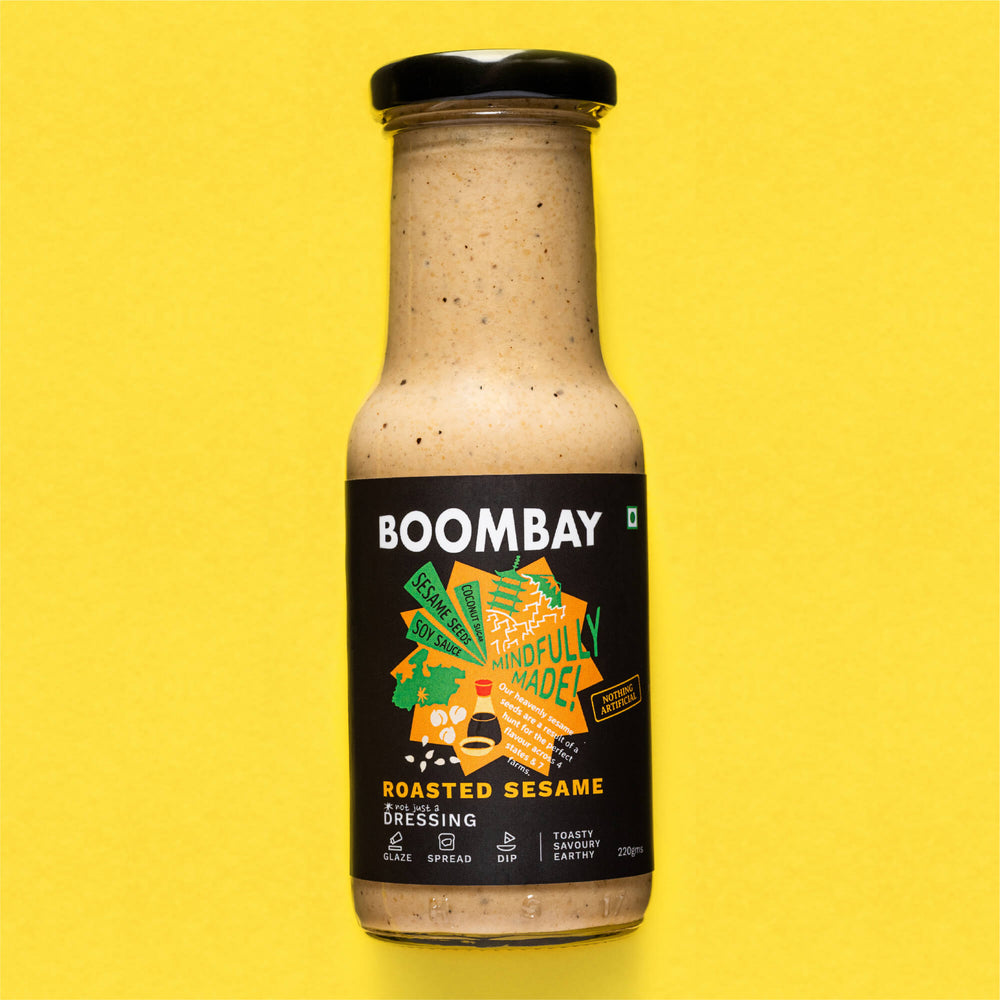
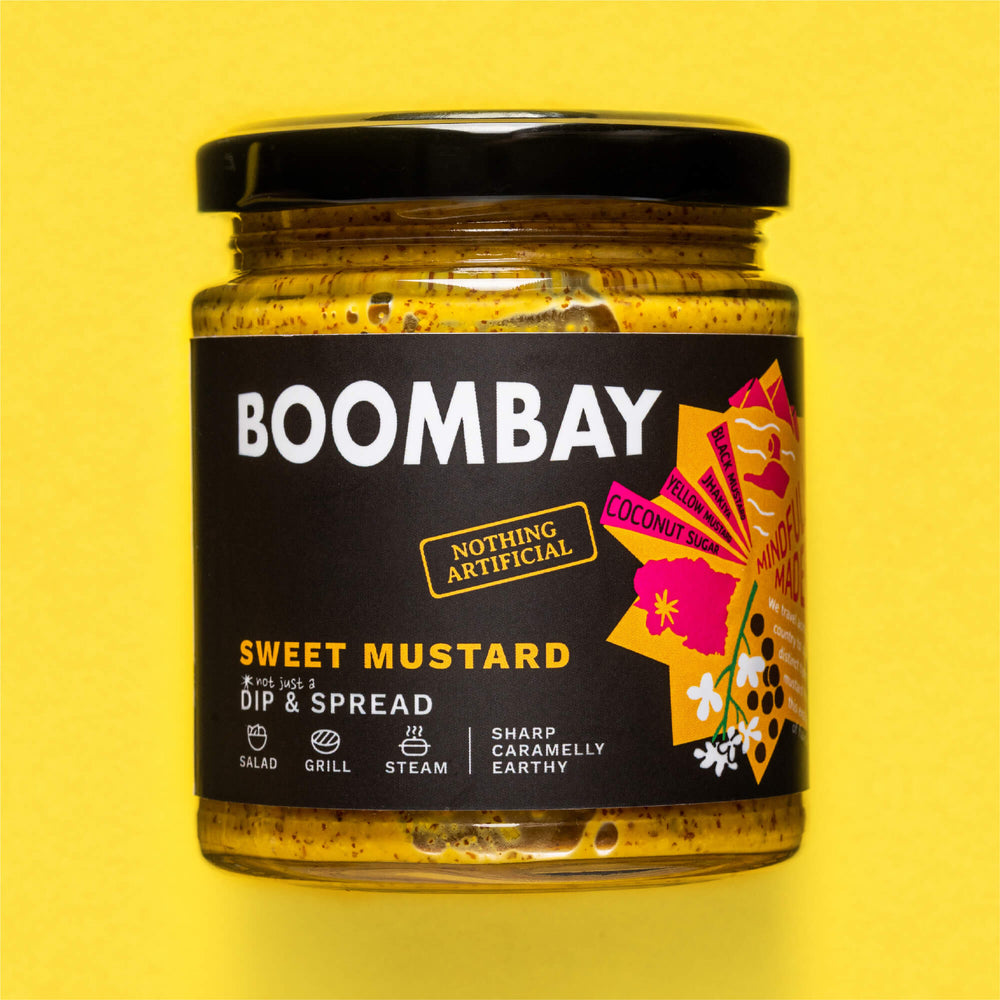
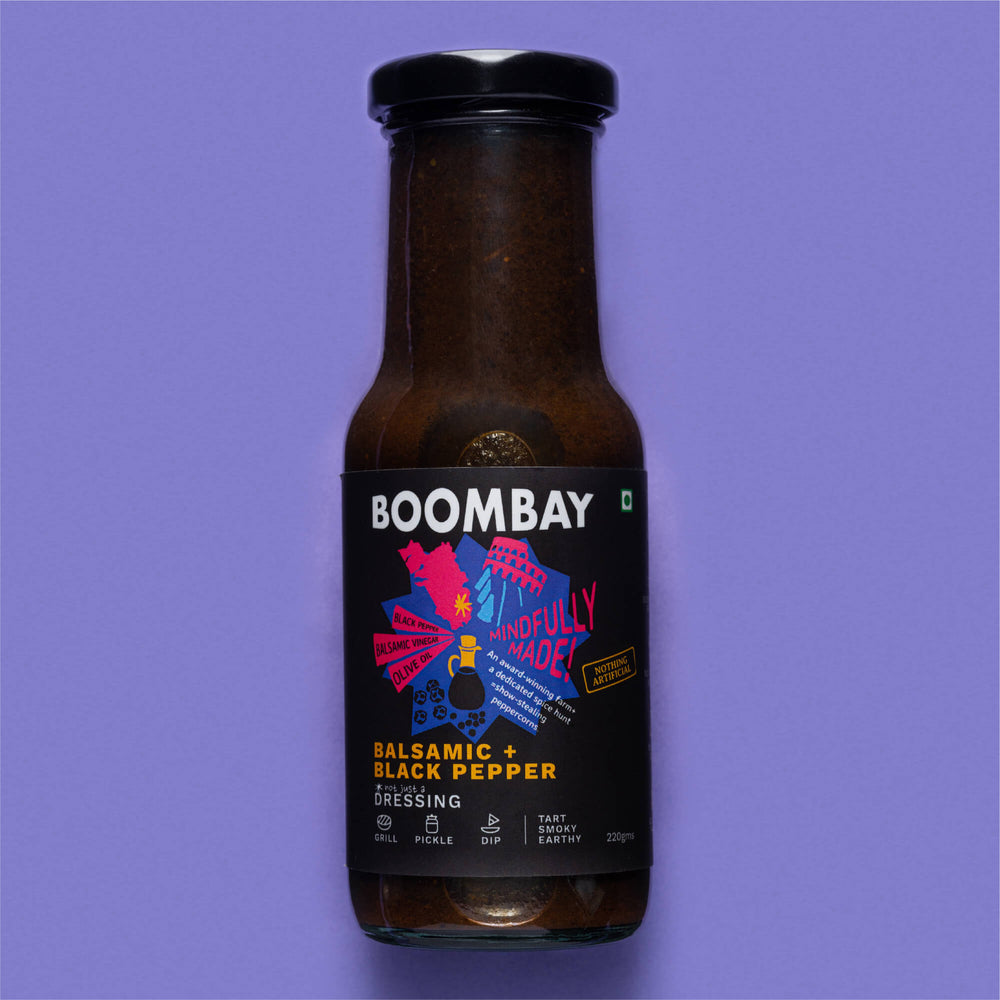
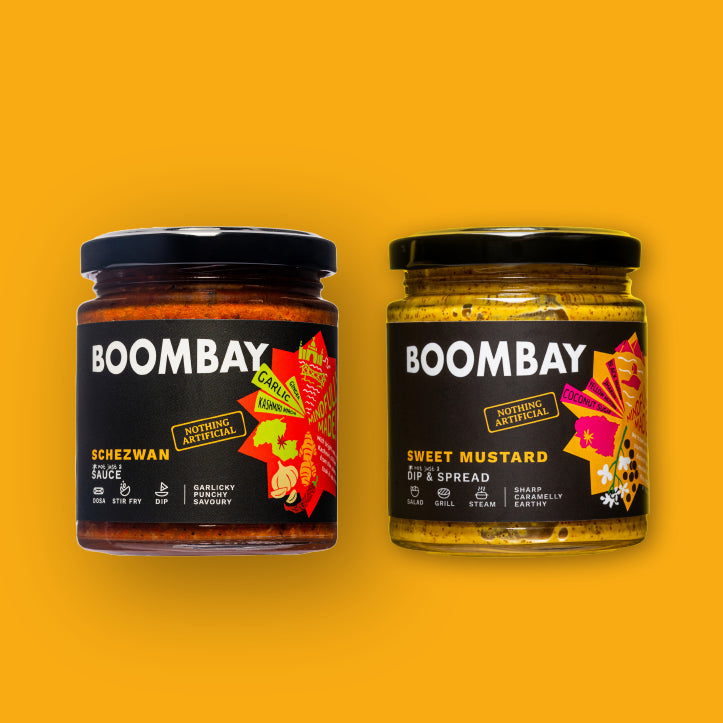
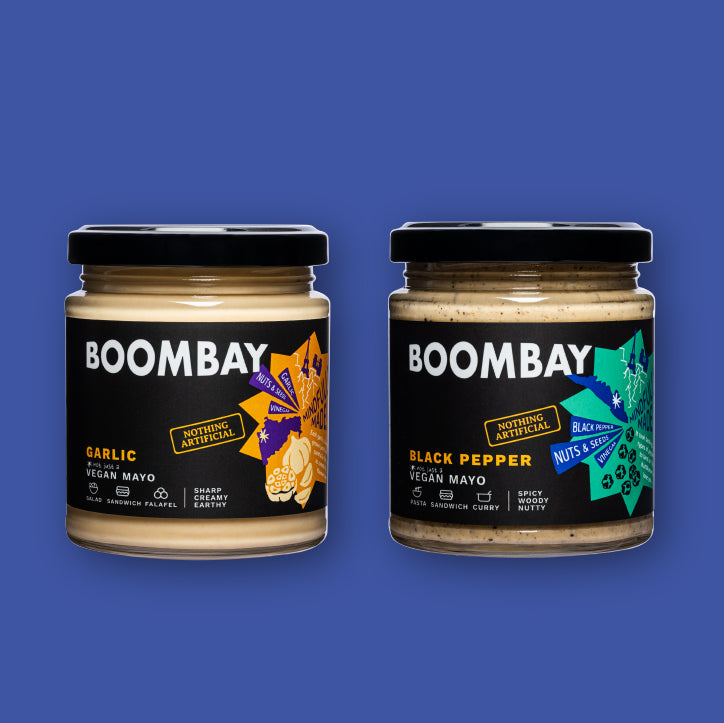
Most ready-made sauces work with these basics, requiring no additional exotic ingredients. Keep a few good sauces on hand, and suddenly the pantry staples create dozens of quick meals.
Stock the essentials, cook regularly, and build gradually. The pantry fills naturally without overwhelming either the budget or the cabinet space.
Shop essentials here to complement your cooking.
Frequently Asked Questions
Q. Do I really need all these spices to start?
No. Start with the five must-haves: turmeric, red chili, coriander powder, cumin seeds, and garam masala. Add others only when a recipe specifically needs them.
Q. Can I substitute spices if I don't have one?
Sometimes. Cumin powder can replace cumin seeds in a pinch. But garam masala can't really be substituted. It's better to skip a less essential spice than to substitute randomly.
Q. How long do spices stay good?
Whole spices last 2-3 years. Ground spices lose potency after 6-12 months. Buy smaller quantities of ground spices and replace regularly rather than hoarding large jars.
Q. What's the difference between atta and regular whole wheat flour?
Atta is finely milled from hard wheat varieties. Regular whole wheat flour is coarser and produces denser rotis. For authentic texture, use atta specifically.
Q. Is a pressure cooker necessary?
Not strictly necessary, but incredibly useful. Dals cook in 15 minutes instead of 45. Rice cooks perfectly. For regular Indian cooking, a pressure cooker pays for itself in time savings.
Q. Can I skip the fresh ingredients and just use dried/powdered versions?
Fresh ginger and garlic taste significantly better than dried versions. Fresh is worth it. However, dried versions work in emergency situations when fresh ones aren't available.