That moment when you taste a vegetarian curry and something's missing. It's balanced, it has heat, it has spice, but it doesn't feel complete. That's umami.
Umami isn't a flavor to chase or a nutrient to count. It's a structural element. It's what separates a plate that feels nourishing from one that just fills your stomach. It's the difference between a decent weeknight meal and something you want to make again next week.
In vegetarian Indian cooking, umami was built into recipes centuries before Kikunae Ikeda named it in 1908. While he was isolating glutamic acid in kombu seaweed broth, Indian kitchens were stacking fermented tamarind, slowly caramelized onions, asafoetida, and toasted spices into the same savory depth. Different names. Same precision.
Here's how to replicate that precision in your kitchen.
1. Toast Your Spices First (The Tadka Principle That Changes Everything)
Most home cooks toast spices at the end. Wrong order.
When you heat cumin, cardamom, bay leaves, or carom in a dry pan for 30 to 60 seconds, something chemical happens. The heat breaks down cell walls. Starches convert into new compounds. Proteins react with sugars. What emerges is glutamic acid, the molecule that triggers umami.
The evidence is in how fast it works. A single second more than necessary and you've crossed from "awake" to "burnt." The timing matters because you're transforming the spice at a molecular level.
Why traditional tadka beats the Western approach: Most recipes toast spices after sautéing aromatics. By then, the spices are competing with steam and moisture. Toasting dry, first, locks in the umami before anything else touches the pan.
The real move? Toast your spices. Let them cool slightly. Then add oil and aromatics. Layering is why restaurant curries taste deeper than home versions, even with identical ingredients.
2. Fermented Pastes Are Flavor Banks, Not Seasonings
Fermentation is a process for concentrating umami. It's not optional.
Tamarind is fermented fruit, and Indian cooks have used it for centuries to build savory depth into dishes. Its tangy notes work alongside the umami compounds already present in other ingredients.
Asafoetida (hing) is a fermented resin. Most people encounter it by smell and recoil. But in hot oil, the fermented funk resolves into something your taste buds recognize as savory. There's no substitute for this smell-to-taste transformation.
Here's what separates home cooks from people who cook well: they don't treat fermented pastes as interchangeable. They use them as anchors. One tablespoon of tamarind paste in a curry for 6 servings. The amounts are small because the compounds are concentrated.
For those open to experimenting beyond traditional Indian ingredients, miso, a fermented soybean paste, adds remarkable depth to dals and vegetable dishes. The Miso + Ginger Stir Fry Sauce combines fermented miso with naturally fermented coconut vinegar and ginger. Three fermented elements in one bottle, ready to anchor noodles, fried rice, or a vegetable bowl.
3. Slow-Cook Your Aromatics (This Is Where Time and Fat Matter)
Onions and garlic are umami warehouses, but only if you take time to open them.
Fry your onions slowly in cold-pressed sesame oil or ghee, 8 to 12 minutes, until they're deep golden and sweet. You're not just softening them. You're caramelizing the sugars, which break down into complex savory compounds. Fat carries these flavors, coating your palate and making the umami register more fully.
Garlic cooked gently in oil until soft becomes something different than raw garlic. The harsh bite converts into sweetness. The compounds that register as pungent become savory.
Why this matters for weeknight cooking: Most recipes say "sauté onions and garlic for 2 minutes." Two minutes means raw garlic competing with everything else. Eight to 12 minutes means the aromatics have had time to transform, and the fat has had time to carry those flavors throughout the dish.
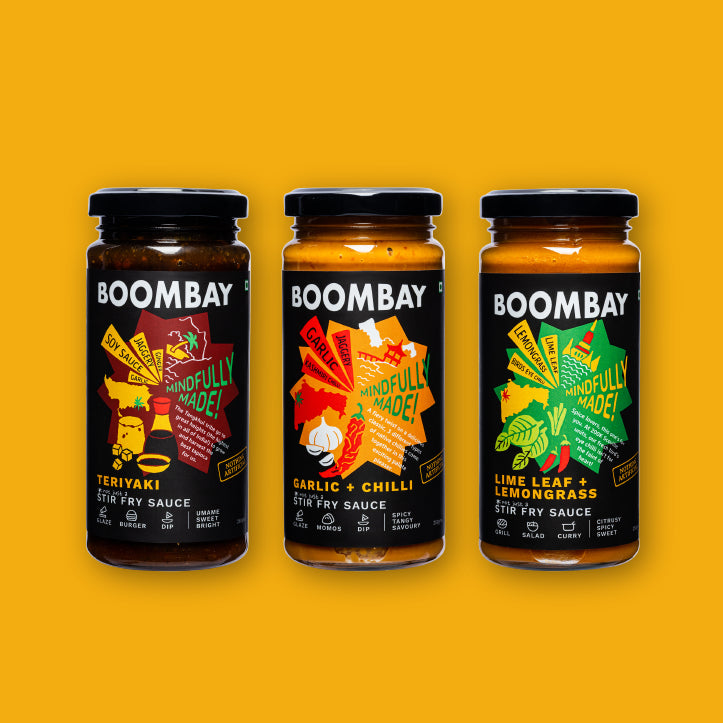
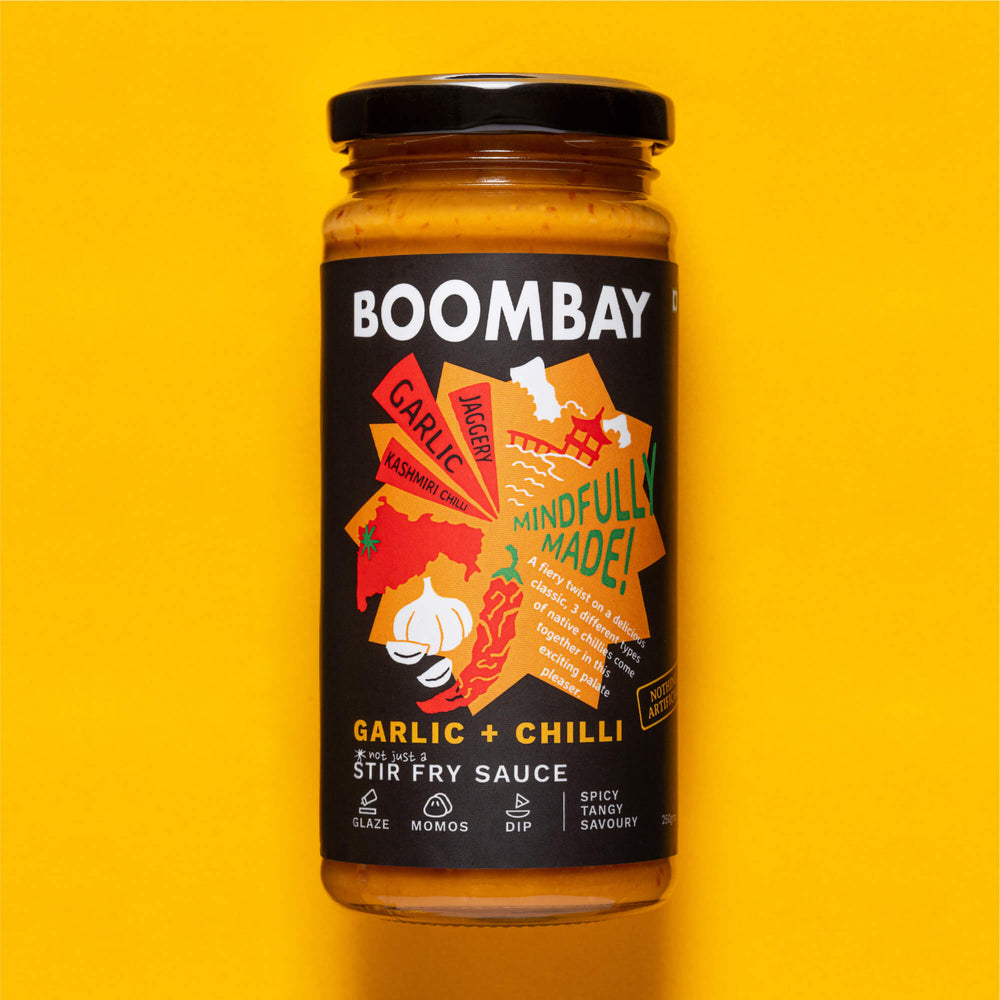
The Garlic + Chilli Stir Fry Sauce works as a shortcut base when you're pressed for time. Add it to your pan, let it coat your vegetables, and you've got aromatic depth without the wait.
4. Tomato Is a Glutamic Acid Concentrate
Raw tomatoes have glutamic acid. Cooked tomatoes have more. Reduced tomatoes have exponentially more.
Heat concentrates. Reduction concentrates further.
When you simmer a can of crushed tomatoes down by half, you're concentrating glutamic acid. The longer the simmer, the denser the umami.
Sun-dried tomatoes aren't fancy. They're a shortcut to this same concentration. Six to eight hours of sun and heat do what a stove does in 45 minutes.
The error most home cooks make: They treat tomato as an acidic ingredient that needs balancing. Tomato is an umami foundation that needs respect. Don't thin it. Don't rush it. Let it reduce and deepen.
5. Nuts and Seeds Release Umami When Toasted
Walnuts, sesame, and mustard seeds add more than texture.
When you toast sesame seeds, you're generating heat-induced reactions that create new compounds, some of which register as umami. Grinding them into a paste further breaks down cell structures, releasing oils and proteins that carry umami compounds.
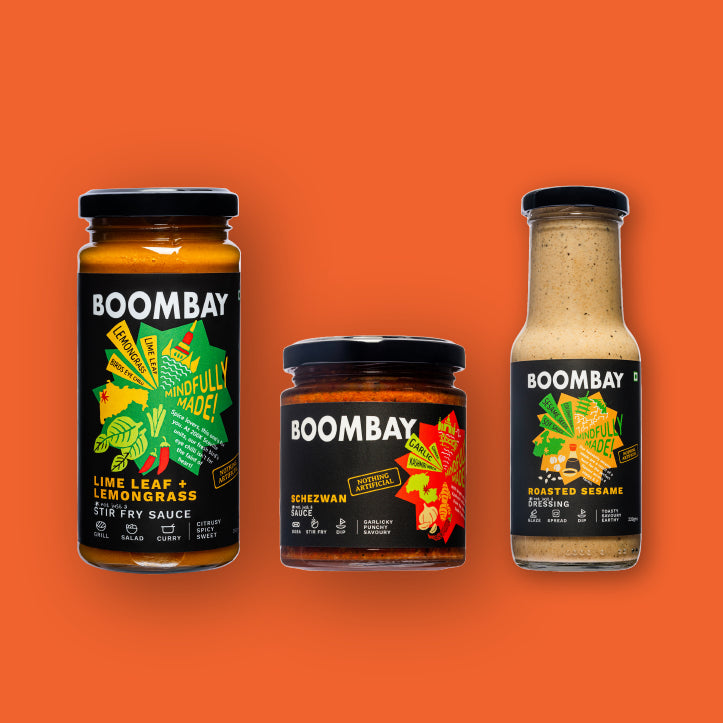
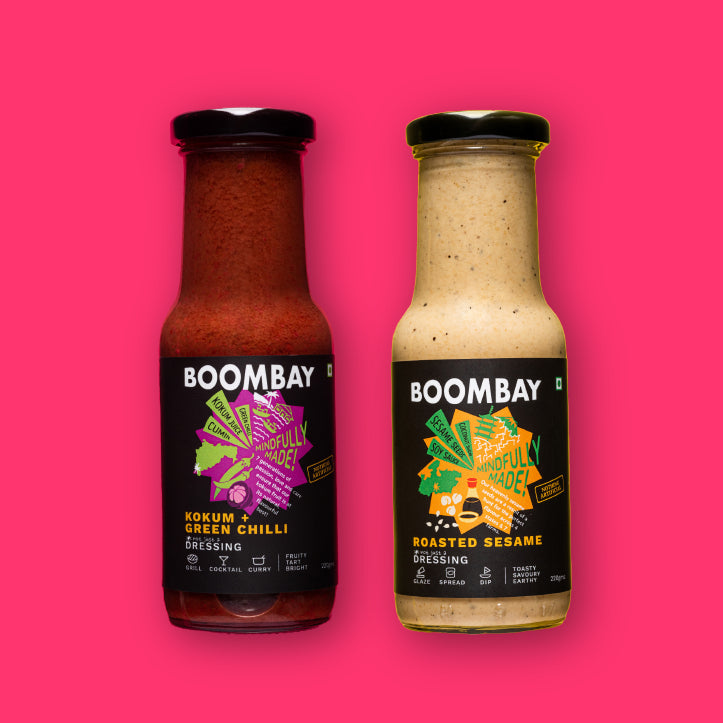
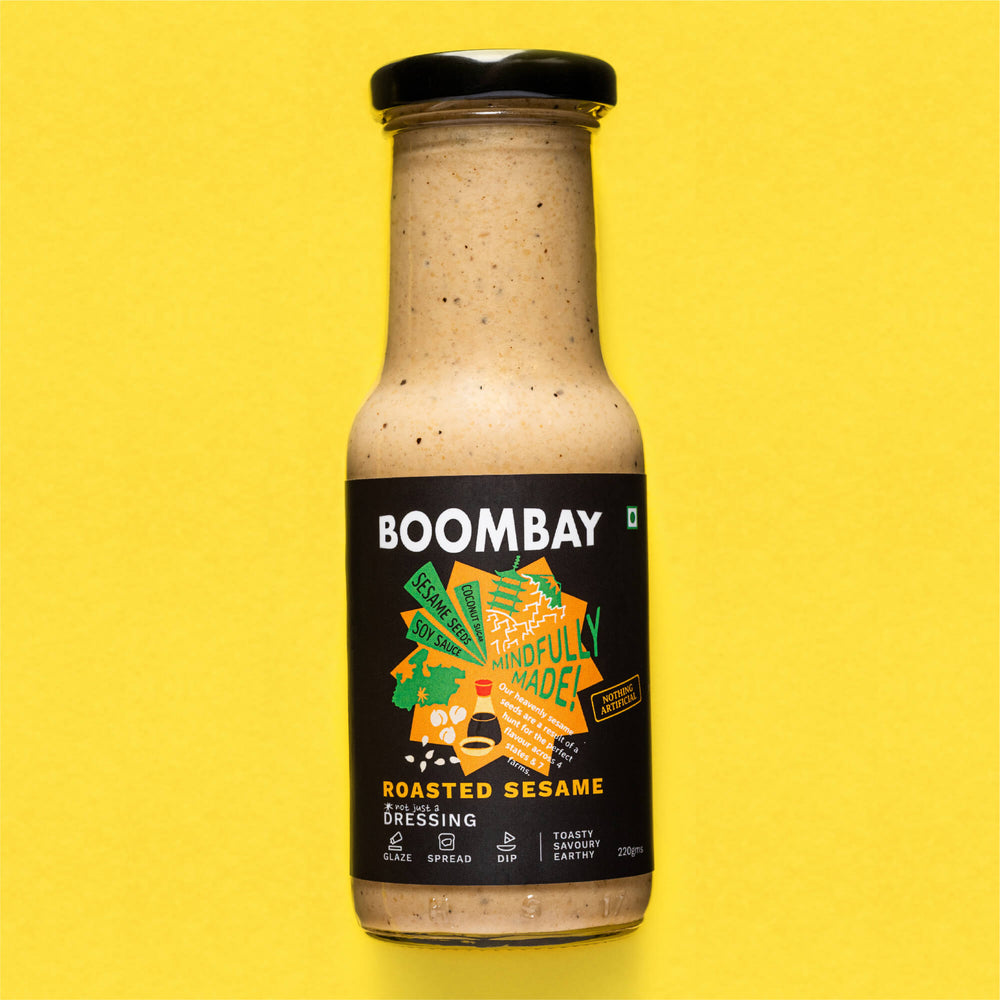
The Roasted Sesame Dressing combines roasted sesame oil, sesame seeds, and miso to hit umami from multiple angles. One angle would be interesting. Three angles is complete.
Mustard seeds (especially when tempered in oil) add a peppery umami note that's distinct from the warmth of black pepper or cardamom.
The practical lesson: Toast a small handful of mixed nuts and seeds. Let them cool. Grind them coarse. Sprinkle over dal or curried vegetables. You've added texture, aroma, and a third source of umami in under five minutes.
6. Naturally Fermented Vinegar Creates Balance, Not Sharpness
Here's where many cooks get it wrong. They think acid is about cutting through richness or adding brightness. But naturally fermented coconut vinegar does something more subtle.
Boombay uses naturally fermented coconut vinegar across their range specifically to create balance. Not to spike acidity, but to round out the flavor profile so no single note dominates. The fermentation process generates its own umami compounds, which integrate smoothly with the other ingredients.
A well-balanced sauce shouldn't make you think "that's acidic" or "that's salty" or "that's sweet." You should just think "that tastes complete." That rounded, integrated flavor is what separates a thoughtfully made sauce from one that hits you with one note at a time.
7. Layering Sauces Multiplies Umami. Thinning Dilutes It.
Here's the mistake: someone adds a sauce, tastes it, finds it concentrated, and thins it with water, stock, or oil. They think they're balancing. They're actually destroying.
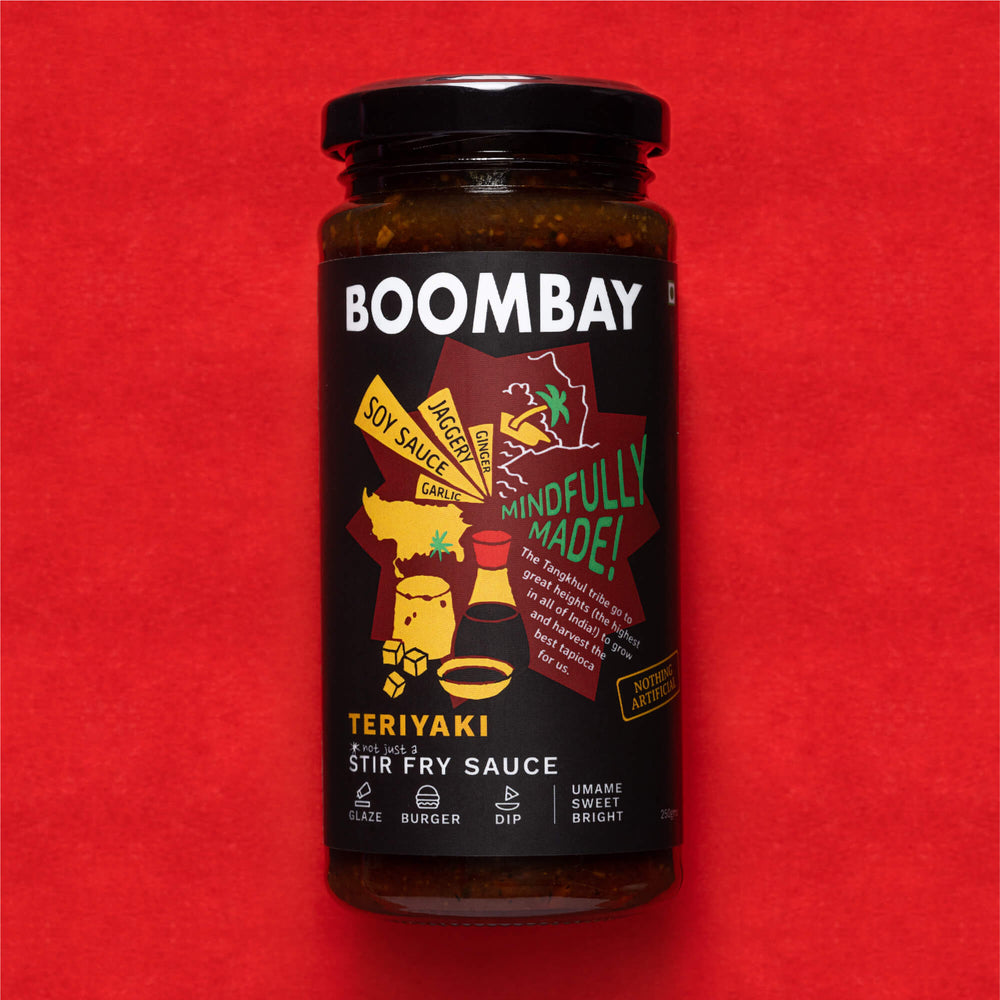
Boombay sauces are built to stand alone. Teriyaki (soy sauce, jaggery, naturally fermented coconut vinegar, garlic) is a complete umami structure. Use it at full strength.
The trick is layering, not replacing.
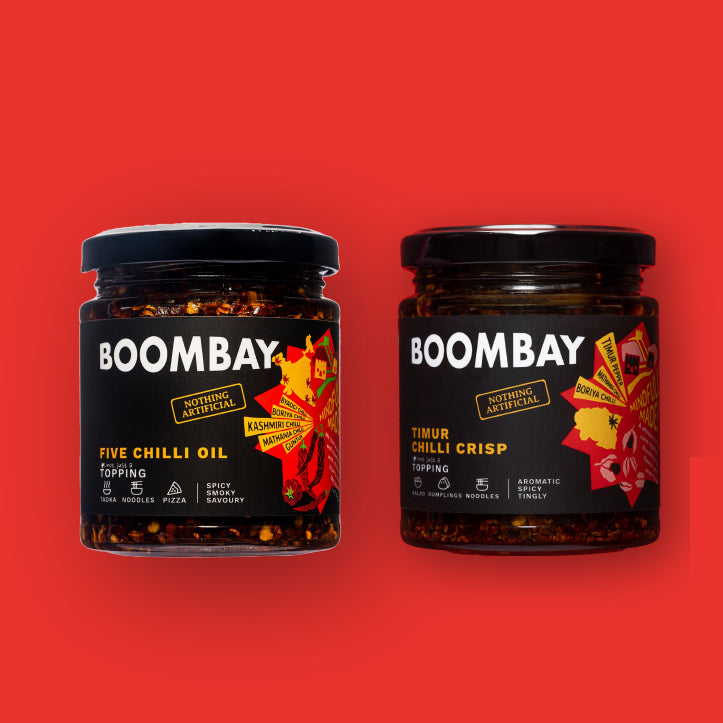
Start your vegetable stir-fry with Teriyaki. Let it glaze the vegetables and combine with their moisture. Finish with Five Chilli Oil, not mixed through but drizzled on top. Top with a crack of black pepper or toasted sesame.
Each layer adds complexity. Nothing dilutes anything. Your palate encounters umami compounds in sequence, which makes the dish feel deeper and more satisfying than a single uniform sauce would.
Why This Matters
Umami is a structural principle that separates meals you forget from meals you remember.
When you toast your spices first, use fermented bases, slow-cook your aromatics with good fat, concentrate your tomato, toast your nuts, use naturally fermented vinegar for balance, and layer your sauces, the meal becomes complete. Not because of one element, but because each element works in sequence to build depth.
For quick reference: toast spices dry first, use fermented pastes as anchors, fry aromatics slow (8 to 12 minutes), reduce tomato instead of thinning it, toast nuts and seeds before grinding, use naturally fermented vinegar for rounded flavor, and layer sauces instead of diluting them.
Try these techniques on your next dal or stir-fry. Tag @boombayfoods and show us how you're building umami.
FAQs
Q. Do I need MSG to add umami?
No. Umami from fermented ingredients, slow-cooked aromatics, tomatoes, and toasted spices offers more complexity. MSG works, but it's one-dimensional.
Q. What if my sauce is too concentrated?
Use less. Start with a teaspoon per serving, taste, then add more if needed. Never dilute with water or stock.
Q. Which Boombay products anchor a dish best?
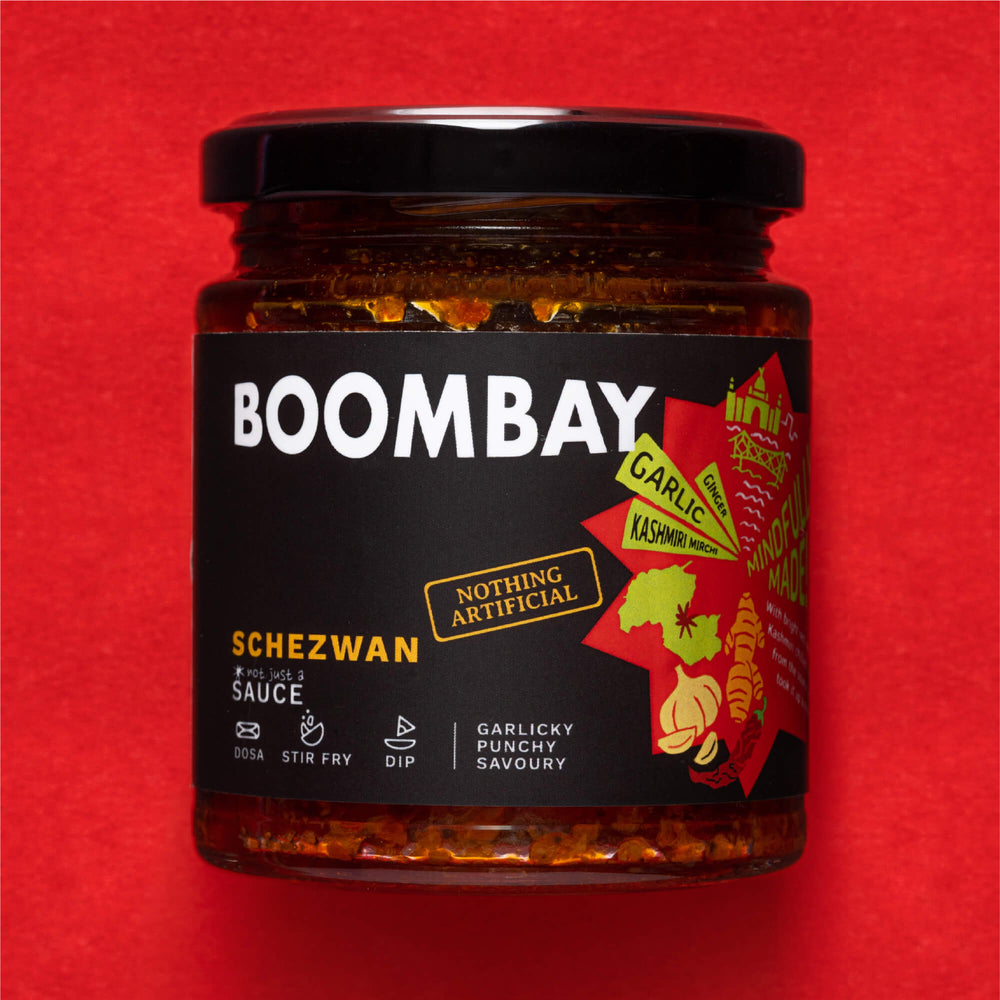
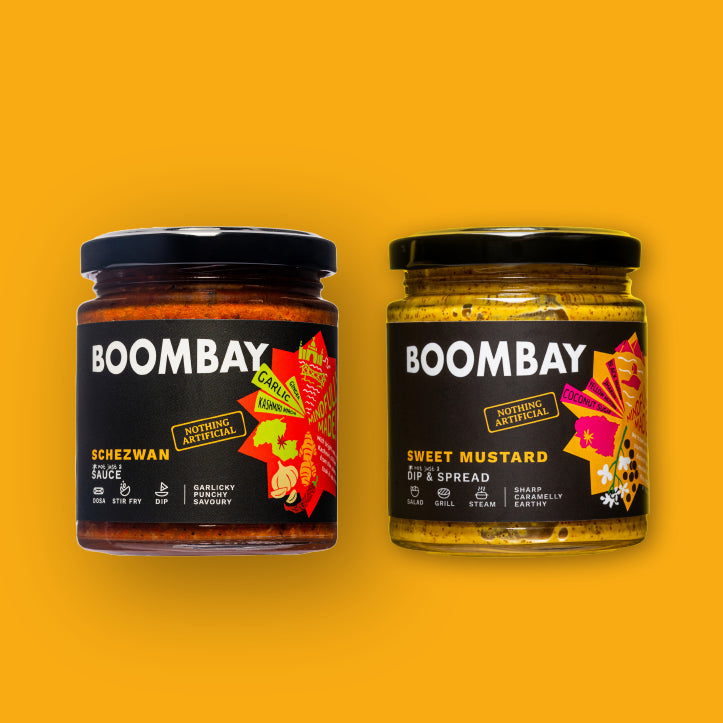
Miso + Ginger for fermented depth, Schezwan for roasted spice base, Garlic + Chilli for aromatic foundation. Any works as an anchor, not a filler.
Q. Why do my curries taste flat compared to restaurants?
Three possibilities: you're not toasting spices dry first, you're thinning your base sauces, or you're not letting aromatics caramelize fully. Usually all three.
Q. Should I refrigerate fermented pastes after opening?
Yes. Refrigerating fermented pastes helps extend their freshness and maintain quality. Shake well before use. Separation is normal and simply means no emulsifiers were added. Cold-pressed oils can be stored in a cool, dark place and do not require refrigeration unless specified on the label.
Q. Can I use these techniques for vegan cooking?
Absolutely. Every technique here works for fully plant-based meals. Boombay's entire range is 100% plant-based with no artificial preservatives.