Ever wondered why your butter chicken tastes nothing like spaghetti carbonara? Or why a French bistro feels so different from your favorite Indian restaurant?
The answer isn't just about where the food comes from. It's about two completely different ways of thinking about cooking, flavor, and what makes a meal satisfying.
Let's break it down.
The Spice Difference (This One's Huge)
Indian Cuisine
Picture opening your kitchen cabinet and finding 15 different spice jars. That's normal for Indian cooking. Turmeric, cumin, coriander, cardamom, garam masala, mustard seeds. Each dish uses multiple spices, and they're not there just for heat. They create layers of flavor that build on each other.
When you bite into Indian food, you taste complexity. Your tongue picks up different notes: a little heat, some earthiness, maybe sweetness, all at once.
Continental Cuisine
Now imagine using just salt, pepper, garlic, and maybe one or two fresh herbs like rosemary or thyme. That's continental cooking in a nutshell. The spices don't compete with your main ingredient. If you're eating roasted chicken, you taste chicken first, herbs second.
The flavors are cleaner, simpler, and more straightforward. Nothing fights for attention.
If Indian food is like listening to a full orchestra, Continental food is like listening to a jazz trio. Both are delicious, just different experiences.
How They Actually Cook the Food
Indian Cooking Methods
Indian cooking takes time and patience. You'll see cooks tempering whole spices in hot oil first (that crackling sound when mustard seeds hit the pan). Curries simmer for hours. Tandoor ovens blast food with intense heat to create that charred, smoky flavor.
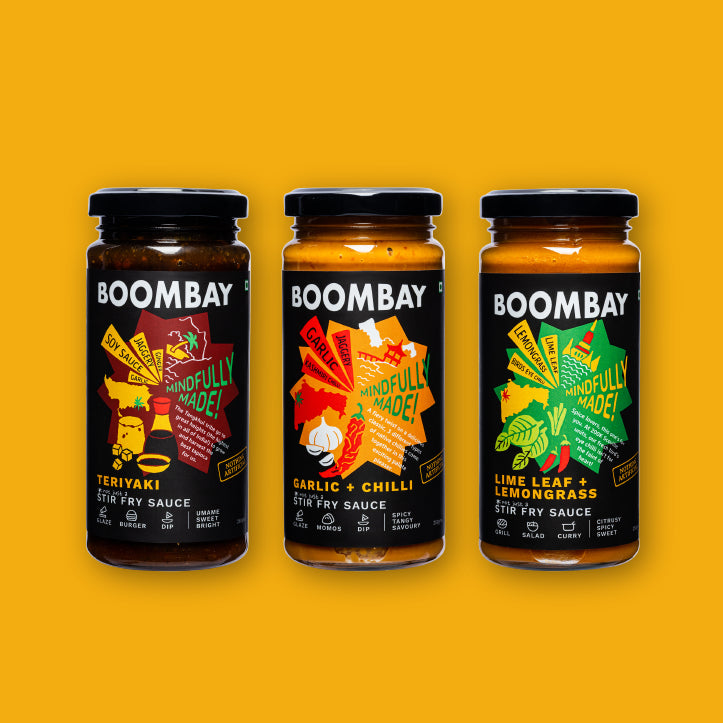
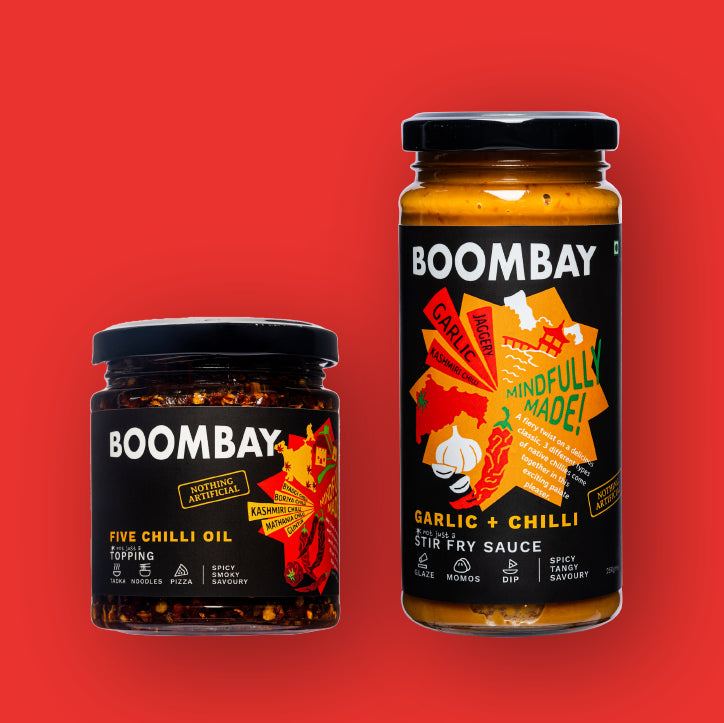
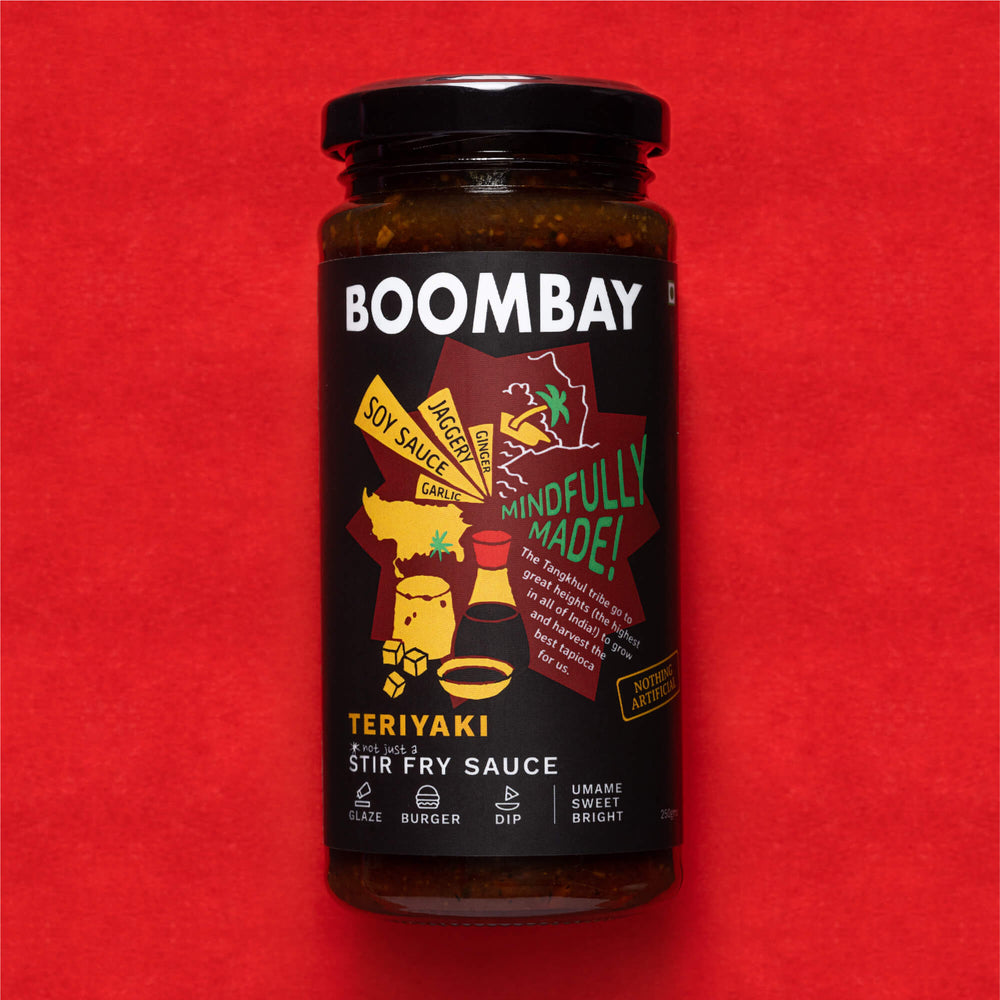
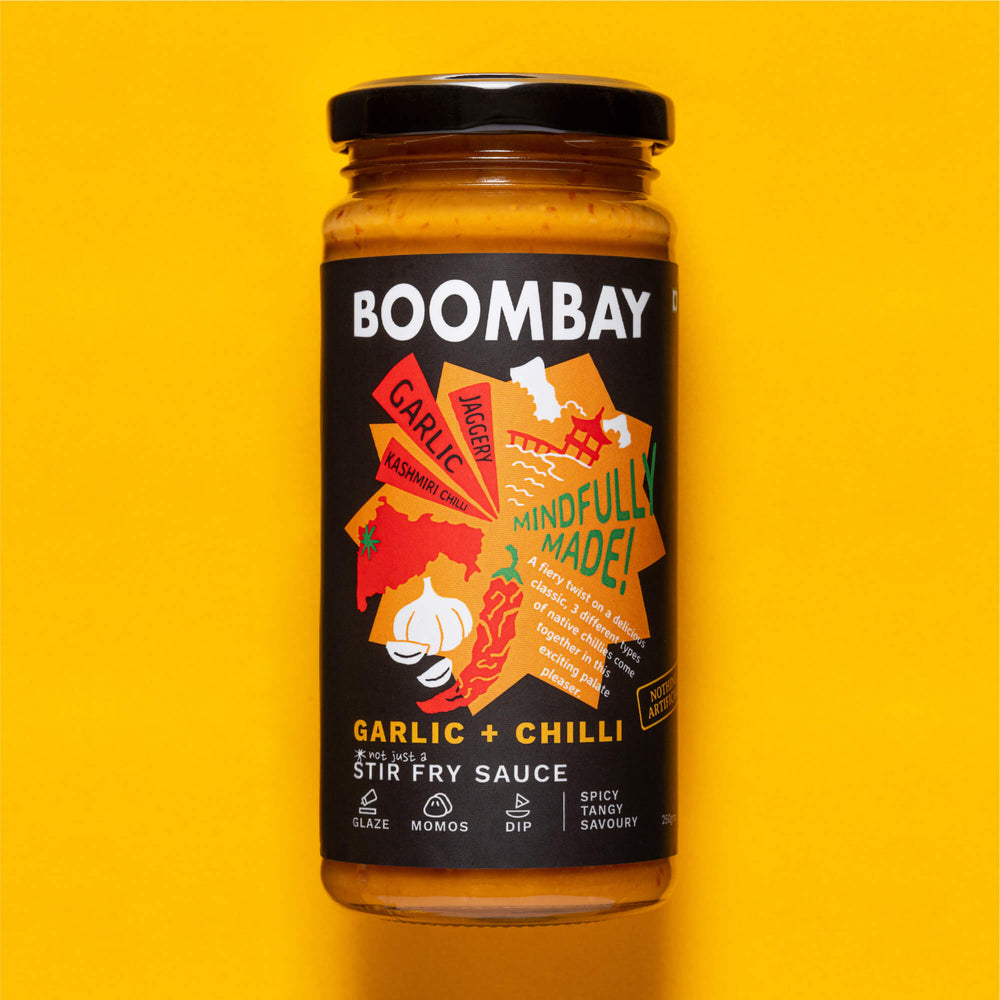
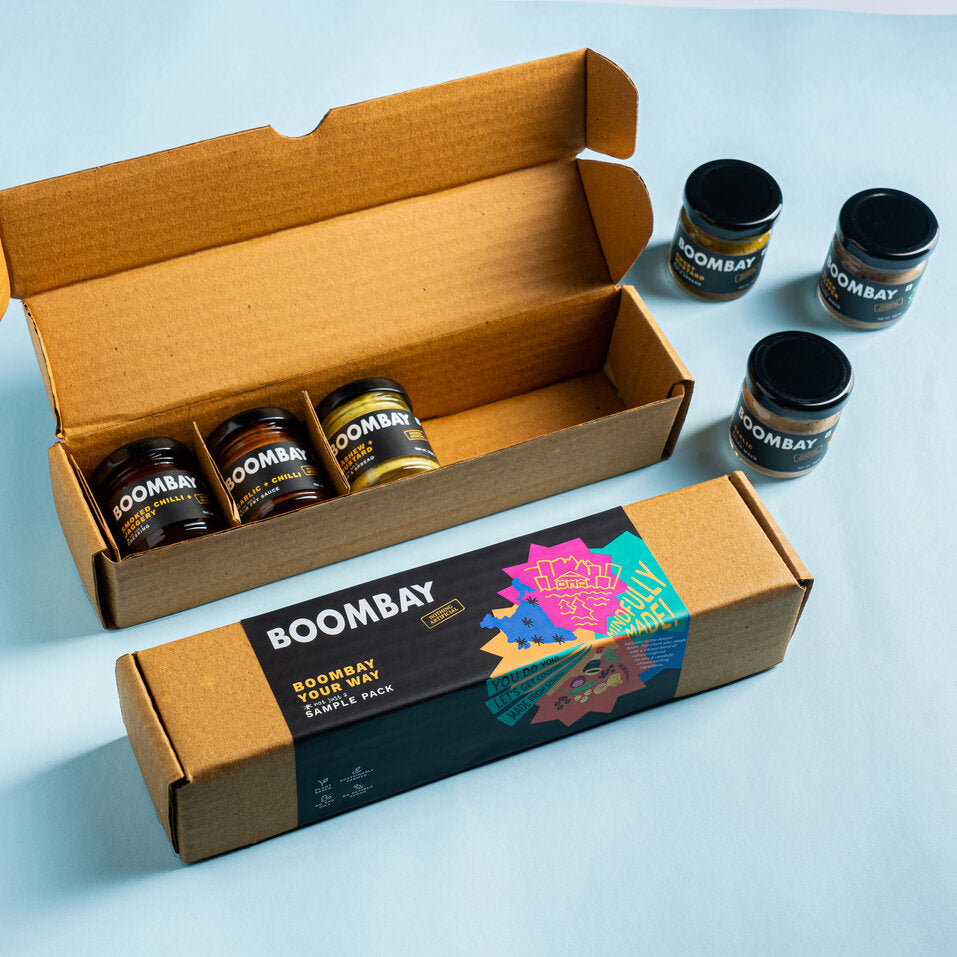
The goal? Extract every bit of flavor possible and let it meld together. Our Garlic + Chilli stir fry sauce captures this approach, with layers of flavor ready to go.
Continental Cooking Methods
Continental cooking is about control and precision. Sautéing happens quickly over high heat. Roasting brings out natural sweetness. Poaching keeps things gentle and delicate. There's less "throw everything in a pot and let it bubble" and more "watch the temperature carefully."
The cooking fat matters too. Indian dishes often use ghee or mustard oil (both add flavor). Continental cooking uses butter or extra virgin olive oil (lighter, more neutral).
What's Actually in the Dish
Let's compare what you'd find on your plate.
Continental Plate
- A piece of protein (steak, chicken breast, fish fillet)
- A starch (pasta, potatoes, bread)
- Some vegetables (maybe roasted or in a salad)
- A sauce (but it's on the side or lightly coating the food)
Indian Plate
- Rice or roti (sometimes both)
- Dal (lentils)
- Two or three vegetable dishes
- Maybe a protein curry
- Pickles, chutney, raita on the side
- Everything served at once
Notice the difference? Continental meals separate things. Indian meals bring everything together. You mix and match as you eat, creating different flavor combinations with each bite.
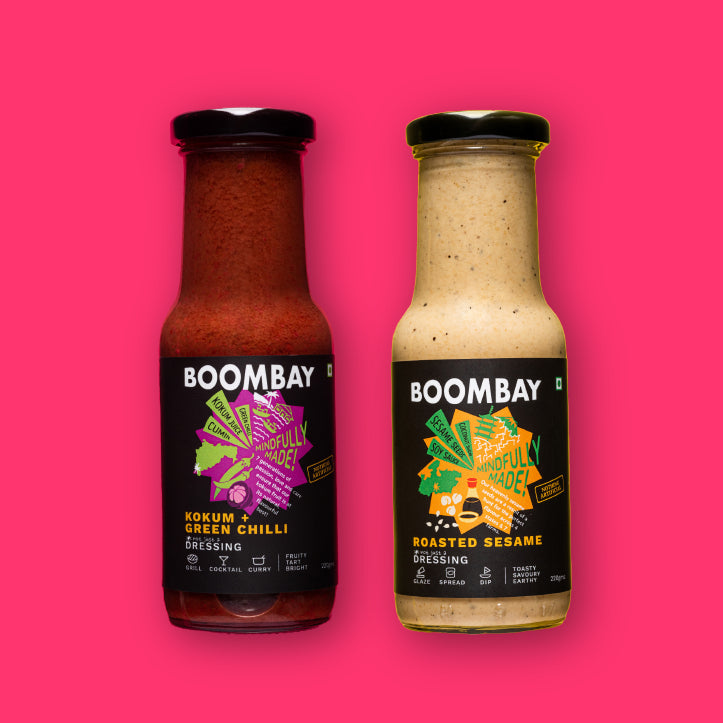
For that perfect tangy twist in your meals, try our Kokum + Green Chilli dressing, inspired by coastal Indian flavors.
The Vegetarian Situation
Here's something interesting. If you're vegetarian, Indian cuisine gives you endless options. Palak paneer, chole, baingan bharta, dozens of dal varieties. These aren't side dishes, they're the main event.
Continental cuisine traditionally centered on meat and seafood. Vegetarian options exist now, but historically? Not as many. You'd get pasta with vegetables or a salad, but the variety doesn't compare.
How You Actually Eat It
Continental Style
Your meal arrives in courses. Appetizer first. Then maybe soup or salad. Main course next. Dessert at the end. You finish one thing before the next arrives. It's structured, sequential, and patient.
Indian Style
Everything hits the table at the same time. You're the chef now, deciding which combinations to try. A spoonful of dal with rice. Then rice with pickles. Then roti with curry. Each bite is different because you control the mix.
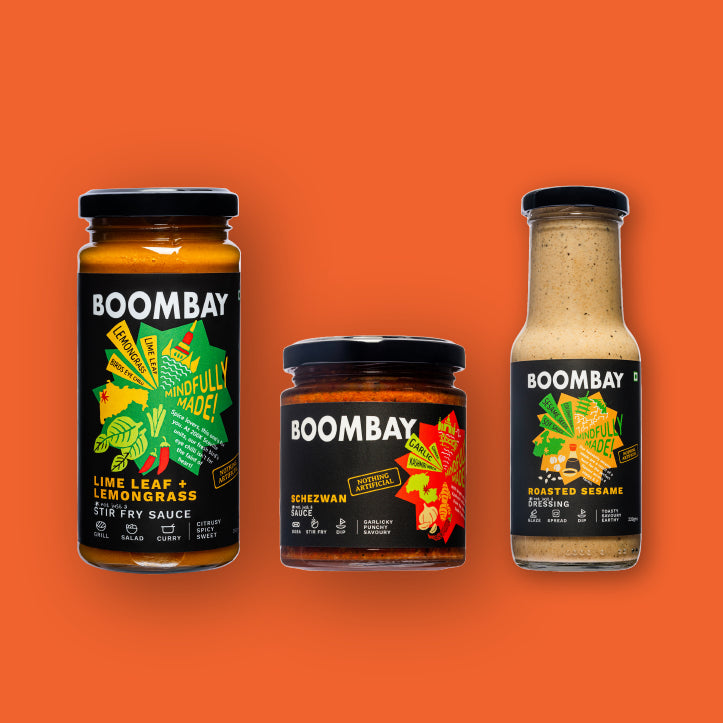
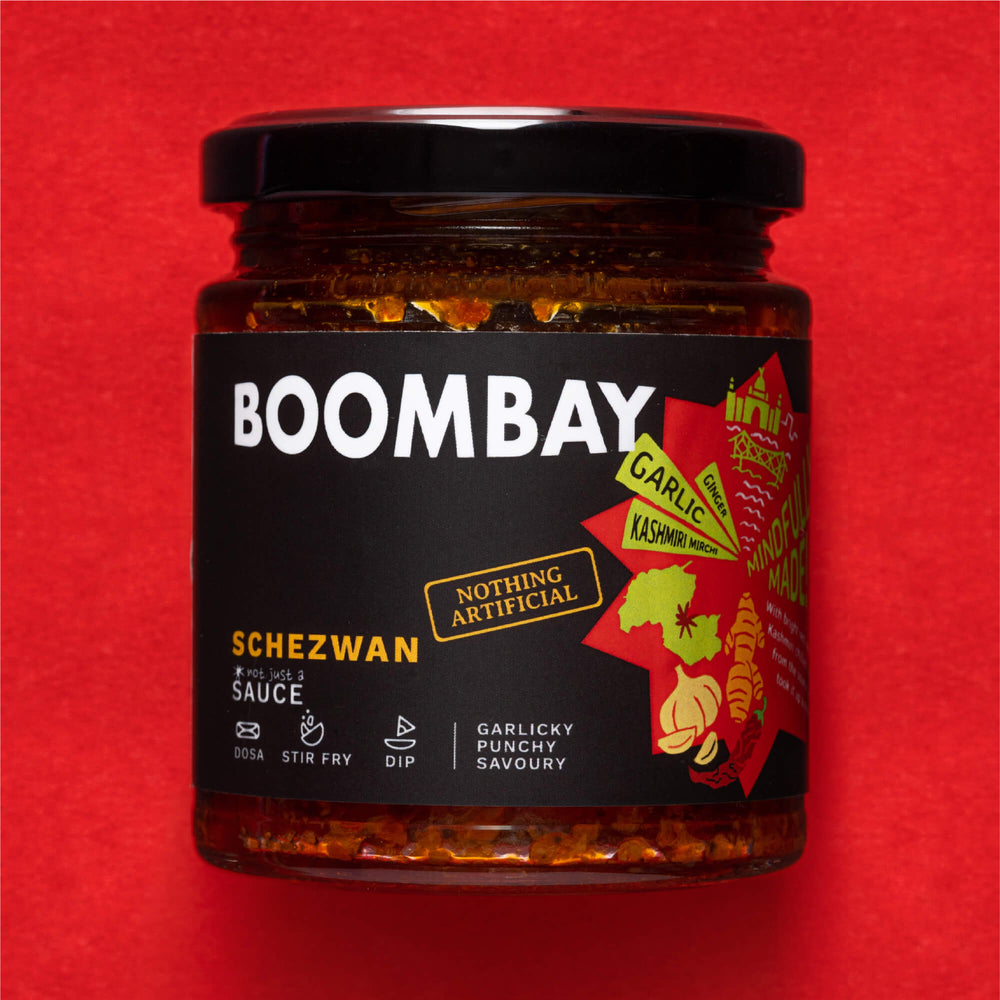
Want to bring these global flavors home without the fuss? Our Schezwan sauce delivers that perfect spicy kick for stir fries, fried rice, or even as a dip.
So Which One's Better?
Neither. They're just answering different questions.
Continental food asks: How can we make this ingredient shine?
Indian food asks: How can we create the most complex, satisfying flavor possible?
Both approaches work. Both create delicious meals. The key is understanding what you're in the mood for.
For a complete continental food list covering the top dishes Indians love, see our guide to the best continental dishes in India.
You don't have to choose. Having versatile, mindfully made products in your pantry means you can explore both worlds easily. Shop the entire Boombay collection here and bring restaurant-worthy flavors to your home kitchen.
Frequently Asked Questions
Q. What exactly is continental food?
Continental food means European cuisines, mainly French, Italian, and Spanish cooking. It focuses on simple seasoning, letting main ingredients taste like themselves, with refined presentation.
Q. Why is Indian food so spicy?
Indian cuisine uses many spices, not just for heat, because they grew abundantly in the region and became essential to cooking traditions over thousands of years. Spices also have practical benefits. Eating spicy food makes you sweat, which can help cool the body in hot climates like much of India. In contrast, continental regions had different ingredients available and different climate needs, which shaped their cooking styles.
Q. Do these cuisines use different cooking techniques?
Yes. Indian cooking uses tempering, slow simmering, and high-heat tandoor cooking. Continental methods include sautéing, braising, and gentle poaching. Each builds flavor differently.
Q. Can I mix both cooking styles together?
Absolutely. Fusion cooking combines elements from both. Just understand the basics of each style before experimenting with mixed techniques and flavors.
Q. Which cuisine is easier for beginners?
Continental techniques are often simpler to start with since they use fewer spices and more straightforward methods. Indian cooking requires understanding spice combinations but becomes easier with practice.
Q. Why does Indian food have more vegetarian dishes?
Cultural and religious traditions in India created extensive vegetarian cooking over centuries. Continental cuisine traditionally focused more on meat and seafood, though that's changing now.