The recipe calls for ghee. The cabinet has coconut oil, but you're not sure if that works. Google returns seventeen different opinions. One site says yes, another says it ruins the dish, a third suggests something you've never heard of. The meal planning stops before it starts.
Indian cooking traditionally uses dairy heavily. Ghee in nearly everything. Paneer in half the restaurant menu. Curd for marinades and raitas. Cooking vegan Indian food seems to require rewriting every recipe from scratch.
The reality is simpler. Most dairy serves specific purposes that plant-based alternatives handle fine. Ghee provides fat and flavor. Milk adds liquid and slight sweetness. Paneer brings protein and texture. Once you know what each ingredient actually does, finding substitutes that work becomes straightforward.
Vegan, Dairy Substitutes
Milk appears in everything from chai to desserts to curry bases. Plant milks work across most applications with minor adjustments.
Milk Replacements
Regular milk gets replaced with almond milk, soy milk, cashew milk, or coconut milk, depending on the dish.
Almond milk works for chai and light curries. Soy milk has similar protein content to dairy milk. Cashew milk creates creaminess in kormas and pastas. Coconut milk brings richness to South Indian and Thai-inspired dishes.
Use unsweetened versions for savory cooking. Sweetened plant milks mess with the flavor balance in curries and dals. Save those for desserts and drinks.
Curd (Dahi) Replacements
Curd or dahi gets replaced with coconut yogurt, soy yogurt, or almond yogurt.
Coconut yogurt works best in marinades where tanginess matters. Soy yogurt has a neutral flavor for raitas. Almond yogurt works for lighter applications. All three handle heat reasonably well when added to curries, though coconut yogurt splits less than the others.
For raita, plant-based yogurts work directly. Add the same vegetables, spices, and seasonings. The texture differs slightly, but the concept stays identical.
Cream (Malai) Replacements
Cream or malai can be replaced with coconut cream, cashew cream, or store-bought vegan alternatives such as oat cream or vegetable-fat-based cream.
Coconut cream from refrigerated canned coconut milk creates richness in kormas. Cashew cream (soaked cashews blended with water) provides a neutral creamy texture. Store-bought vegan creams work when convenience matters more than making them from scratch.
Cashew cream requires planning ahead. Soak raw cashews for 4 hours or overnight. Drain, blend with fresh water until smooth. The resulting cream works in any dish calling for dairy cream.
Buttermilk Replacements
Buttermilk gets replaced with plant milk plus lemon juice or vinegar.
Add one tablespoon of lemon juice or vinegar to one cup of plant milk. Let it sit for five minutes. The milk curdles slightly, creating a tang similar to buttermilk. Works in chaas, marinades, and baking.
Thin coconut yogurt with water also works as a buttermilk substitute. Add salt, roasted cumin powder, and chopped coriander for traditional chaas.
Vegan, Fat-Based Substitutes
Ghee appears everywhere in Indian cooking. From tempering to finishing dal to making rotis. The alternatives depend on what the ghee is actually doing.
Ghee Replacements
Ghee gets replaced with coconut oil, vegan butter, mustard oil, or neutral oil, depending on the application.
Coconut oil works for high-heat cooking and has a subtle flavor that complements Indian spices. Virgin coconut oil adds coconut taste; refined coconut oil stays neutral.
Vegan butter (store-bought or homemade) works for finishing dishes where ghee's buttery flavor matters. Add at the end rather than using for initial cooking.
Mustard oil is traditional in certain regional cuisines and is already vegan. Strong flavor works in Bengali and Punjabi dishes.
Neutral oil (sunflower, groundnut) handles everyday cooking when ghee flavor isn't critical. Use for tempering, sautéing, and general cooking.
Butter gets replaced with vegan butter or coconut oil. Store-bought vegan butter works directly in most recipes. Coconut oil substitutes in baking, though the texture changes slightly.
Vegan, Protein Substitutes
Paneer dominates vegetarian restaurant menus. Replacing it while maintaining texture and protein content requires different approaches.
Paneer Replacements
Paneer gets replaced with firm or extra-firm tofu.
Press tofu for 15-30 minutes to remove excess water. Cut into cubes like paneer. The texture holds up in curries, grilling, and stir-fries. Tofu absorbs marinades better than paneer, requiring less time for flavor penetration.
Marinate tofu in the same spices used for paneer tikka or paneer butter masala. The preparation stays identical, just swap the protein. Frying or grilling before adding to the curry helps tofu develop a texture similar to paneer.
Vegan, Specialty Ingredient Substitutes
Some ingredients appear less frequently but require specific replacements when called for.
Khoya (Mawa) Replacements
Khoya or mawa gets replaced with reduced coconut milk solids or cashew paste.
Simmer full-fat coconut milk until it reduces by two-thirds and thickens. Stir constantly to prevent burning. The resulting solid works in many sweets traditionally use khoya.
Alternatively, blend soaked cashews into a fine paste. Add to sweets for richness and body. Works particularly well in barfis and ladoos.
Condensed Milk Replacements
Condensed milk gets replaced with sweetened coconut condensed milk or reduced coconut milk plus sugar.
Store-bought coconut condensed milk works directly in any recipe. Or make it at home by simmering coconut milk with sugar until thick and reduced by half.
Honey Replacements
Honey gets replaced with jaggery, maple syrup, date syrup, agave, or coconut sugar.
Jaggery adds traditional Indian flavor and works in most applications requiring honey. Maple syrup brings a different flavor but provides similar sweetness. Date syrup adds depth. Agave has a neutral taste and dissolves easily.
Each sweetener behaves slightly differently in recipes. Jaggery creates a darker color and a stronger flavor. Maple syrup adds a distinctive taste. Agave stays most neutral.
Cooking and Binding Substitutes
Eggs aren't traditional in most Indian savory cooking but appear in fusion dishes and as binding agents.
Egg Replacements in Baking
Eggs in baking get replaced with flax eggs, chia eggs, mashed banana, or applesauce.
One flax egg equals one tablespoon ground flaxseed plus three tablespoons water, mixed and left to thicken for five minutes. Works in cakes, cookies, and muffins.
Chia eggs work identically, using chia seeds instead. Mashed banana adds moisture but changes flavor slightly. Applesauce works in cakes where a slight apple taste doesn't matter.
Egg Replacements for Binding
Eggs in binding (cutlets, koftas) get replaced with besan slurry or mashed potato.
Mix chickpea flour (besan) with water to create a thick paste. Adds binding and protein. Traditional in many Indian preparations.
Mashed potato binds ingredients in tikkis and cutlets. Already common in Indian cooking for aloo tikki and related dishes.
Making Vegan Indian Cooking Work
The substitutes listed above handle most situations. Some dishes adapt perfectly, others require slight adjustments. Chai tastes nearly identical to plant milk. Curries work beautifully with coconut cream. Paneer dishes need texture matching through proper tofu preparation.
Start with recipes that naturally work vegan, then branch into adaptations. Dal, sabzis without dairy, rice dishes, chutneys, and most South Indian preparations already fit. Add vegan rotis, and you have complete meals without substituting anything.
When substituting, understand what the original ingredient provides. Ghee adds fat and flavor. Replace both aspects. Paneer provides protein and holds shape. Tofu delivers both when properly prepared. Match function rather than just swapping randomly.
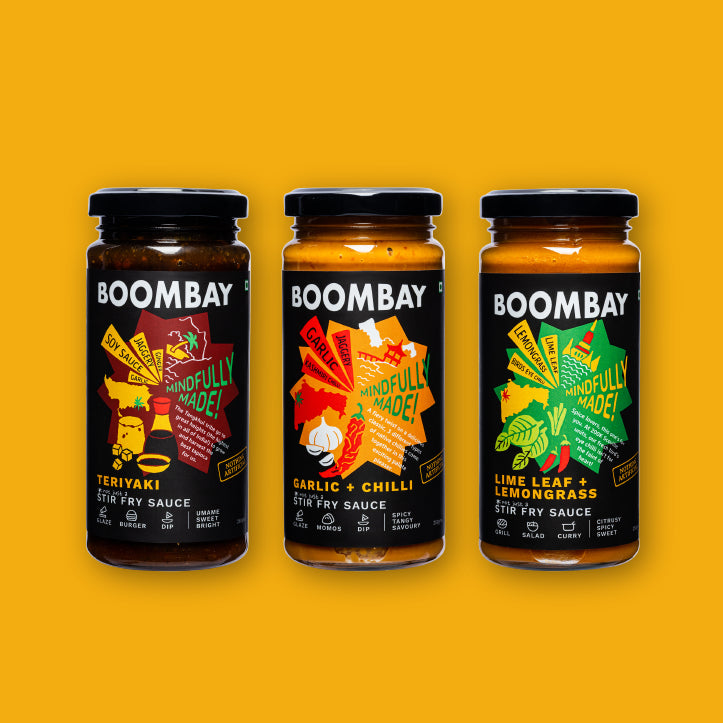
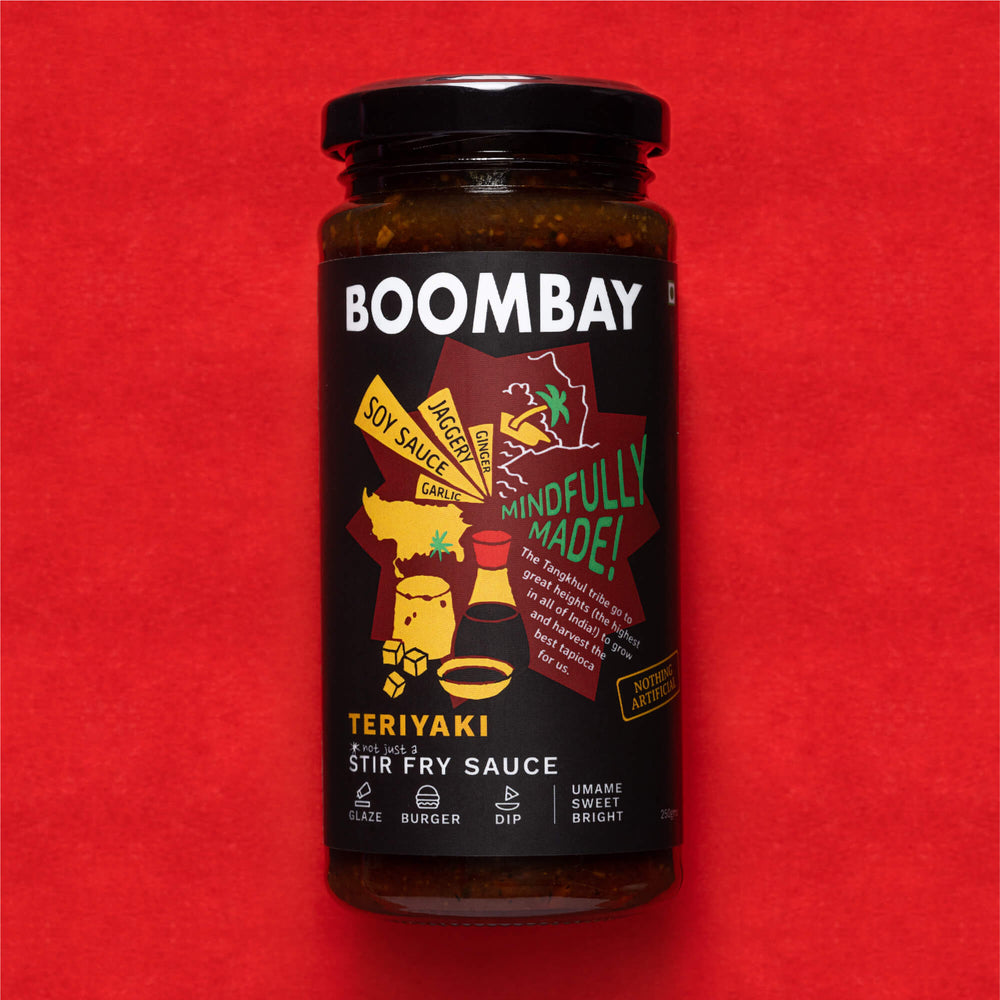
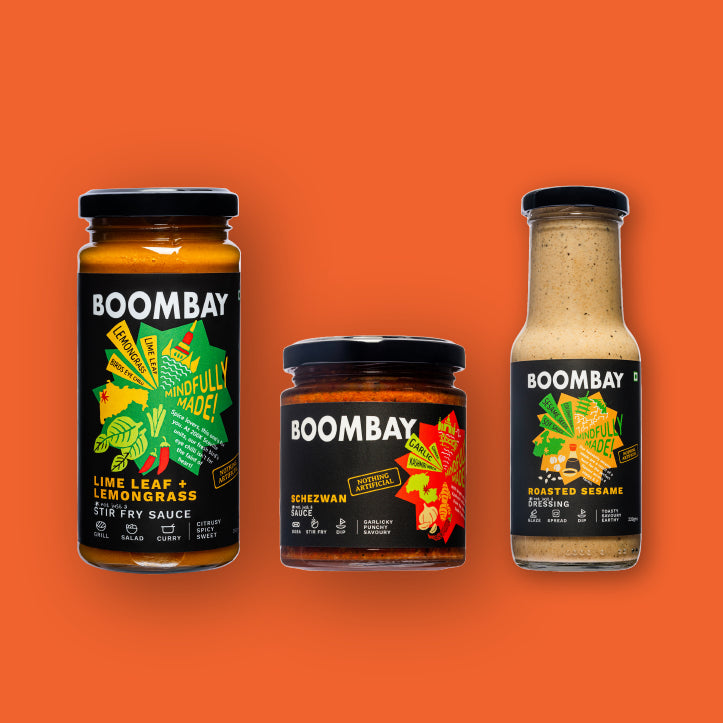
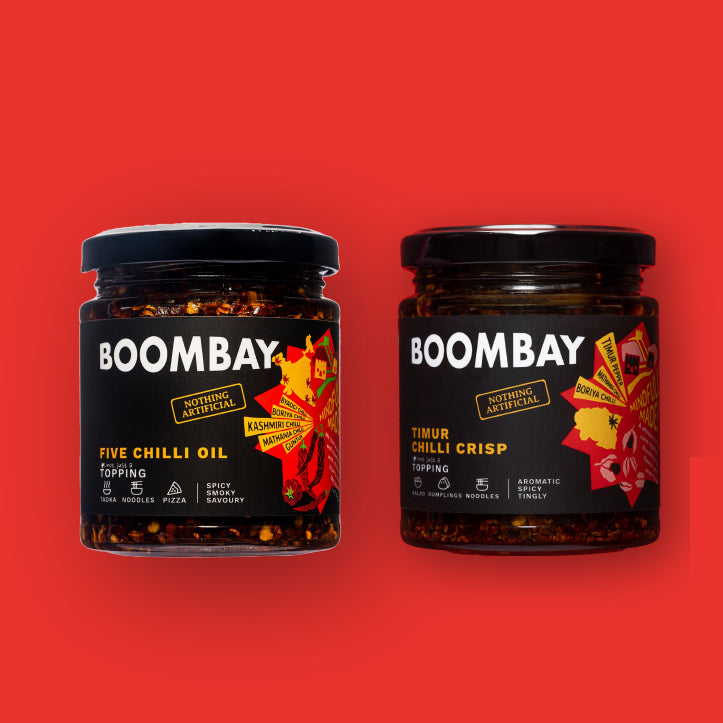
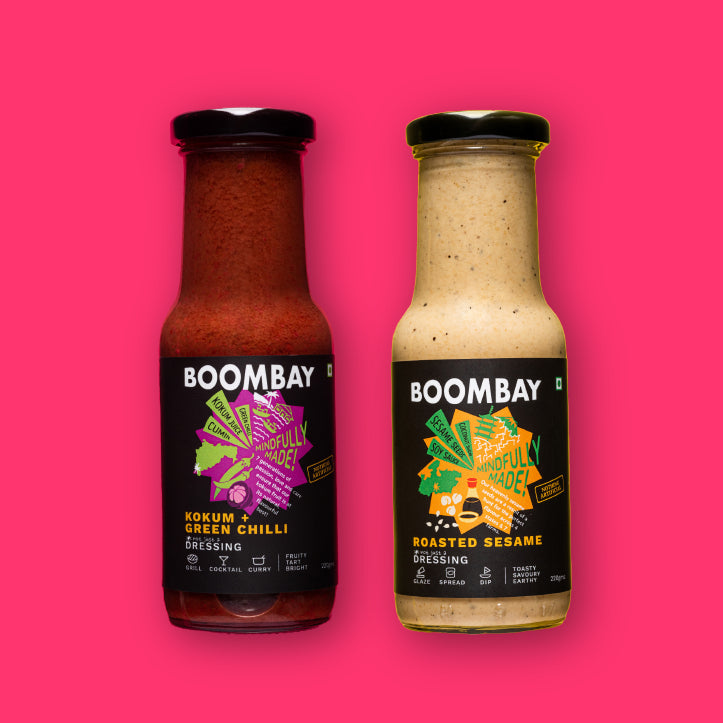
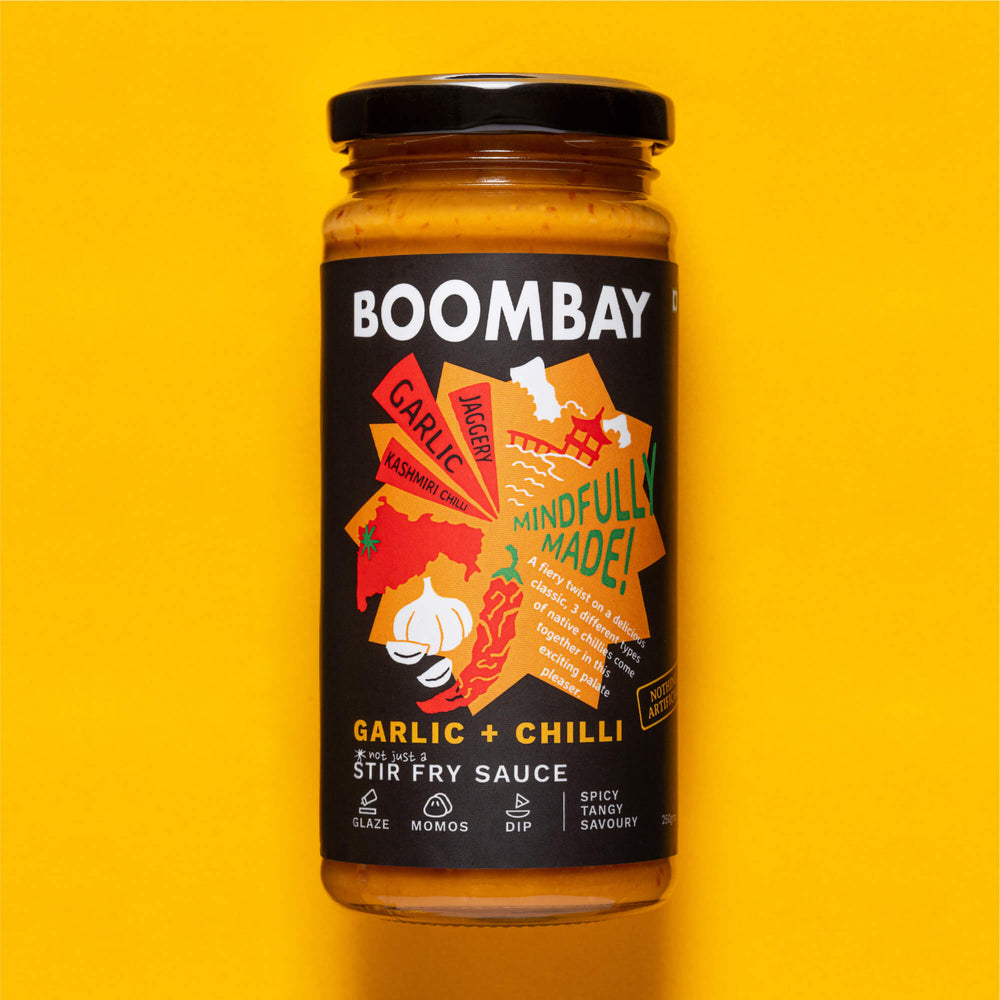
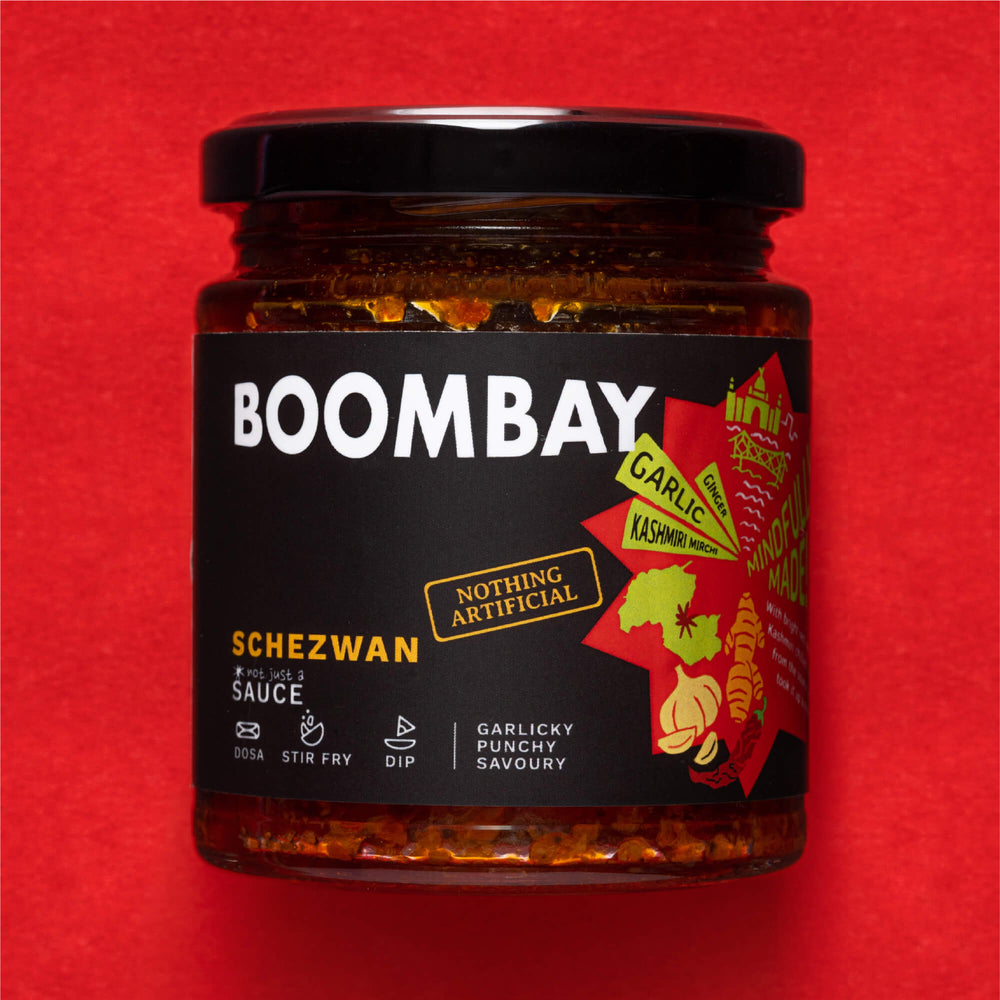
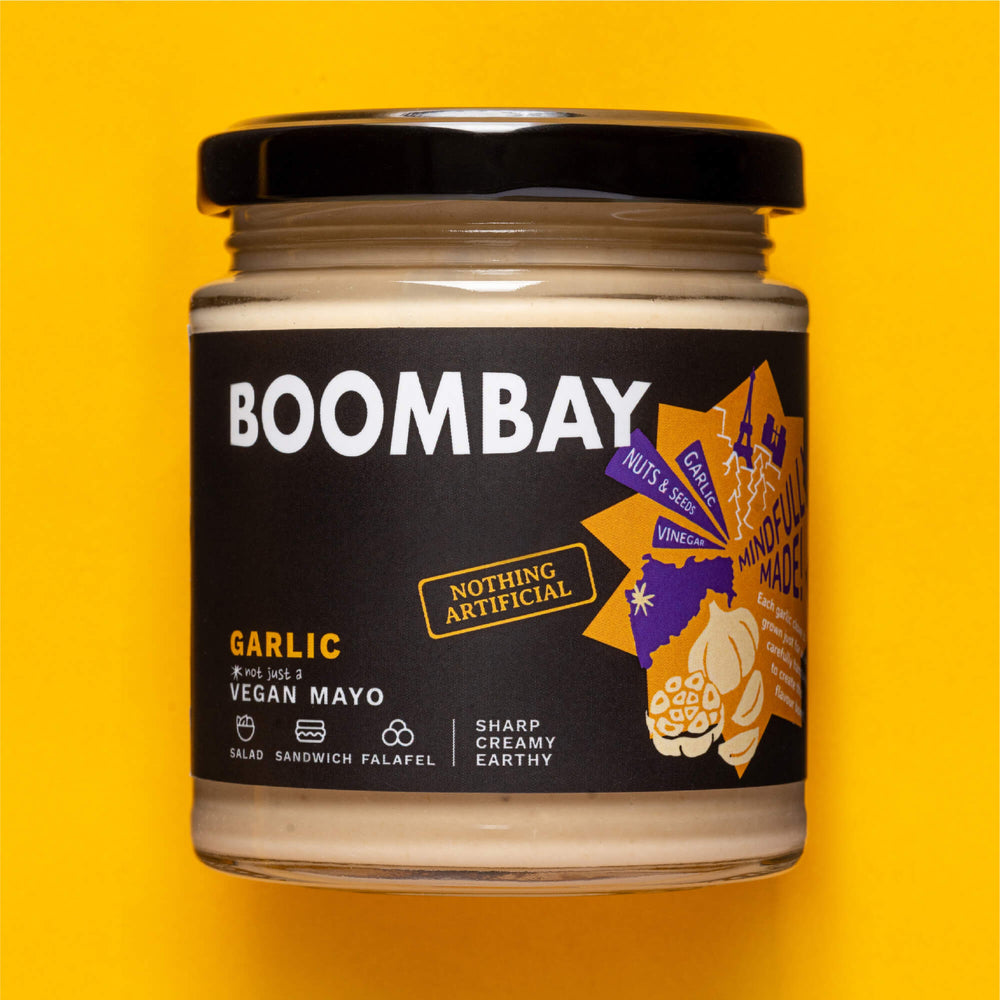
Stock your kitchen with versatile sauces that work across dietary preferences. Many work naturally vegan while delivering complex flavors that complement plant-based cooking.
Shop the collection for options that fit vegan cooking.
Frequently Asked Questions
Q. Does vegan Indian food taste as good as traditional?
When done properly, yes. The spices carry most flavor in Indian cooking. Proper substitutes maintain texture and richness. Some dishes adapt better than others, but overall quality remains high.
Q. Can I use these substitutes in any recipe?
Most recipes adapt well. Traditional dishes heavy on dairy require more thought but still work. Start with naturally vegan recipes, then practice substitutions to build confidence.
Q. Where do I find these vegan substitutes?
Most are available in regular supermarkets now. Coconut milk, plant-based yogurts, and vegan butter sit on standard shelves. Specialty stores carry a wider variety, but aren't necessary.
Q. Is vegan Indian cooking more expensive?
Some ingredients cost more (vegan butter, specialty plant milks), others cost less (tofu versus paneer in many places). Overall costs balance out, especially when cooking at home.
Q. How do I replace ghee's flavor?
Coconut oil comes closest. Vegan butter works for finishing. Some recipes use cashew-infused oil for nutty richness. No perfect match exists, but combinations work well.
Q. Can these substitutes be used in traditional family recipes?
Yes, with adjustment. Taste as you go. Some recipes need slight modifications to accommodate plant-based ingredients. Keep notes on what works for future reference.