The sandwich needs something creamy. You reach for the squeeze bottle that's been in the fridge for months. Same mayo, same taste, same vague disappointment that there must be better options.
Mayo has evolved beyond the basic eggless or egg-based divide. Different base ingredients. Varied flavor profiles. Some work better for specific applications. Understanding the options means picking the right one for sandwiches, dips, or cooking instead of using the same bottle for everything.
These seven types represent what's actually available and worth trying, not obscure specialty items requiring hunting through ten stores. Regular grocery stores and online shopping make most of these accessible.
1. Classic Mayonnaise
The standard egg-based version that defines what mayo tastes like for most people.
Made from egg yolks, oil, vinegar or lemon juice, and salt. The egg yolks create an emulsion that holds oil and acid together. The result is thick, creamy, and slightly tangy.
Works universally. Sandwiches, burgers, coleslaw, and potato salad, as a base for other sauces. The neutral flavor adapts to whatever else goes in the dish. When a recipe just says "mayo," this is what it means.
Brands vary in quality. Some use better oils, fresher eggs, and less sugar. Read labels. Ingredients should be simple and recognizable. Avoid versions with long lists of stabilizers and fillers.
2. Olive Oil Mayonnaise
Made with olive oil instead of neutral oil. The result tastes distinctly different, more fruity and slightly peppery.
The olive oil flavor comes through clearly. Works beautifully in Mediterranean applications where that taste complements other ingredients. Less suitable for Asian or American dishes where olive oil flavor clashes.
Use on sandwiches with roasted vegetables, in pasta salads, or mixed with herbs for dipping vegetables. The stronger flavor means using slightly less than regular mayo.
The oil quality matters significantly. Good olive oil makes good mayo. Cheap olive oil makes mayo that tastes cheap. Worth spending more if choosing this type.
3. Avocado Oil Mayonnaise
Neutral flavor but made with avocado oil for a different nutritional profile.
Tastes similar to classic mayo but uses avocado oil, which contains more monounsaturated fats. Works identically to regular mayo in all applications. The difference is nutritional rather than flavor-based.
Popular among people who watch saturated fat intake. Avocado oil provides heart-healthy fats without changing how mayo tastes or works in recipes.
Costs more than classic mayo. The premium reflects avocado oil pricing. Worth it for those prioritizing specific fats, less relevant for others.
4. Vegan Mayonnaise
Plant-based versions that skip eggs entirely. Made with various bases depending on the brand.
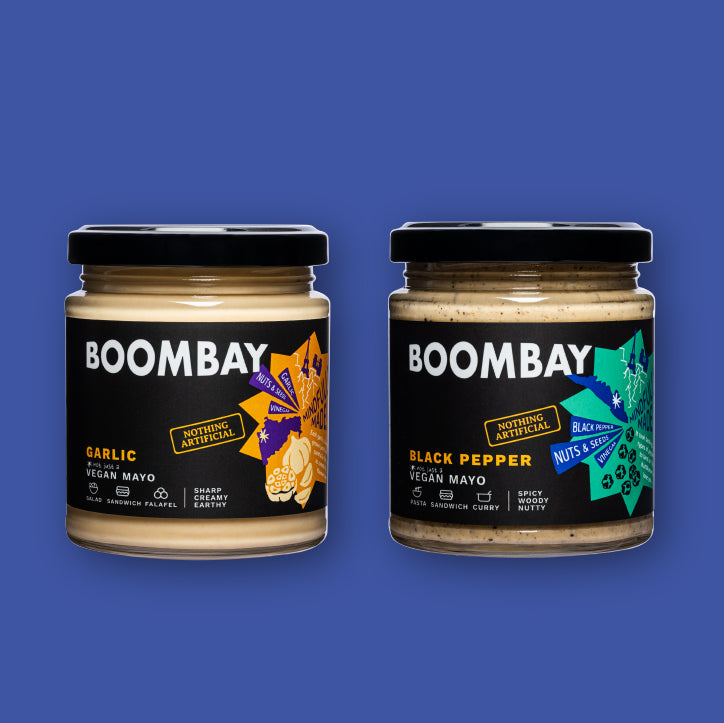
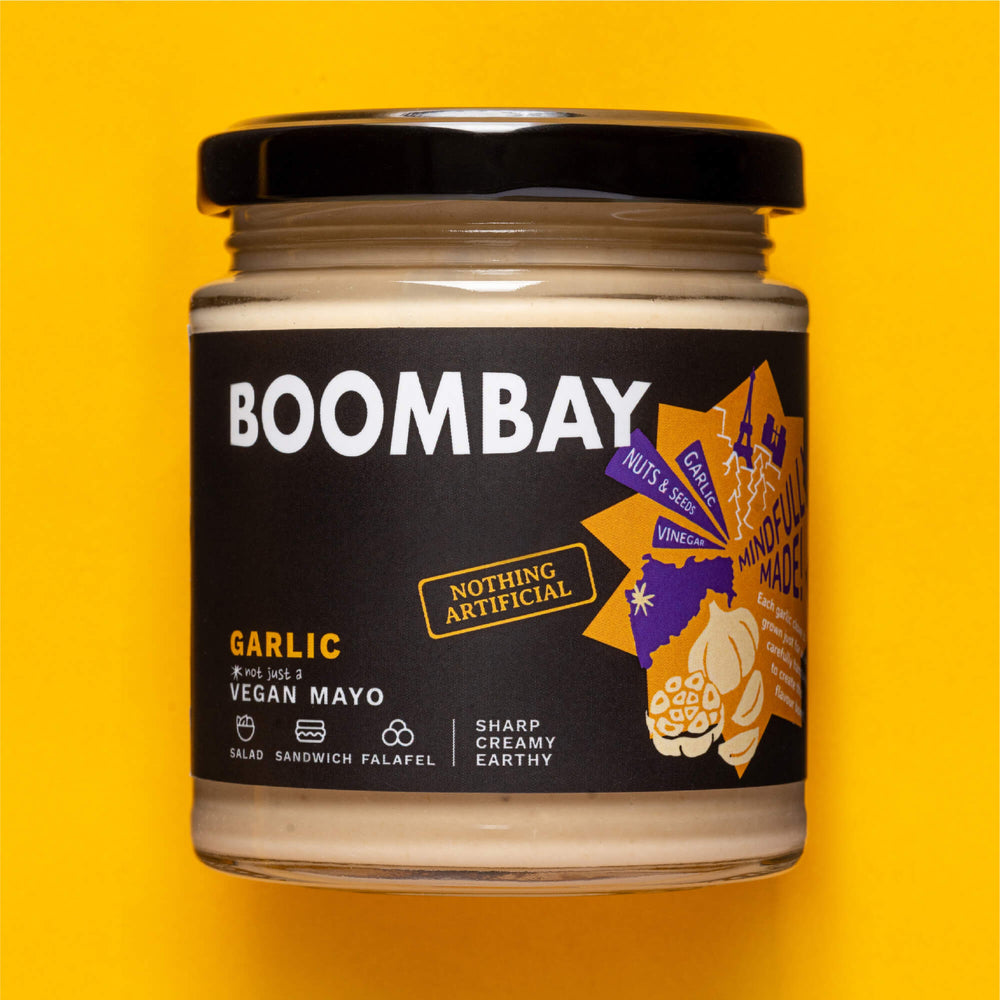
Garlic lovers, meet your new obsession. Garlic Vegan Mayo, crafted with a rich, nutty base and that bold garlic punch you crave, is here to raise the bar on all mayo, vegan or not. Slather it on sandwiches, dunk your fries, or stir it into your go-to dishes for that extra hit of flavour magic. 100% plant-based, smooth, and packed with lip-smacking goodness.
Black Pepper Vegan Mayo adds a pepper kick to the plant-based base.
Useful for vegans, obviously, but also for anyone wanting to reduce egg consumption or try different flavor profiles.
5. Garlic Mayonnaise
Mayo with garlic added, creating an aioli-style spread.
Traditional aioli requires emulsifying garlic and oil. Garlic mayo simplifies this by mixing garlic into prepared mayonnaise. The result works similarly but takes seconds instead of fifteen minutes.
Perfect for burgers, fries, roasted vegetables, or as a sandwich spread where garlic flavor complements other ingredients. The intensity varies by brand. Some whisper garlic, others shout it.
Make your own by mixing minced garlic into regular mayo. Let it sit for 30 minutes so flavors meld. Or buy pre-made versions that balance garlic properly.
6. Chipotle Mayonnaise
Smoky, spicy mayo that transforms basic sandwiches.
Chipotle peppers (smoked jalapeños) blended into mayo create smoky heat without overwhelming burn. The smoke flavor comes through first, then mild to moderate heat follows.
Works brilliantly on chicken sandwiches, fish tacos, burgers, or as a dip for sweet potato fries. The smoky element adds depth that plain mayo can't match.
The heat level varies significantly between brands. Some stay mild, others bring serious fire. Check before buying if spice tolerance is limited. Start with less and add more rather than overwhelming the dish.
7. Japanese Mayonnaise
Different formulas create sweeter, tangier flavors with a distinct texture.
Japanese mayo uses only egg yolks (not whole eggs), rice vinegar instead of regular vinegar, and sometimes MSG for umami. The result is sweeter, richer, and slightly more yellow than Western mayo.
Popular for okonomiyaki, takoyaki, sushi rolls, and Asian-fusion dishes. The distinctive flavor works best where that specific taste is intentional. Less suitable as a universal mayo replacement.
Comes in squeeze bottles with thin tips for decorative drizzling. The presentation matters as much as the taste in Japanese cuisine. Use it where both flavor and appearance count.
8. Choosing the Right Mayo
Match the mayo to the application. Classic works universally. Flavored versions shine in specific dishes. Vegan options suit dietary requirements while delivering taste.
For sandwiches, consider what else is in there. Turkey and lettuce work with classic mayo. Roasted vegetables pair well with olive oil mayo. Spicy chicken benefits from chipotle mayo.
For dips and dressings, start with classic or vegan as a base. Add your own seasonings for control over flavor. Pre-flavored versions work when convenience matters more than customization.
For cooking, stick with classic or vegan. The heat diminishes special flavors anyway. Save expensive or flavored versions for applications where taste matters most.
Stock two or three types maximum. Classic for everyday use. One flavored version for variety. Maybe vegan if that matters to household members. More than three bottles is excessive unless cooking professionally.
Explore options that work beyond basic mayo applications.
Shop the collection for versatile spreads and sauces.
Frequently Asked Questions
Q. Is vegan mayo healthier than regular mayo?
Vegan mayo can be lower in calories and fat compared to regular mayo, depending on the brand.
For example, Boombay Vegan Mayo provides 50.9 kcal and 4.43g fat per tablespoon (15g), while regular mayonnaise typically contains 90 to 100 kcal and 10 to 11g fat per tablespoon.
Vegan mayo also contains:
- 0mg cholesterol
- Lower saturated fat
- No trans fat
Regular mayo is higher in total fat and calories, though it does provide small amounts of Vitamin K and Vitamin E.
‘Healthier’ ultimately depends on your dietary priorities. If you are watching calories, saturated fat, or cholesterol intake, vegan mayo may be the lighter option
Q. Can I substitute different mayo types in recipes?
Usually, yes, but flavor changes. Classic mayo works anywhere. Flavored versions alter the dish's taste. Japanese mayo in American potato salad tastes odd.
Q. How long does opened mayo last?
Most last 2-3 months refrigerated after opening. Check expiration dates. If it smells or tastes off, discard it. Mayo doesn't last forever despite seeming stable.
Q. Which mayo is best for making other sauces?
Classic or vegan mayo with neutral flavor. Flavored versions interfere with whatever you're trying to create. Start with a blank canvas, add your own flavors.
Q. Why does Japanese mayo taste so different?
Different vinegar (rice vs. distilled), only egg yolks instead of whole eggs, and sometimes added MSG. The formula creates a sweeter, richer result than Western mayo.
Q. Can I make mayo at home?
Yes, but it requires patience and proper technique. Homemade lasts only a week. Store-bought is pasteurized and more stable. Make it for special occasions, buy it for daily use.