The bottle of sesame oil sits in the pantry, bought for one specific recipe months ago. Now it just takes up space because you're not sure what else to do with it. Using it feels wrong somehow, like it only belongs in Chinese stir-fries or Japanese dressings.
South Indian cooking has used sesame oil for centuries. Long before it became trendy in fusion recipes or health food stores. The nutty, slightly toasted flavor complements Indian spices beautifully when used correctly. Not as a replacement for regular cooking oil everywhere, but strategically in specific applications where it shines.
Understanding where sesame oil works in Indian cooking means using it confidently instead of letting bottles expire unused. These applications come from traditional South Indian cooking, not experimental fusion attempts.
For Tadka in Indian Dishes
Tempering spices in hot oil creates the aromatic base for countless Indian dishes. Sesame oil adds depth that regular refined oil can't match.
Use sesame oil for tempering mustard seeds, urad dal, curry leaves, and dried red chilies. The technique remains identical to using any oil. Heat the sesame oil, add mustard seeds until they sputter, add urad dal until golden, throw in curry leaves and chilies, then pour over sambar, rasam, or poriyal.
The sesame oil doesn't overpower. It adds subtle nuttiness that enhances rather than dominates. Works particularly well in dishes where the oil flavor matters, like simple dal or rasam, where few other ingredients carry the taste.
In Tamarind-Based Gravies
Tamarind brings intense sourness that needs fat to balance it. Sesame oil handles this job beautifully in traditional Tamil Nadu cooking.
Classic dishes like puli kuzhambu and vatha kuzhambu rely on sesame oil for preservation and flavor. The oil balances the tanginess while adding its own character. Cook the tamarind paste, spices, and vegetables in sesame oil. The combination creates complexity that neutral oils can't achieve.
The oil also helps preserve the dish. Traditional preparations were kept for days because sesame oil has natural preservative properties. Modern refrigeration makes this less critical, but the flavor benefit remains.
For Pickles
Traditional Andhra and Tamil pickles use sesame oil as the preserving medium. The oil extends shelf life while enhancing spices and creating that characteristic pickle aroma.
Make lemon pickle, mango pickle, or ginger pickle using sesame oil instead of regular oil. The process stays the same. Mix cut vegetables with salt, spices, and oil. Store in clean jars. The sesame oil helps fermentation while preventing spoilage.
The nutty flavor complements pickle spices without fighting them. Red chili powder, mustard seeds, fenugreek, and sesame oil together create the authentic South Indian pickle taste that bottled versions never quite match.
In Podis and Spice Powders
Podi is a dry spice powder mixed with oil before eating. Sesame oil transforms podi from dusty powder into a rich, aromatic paste.
Mix sesame oil into idli podi or gunpowder before serving. A spoonful of dry podi plus a teaspoon of sesame oil creates instant chutney for idlis, dosas, or rice. The oil carries spice flavors while adding its own depth.
The combination works because both ingredients bring toasted, nutty notes that reinforce each other. Roasted lentils and chilies in podi meet toasted sesame flavor in the oil. Everything tastes more complete together.
For Stir-Fried Vegetable Sabzis
A spoonful of sesame oil in vegetable stir-fries adds a nutty, slightly smoky finish that plain oil doesn't provide.
Make simple poriyal with beans, cabbage, or bhindi. Use regular oil for cooking, but add a teaspoon of sesame oil at the end. Toss everything together. The sesame aroma hits immediately without overwhelming the vegetables.
Don't cook entirely in sesame oil. The flavor becomes too strong. Use it as finishing oil, adding just before serving. The technique works across vegetables and keeps the nutty notes pleasant rather than dominant.
In Marinades
Sesame oil works in marinades for tofu, mushrooms, or vegetables before grilling or roasting. The oil helps carry spices deeply while adding its own character.
Mix sesame oil with yogurt, spices, and lemon juice for tandoori-style marinades. Or combine it with soy sauce and ginger for Asian-Indian fusion. The oil penetrates while the toasted flavor complements charring from grilling.
Use sesame oil as part of the oil content, not the entire amount. Half sesame, half neutral oil provides flavor without excess. Let ingredients marinate for at least 30 minutes so flavors develop properly.
In Millet and Rice Dishes
A drizzle of sesame oil over lemon rice, tamarind rice, or curd rice adds aroma and richness without heaviness.
Make rice as usual. When mixing in the tempering and flavorings, add a teaspoon of sesame oil along with everything else. The oil coats rice grains lightly, adding subtle nuttiness to each bite.
Works particularly well with millet dishes. Foxtail millet or barnyard millet, prepared like rice, benefits from sesame oil's richness. The oil makes simple preparations feel more substantial.
In Dough for Savory Snacks
Adding sesame oil to dough for murukku, thattai, or mathri improves texture and adds subtle flavor.
Replace a portion of regular oil or ghee in the recipe with sesame oil. Mix into the flour along with other ingredients. The dough becomes more pliable. The finished snacks have a slight nuttiness that complements spices beautifully.
Don't replace all the fat with sesame oil. Use it for 30-50% of the total. Too much makes the flavor dominant. Just enough adds character without overwhelming.
As a Finishing Drizzle
A small drizzle of hot dal or rasam right before serving intensifies the aroma without overpowering. The technique is simple but transforms the dish.
Prepare dal or rasam completely. Right before serving, heat a tiny amount of sesame oil until shimmering. Drizzle over the dish. The hot oil releases aroma immediately. Serve within minutes while the fragrance is strongest.
Use sparingly. A quarter teaspoon per serving is plenty. More than that overwhelms. The point is subtle enhancement, not sesame oil soup.
Choosing the Right Sesame Oil
Two types exist. Toasted sesame oil (dark, aromatic) and regular sesame oil (light, mild). South Indian cooking traditionally uses regular sesame oil for its milder flavor. Toasted sesame oil works for finishing but is too strong for cooking.
Buy cold-pressed sesame oil when possible. The flavor stays truer to traditional preparations. Refined versions work but taste less interesting. For traditional South Indian dishes, cold-pressed oil makes a noticeable difference.
Store sesame oil in a cool, dark place. It goes rancid faster than refined oils due to natural compounds. Buy smaller bottles and use them within six months of opening. Rancid sesame oil tastes bitter and unpleasant.
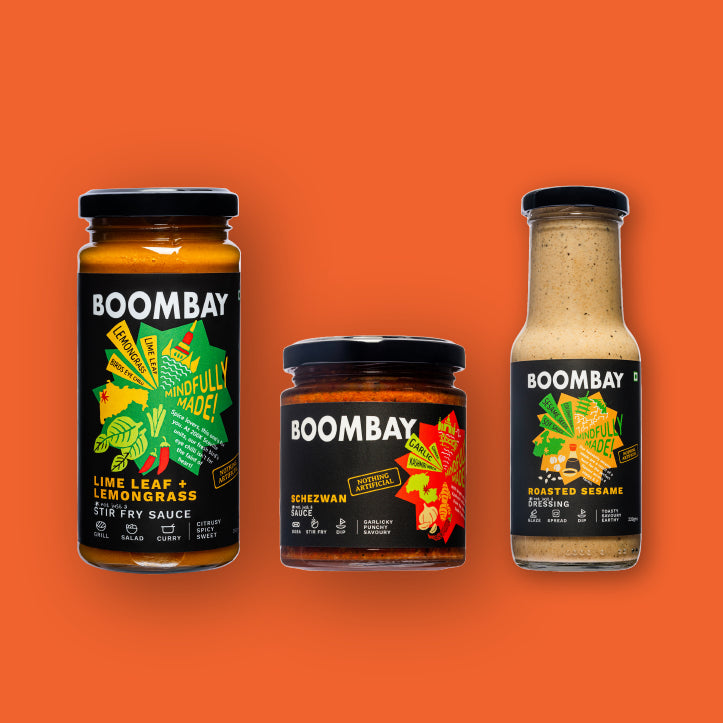
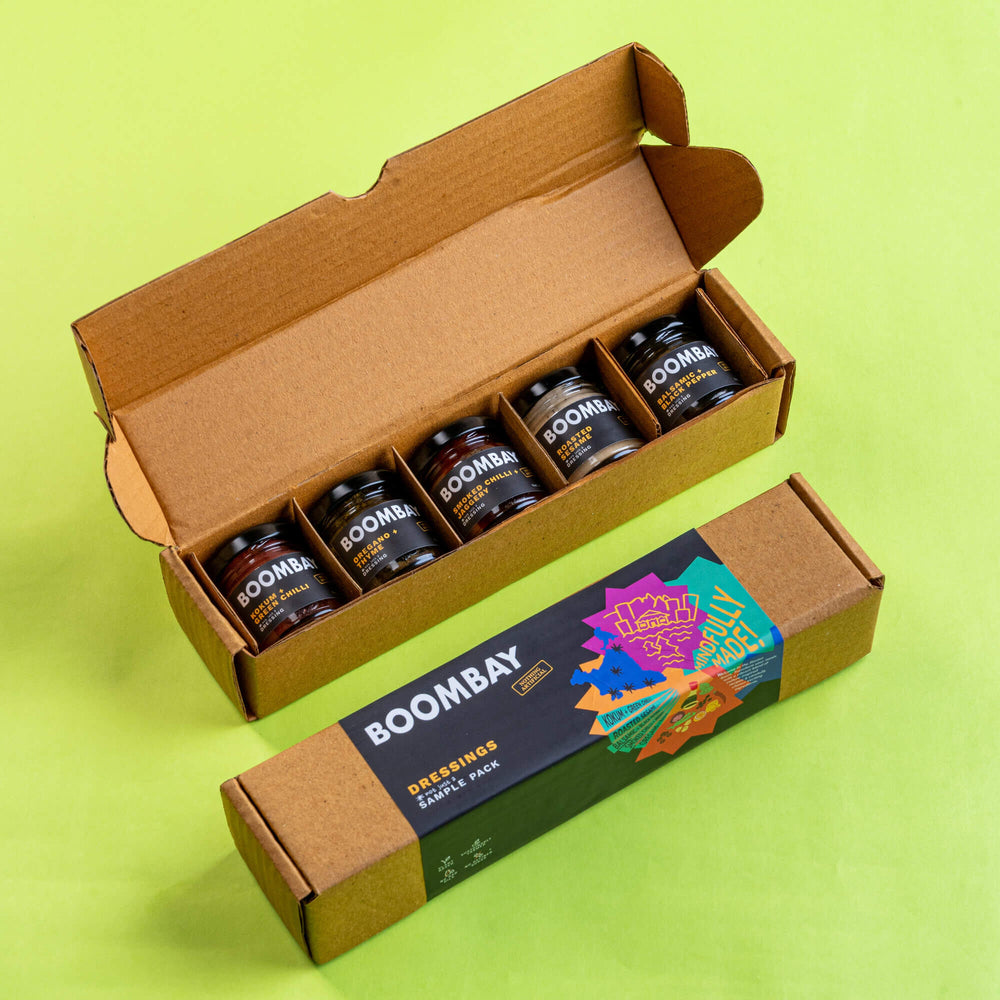
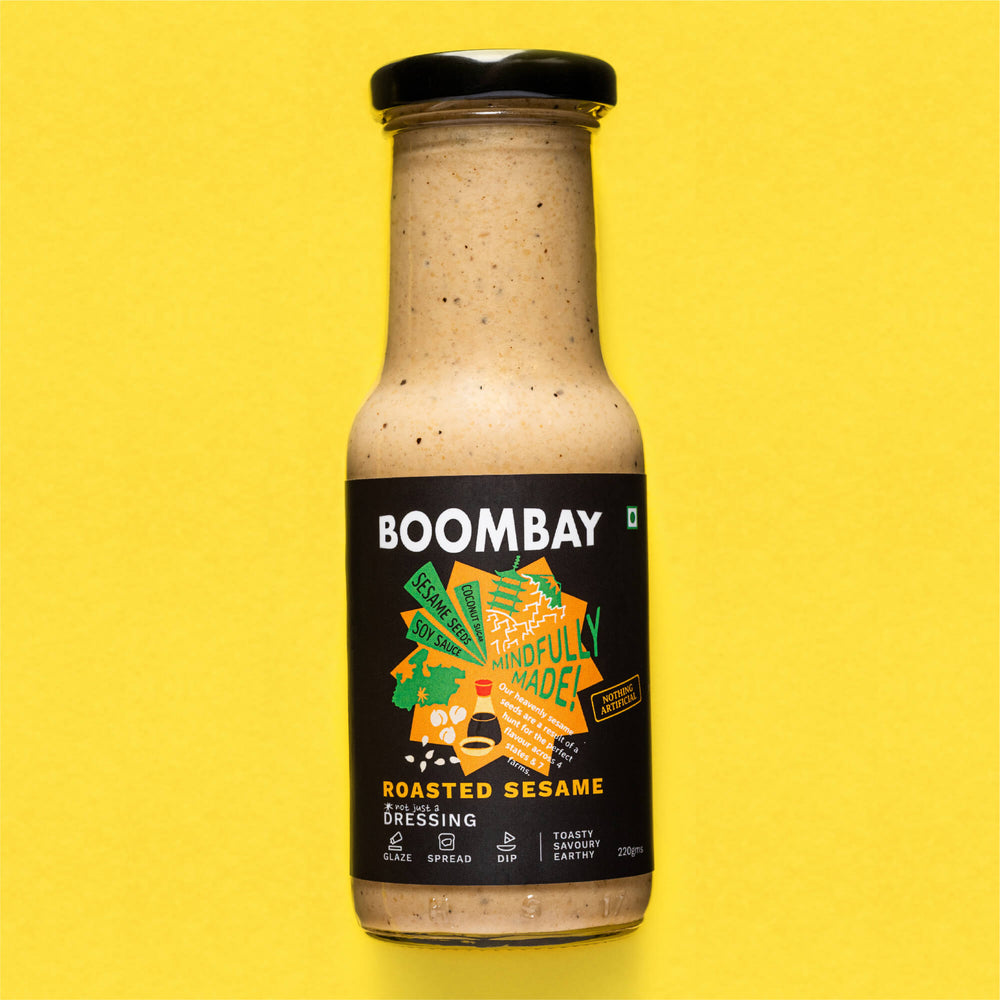
Some ready-made dressings already incorporate sesame oil. Everyone loves the subtle ruse of sesame, but we've taken that aromatic dream to a whole new level. Roasted Sesame dressing, with the savoury warmth of 100% natural miso mixed with a toasty kick of pepper, works as a finishing drizzle or salad dressing.
Stock your pantry with versatile ingredients that work across multiple dishes. Sesame oil earns its place through specific, traditional applications that improve with its unique flavor.
Shop the collection for more flavor options.
Frequently Asked Questions
Q. Can I use sesame oil for all my cooking?
No. The flavor is too strong for everyday use in everything. Use it strategically in tempering, finishing, and specific traditional dishes. Regular cooking oil still handles most applications better.
Q. Is toasted sesame oil the same as regular sesame oil?
No. Toasted sesame oil (dark) has an intense flavor, used mainly as a finishing oil. Regular sesame oil (light) works for cooking. South Indian recipes typically call for regular sesame oil.
Q. How much sesame oil should I use?
Start small. A teaspoon in tempering, a quarter teaspoon as finishing drizzle. The flavor is strong, so less is more. You can always add more, but can't remove excess.
Q. Does sesame oil go bad quickly?
Yes, faster than refined oils. Buy small bottles, store them in cool, dark places, and use them within six months. Rancid oil tastes bitter and should be discarded.
Q. Can I substitute sesame oil with other oils?
For cooking, yes, use any oil. For traditional South Indian flavor, no. The sesame taste is distinctive and intentional. Substituting changes the dish's character.
Q. Is sesame oil healthier than regular cooking oil?
Both have similar calorie content. However, cold-pressed sesame oil retains more natural antioxidants and beneficial compounds compared to refined cooking oils, which lose some nutrients during processing. While the overall health differences are not dramatic, cold-pressed sesame oil can be a slightly better option and is also valued for its distinct flavor.