You've probably noticed more plant-based options popping up in stores. Maybe you're curious about trying them, or you're just wondering what the fuss is about. Here's what actually changes when sauces skip animal ingredients.
What Goes Into Traditional Sauces
Traditional recipes have been perfected over centuries. Classic Caesar dressing gets its signature tang from egg yolks and anchovies. Traditional mayo whips whole eggs with oil. Worcestershire sauce relies on fermented anchovies for that savory depth. Rich pasta sauces often start with butter or cream.
These recipes work beautifully. They've stood the test of time for good reasons. The eggs in mayo create that smooth, creamy texture. Fish sauce in Thai cooking delivers umami that makes everything taste more alive. Butter in French sauces adds richness you can't quite replicate.
How Plant-Based Versions Work
Plant-based sauces solve a simple problem: how do you get the same flavors and textures without animal products? The answer varies by sauce.
Instead of eggs, plant-based mayo uses aquafaba (the liquid from canned chickpeas) or other plant proteins. For fish sauce's umami, fermented ingredients like miso or tamari step in. Butter's richness? Cold-pressed sesame oil or extra virgin olive oil do the job.
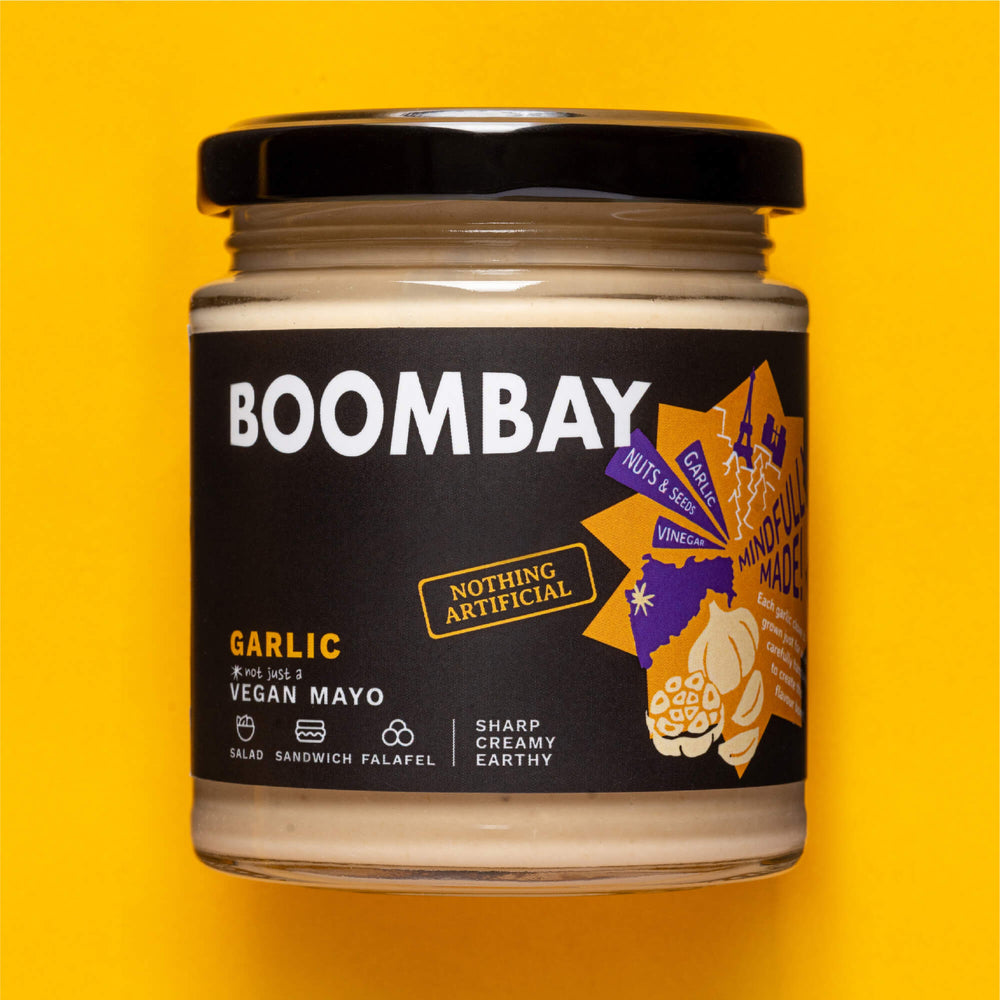
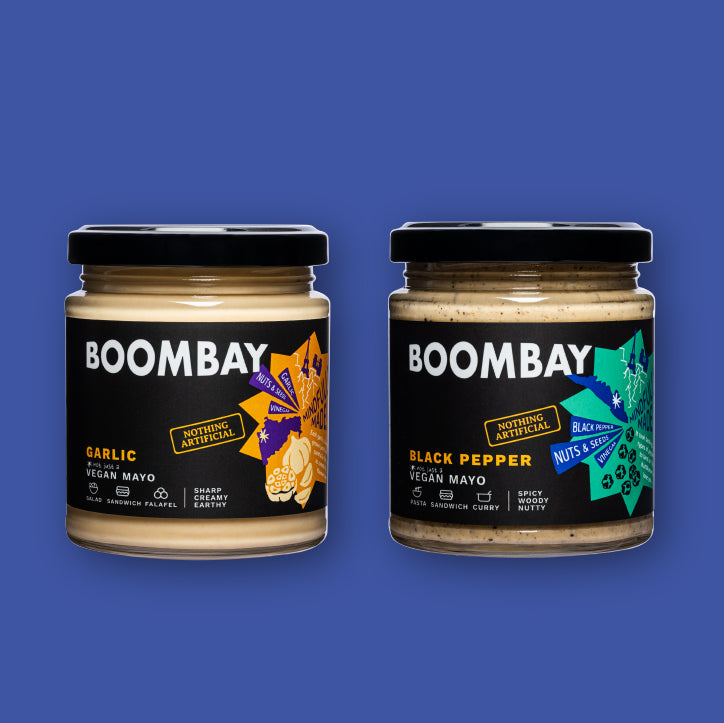
The Garlic Vegan Mayo skips eggs entirely but still delivers that creamy texture you want in a spread. Real garlic, cold-pressed oils, and nothing artificial. Use it anywhere you'd use regular mayo.
The Taste Difference (Yes, There Is One)
Plant-based sauces taste different from traditional versions. Not worse, just different. Understanding what changes helps you know what to expect.
Traditional mayo has a subtle egg flavor underneath. Plant-based versions let other flavors shine brighter. You taste the garlic more, the tanginess stands out, the oil's richness comes through.
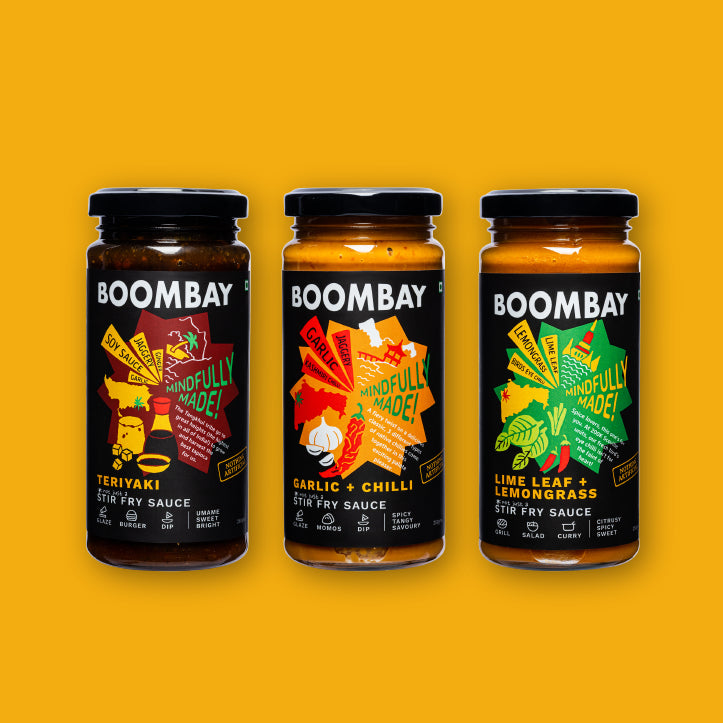
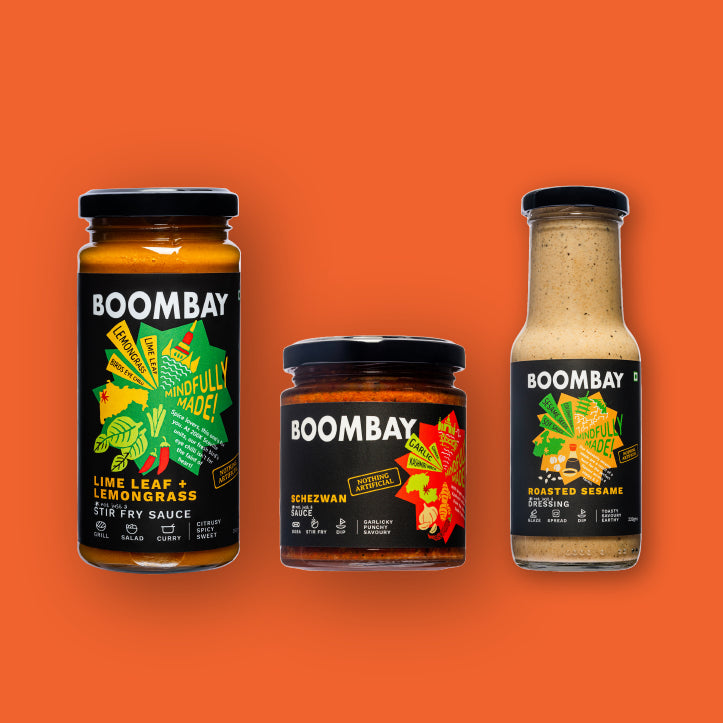
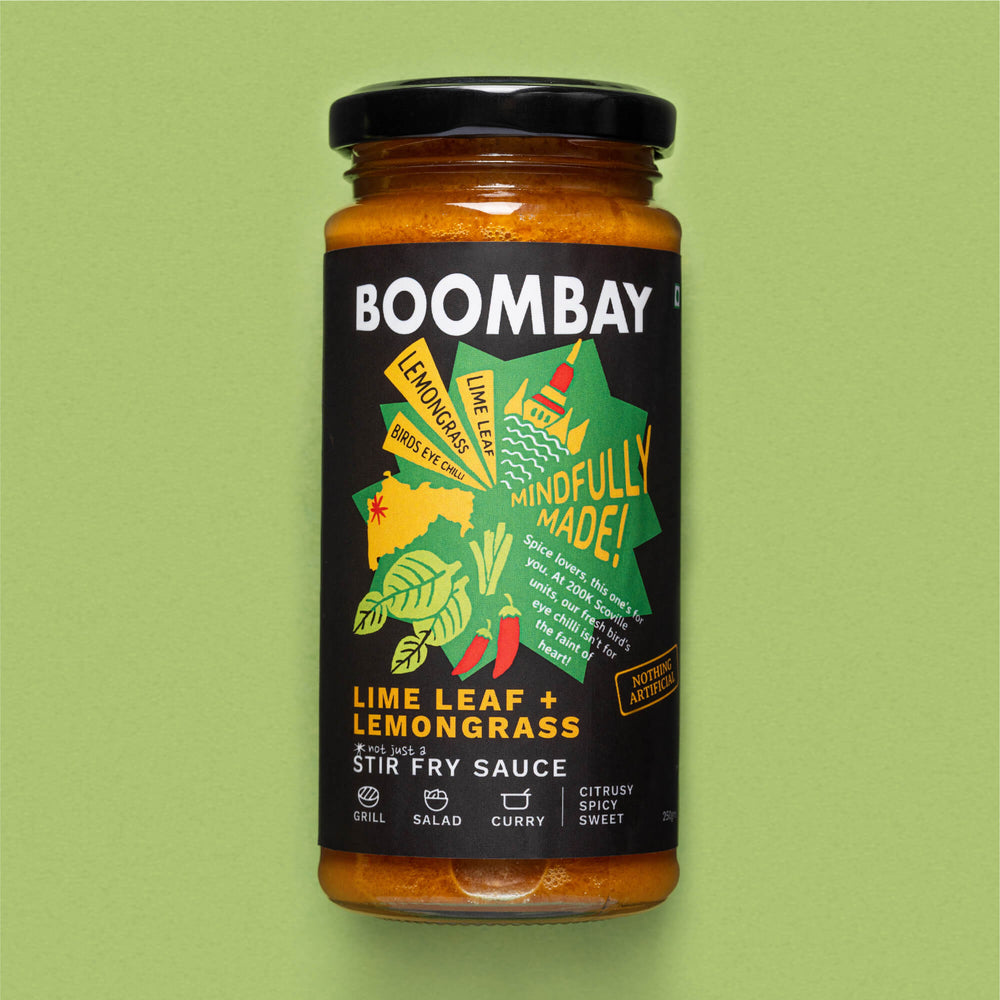
Fish sauce brings a specific funky, salty depth to Thai and Vietnamese cooking. Plant-based stir-fry sauces build complexity through fermented soybeans, roasted aromatics, and layered spices instead. The Lime Leaf + Lemongrass creates that fresh, tangy Thai vibe without fish sauce. Lime's brightness, lemongrass's tropical hit, and a tangle of flavors that make your taste buds happy.
Cream-based pasta sauces have a specific dairy richness. Coconut milk or cashew cream create creaminess with a slightly different character. Some people prefer the lighter feel. Others miss dairy's specific taste.
Ingredient Swaps to Know
Here's what typically changes between traditional and plant-based versions:
Traditional Caesar uses: Egg yolks, anchovies, parmesan, lemon, garlic, extra virgin olive oil
Plant-based Caesar uses: Cashew cream, capers (for salty punch), nutritional yeast, lemon, garlic, extra virgin olive oil
Traditional Japanese-style teriyaki uses: Soy sauce, mirin (rice wine), sake, refined sugar
Alternative plant-based teriyaki variation uses: Soy sauce, coconut vinegar, coconut sugar or jaggery (instead of refined sugar)
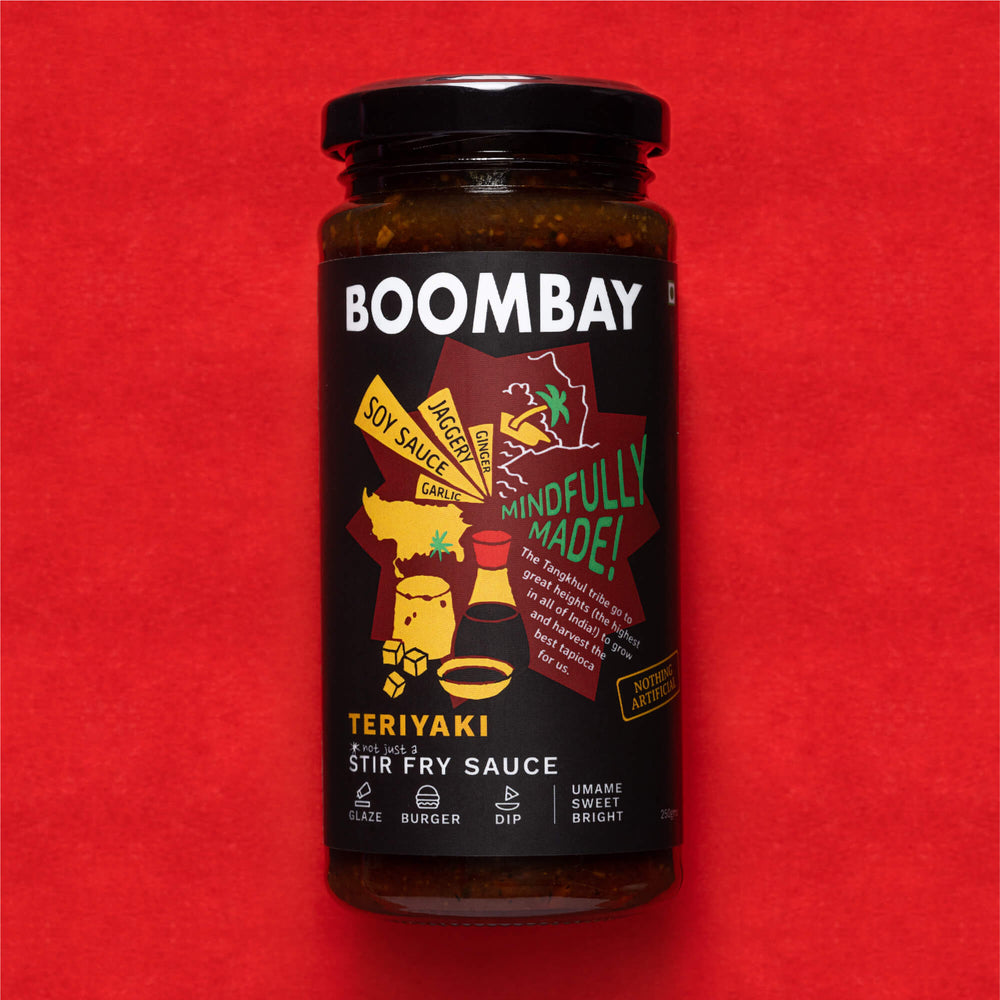
The Teriyaki we make uses jaggery's natural sweetness to balance soy's saltiness. The flavor comes from real ingredients working together, not shortcuts.
Traditional Thai curry uses: Fish sauce, shrimp paste, coconut milk
Plant-based Thai curry uses: Soy sauce instead of fish sauce, coconut milk, traditional Thai aromatics like lemongrass, galangal, garlic, and kaffir lime.
See the pattern? Plant-based versions swap out animal ingredients but keep building flavor through fermentation, aromatics, and quality oils.
When Each Works Best
Traditional sauces shine in dishes where their specific flavors matter. If you're making authentic carbonara, egg yolks are part of the magic. Classic French béarnaise needs butter.
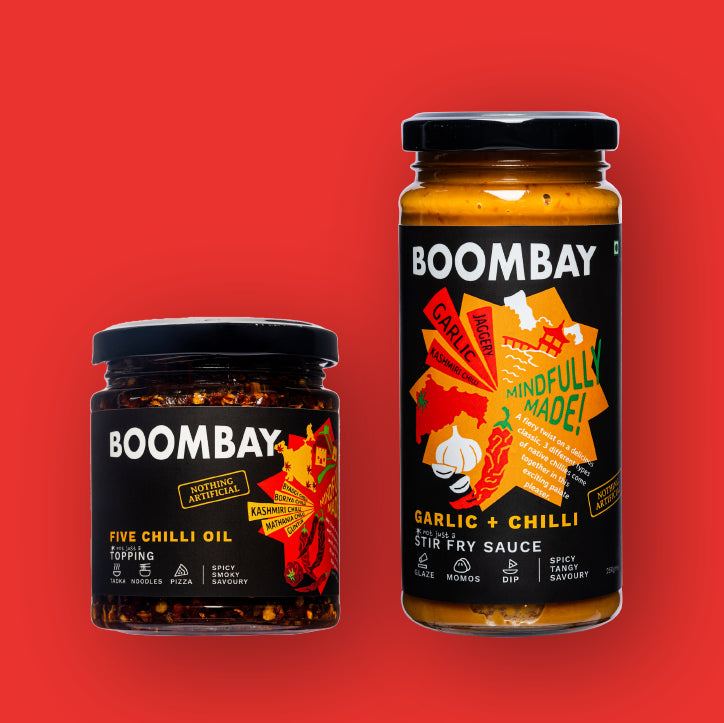
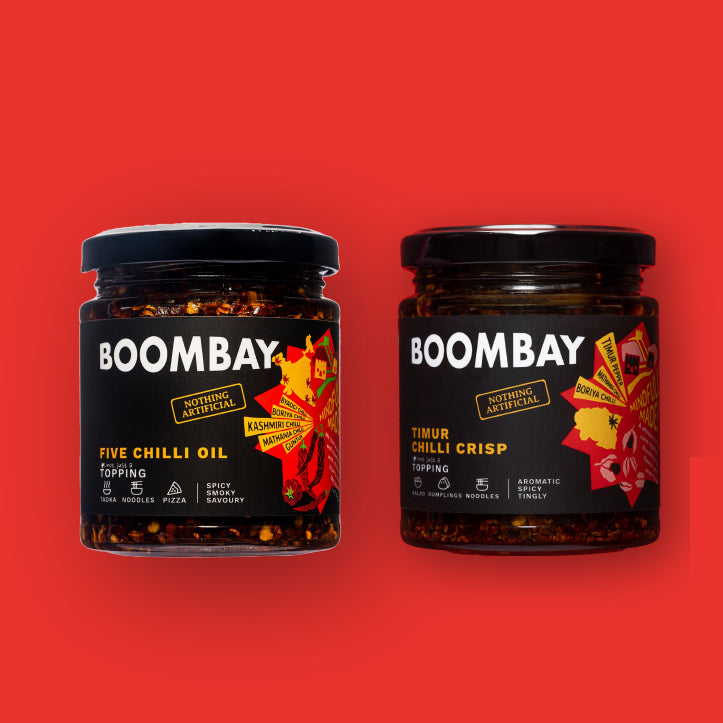
Plant-based sauces work brilliantly when you want bold, clean flavors. The Five Chilli Oil doesn't need animal products to deliver heat. Five varieties of Indian chillies, cold-pressed sesame oil, and aromatics create pure fire. Drizzle it on dumplings, pizza, or dal. Nothing gets in the way of that boom.
Stir-fries, marinades, and quick cooking actually benefit from plant-based sauces. The Miso + Ginger brings together Indian kabuli chana miso and Japanese soy miso with sharp ginger. That combination works magic in ramen, glazes vegetables beautifully, and adds punch to sandwiches.
What to Expect When You Switch
Your first few plant-based sauces might taste a bit different from what you're used to. Give your taste buds a week to adjust. You'll start noticing flavors you missed before.
Without eggs or dairy masking flavors, you taste ingredients more clearly. Garlic tastes garlicky. Spices pop. Herbs shine. Many people end up preferring this clearer flavor profile once they get used to it.
Textures match up surprisingly well. Good plant-based mayo spreads just like traditional. Plant-based stir-fry sauces coat noodles beautifully. Creamy dressings still drizzle smoothly over salads.
Choosing What Works for You
You don't have to pick one or the other exclusively. Many home cooks keep both traditional and plant-based options around. Use whichever fits your mood, dish, or dietary needs.
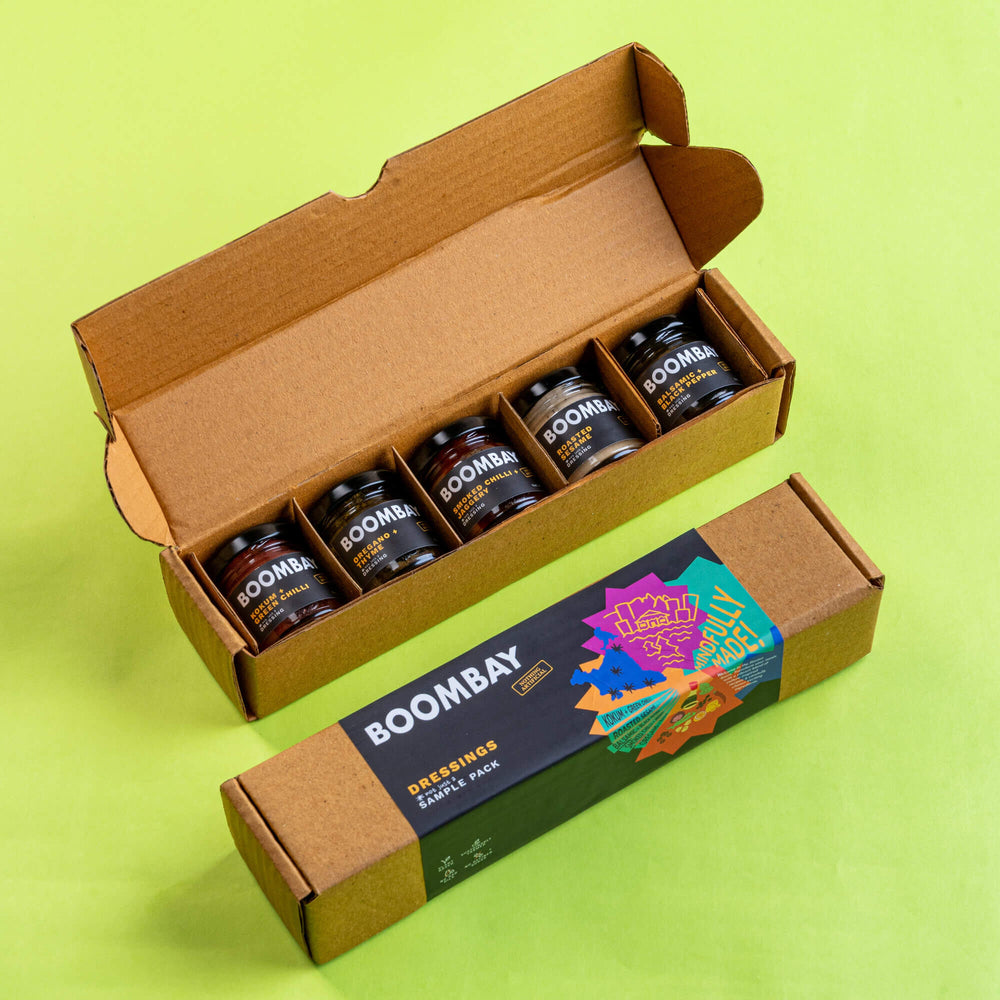
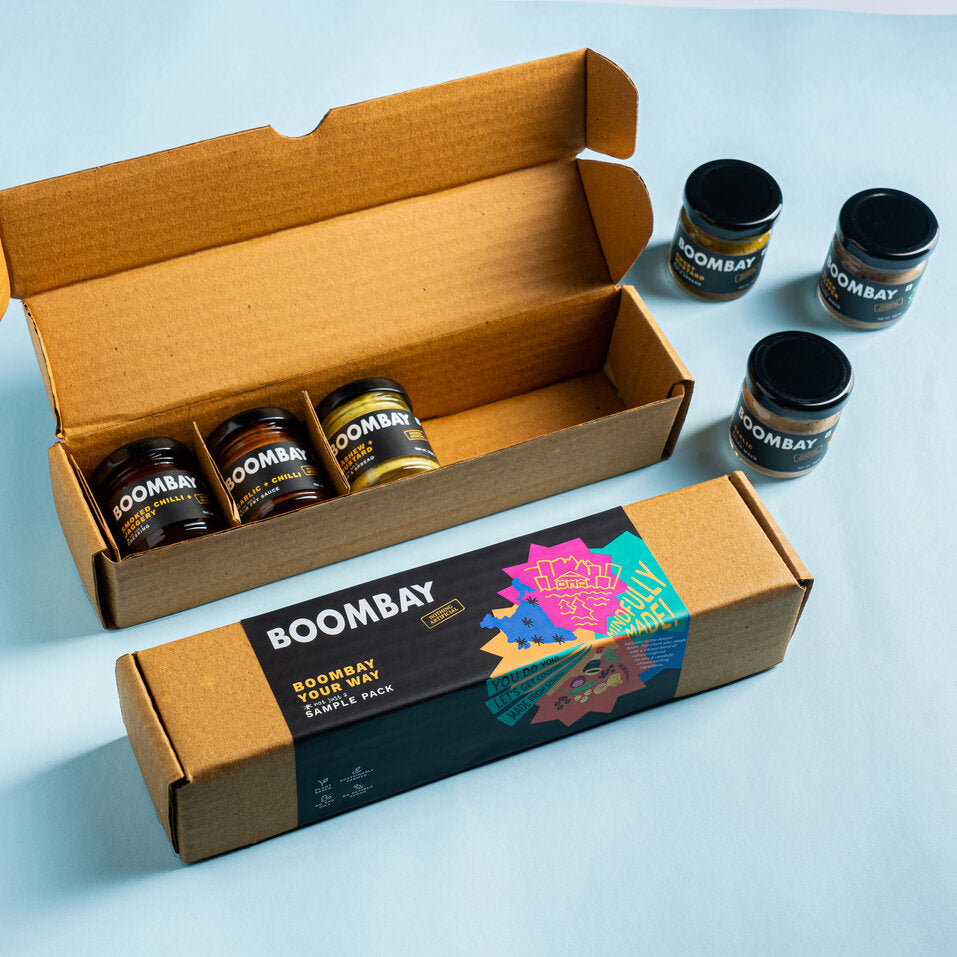
If you're cooking for friends with different preferences, plant-based sauces make everyone happy. Nobody feels left out. The entire Boombay collection works for any diet because flavor comes first.
Look for plant-based sauces made with real ingredients. Cold-pressed oils, actual vegetables, whole spices. Skip anything with a paragraph-long ingredient list. Simple usually means better.
Say goodbye to boring meals because it's time to make delicious, flavorful food, the Boombay way. Shop the entire collection here.
Frequently Asked Questions
Q. What exactly makes a sauce plant-based?
Plant-based means zero animal ingredients. No eggs, dairy, fish, or honey. Just vegetables, fruits, spices, plant oils, and fermented ingredients for flavor and texture.
Q. Will plant-based sauces taste completely different?
They taste different but not worse. You get clearer, brighter flavors without eggs or dairy in the way. Most people adjust within a few days and start enjoying the difference.
Q. Can I use plant-based sauces in any recipe?
Absolutely. Stir-fries, marinades, dips, spreads, and dressings all work beautifully. Just use them like you'd use traditional versions.
Q. Do plant-based sauces last as long as traditional ones?
Most last 6-12 months unopened. After opening, refrigerate and use within a few months. Check individual labels for specific guidance.
Q. Are plant-based sauces more expensive?
Prices vary by brand. Quality plant-based sauces cost about the same as premium traditional options. You're paying for better ingredients either way.
Q. What should I try first if I'm new to plant-based sauces?
Start with something versatile like a stir-fry sauce or mayo. These work in tons of dishes, so you'll get a good feel for how plant-based versions compare.