Ever flip over a sauce bottle and wonder what half those ingredients actually are? You're not alone. Let's walk through what really goes into the condiments we use every day and why it matters.
What's Actually in Most Store Bought Sauces?
Here’s the thing about commercial condiments. They’re built to sit on store shelves for months at ambient temperature. A long shelf life doesn’t automatically mean preservatives are required. Acidity, salt, sugar levels, and proper heat processing can all keep a product stable for 12 months or more without any additives.
What manufacturers often add goes beyond just shelf life. It’s usually about cost, consistency, texture, and appearance at scale.
Pick up any random bottle and you might find:
Sodium benzoate (used in some products to inhibit mold and yeast)
High fructose corn syrup (cheap sweetener)
Artificial colors (keeps the product looking consistent)
Modified food starch (improves texture and thickness)
"Natural flavoring" (a broad term that can cover many ingredients)
Some bottles list 15 ingredients when the core recipe might only need four or five. That ketchup? Often more sugar than tomato. That soy sauce? Can pack over 4,000 mg of sodium per 100 ml.
The Homemade Advantage
When you make sauces at home, you're the boss. You decide what goes in, how much salt to use, and whether to skip the weird additives completely.
What homemade gives you:
- Fresh ingredients you recognize
- Control over sweetness and spice
- No preservatives
- Ability to use better oils and sugars
- Usually less sodium
A homemade ketchup lets you use real tomatoes and sweeten with jaggery instead of corn syrup. Your mayo can use extra-virgin olive oil instead of refined vegetable oil. You know exactly what you're eating.
The downside? Time. Making ketchup from scratch takes hours. Most homemade sauces last only 5-7 days in the fridge. You're cooking small batches more often.
The Problem with Going All Homemade
Let's be honest. Most of us don't have time to make everything from scratch. Between work, family, and everything else, spending Sunday afternoon cooking down tomatoes for ketchup isn't realistic.
Plus, not all homemade versions automatically win. You can still use too much salt at home. You can still pick low-quality ingredients. And frankly, some things are just fine to buy if you know what to look for.
What If Store Bought Could Be Just as Good?
Here's where things get interesting. What if someone made condiments the way you would at home, with the same care about ingredients, but did it for you?
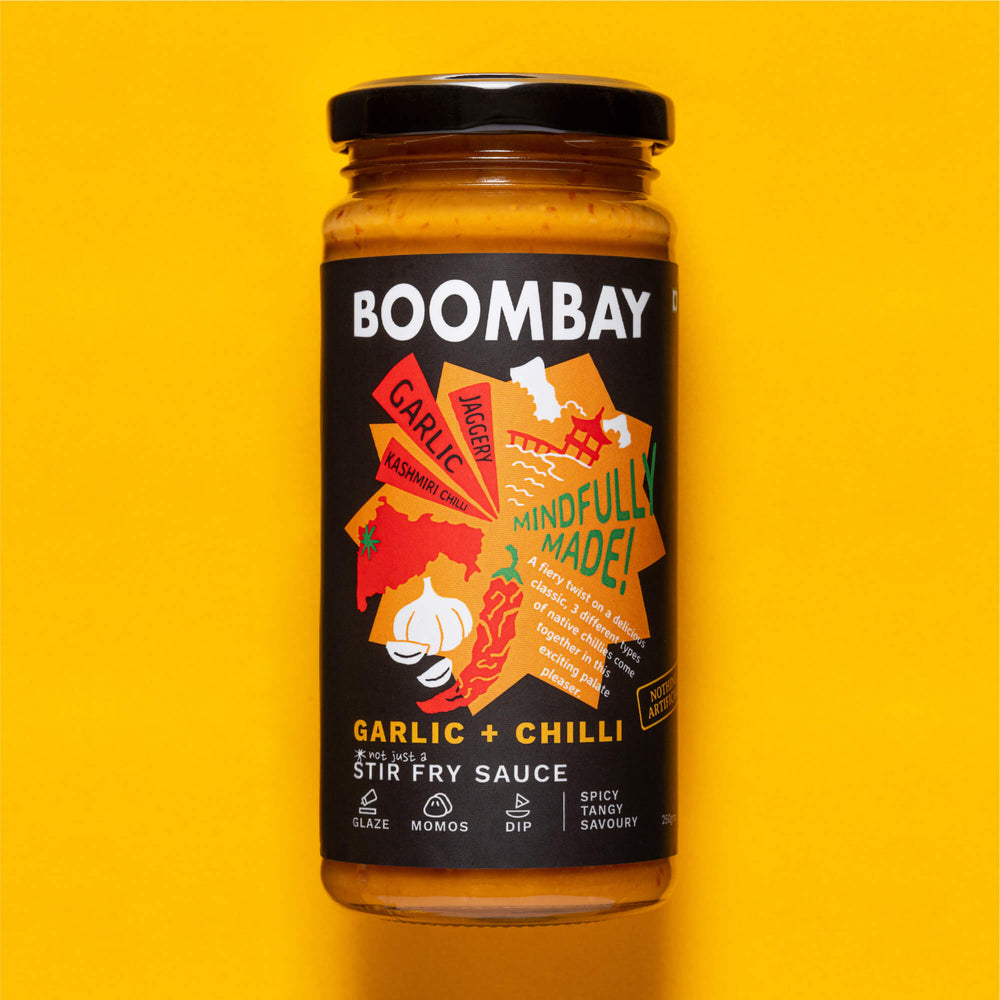
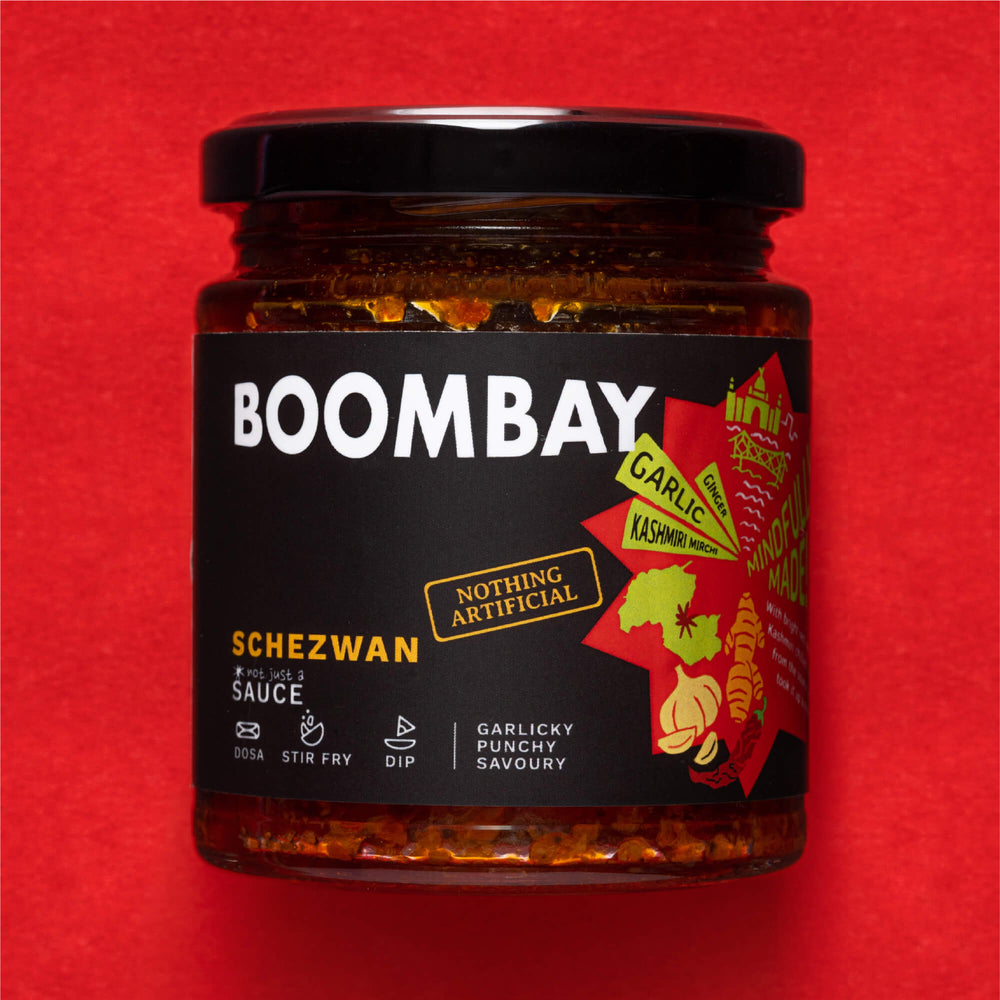
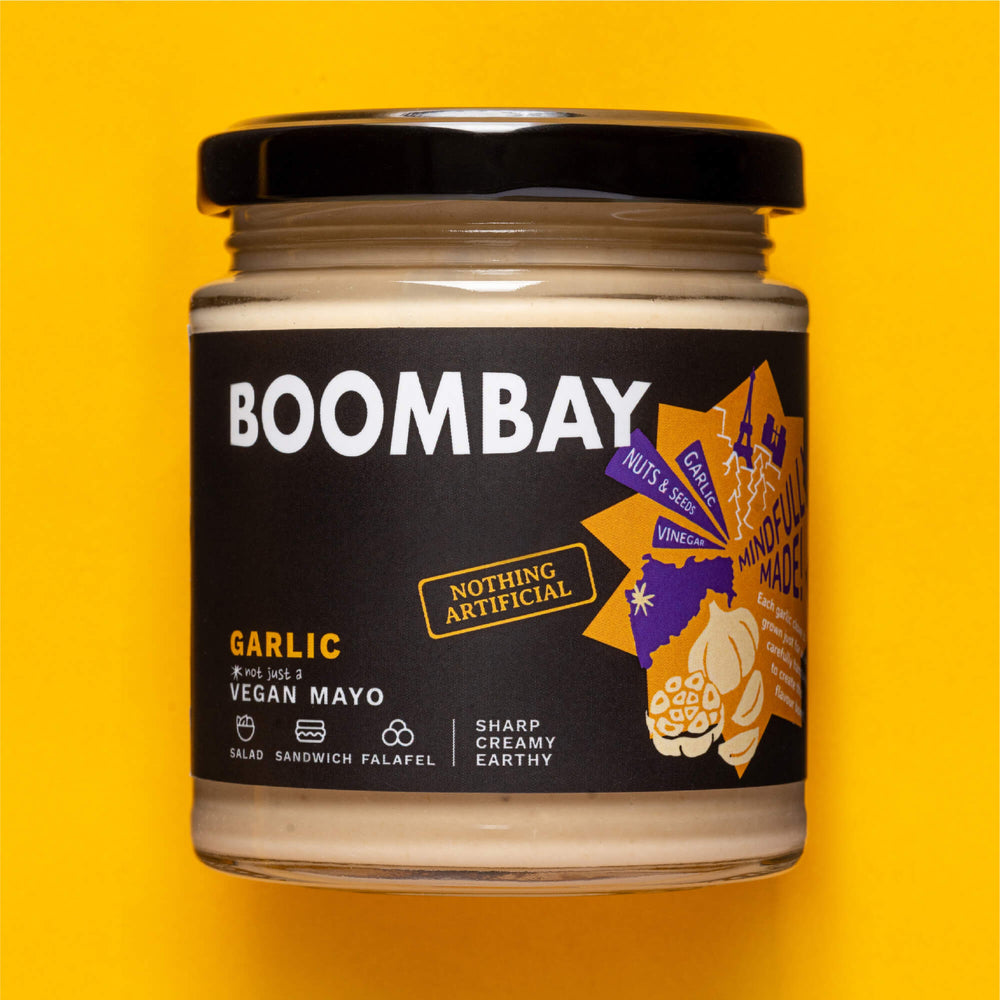
That's exactly what happens when condiments are made mindfully. Instead of taking shortcuts with cheap refined oils and corn syrup, you use real ingredients. Cold-pressed sesame oil. Coconut vinegar. Jaggery for sweetness. Actual spices instead of flavor packets.
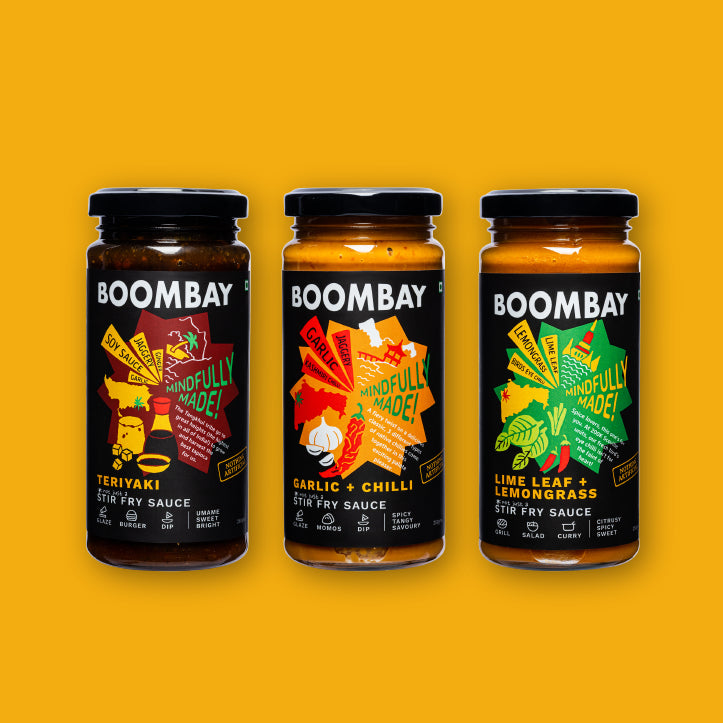
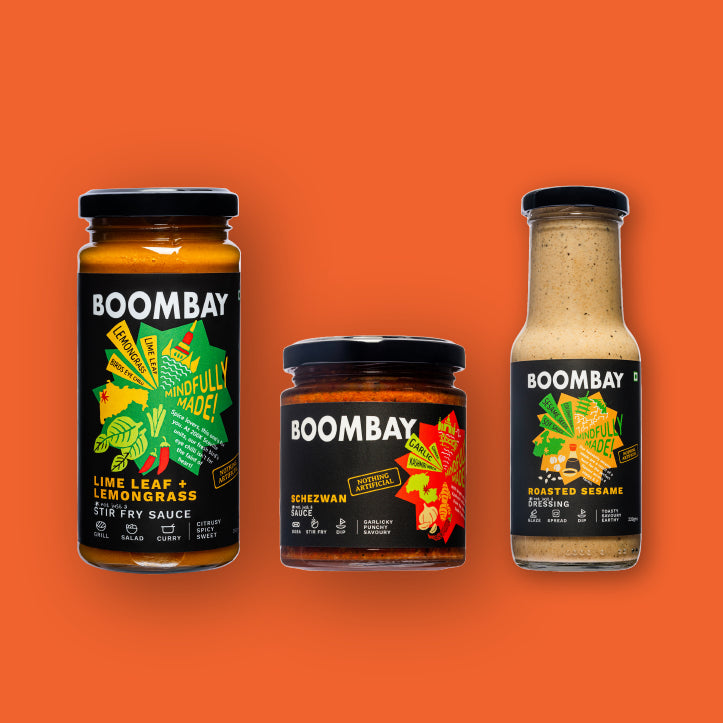
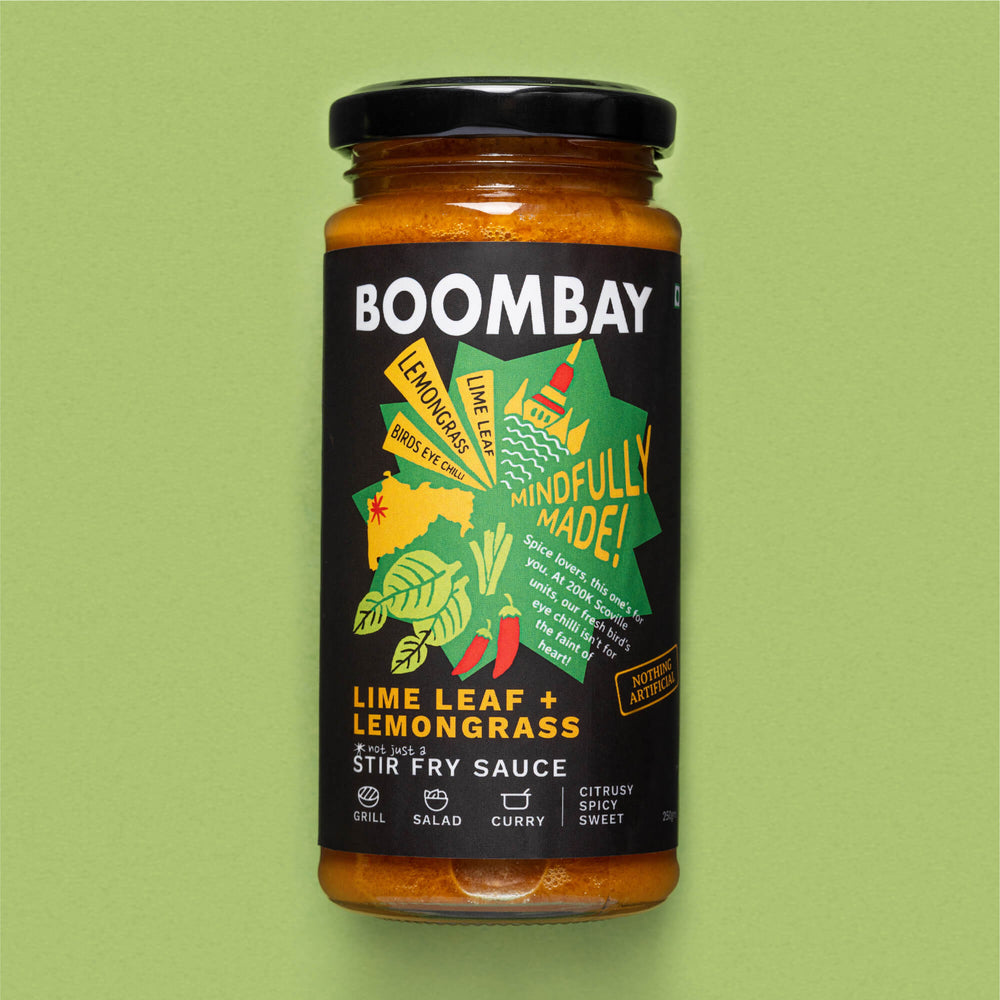
Take our Lime Leaf + Lemongrass Stir Fry Sauce. The ingredients read like an actual recipe you'd make at home: cold-pressed sesame oil, fresh lime leaves, lemongrass, coconut vinegar, jaggery. Nothing mysterious. Nothing artificial.
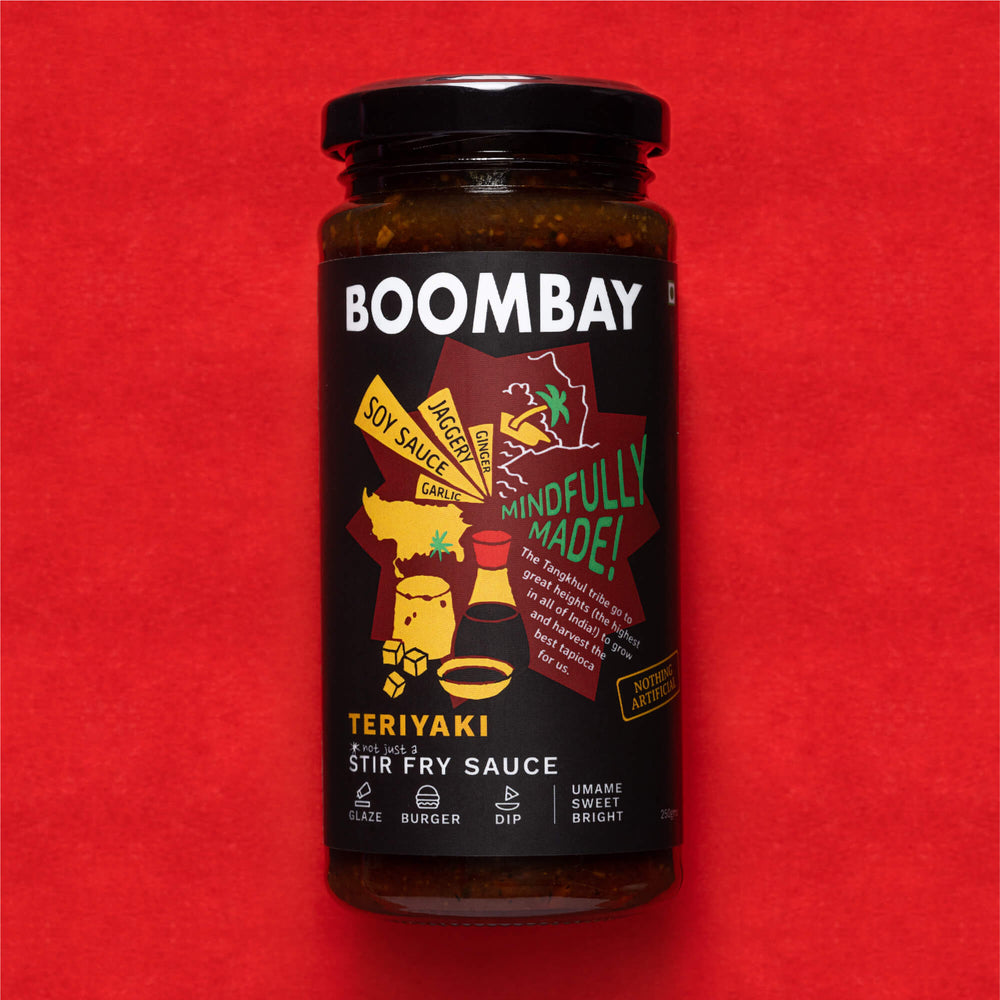
Or look at Teriyaki. Most store versions dump in high fructose corn syrup. We sweeten ours with jaggery instead. Same delicious sweet and savory balance, just made with ingredients that make sense.
When sauces are made the right way, using cold-pressed oils, naturally fermented vinegars, and real spices, you get convenience without compromise. You're not choosing between quality and your schedule anymore.
How to Spot the Good Stuff
Whether you're making sauces at home or buying them, here's what actually matters:
Look for ingredient lists that make sense. If you wouldn't use it in your kitchen, why eat it in a bottle?
Check the oil. Cold-pressed sesame oil or extra virgin olive oil beats "vegetable oil" every time.
Notice the sweetener. Jaggery or coconut sugar tells you someone cared about quality. High fructose corn syrup means they cared about the price tag.
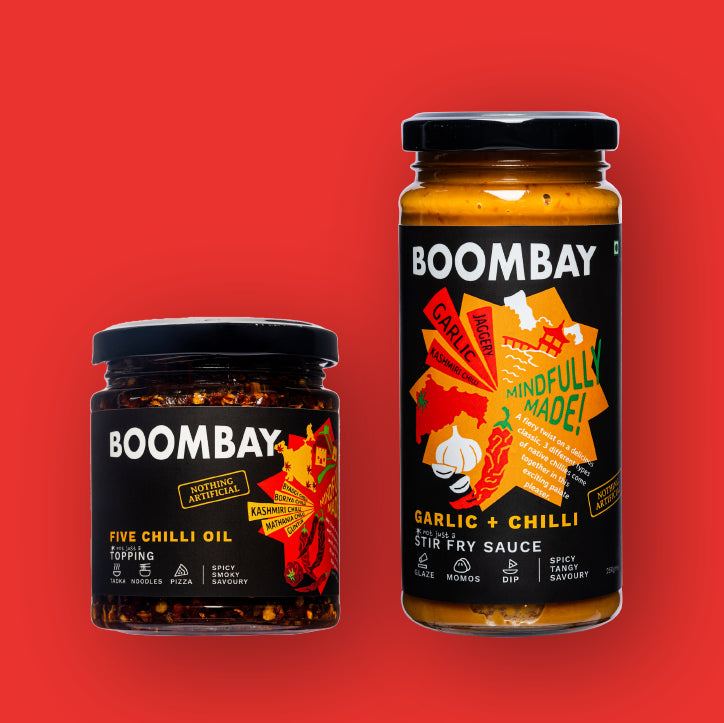
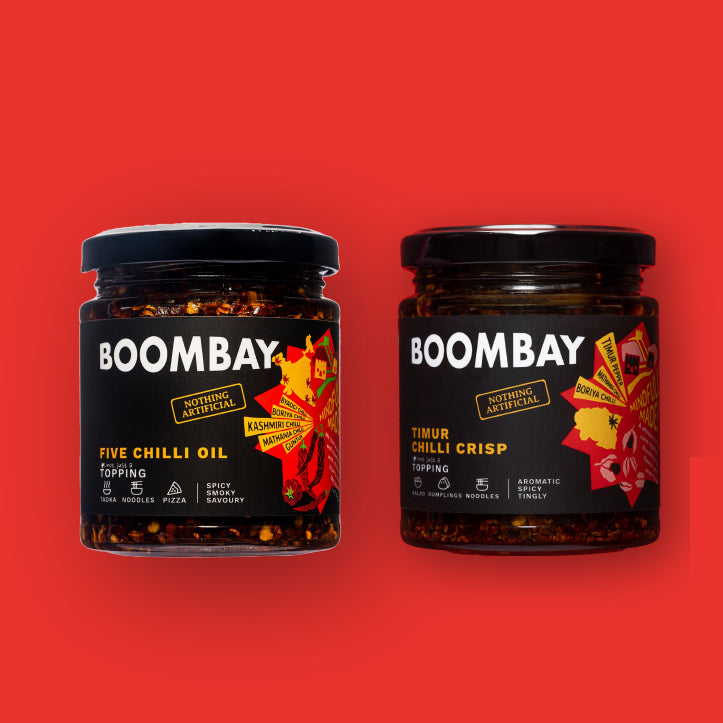
Our Five Chilli Oil uses five varieties of chillies, cold-pressed sesame oil, and aromatics. That's it. The flavor comes from real chillies doing what they do best, not from artificial heat boosters.
Making Smarter Swaps
You don't need to overhaul your entire pantry overnight. Start with what you use most.
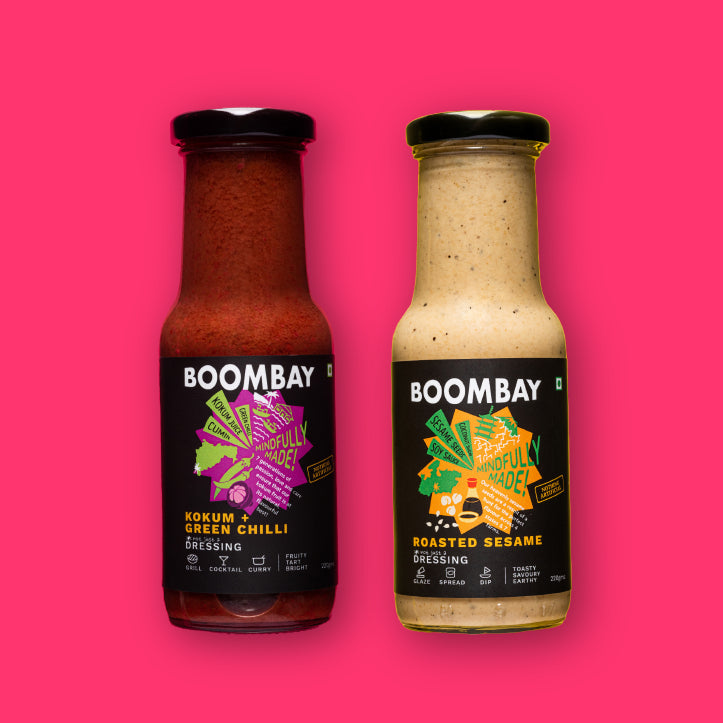
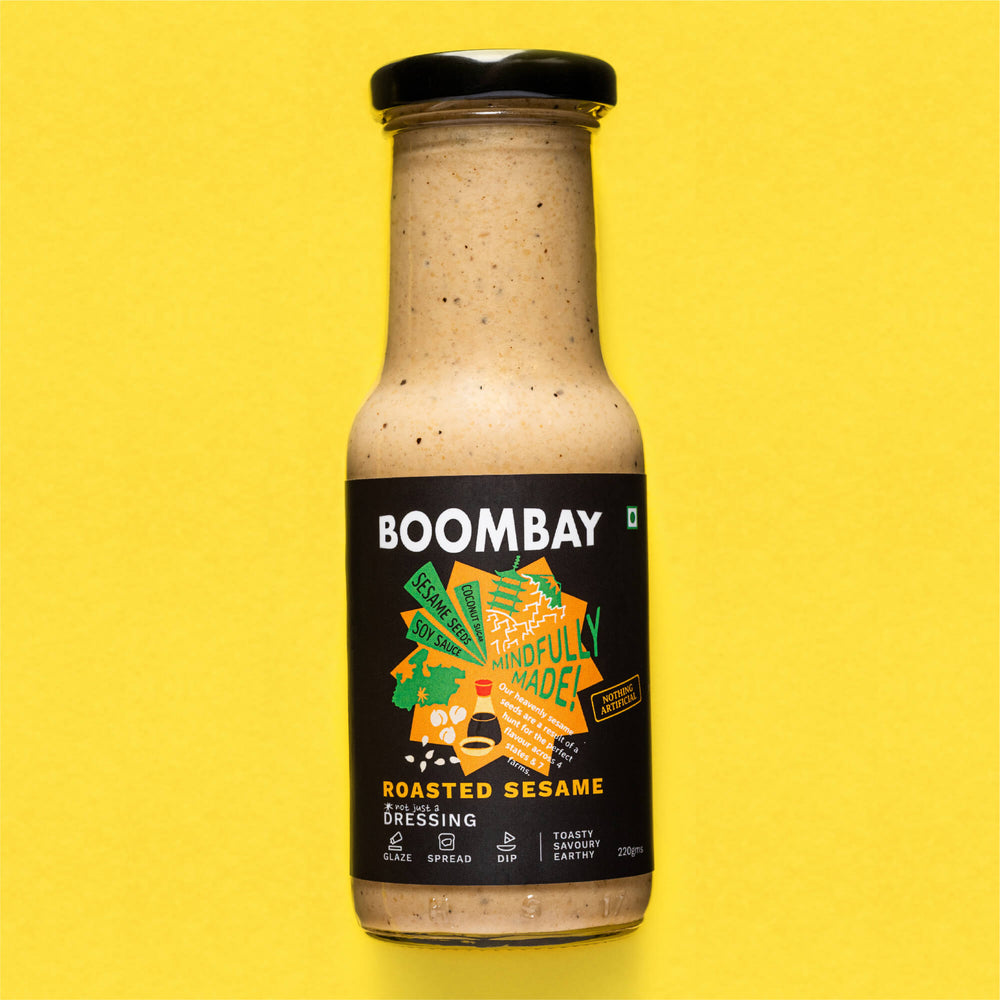
If you love salad dressings, that's worth upgrading. Commercial versions often use low-quality refined oils. A Roasted Sesame Dressing made with cold-pressed sesame oil and real spices tastes completely different.
For stir fries, skip the bottled teriyaki loaded with corn syrup. Try our Teriyaki sauce made with ingredients you'd actually cook with.
Small changes add up to meals that taste better and feel better too.
The Real Point
Homemade condiments give you control. Store bought gives you convenience. But when condiments are made mindfully, with real ingredients and no shortcuts, you get both.
You shouldn't have to choose between flavor and quality. Between convenience and knowing what you're eating. The best sauces taste like actual food because they're made from actual food.
When you open a jar and smell real garlic, fresh chillies, or roasted sesame, not "flavoring," that's when you know someone made it right.
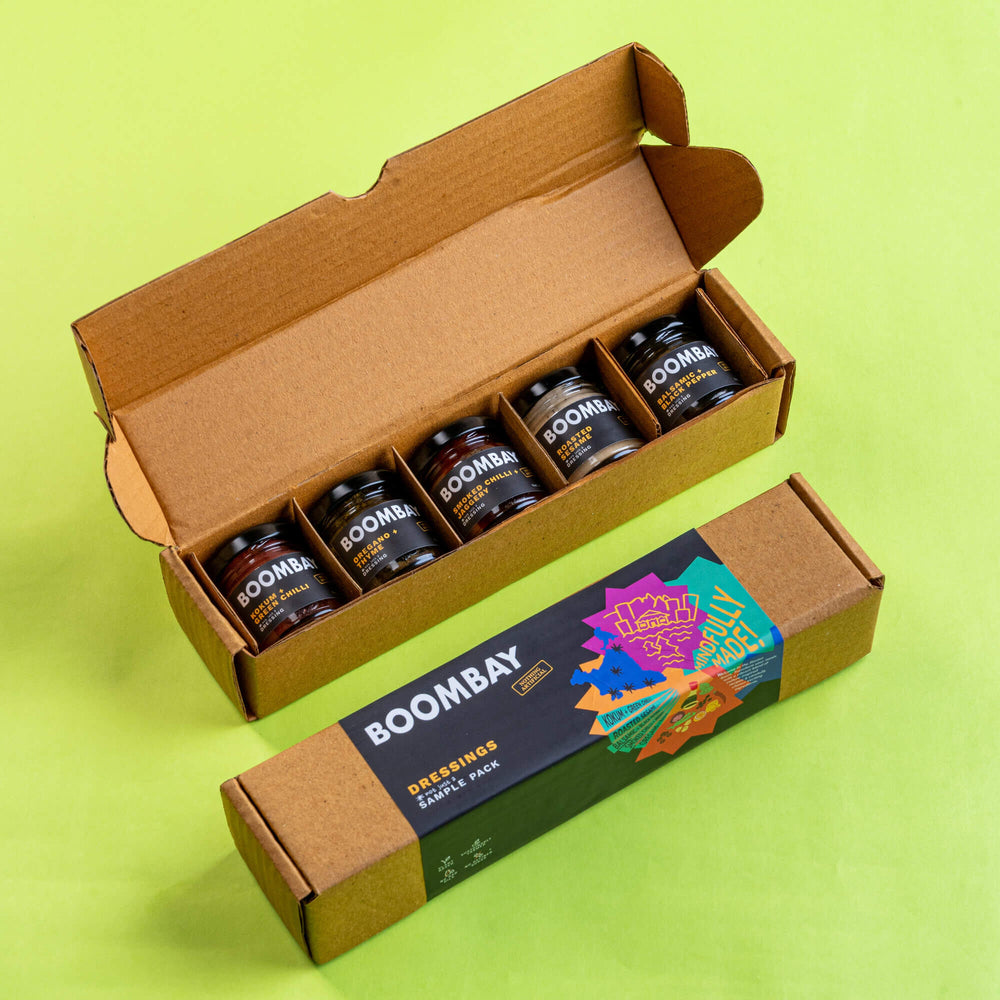
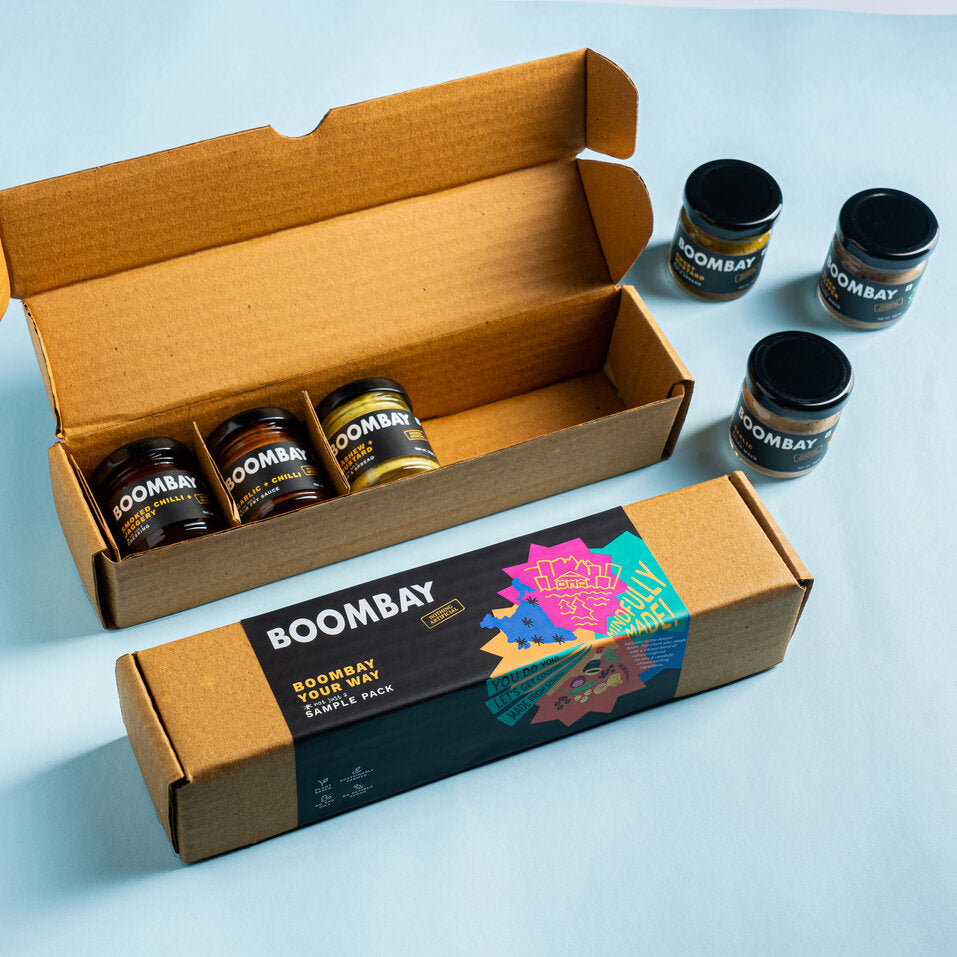
Say goodbye to boring meals because it's time to make delicious meals, the Boombay way. Shop the entire collection here.
Frequently Asked Questions
Q. Are homemade condiments always better than store bought?
Not automatically. Quality matters more than where it's made. Condiments made with cold-pressed oils, real spices, and natural sweeteners can match homemade quality without the time investment.
Q. How long do homemade condiments last?
Most homemade sauces last 5-7 days refrigerated. Vinegar-based options keep 2-3 weeks. Always store in airtight containers and check for any off smells or appearance changes.
Q. What should I look for in store bought sauces?
Check for recognizable ingredients, cold-pressed oils, natural sweeteners like jaggery, and real spices. Avoid high fructose corn syrup and artificial colors.
Q. Can sauces taste good without loads of salt?
Yes. Fresh herbs, garlic, citrus, and real spices build flavor complexity. Roasted ingredients add depth. Quality ingredients mean you need less salt to make something taste delicious.
Q. What makes mindfully made sauces different?
They use ingredients you'd use at home: cold-pressed sesame oil, coconut vinegar, jaggery, real spices. The focus is on actual flavor from real ingredients, not shelf life and cost cutting.
Q. Should I make all condiments from scratch?
Make what matters to you and fits your schedule. For everything else, choose well-made options that use quality ingredients and skip the shortcuts.