With LPG cylinder prices crossing ₹900 in most cities and supply disruptions making headlines through early 2026, the induction vs gas stove India debate has moved from idle curiosity to urgent kitchen-table conversation. Every household that has waited three extra days for a cylinder refill has asked the same question: Which is better, induction or gas, for how we actually cook?
The answer is not as clean as either side wants it to be. Induction cooking vs gas cooking in India is not a story of one being universally superior. Both have genuine strengths and real limitations depending on family size, cooking style, budget, and how reliable electricity is in your area. Here is how they stack up across the parameters that matter most in an Indian kitchen.
Induction vs Gas Stove: Head-to-Head
Twelve factors compared honestly, no marketing fluff, just what each appliance actually delivers in a real Indian kitchen in 2026.
Energy Efficiency
Induction converts 85-90% of energy into cooking heat. Gas manages only 40-50%, with the rest warming your kitchen ceiling. The efficiency gap is the single biggest reason induction costs less to run.
Monthly Running Cost
A standard 14.2 kg LPG cylinder costs ₹900-920 in most metros. An induction cooktop producing the same usable heat costs roughly ₹525-640 in electricity. Smaller households save the most. Heavy cooking families may push into higher electricity slabs, narrowing the gap.
Heating Speed
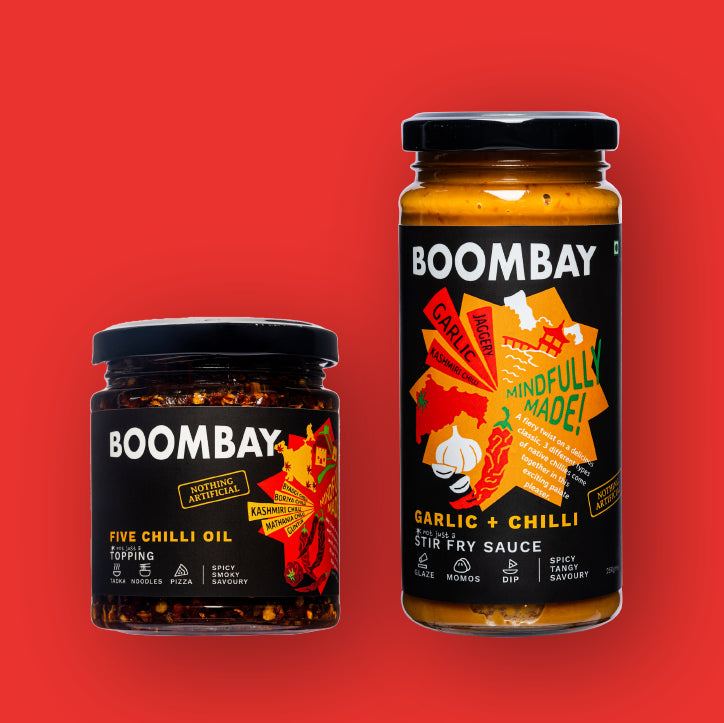
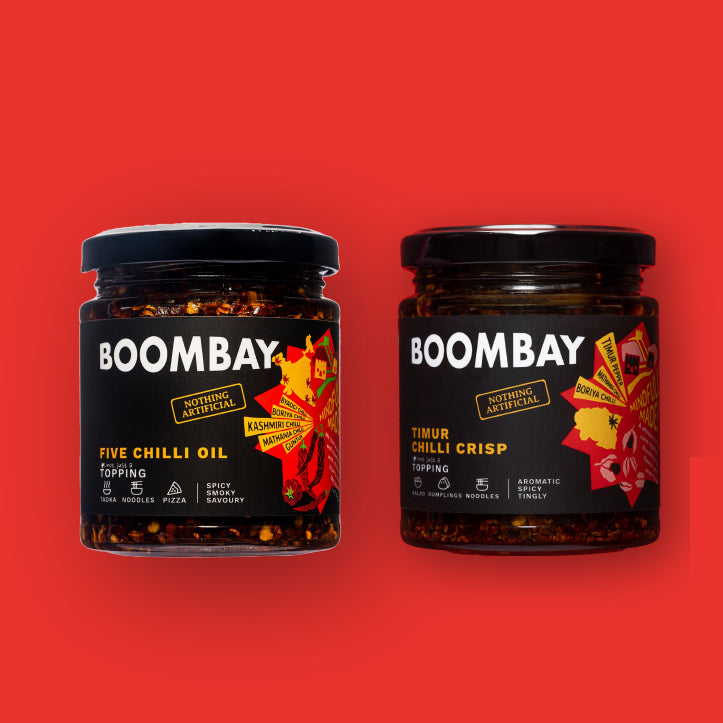
Induction boils water in roughly 5 minutes. Gas takes closer to 8. For everyday tasks like making chai, boiling dal, or heating oil for a quick stir-fry with Five Chilli Oil, induction gets you there faster.
Cookware Compatibility
Gas works with every vessel: steel, aluminium, copper, cast iron, clay pots, and non-stick. Induction needs a magnetic base. Stainless steel and cast iron qualify. Aluminium and copper do not, unless they have an induction-compatible layer bonded to the bottom. A fridge magnet test settles the question instantly.
Temperature Control
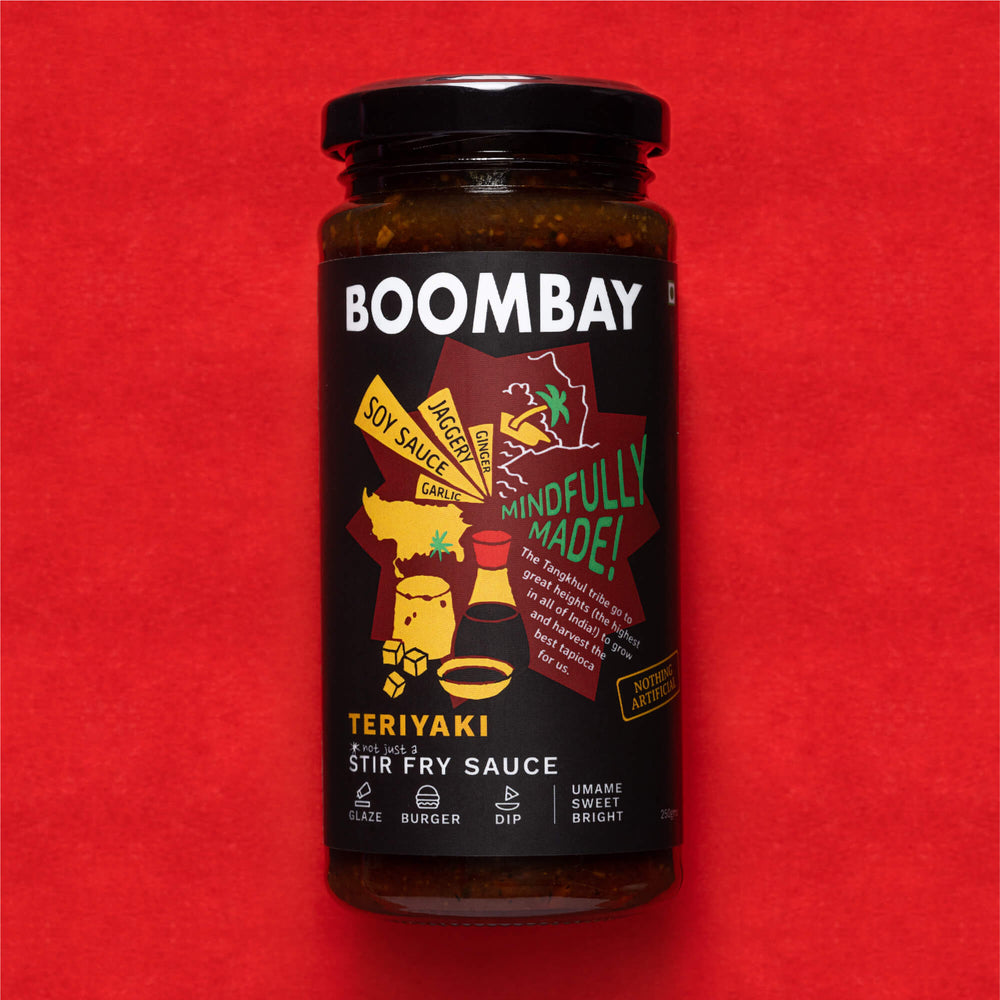
Induction offers precise digital settings that hold a steady temperature, ideal for simmering dal or reducing a Teriyaki sauce glaze without scorching. Gas relies on manual flame adjustment with no exact readings, which works but takes practice.
Indian Cooking Performance
Most daily cooking (dal, rice, sabzi, eggs, noodles) works perfectly on induction. Stir-fries and quick sauce-based meals actually benefit from induction's instant heat response. Tadka needs a flat-bottomed pan instead of tilting the vessel, a minor adjustment. Gas handles elaborate, multi-dish cooking sessions with more ease, especially for large families.
Safety
Induction has no flame, auto shut-off when the pan is removed, and child locks on most models. Gas carries risks of leaks, unattended flames, and combustion byproducts (nitrogen dioxide, carbon monoxide) released directly into the kitchen air. In small urban flats without proper exhaust, induction is the safer choice.
Cleaning
Induction wipes clean in seconds with a damp cloth. The flat glass surface does not collect grease or burnt residue the way gas burner grates do. Gas stoves need regular scrubbing of grates, burner caps, and drip trays.
Power Cut Cooking
Gas works without electricity. Induction goes silent the moment power drops. For areas with frequent outages, gas remains the more reliable LPG alternative; induction cannot fully replace it without an inverter or UPS backup.
Kitchen Comfort
Induction keeps the kitchen cool because heat goes directly into the vessel. Gas radiates heat into the room, making summer cooking in a small kitchen uncomfortable. A cooler kitchen also means lower air conditioning costs.
Upfront Cost
Both are comparable at the entry level. A basic induction cooktop costs ₹2,000-4,000. A 2-burner gas stove sits in a similar range. Induction may require new cookware (₹2,000-5,000 extra), but compatible vessels work on gas too, so the investment carries forward.
What Fits Who
Induction suits you if:
- Small family or couple cooking 1-2 meals a day
- Living in a PG, hostel, or compact apartment
- Prioritising safety, especially with young children or elderly family members
- Wanting lower monthly running costs with reliable electricity
- Cooking quick meals, stir-fries, and one-pan dinners with good sauces and condiments
Gas suits you if:
- Large family with elaborate daily cooking
- Making rotis and phulkas on a daily basis
- Living in an area with frequent power cuts
- Using traditional cookware like aluminium kadhais, clay pots, or copper vessels
- Preferring the tactile control of a visible flame
The smartest setup for many homes in 2026: Both. Gas for heavy cooking and roti making. A single induction cooktop for quick tasks, reheating, and everyday meals. The two complement each other rather than compete.
Making the Most of Either Stove
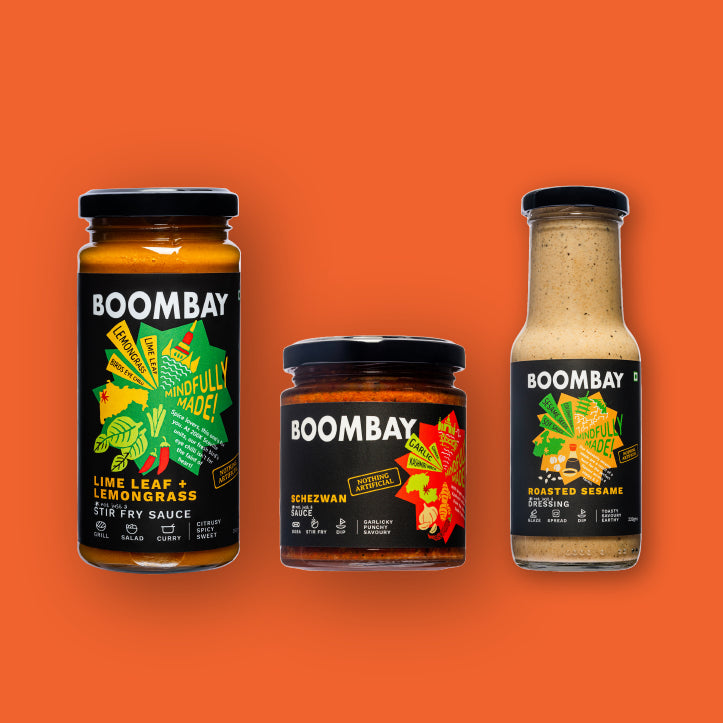
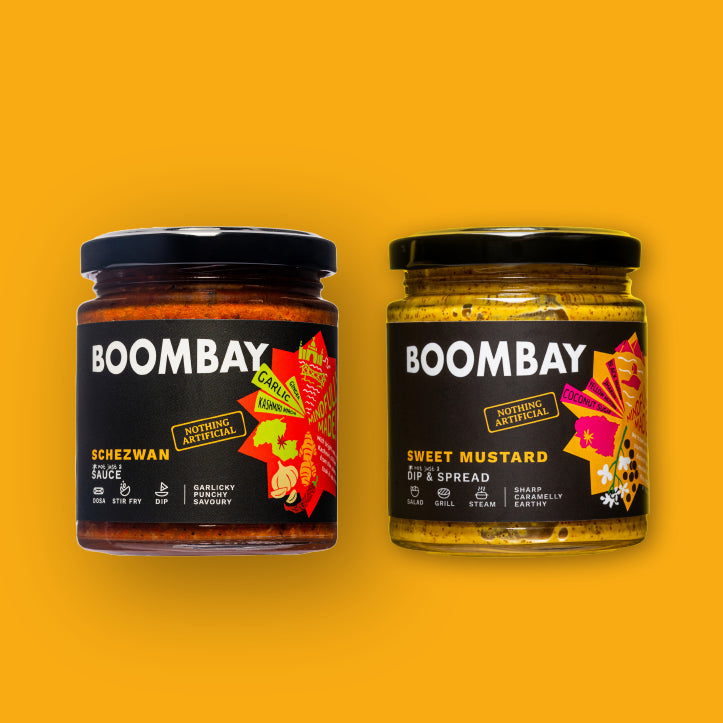
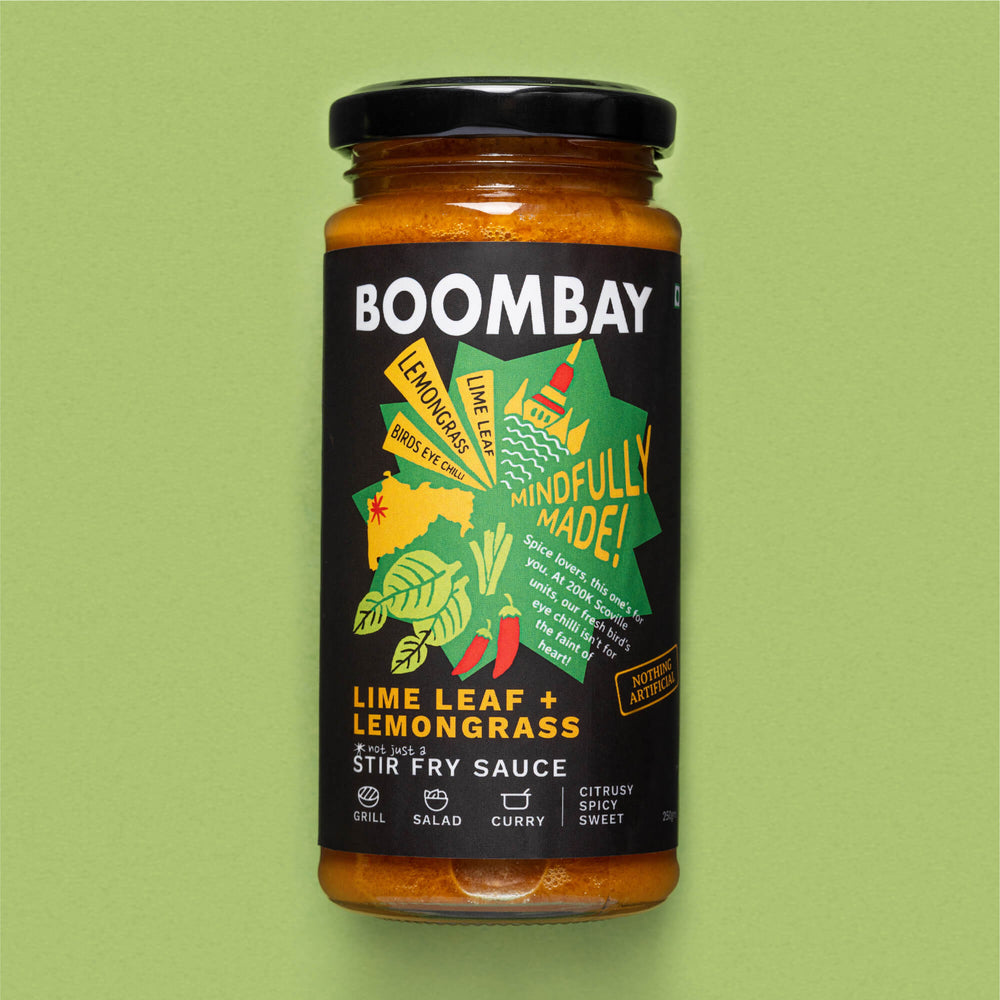
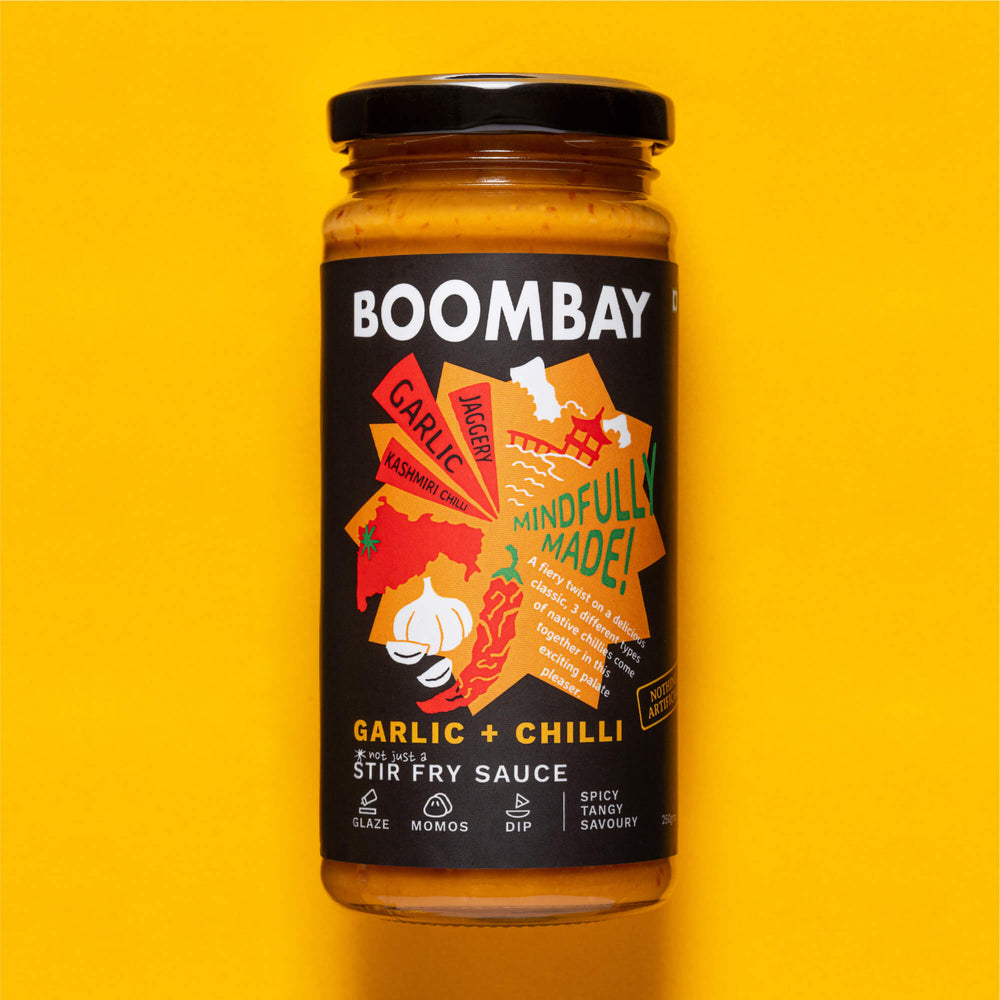
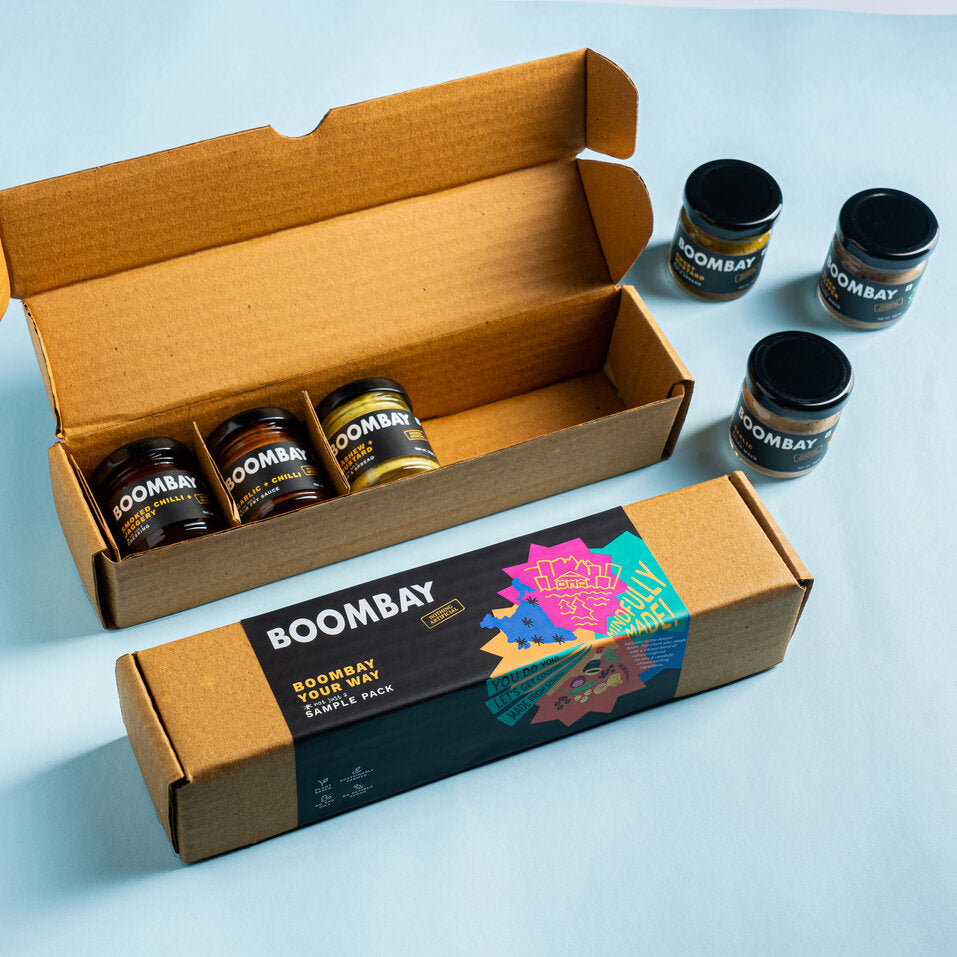
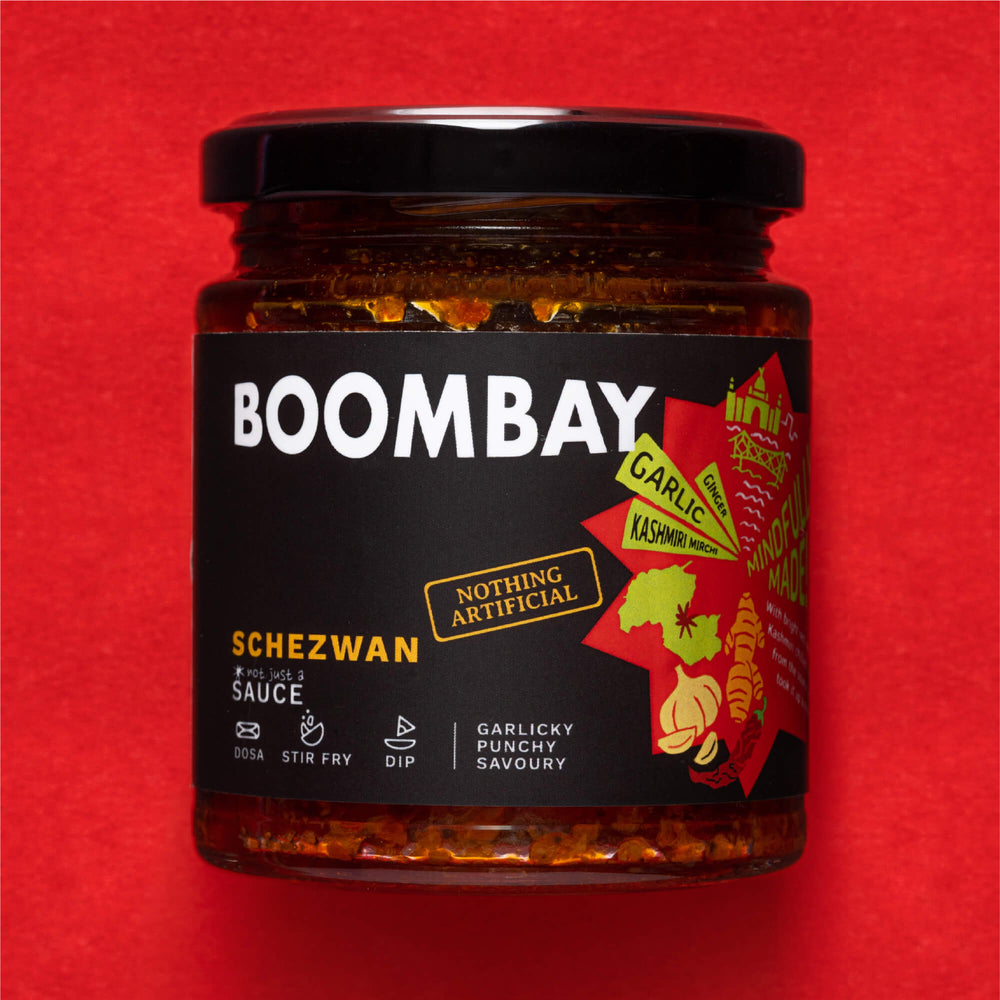
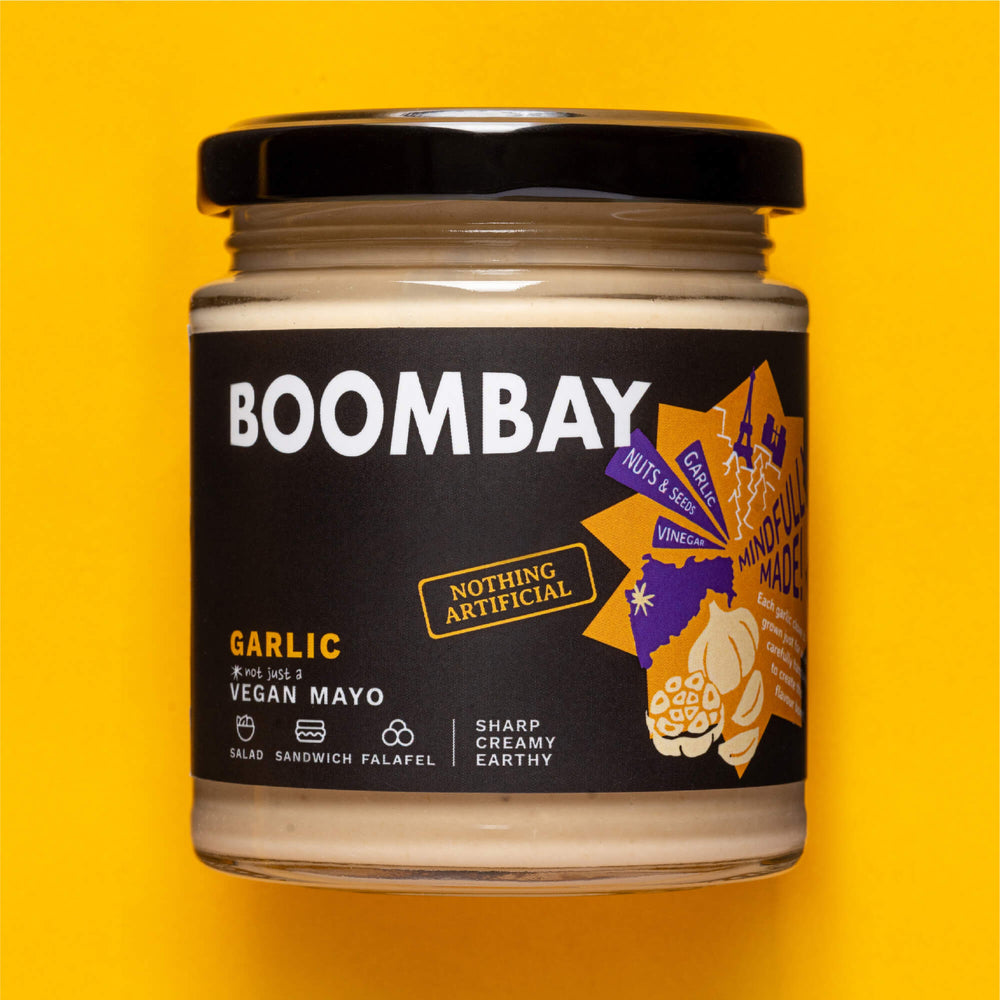
Whichever stove your kitchen runs on, the food only tastes as good as what goes into it. Stock the fridge with dips and spreads that turn simple meals into something worth eating. A good stir-fry sauce handles noodles, fried rice, and vegetable toss-ups on either gas or induction. Shop the collection and put your kitchen to better use, regardless of what heats the pan.
Frequently Asked Questions
Q. Can induction fully replace a gas stove in an Indian kitchen?
For small families and couples, yes. For larger households that make rotis daily and cook elaborate meals, induction works best as a supplementary appliance alongside gas.
Q. Does induction cooking change the taste of food?
Not at all. Heat is heat regardless of the source. The food tastes identical whether cooked on gas or induction.
Q. What happens during power cuts?
Induction does not work without electricity. Households in areas with frequent outages should keep a gas backup or invest in an inverter rated for the cooktop's wattage.
Q. Is the switch to induction expensive?
A cooktop costs ₹2,000-4,000. Compatible cookware may add another ₹2,000-5,000. Monthly savings of ₹250-350 typically recover the investment within 6 to 12 months.
Q. Which is better for hostel or PG cooking?
Induction, without question. Compact, safe, no gas cylinder needed, and most landlords allow induction cooktops where gas stoves are prohibited.