The gas cylinder runs out on a Sunday evening. The delivery slot is three days away. Dinner plans unravel. Sound familiar? Across Indian kitchens, this scene plays out with exhausting regularity. Rising LPG prices, unpredictable supply, and shrinking urban kitchens have pushed induction cooktops from backup appliance to genuine everyday workhorse. The shift is no longer about convenience alone. For many households, switching from gas to induction is simply the more practical choice.
Yet the questions pile up fast. Will my pressure cooker work? Can I make a proper tadka? What about rotis? The hesitation is understandable. Gas stoves have been the beating heart of Indian cooking for generations. Replacing that flame with a flat glass surface feels like a leap of faith. The good news is that induction cooking for beginners is far less complicated than it appears, and once the basics click, most people wonder why they waited so long.
How Induction Cooking Actually Works
An induction cooktop does not produce heat the way a gas burner or electric coil does. Instead, it generates an electromagnetic field that heats the cookware directly. The glass surface itself stays relatively cool. Only the pot or pan gets hot, which means less wasted energy, faster cooking, and a significantly lower risk of burns.
The practical result is striking. Water boils noticeably faster. Temperature changes are instant, not gradual. Spills do not bake onto the surface because the glass never reaches the temperatures a gas stove does. Cleaning takes 30 seconds with a damp cloth instead of the usual scrubbing of grates and burner caps.
The catch, and there is one, is cookware compatibility. Induction only works with vessels that have a magnetic base. A simple test settles the question: hold a fridge magnet to the bottom of the pan. If it sticks firmly, the vessel works. If it slides off, the cooktop will not detect it at all.
Choosing the Right Cookware
Flat-bottomed stainless steel and cast iron vessels work beautifully on induction. Most pressure cookers sold in India today are induction-compatible, and the packaging will say so clearly. Heavy-bottomed kadhais with a flat base handle everything from deep frying to curries.
Aluminium and copper vessels will not work unless they have an induction-compatible base layer bonded to the bottom. Curved-bottom woks and traditional rounded kadhais sit unevenly and heat poorly. The investment in a few good induction-ready pieces pays for itself quickly. Match the pan size to the coil diameter, and performance improves dramatically.
Indian Cooking on Induction: What Changes and What Stays the Same
The biggest concern for most Indian households is whether induction can handle the full range of daily cooking. The short answer is yes, with a few minor adjustments.
Pressure cooking works identically. Place the cooker on the surface, set the heat, and count whistles exactly as before. Most modern induction cooktops even have a dedicated pressure cooker preset that adjusts temperature automatically.
Tadka is where the adjustment happens. On gas, you tilt the pan to pool the oil and get that satisfying splutter from mustard seeds and cumin. On induction, the pan needs to stay flat for the coil to maintain contact. Use a small flat-bottomed pan, add oil, and let the spices do their thing. The splutter comes just as reliably. The technique shifts slightly, but the flavour does not.
Rotis and dosas need a heavy tawa. A thick cast-iron tawa distributes heat evenly across the surface, and induction gives you precise temperature control that gas actually struggles with. Once the tawa is seasoned and heated properly, rotis puff up exactly the way they should.
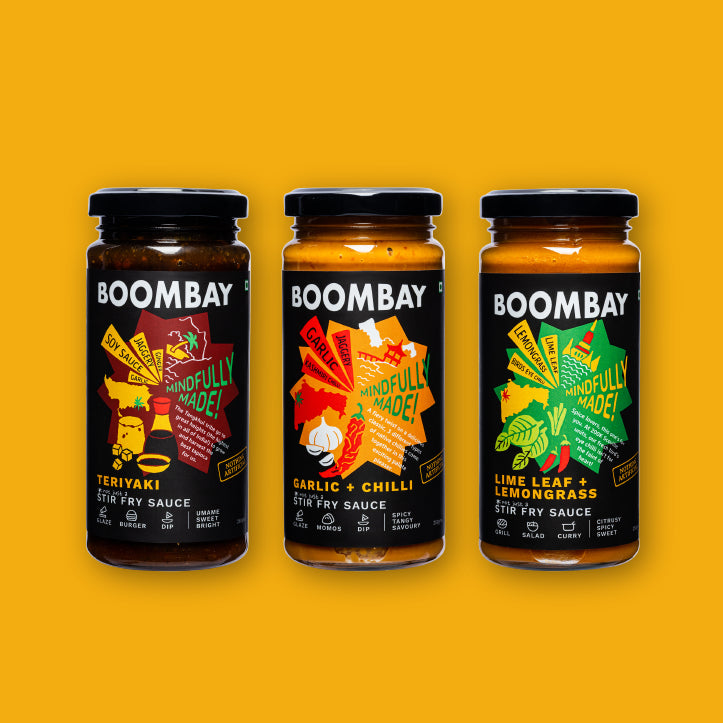
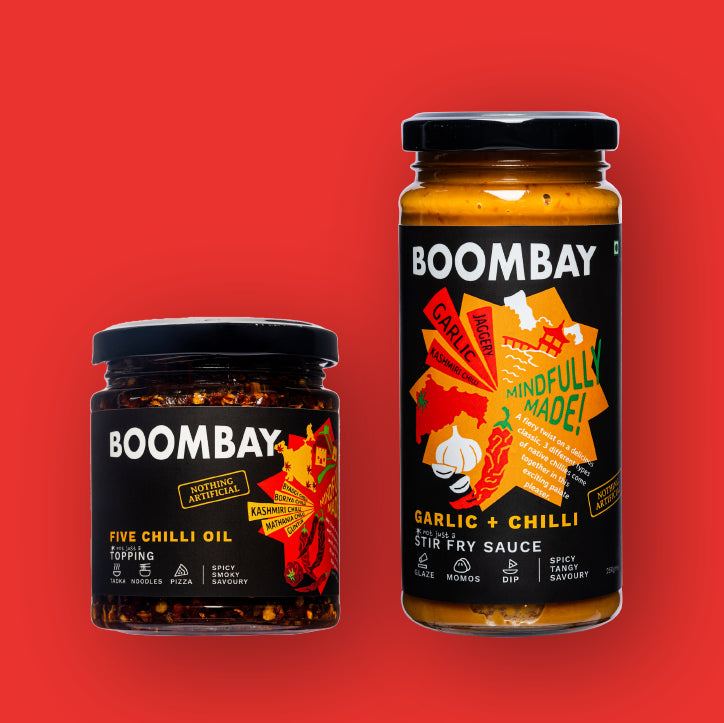
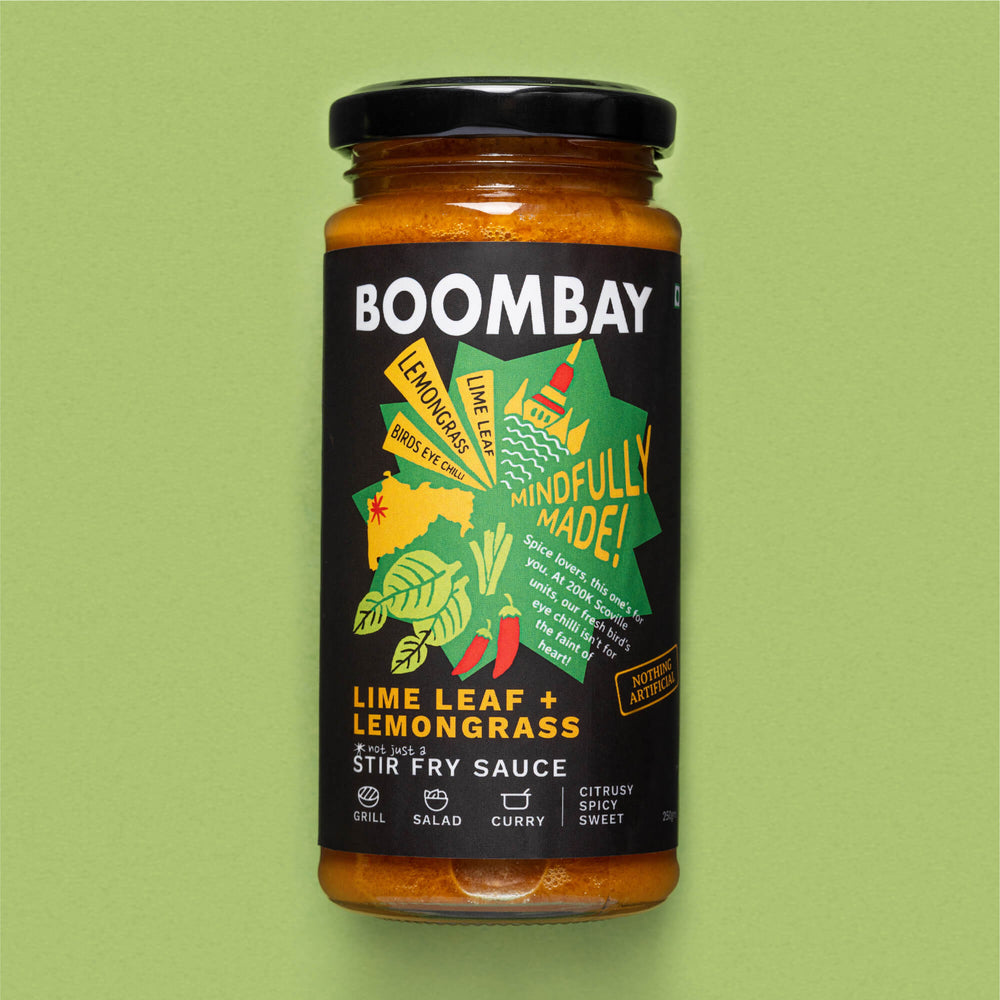
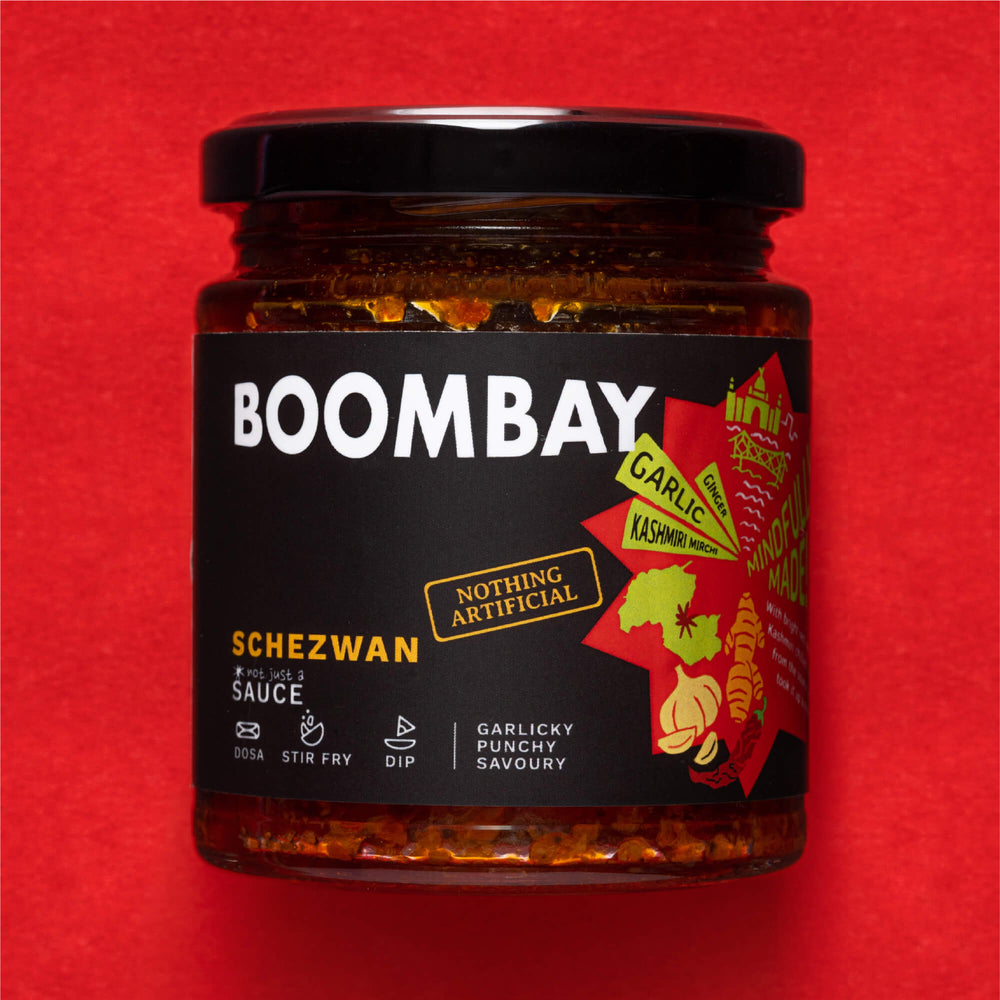
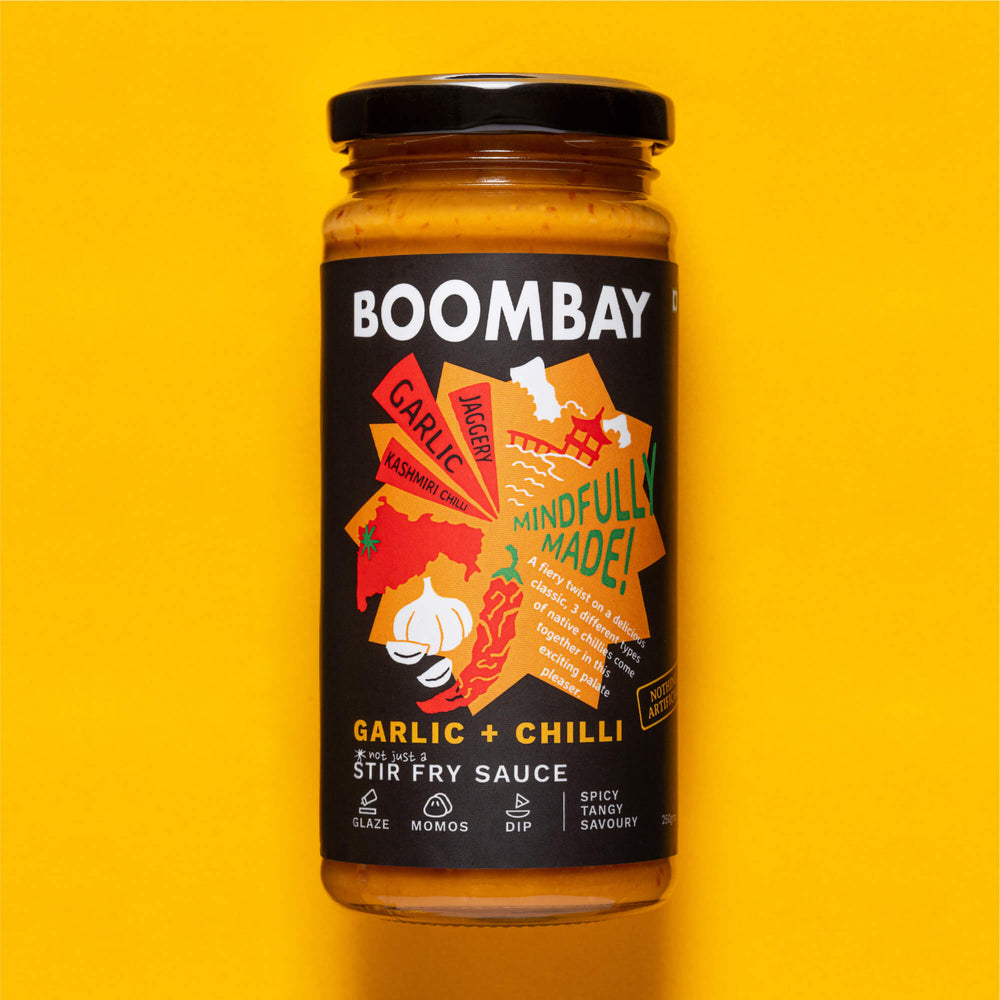
Stir-fries are where induction genuinely excels. The high, instant heat is perfect for tossing noodles or vegetables in stir-fry sauces without the lag time gas burners sometimes create. A flat-bottomed wok, a splash of oil, and a generous spoonful of Garlic + Chilli sauce on high heat creates the kind of smoky, seared result that usually requires a restaurant-grade flame.
Wattage, Electricity, and What to Look For
For Indian cooking, a cooktop between 1800W and 2200W handles everything from simmering dal to deep frying pakoras. Lower wattage models (1200W to 1600W) work for light tasks like boiling water or reheating, but they struggle with high-heat cooking.
Monthly electricity costs typically land between ₹400 and ₹600 depending on usage, often comparable to a single LPG cylinder refill. Around 90% of electricity converts to cooking heat on induction versus roughly 40% for gas, making the running cost genuinely competitive.
Safety and convenience features worth prioritising when buying:
- Auto shut-off when cookware is removed or overheating is detected
- Pan detection so the cooktop only heats when compatible cookware is placed on it
- Child lock for homes with young children
- Overheat protection to prevent damage during extended cooking
- Built-in voltage protection for areas with frequent power fluctuations
- Preset Indian cooking modes (dal, dosa, roti, pressure cooker) for beginners
Making the Most of Your New Cooktop
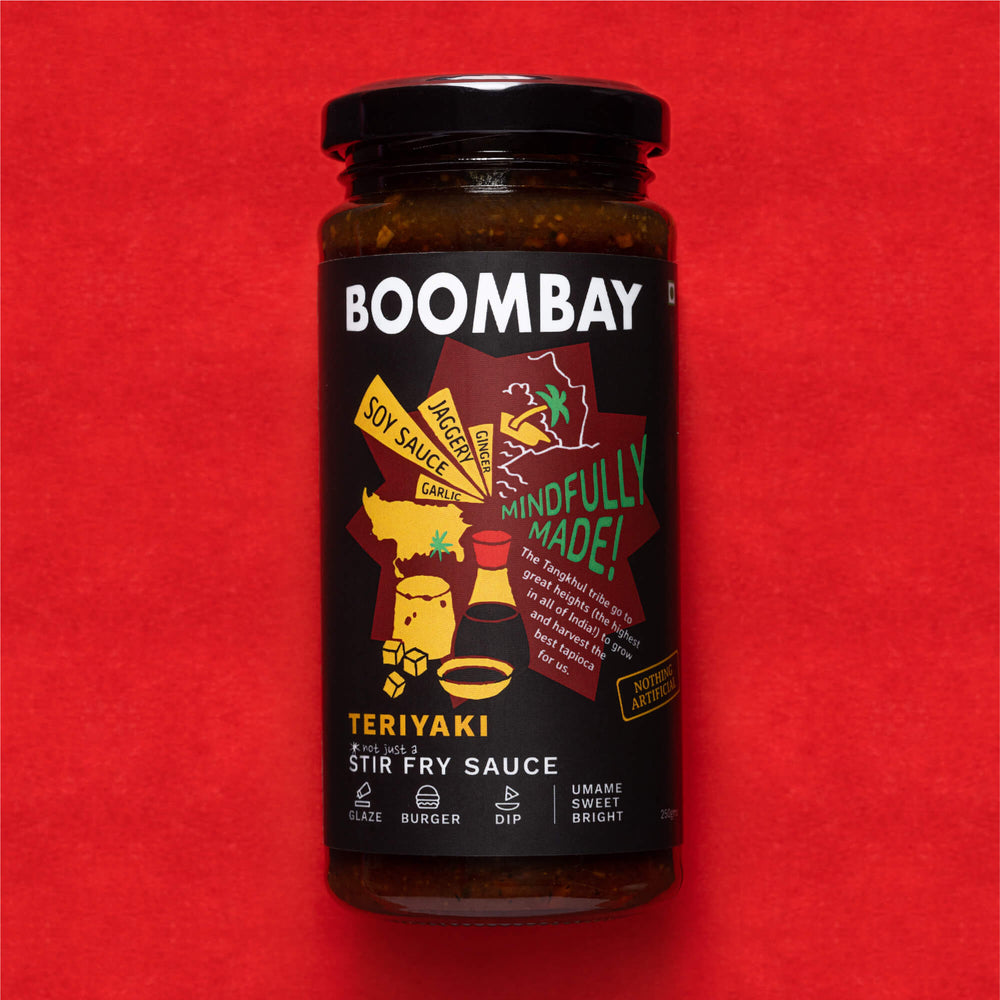
Start with dishes you already cook well. Dal, rice, curries, and stir-fries translate to induction without drama. The precision of temperature control actually makes saucy dishes easier. Simmering Miso + Ginger into a broth or reducing a Teriyaki sauce glaze becomes more predictable when you can dial the heat to the exact level you need.
Keep the surface clean as you go. Sugary spills can bond to the glass if left too long. A quick wipe between dishes keeps the cooktop in perfect condition for years.
Do not switch off the power immediately after cooking. The internal fan needs a minute or two to cool the electronics. Pulling the plug too early shortens the lifespan of the appliance.
Stock the kitchen with sauces and condiments that take advantage of induction's strengths. Quick stir-fries, flash-seared vegetables, and one-pan noodle tosses all come together faster on induction than on gas, especially when a good sauce does the heavy lifting on flavour. Shop the collection and put that new cooktop to work.
Frequently Asked Questions
Q. Can I make rotis on an induction cooktop?
Yes. Use a heavy, flat-bottomed cast-iron tawa. Preheat it properly and the rotis puff up just as well as they do on gas.
Q. Does induction cooking change the taste of food?
Not at all. Heat is heat. The food tastes the same whether cooked on gas, induction, or a wood fire. The only difference is speed and control.
Q. How do I check if my existing cookware is induction-compatible?
Hold a magnet to the bottom of the vessel. If it sticks firmly, the cookware works on induction. Most stainless steel pressure cookers and cast-iron pans pass this test.
Q. Is induction cooking safe during power fluctuations?
Most modern induction cooktops have built-in voltage regulators and auto shut-off features. For areas with severe fluctuations, using a stabiliser adds extra protection.
Q. Can I use an induction cooktop as my only cooking appliance?
Absolutely. Many urban households have switched entirely to induction. A single 2000W cooktop handles daily cooking for a family of four without issues.