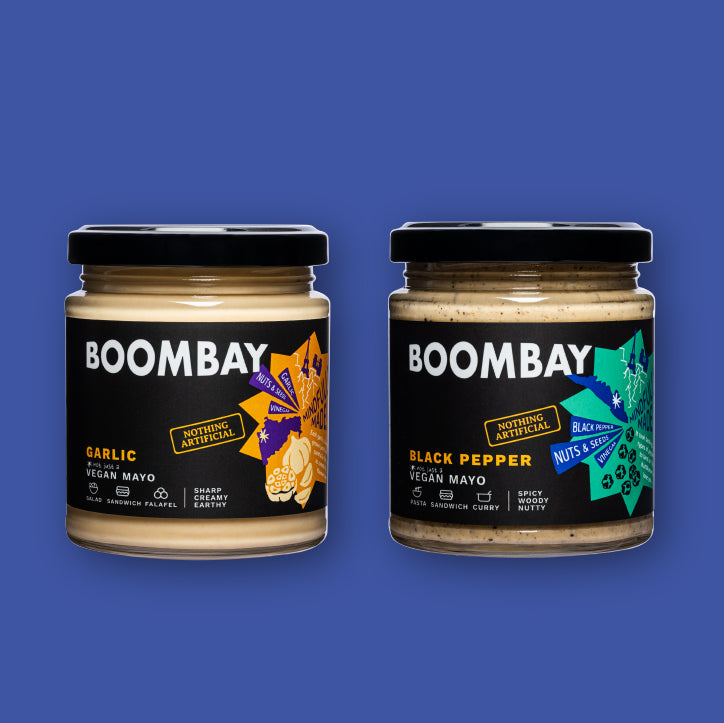
Here's the thing. Most of us trust the front of the bottle without really understanding what's hiding in that ingredient list on the back. The ingredient list isn't trying to confuse you, but it can definitely feel that way when all you want is to grab something tasty and get on with making dinner.
Learning to read sauce labels isn't about becoming a food scientist. It's simply about knowing what you're actually buying. When you know what to look for, spotting the difference between a sauce made with real ingredients and one packed with stuff you can't pronounce gets way easier.
Why Sauce Labels Feel Like Puzzles
Food labels follow rules. Ingredients must be listed from highest to lowest quantity. Simple enough, right?
The tricky part happens when companies list the same ingredient multiple times under different names. Instead of putting "sugar" as the second ingredient (which would make you think twice), they split it up. You might see malt syrup, invert sugar, and glucose listed separately. Suddenly sugar appears further down the list, and the sauce seems cleaner than it actually is.
We're not saying companies are evil. We're just saying they're smart about marketing. Your job? Get smarter about reading between the lines.
Sugar's Many Disguises
Sugar shows up under more names than you'd think. When scanning a sauce label, watch for these sneaky aliases:
Obvious sugar names: Cane sugar, brown sugar, high fructose corn syrup, cane juice
Sugar hiding behind science: Anything ending in "ose" (sucrose, maltose, dextrose, fructose, glucose)
Sugar pretending to be something else: Fruit juice concentrate, malt syrup, corn syrup solids, maltodextrin, caramel
When you spot multiple sweeteners clustered together in an ingredient list, that's your cue to put the bottle back.
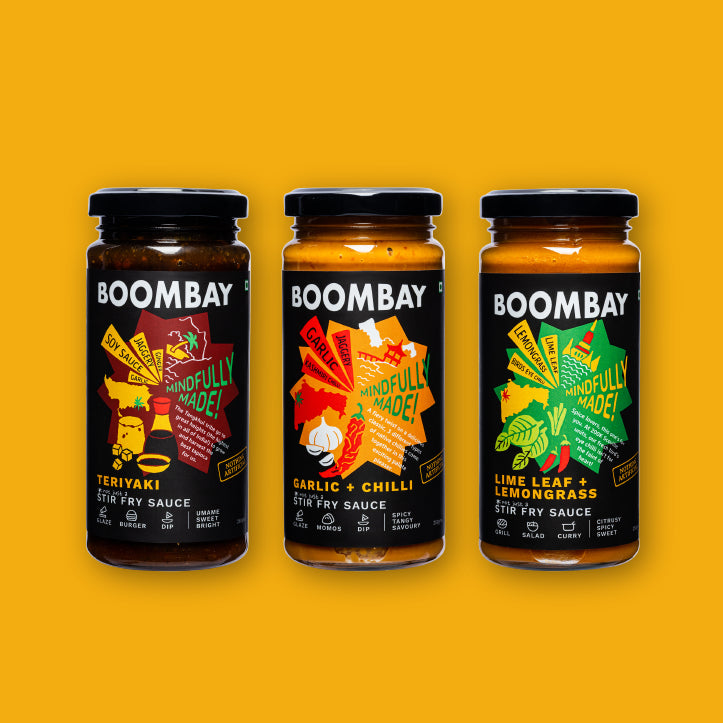
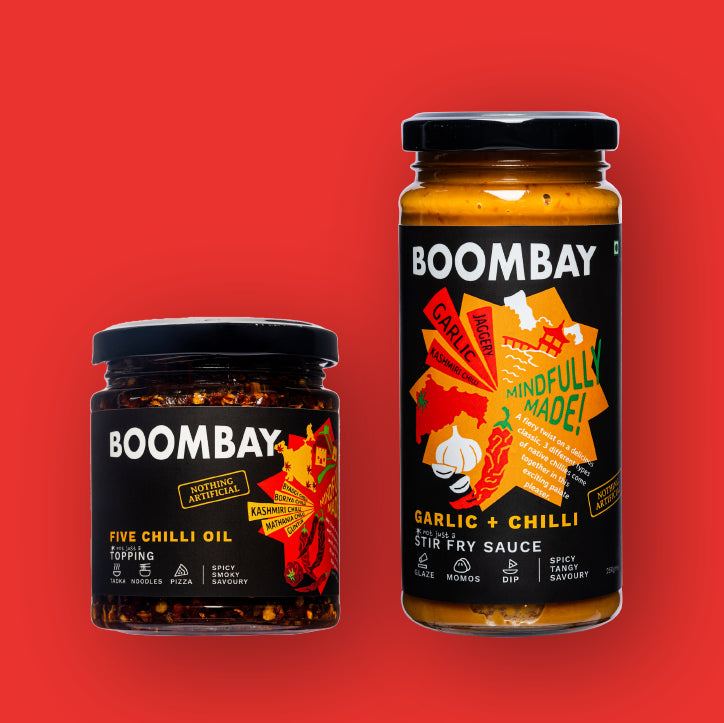
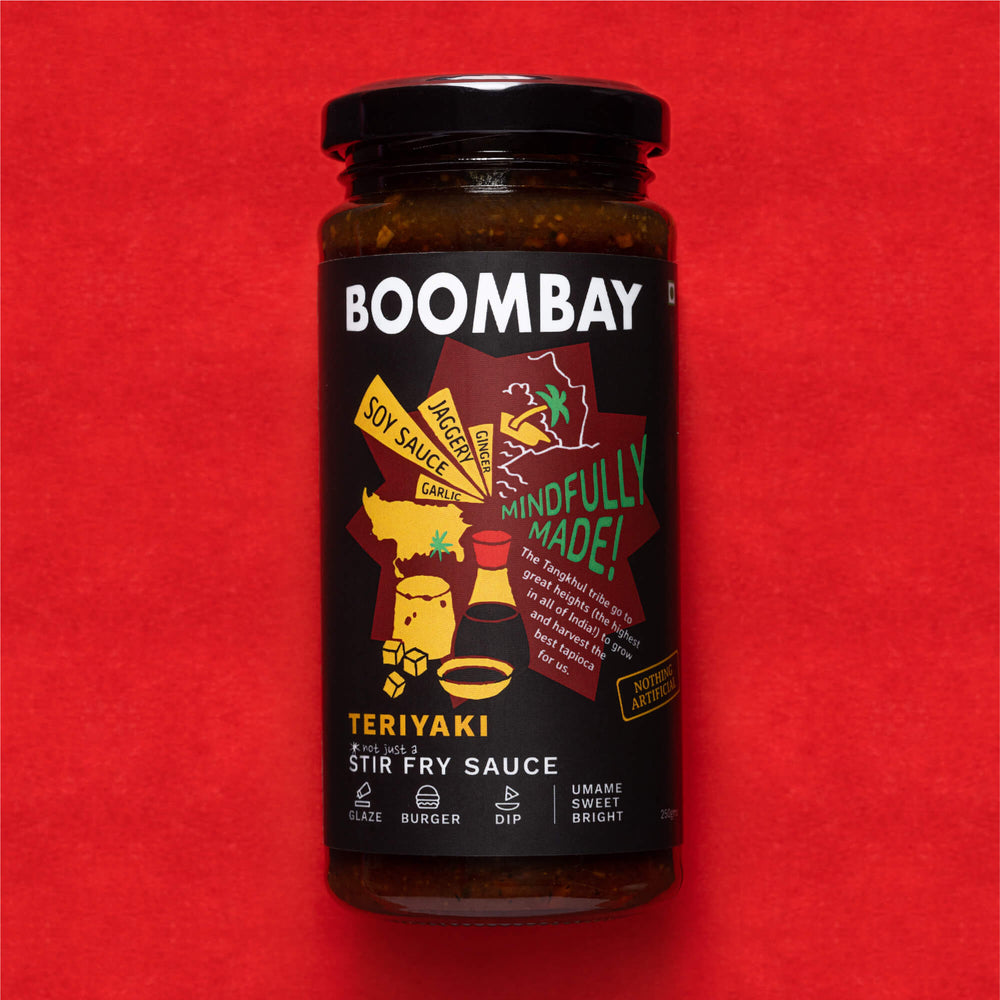
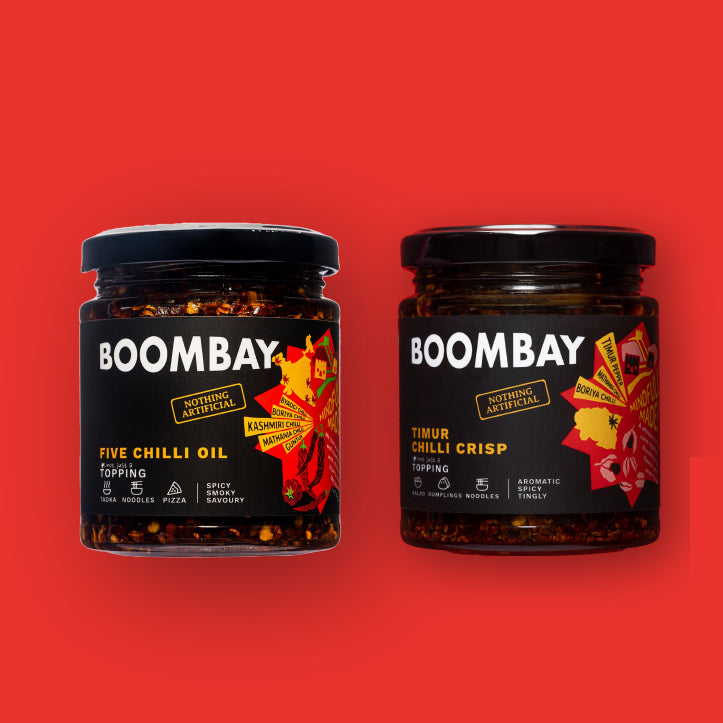
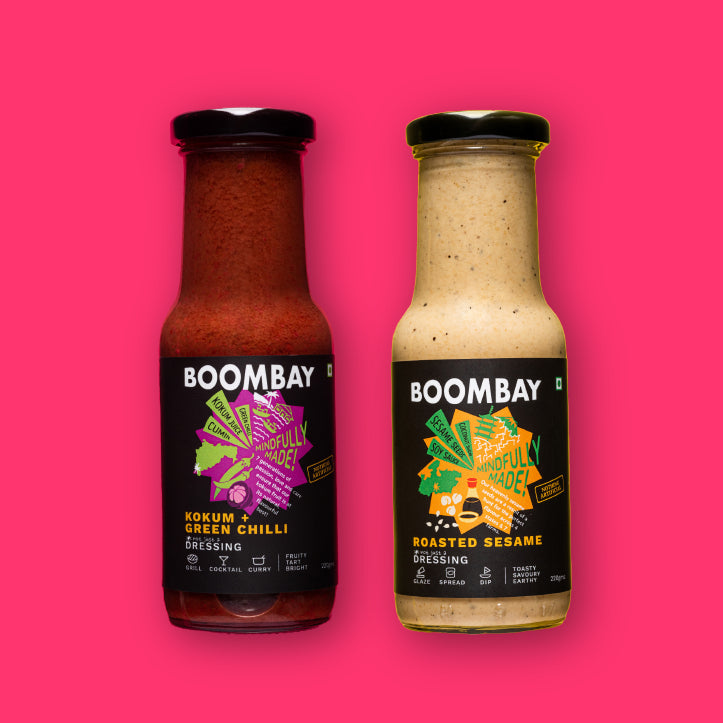
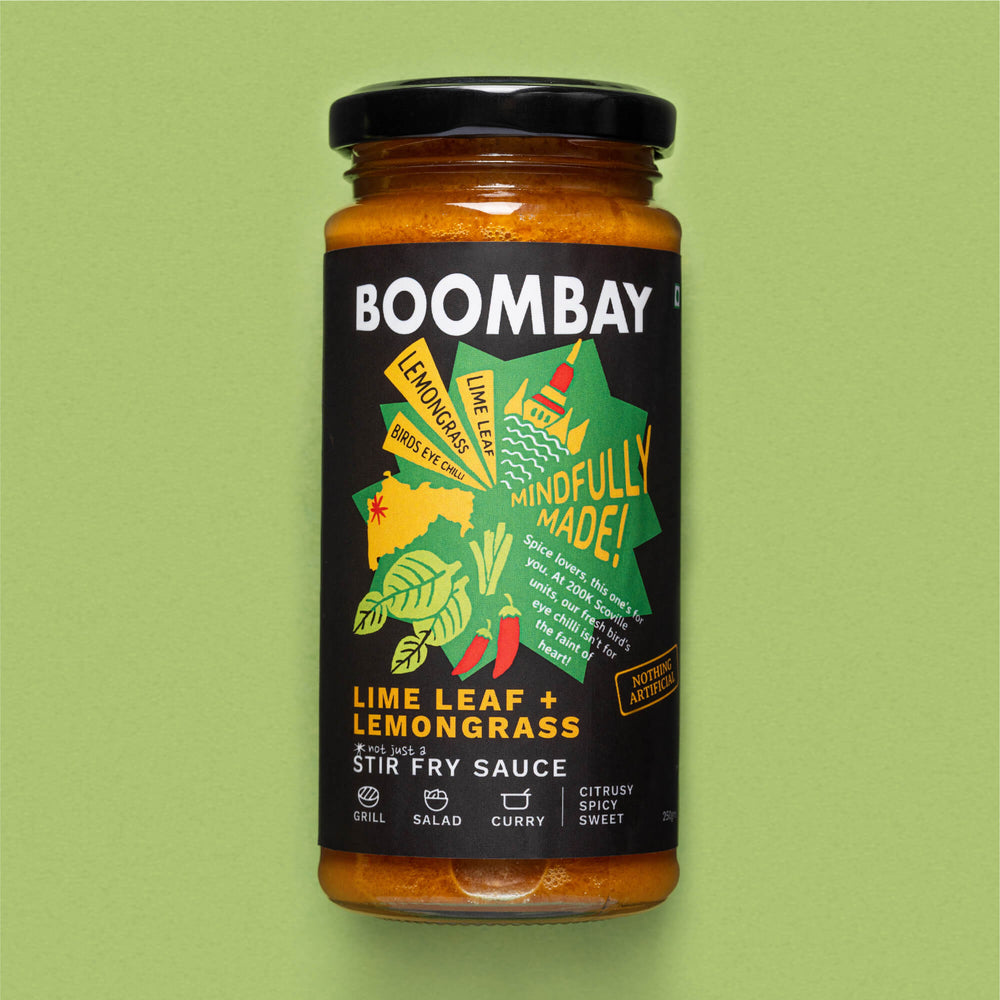
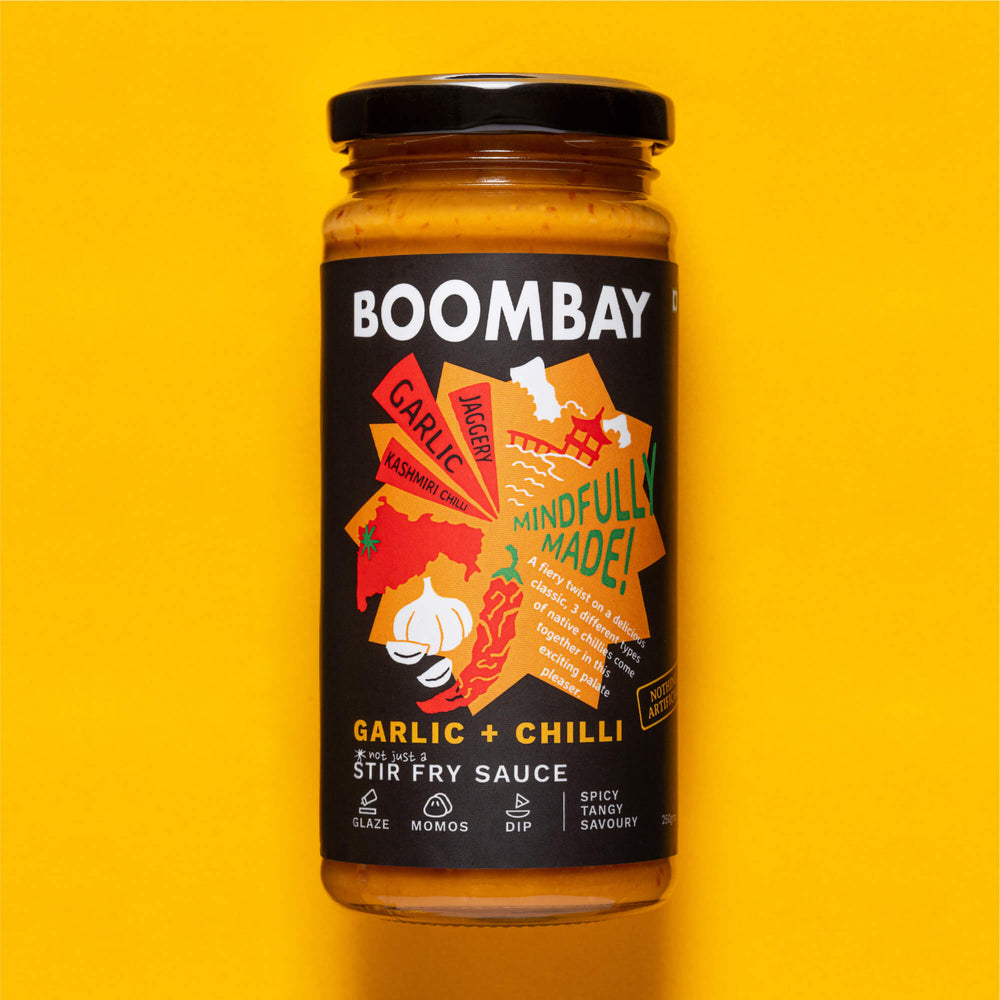
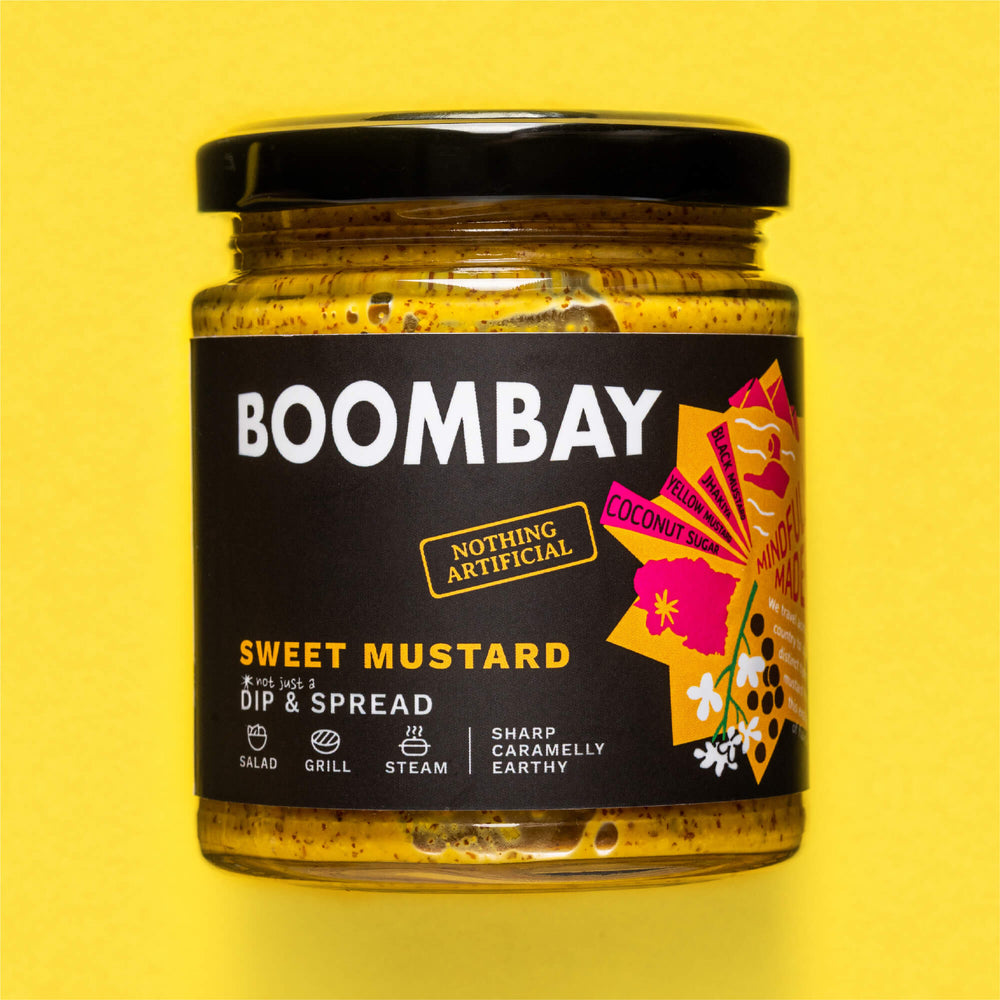
A good stir fry sauce shouldn't need five different types of sugar to taste delicious. Flavor should come from real ingredients, not a lineup of hidden sweeteners. At Boombay, we sweeten our sauces with jaggery or coconut sugar when needed, never refined sugars masquerading under mysterious names.
Sodium's Secret Hiding Spots
Sodium sneaks into sauces in ways you might not expect. Salt is obvious, but what about sodium benzoate, monosodium glutamate, sodium citrate, or sodium phosphate? All of these add sodium to your meal.
Check the Nutrition Facts panel. Look for sauces with less than 400 mg of sodium per 100 grams. Better yet? Under 120 mg per 100 grams. When sodium appears in the first few ingredients, you're looking at a high-sodium product.
Decoding the Additive Alphabet
Additives serve purposes like extending shelf life, improving texture, or boosting color. Not all additives spell trouble, but some deserve a closer look if you use the sauce regularly.
Common sauce additives you'll spot:
Carrageenan (thickener), sodium benzoate (preservative), xanthan gum (texture), artificial colors (anything with a color followed by a number like Red 40), titanium dioxide (whitener)
The concern isn't always a single additive. It's the cumulative effect of eating multiple additives across different products, meal after meal, day after day.
What "Natural" Really Means (Spoiler: Not Much!)
Seeing "natural" on a label feels reassuring. It shouldn't. The term has minimal regulatory meaning. A sauce can wear a "natural" label and still contain processed ingredients or hidden sugars.
Real clean-label sauces should have ingredients you recognize, a short list (typically under 10 items), no artificial anything, and minimal processing.
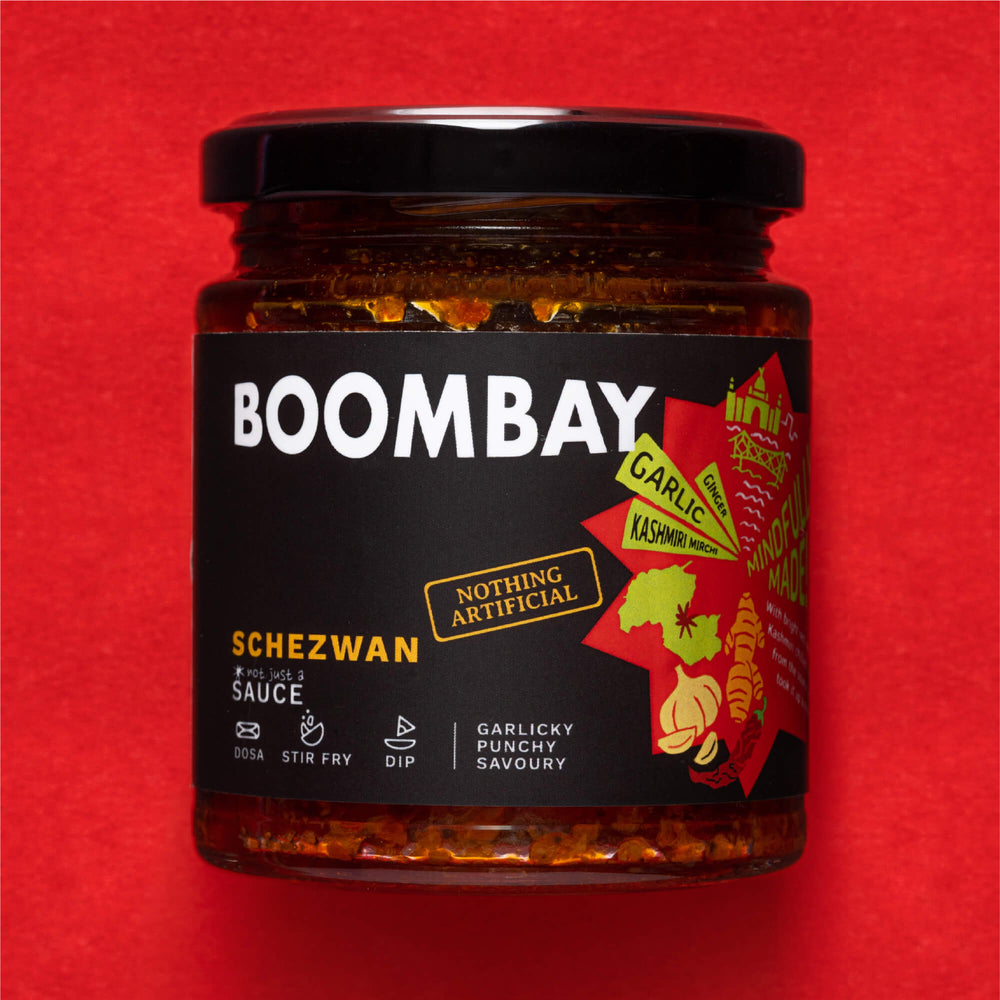
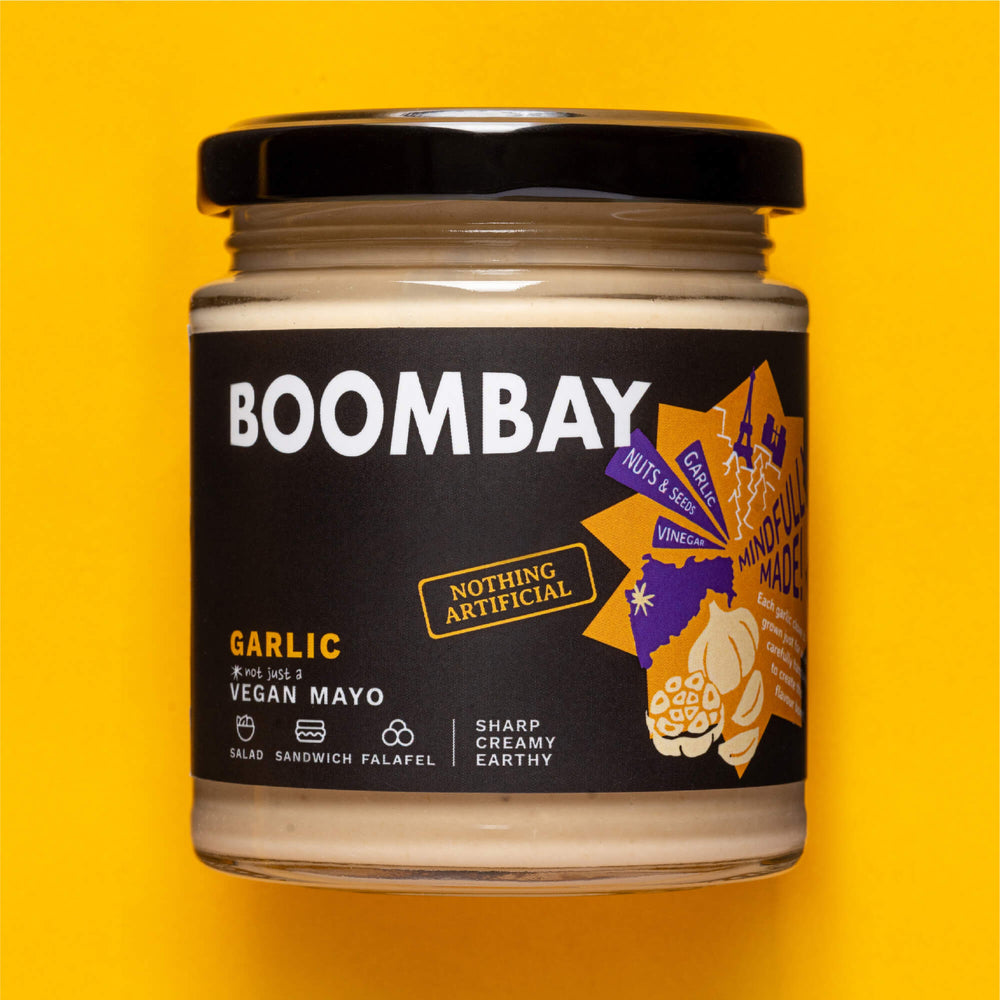
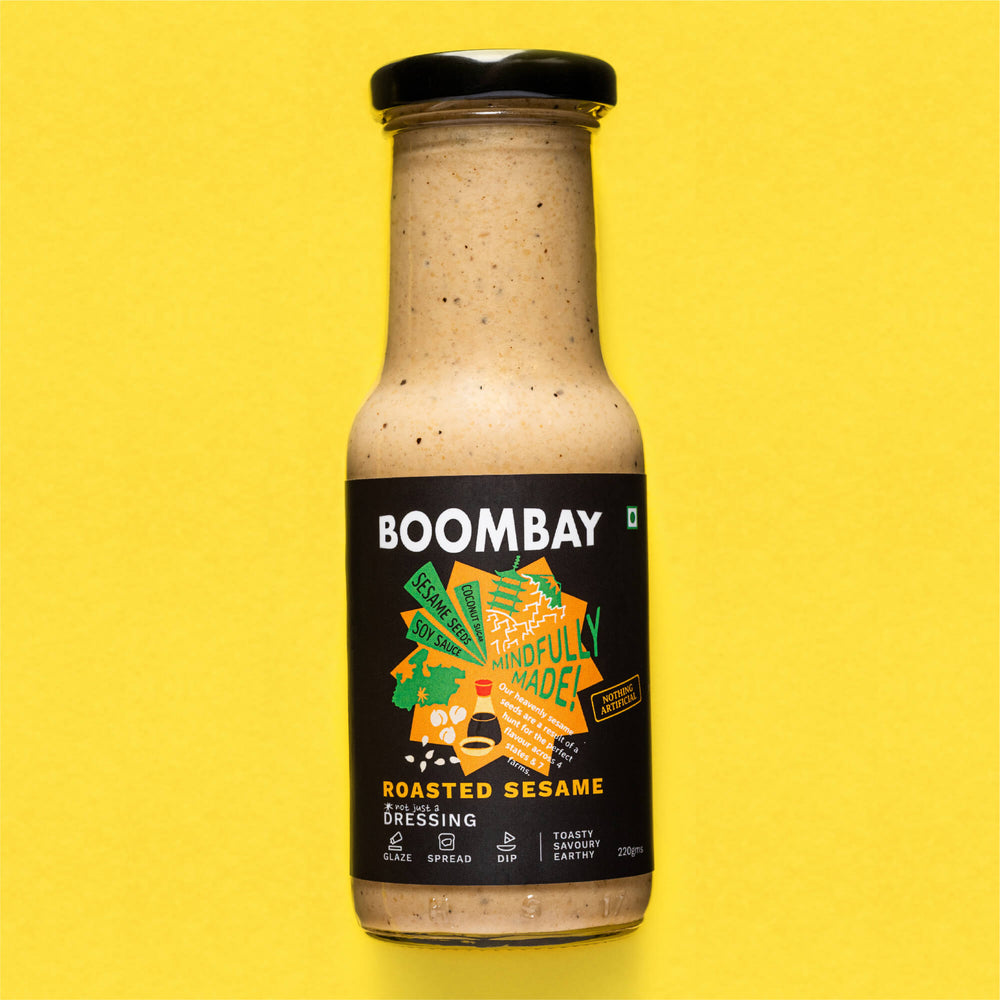
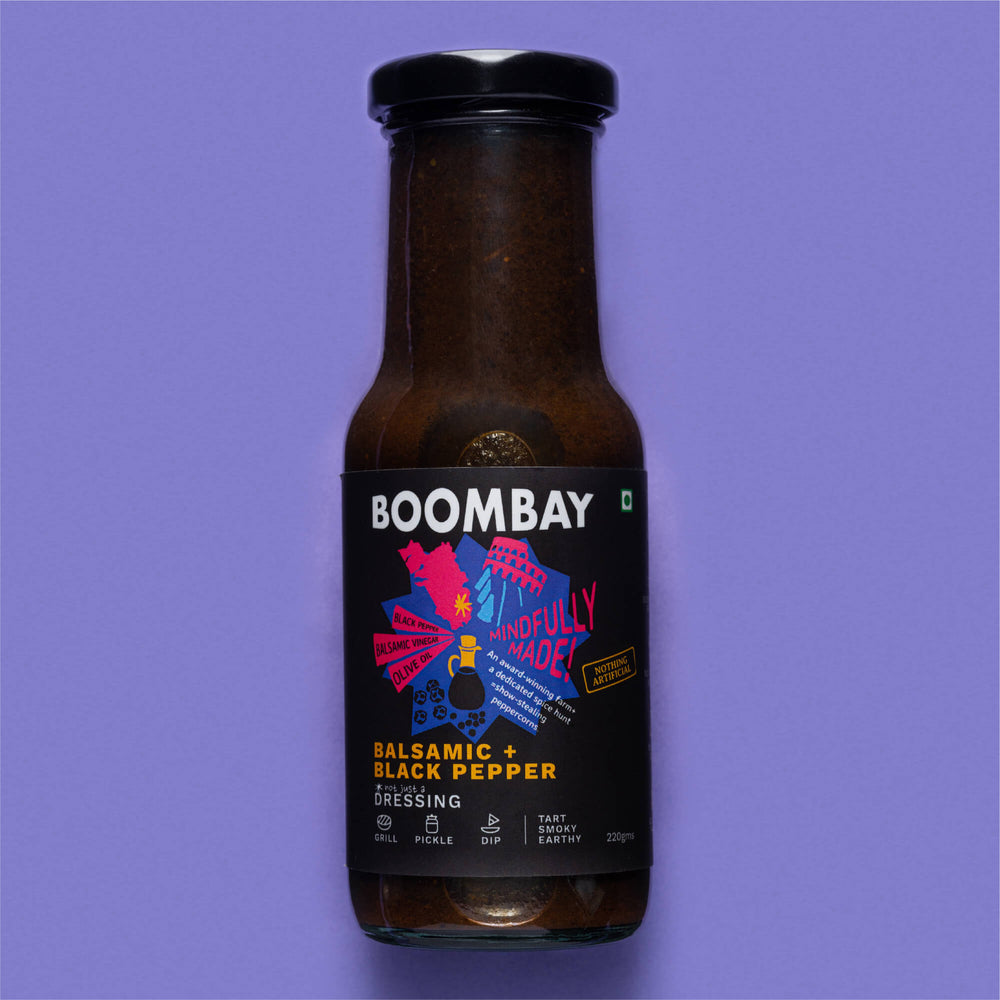
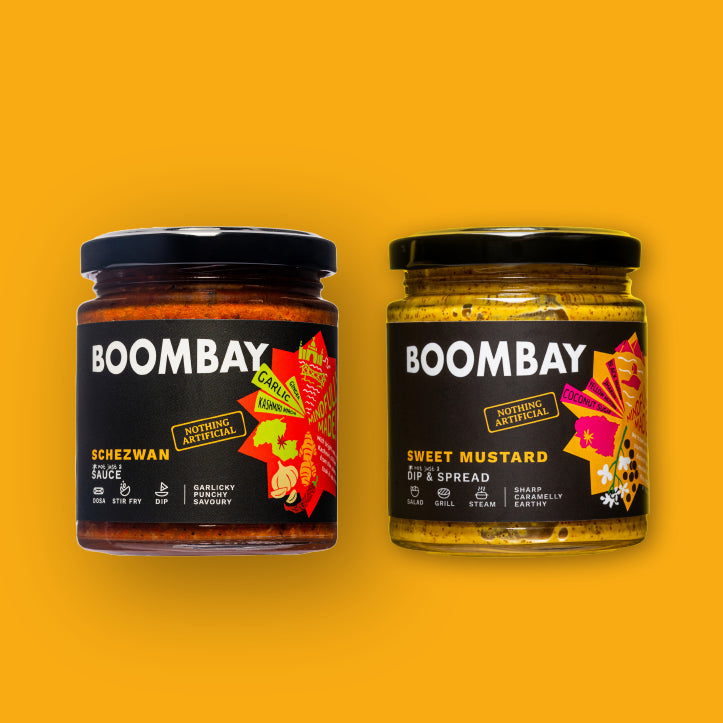
When you pick up a Boombay sauce, you'll see exactly what goes into every bottle. We list our ingredients clearly because we believe you deserve to know what you're eating. No hiding, no fancy names for ordinary things, no confusion.
Your Five-Step Label Strategy
1. Start with the ingredient list, not the front claims Marketing promises like "low fat" or "all natural" don't tell the full story.
2. Check the first three ingredients These make up most of the product. Multiple sugars or sodium sources here? Keep looking.
3. Count total ingredients A sauce with 20+ ingredients probably includes unnecessary fillers.
4. Scan for recognizable foods Tomatoes, garlic, herbs, spices, cold-pressed sesame oil, extra virgin olive oil. These should make sense.
5. Watch for ingredient splitting Multiple types of sweeteners or sodium sources mean someone's trying to hide the true amounts.
The Boombay Difference
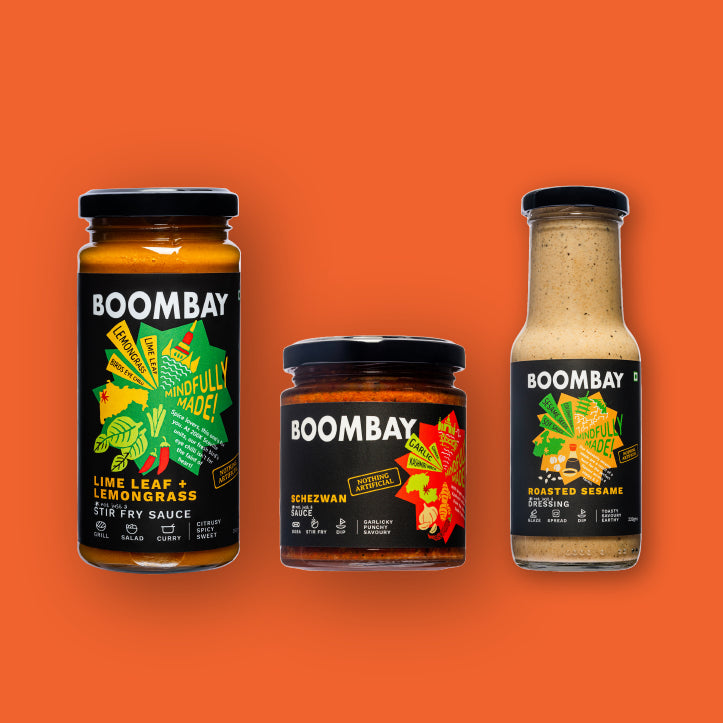
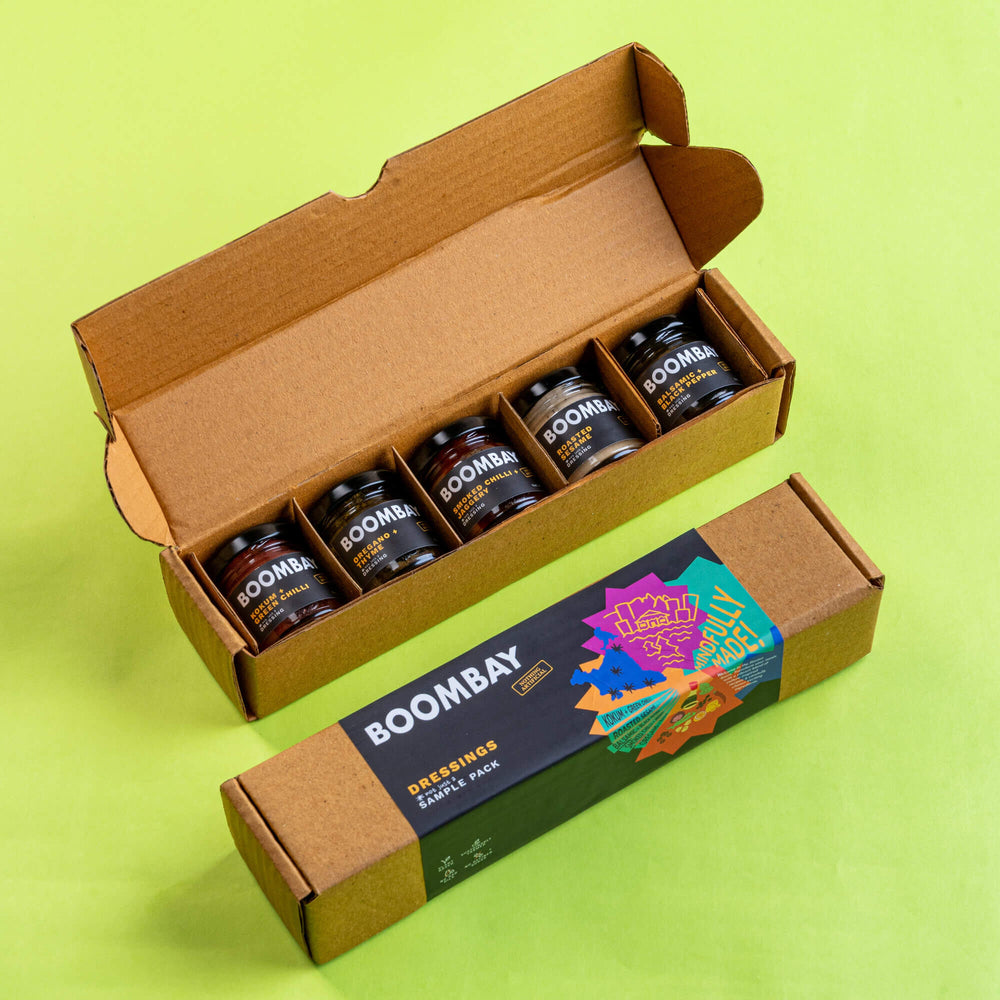
We make our toppings, sauces, and dressings the way you'd make them at home if you had the time, the ingredients, and the recipe. We use cold-pressed oils, never refined ones. We sweeten with jaggery or coconut sugar when needed, not with a chemistry set of refined sugars. Every ingredient serves a purpose, and you'll recognize every single one.
Food should be honest. Labels should be clear. Flavor should come from real ingredients doing what they do best.
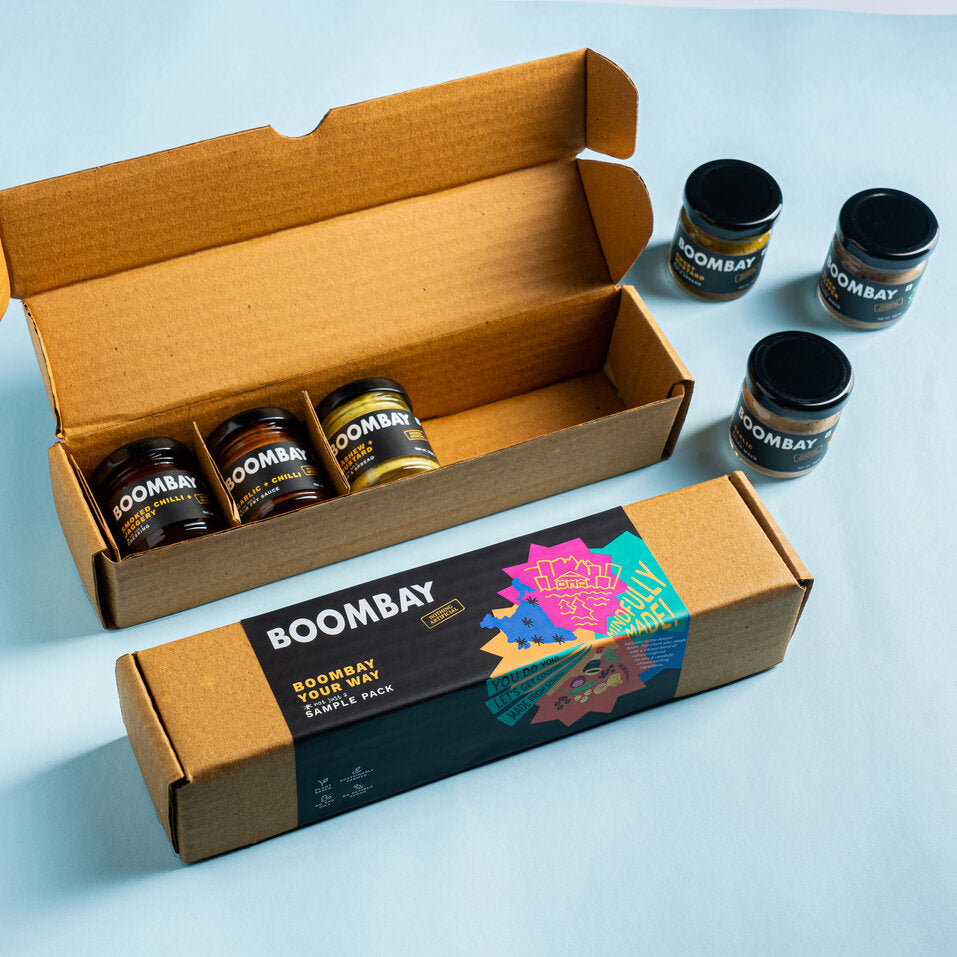
Say goodbye to boring meals because it's time to make tasty meals, the Boombay way. Shop the entire collection here.
Frequently Asked Questions
Q. How much sodium is too much in a sauce?
Look for sauces with less than 400 mg per 100 grams, ideally under 120 mg. Check the Nutrition Facts label. Anything over 20% Daily Value per serving is high sodium.
Q. Are all food additives bad?
No, but consuming multiple additives regularly across different products adds up. The safest bet is choosing sauces with minimal additives and ingredients you actually recognize.
Q. What's the easiest way to spot hidden sugar?
Look for multiple ingredients ending in "ose" or words like syrup, concentrate, malt, or juice. Three or more different sweeteners means more sugar than the label makes it seem.
Q. Why do some sauces have such long ingredient lists?
Sometimes it's just lots of real herbs and spices creating complex flavor. The key is whether you recognize the ingredients as actual food, not chemicals.
Q. Should I avoid all bottled sauces?
Not at all. Choose sauces that are mindfully made with recognizable ingredients. Focus on avoiding heavily processed options with multiple additives, hidden sugars, and excessive sodium.
Q. Can I trust front-of-package claims?
Not entirely. Claims like "natural" or "low fat" have loose regulations. Always flip the bottle and read the actual ingredient list and Nutrition Facts panel before deciding.