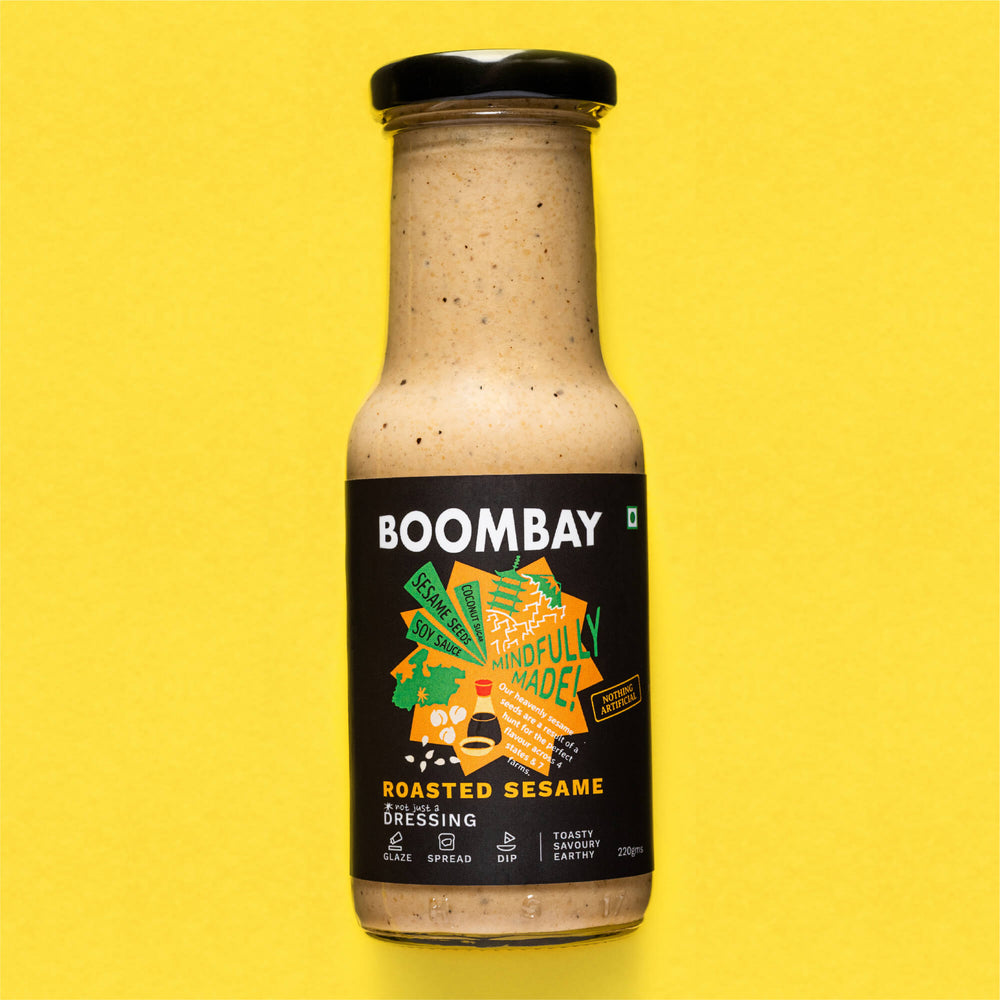
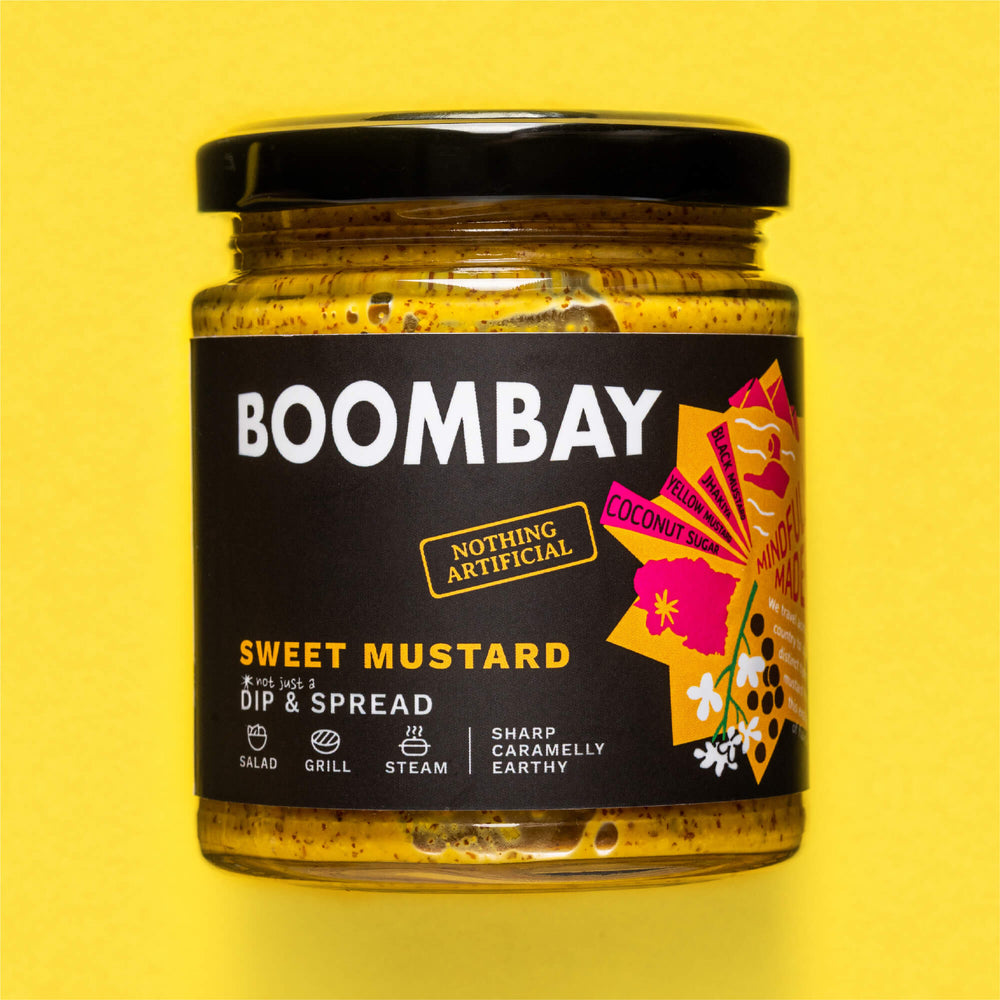
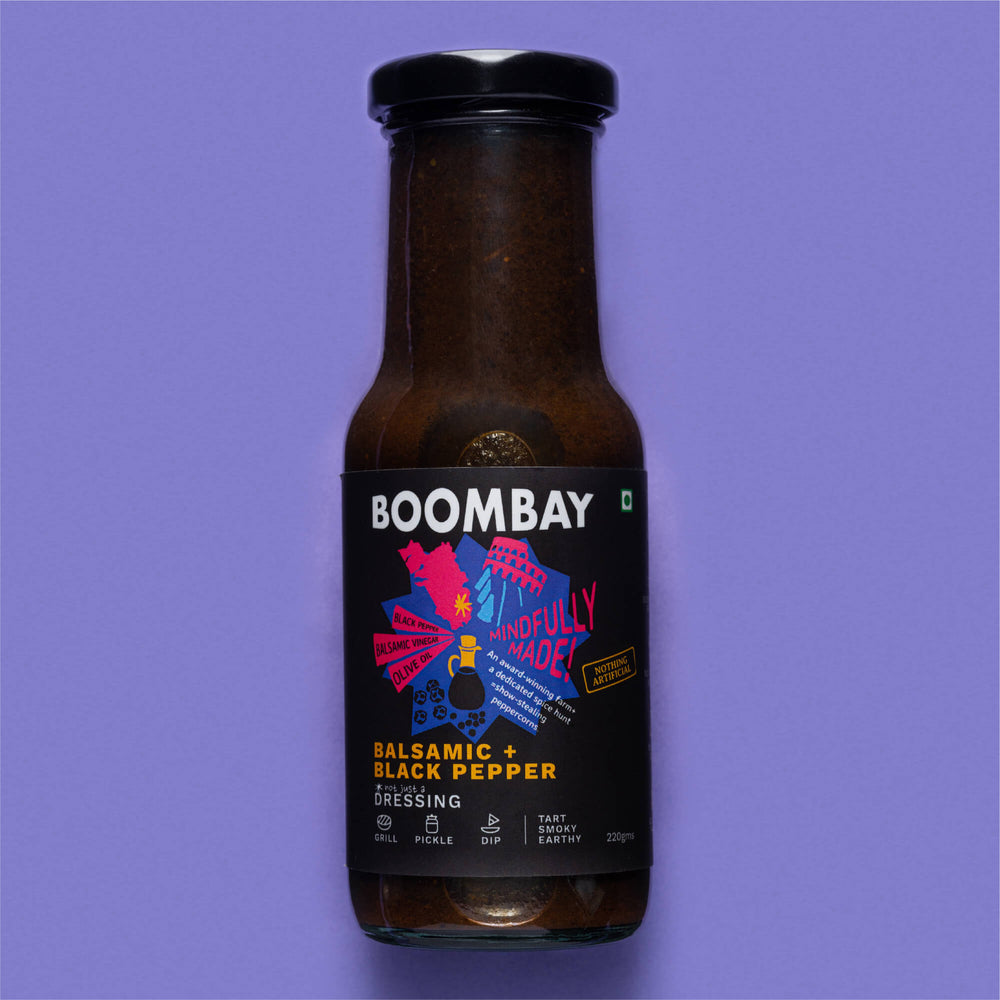
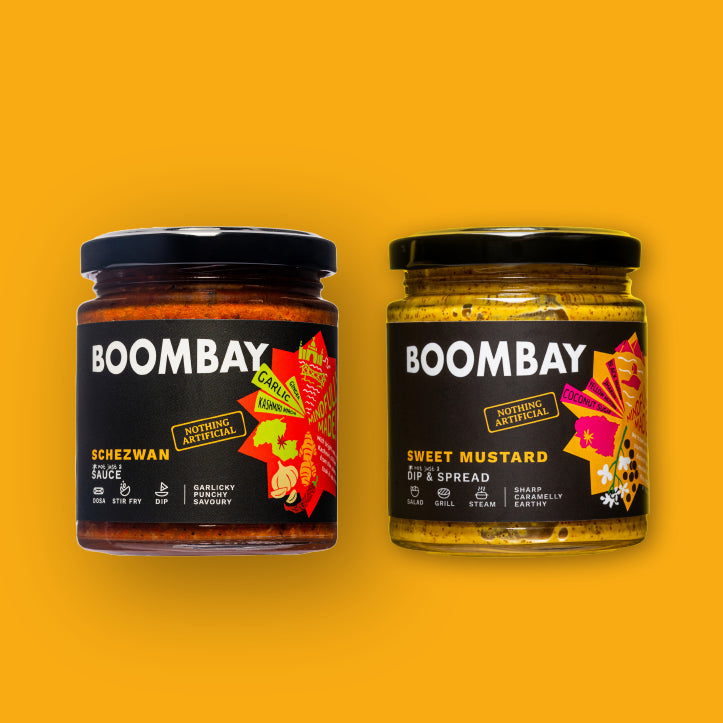
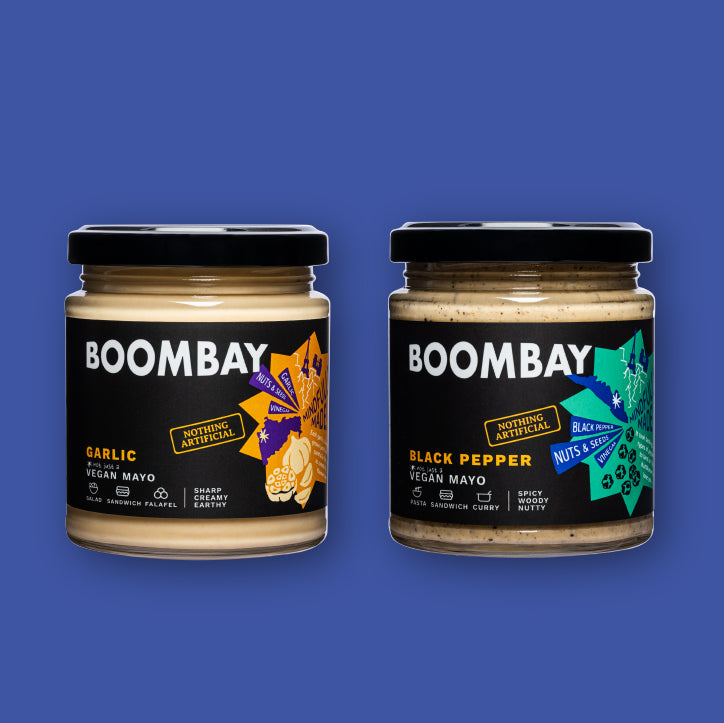
You're standing in the grocery aisle, holding two bottles of sauce. Both look good. Both promise great flavour. But one has ingredients you can actually pronounce, and the other reads like a science experiment.
Which one goes in your cart?
We've all been there, squinting at tiny text, wondering what "E211" means and whether we should care.
Here's the truth: choosing sauces without preservatives is actually pretty simple once someone shows you what to look for. Think of this as your friendly guide to making sense of those labels.
Step 1: Understand Why Preservatives Exist
Manufacturers add preservatives for one reason: to keep sauces sitting on shelves for months (sometimes years) without spoiling.
Common culprits include sodium benzoate, potassium sorbate, and sulfites. These chemicals stop mold and bacteria from growing. Sounds practical, except you're the one eating them later.
Some people get headaches from certain preservatives. Others notice their kids acting more hyper after eating foods loaded with additives. When there is even a reasonable concern about potential harm, the precautionary principle suggests we should err on the side of safety, especially when it comes to what we feed ourselves and our families. So do we really want mystery chemicals in our food when there are simpler, better options available?
The good news: plenty of sauces stay fresh without synthetic preservatives. They just use smarter methods.
Step 2: Learn to Spot the Red Flags
Flip any bottle over and look at the ingredient list. Items appear in order by weight, so ingredients at the top make up most of the sauce.
Skip bottles with:
- Sodium benzoate or potassium sorbate
- Anything starting with "E" followed by numbers (E211, E223, etc.)
- Sulfites or sodium nitrite
- Ingredients you can't pronounce
Look for bottles with:
- Real foods: vinegar, garlic, ginger, spices
- Cold-pressed oils (not just "oil")
- Coconut vinegar or naturally fermented vinegar
- Jaggery or coconut sugar (not refined sugar)
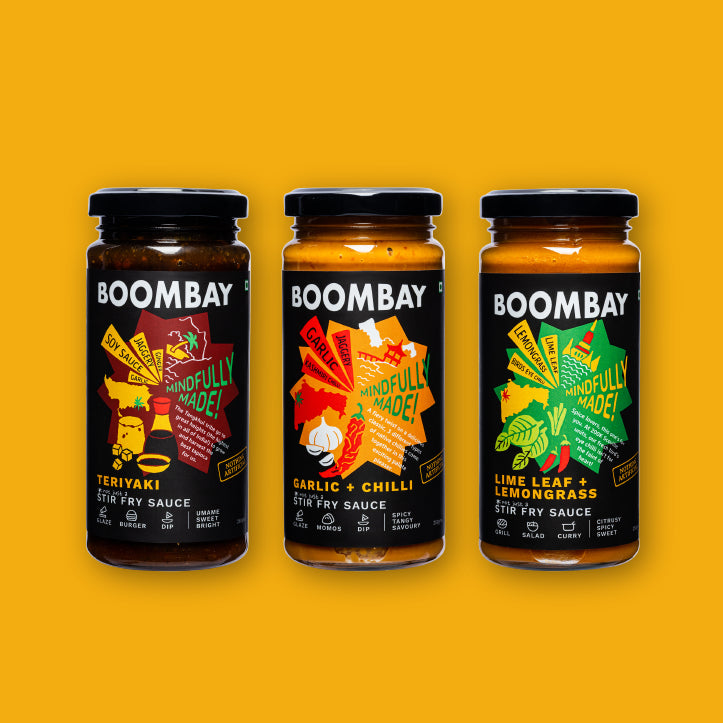
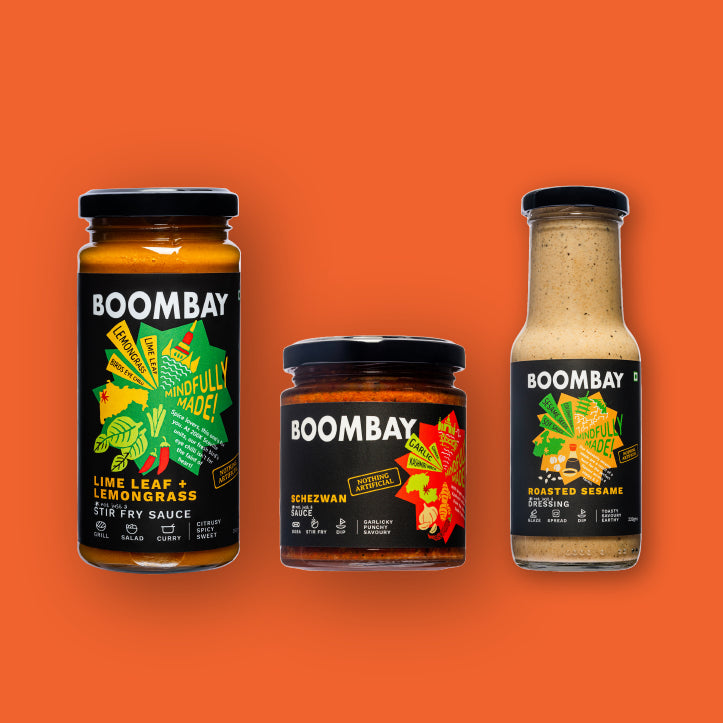
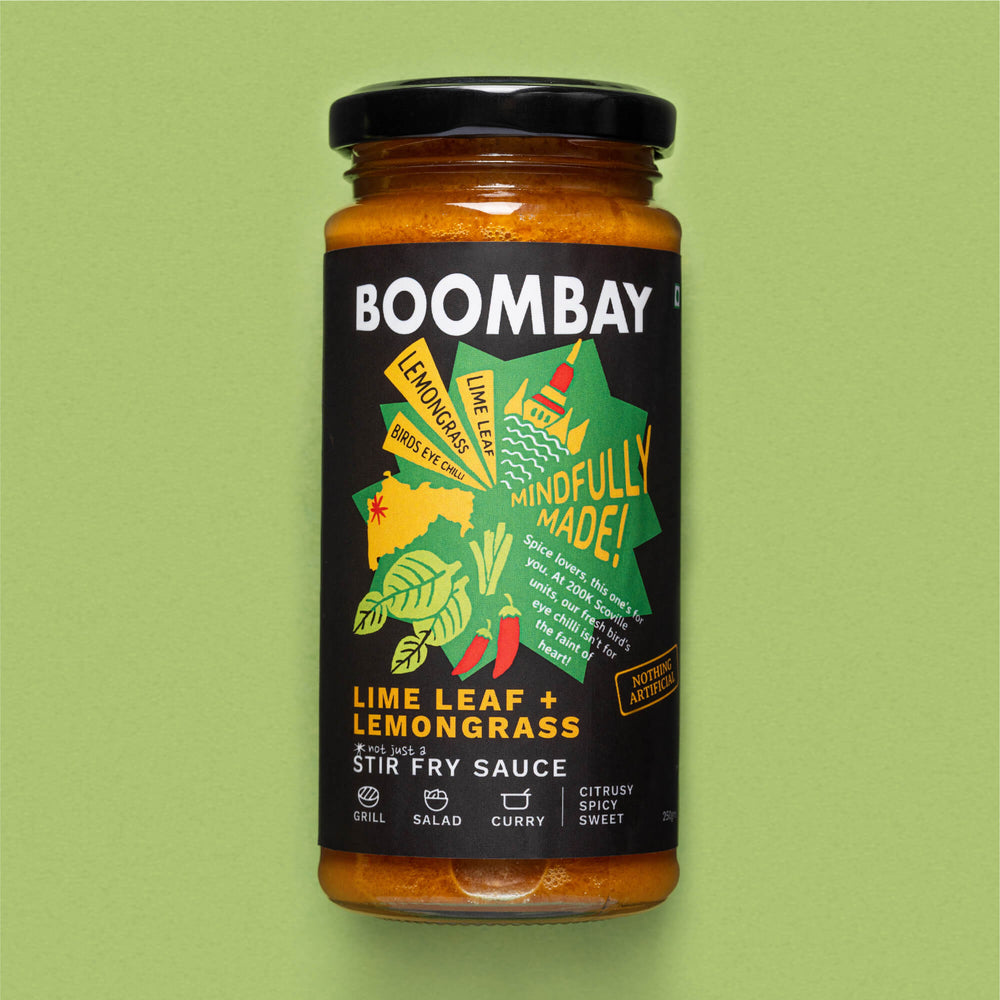
When you pick up Boombay's Lime Leaf + Lemongrass, you'll see exactly what we mean. Every ingredient is something you'd use in your own kitchen.
Step 3: Know How Good Sauces Stay Fresh Naturally
Traditional methods like drying, fermenting, salting, and smoking did the job long before lab-made additives.
Natural preservation methods that actually work:
Vinegar creates an acidic environment where bad bacteria can't survive. That's why pickles last so long.
Salt draws out moisture, making it tough for microbes to grow. Old-school and effective.
Refrigeration slows everything down. Many preservative-free sauces just need to stay cold after opening.
Smart packaging keeps oxygen out, preventing spoilage without chemicals.
These methods let real flavours shine through. No metallic aftertaste, no weird chemical notes. Just bold, vibrant taste that makes your food come alive.
Step 4: Shop Smart
Now that you know what to avoid and what to seek out, shopping becomes way easier.
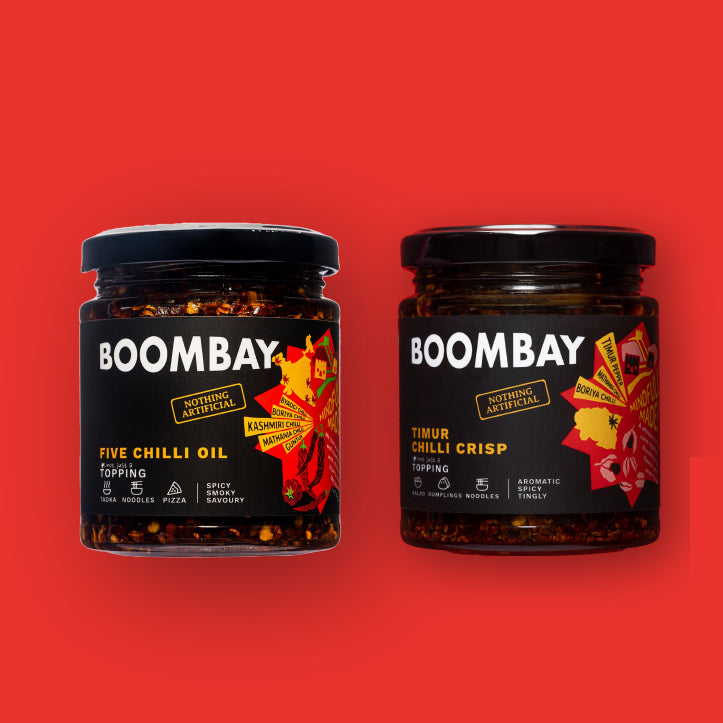
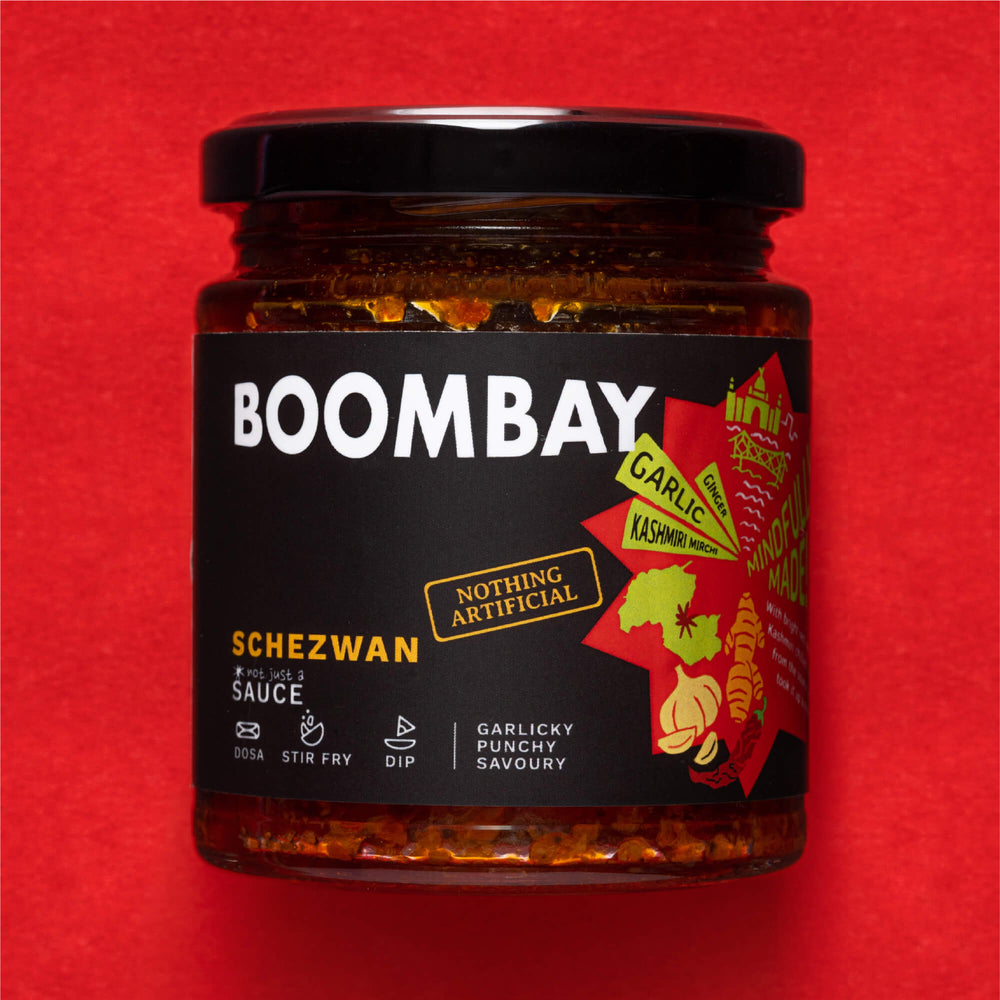
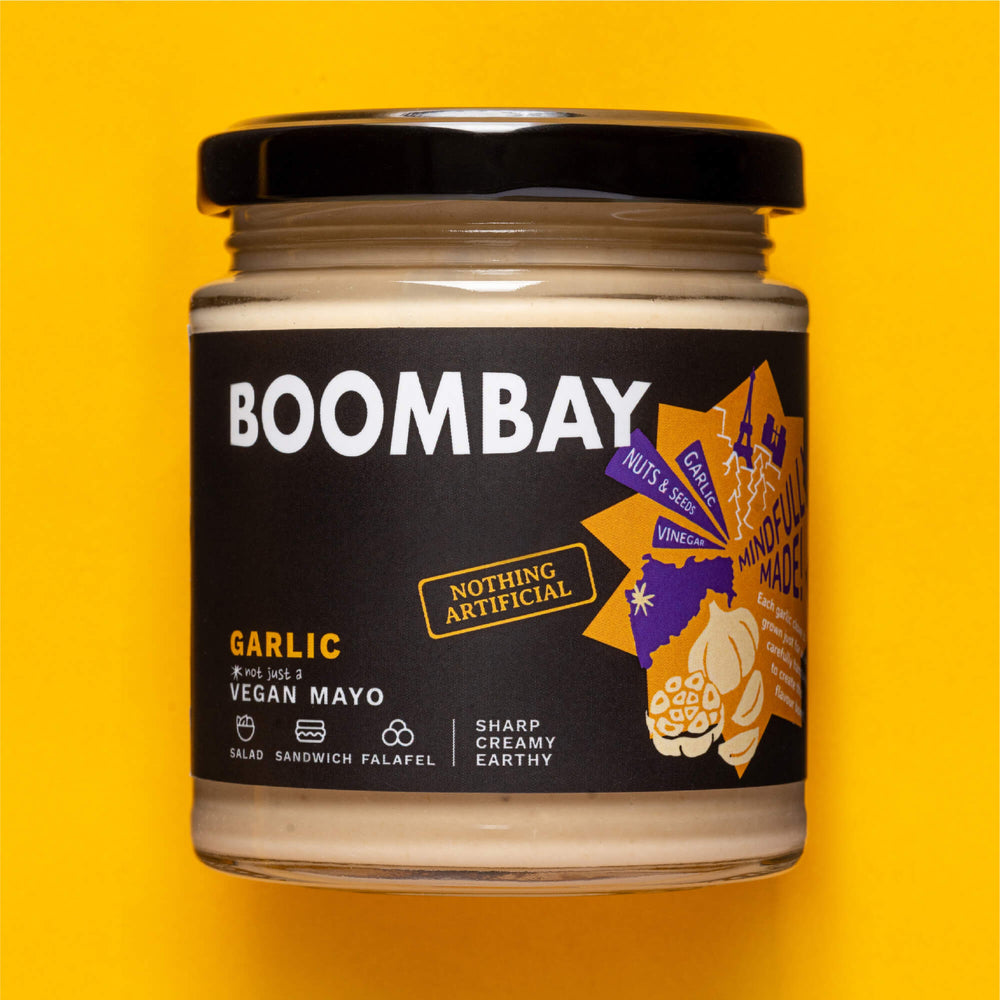
Start with brands built around clean ingredients. Companies like Boombay make preservative-free products their whole identity, so you don't have to play detective with every bottle.
Check refrigerated sections alongside regular aisles. Many preservative-free options need cold storage because they skip chemical stabilizers. That's a good sign, not a drawback.
Compare ingredient counts between similar products. A stir fry sauce with 6 ingredients versus one with 23 tells you everything.
Read past the fancy claims on the front. "All natural" and "premium quality" sound great until you flip the bottle and spot sodium benzoate listed third.
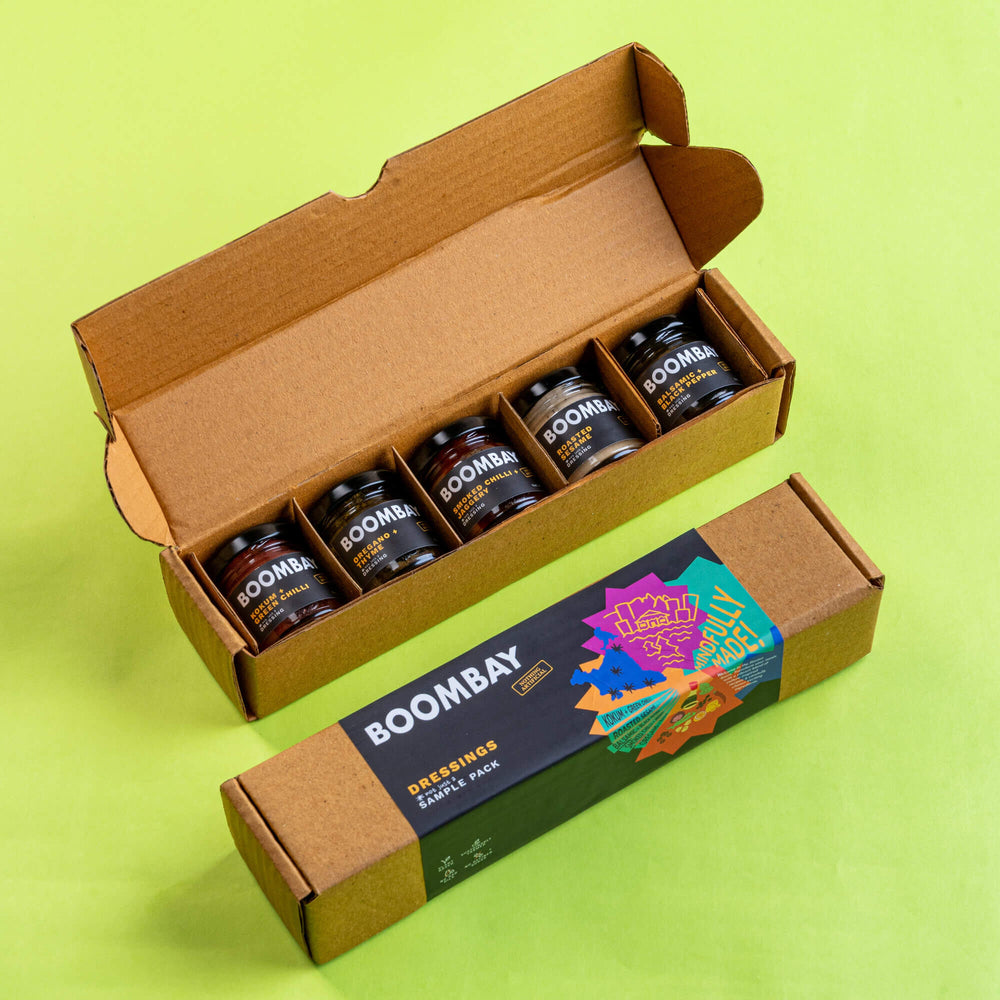
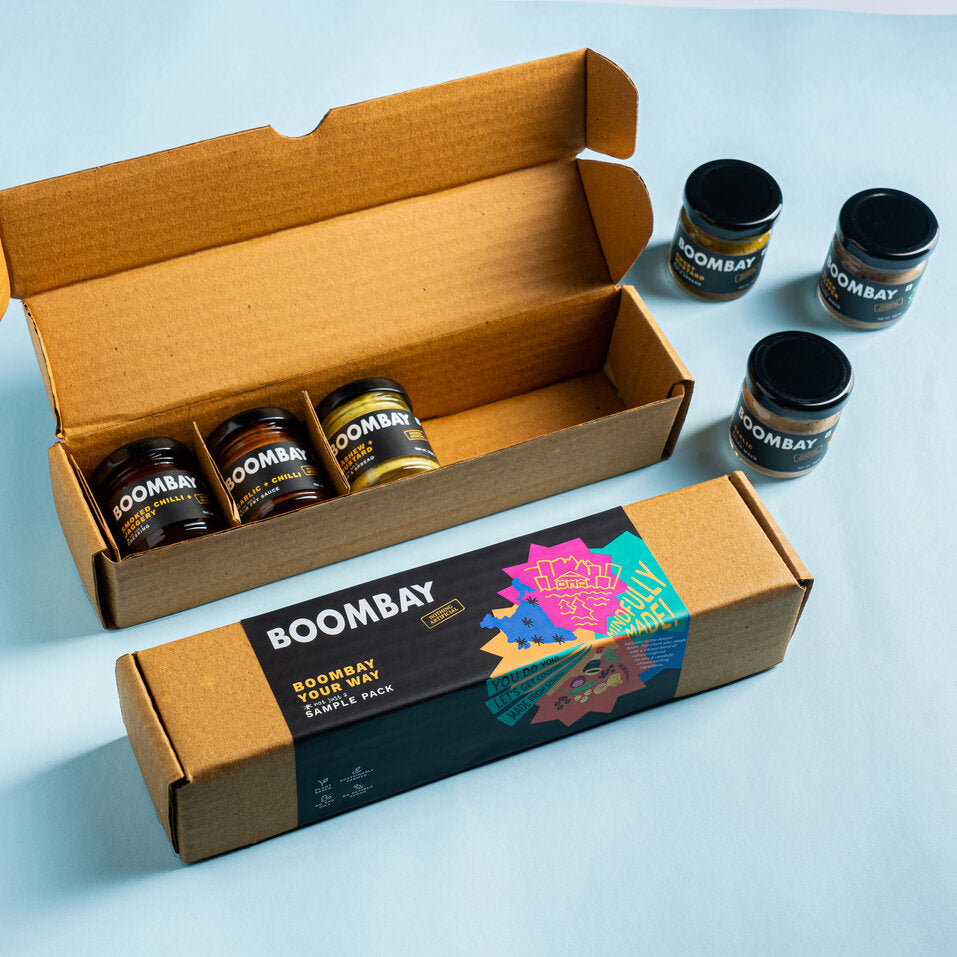
Buy smaller bottles like the sample packs from Boombay when trying preservative-free options for the first time. Some have shorter shelf lives after opening, so starting small prevents waste.
Step 5: Make the Switch
Worried about taste? Don't be. Sauces without chemical preservatives often taste better precisely because they skip the chemicals.
Preservatives can create bitter or metallic notes that mask real flavours. Remove them and you get the actual taste of ingredients. Bright herbs. Punchy spices. Fresh garlic and ginger doing what they do best.
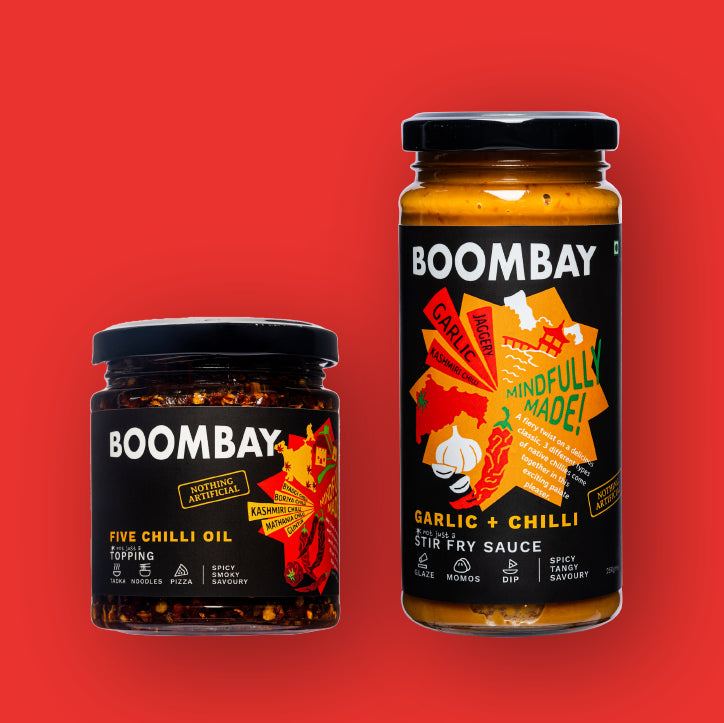
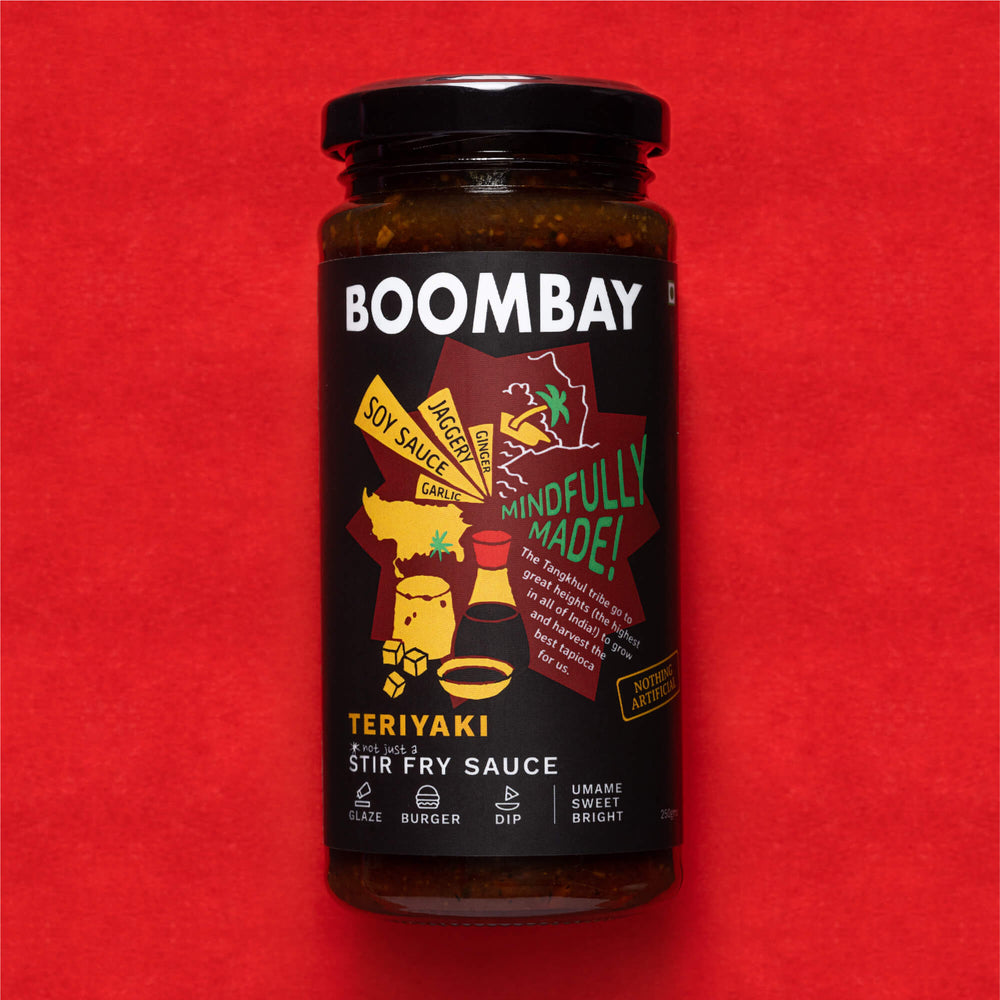
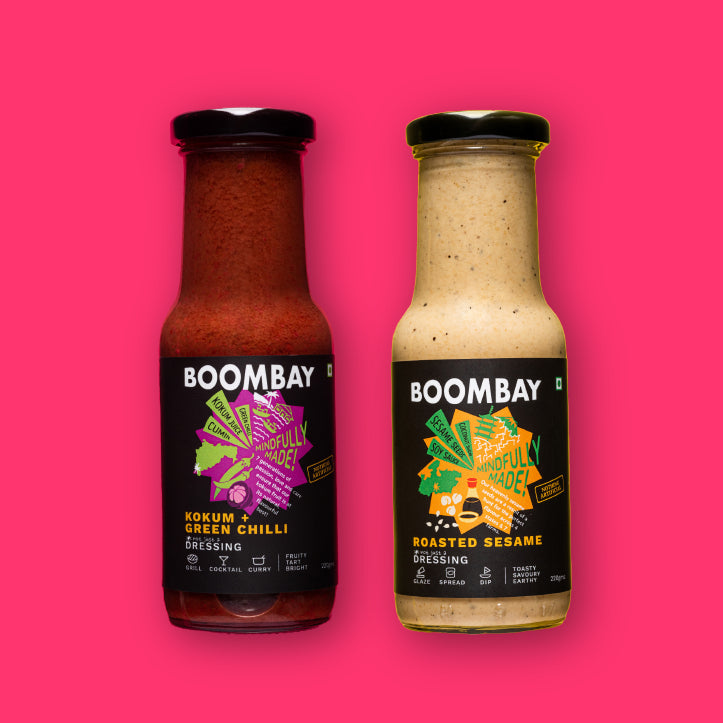
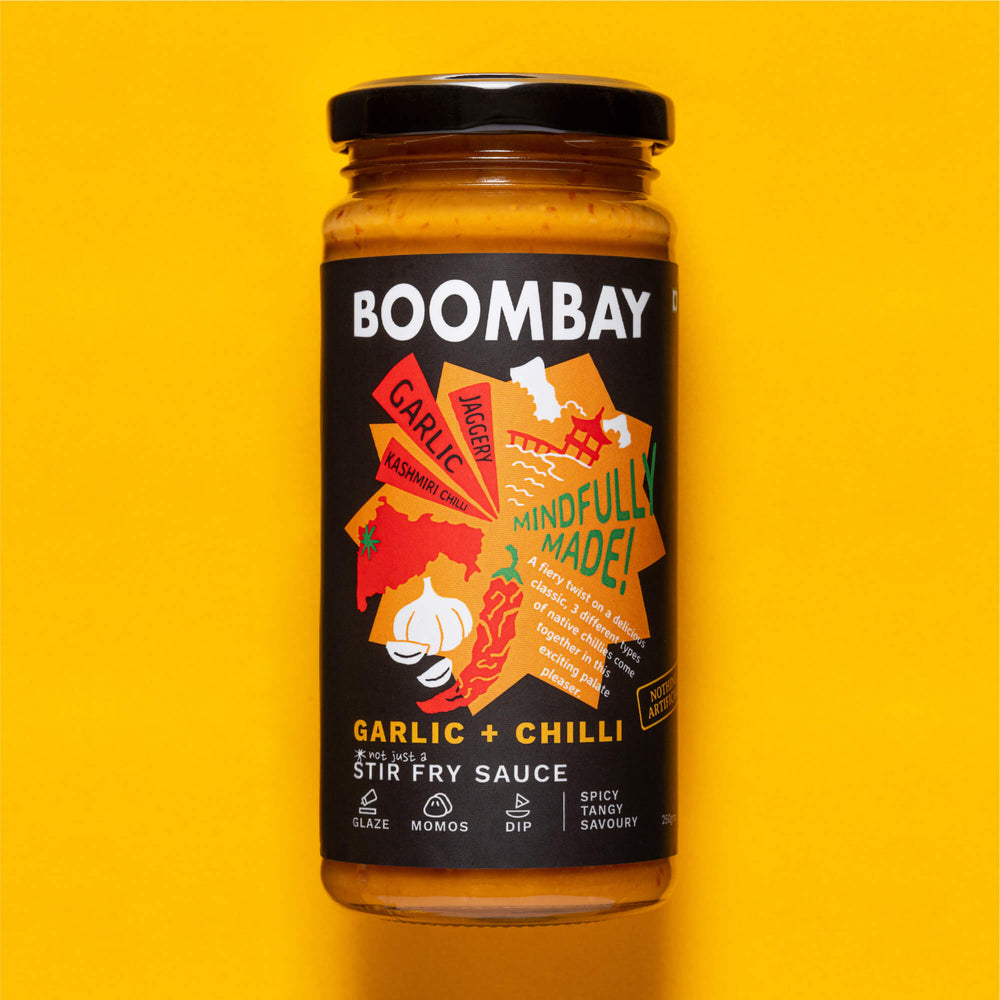
Start with one swap. Replace your regular sauce with a preservative-free version. Try Boombay's Teriyaki or Garlic + Chilli. Notice how the flavours feel cleaner, more vibrant.
Then branch into dressings, toppings, and other options. Having variety keeps meals exciting.
Adjust your storage habits too. While many preservative-free sauces need refrigeration after opening, their secondary shelf life can still be surprisingly long. It might sound like a contradiction, but it is simply basic kitchen science at work. Even without conventional preservatives, proper storage and formulation can keep sauces fresh well beyond what most people expect. Freshness is not about artificial longevity. It is about smart preservation and mindful use.
Your Kitchen, Your Rules
You don't need a chemistry degree to choose better sauces. Just flip bottles, read labels, and trust your instincts. If an ingredient list looks like a lab report, put it back.
Sauces should make cooking easier and meals more exciting, not add questionable chemicals to your plate. When you choose preservative-free options, you get bold flavours without the stuff you don't need.
Say goodbye to boring meals because it's time to make tasty meals, the Boombay way.
Shop the entire collection here.
Frequently Asked Questions
Q. What's the difference between synthetic and traditional preservatives?
Traditional preservatives come from food: salt, vinegar, citrus. Synthetic versions are lab-created chemicals like sodium benzoate. Traditional methods have been used safely for ages, while synthetic options often lack long-term safety data.
Q. How long do preservative-free sauces last?
Unopened, most last 6-12 months in a cool pantry. After opening, refrigerate and use within 4 months. Always check labels. If a sauce looks, smells, or tastes off, toss it.
Q. Are preservative-free sauces more expensive?
Usually by a small amount. The price difference is often minimal. Many people happily pay slightly more for ingredients they recognize and trust.
Q. Can I find these sauces at regular stores?
Yes. Major retailers stock preservative-free options now. Look in refrigerated sections, specialty aisles, or order online for home delivery.
Q. Do preservative-free sauces taste different?
Yes, usually better. Without chemicals masking flavours, you taste actual ingredients more clearly. Most people prefer these versions after trying them once.
Q. What should I avoid on ingredient labels?
Skip sodium benzoate, potassium sorbate, sulfites, and numbered additives like E211. Good signs include vinegar, salt, cold-pressed oils, and spices. When ingredients sound like real food, you're making a smart choice.