Diet plans fail at the snack table. You're doing great all day, eating sensibly, tracking portions. Then 4 PM hits, you're hungry, and every dip in the fridge is either tasteless "diet" garbage or calorie-dense enough to undo the entire day.
Most low-calorie dips approach the problem backwards. Strip out fat, strip out flavor, add stabilizers and artificial sweeteners, then wonder why nobody wants to eat them. The result tastes like someone described food to an algorithm and the algorithm did its best.
Real lower-calorie eating comes from choosing dips built on ingredients that deliver flavor efficiently. Spices that pack punch. Vinegars that add tang. Vegetables that provide volume. When a dip or spread tastes genuinely good, portions stay reasonable naturally.
Under 20 Calories Per Tablespoon
Some dips barely register on the calorie count while delivering serious flavor.
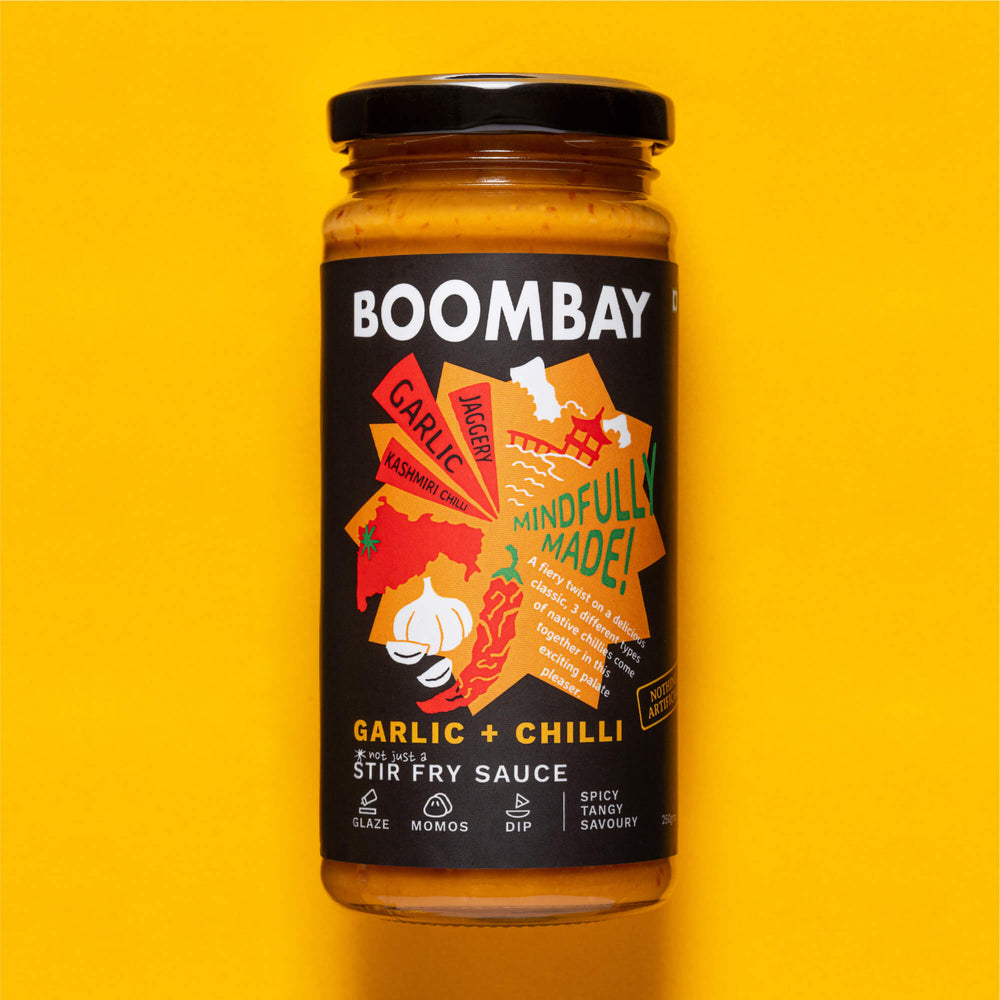
1. Garlic + Chilli
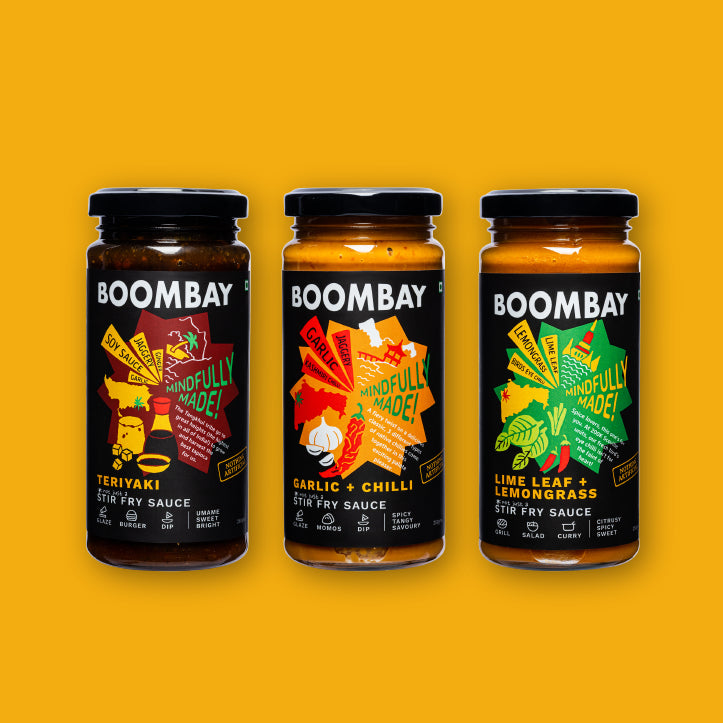
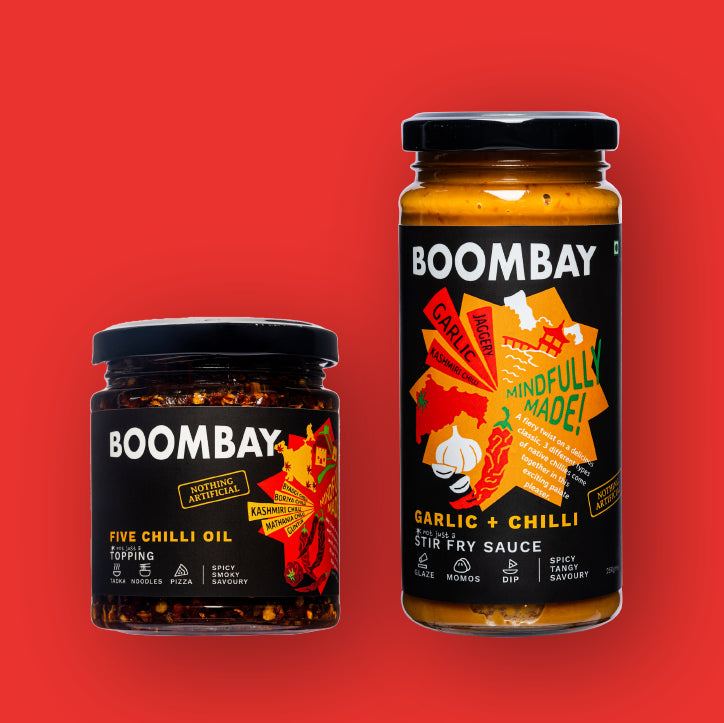
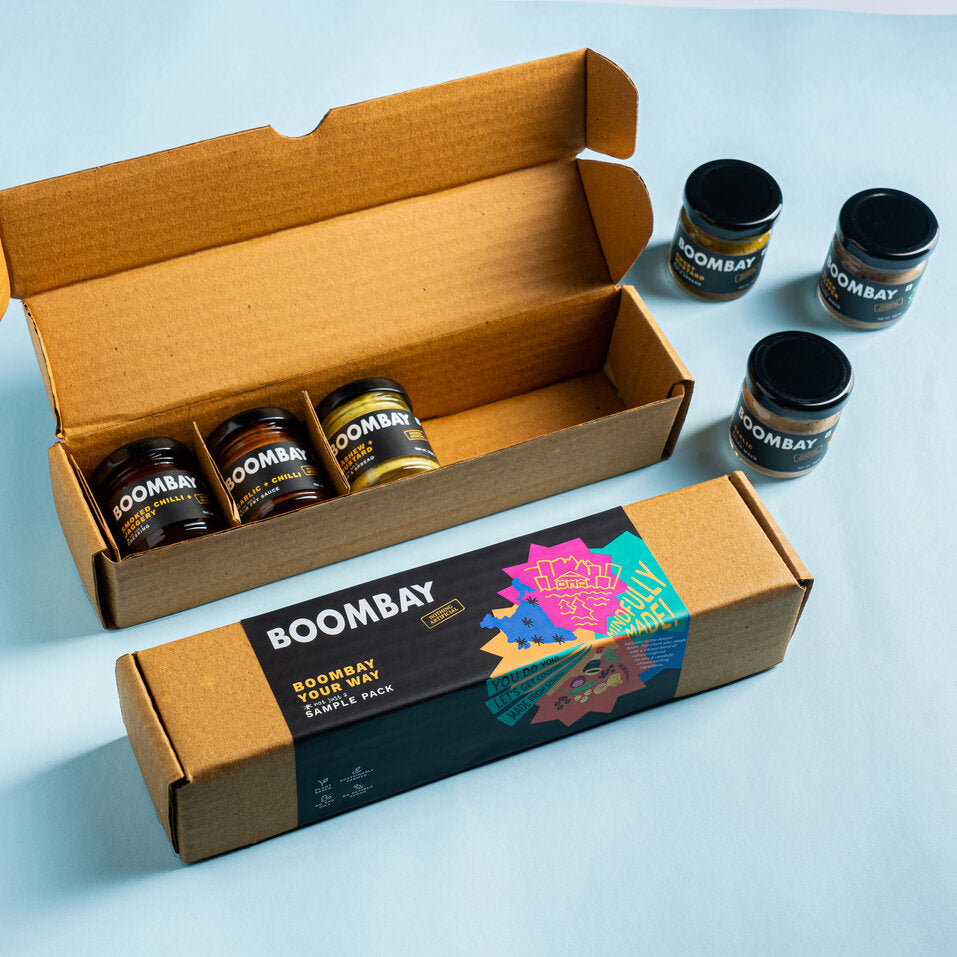
At roughly 20 calories per tablespoon, think of your favourite recipes and you'll be hard pressed to find any that don't mention garlic or chilli. This 100% plant-based version, loaded with zealous tang and a bite to boot, is hard to resist.
Smear it on rice cakes. Dip raw vegetables. Mix into yogurt for a spicy spread. The flavor is concentrated enough that a little goes far.
2. Salsa Verde
Fresh tomatillo salsa clocks in around 10 calories per tablespoon. The acidity from tomatillos and lime juice makes it taste vibrant without needing added fats.
Pairs beautifully with baked tortilla chips, carrot sticks, or grilled chicken. Make a big batch and it lasts all week in the fridge.
3. Coconut Vinegar Chilli Sauce
Vinegar-based hot low calorie sauces deliver flavor for almost no calories. Most sit around 0-5 calories per tablespoon because they're primarily vinegar and chilli peppers.
Add to scrambled eggs. Mix into soups. Use as a dipping sauce for dumplings. The heat and acid wake up bland diet food.
20-40 Calories Per Tablespoon
Slightly more substance while staying genuinely low-calorie.
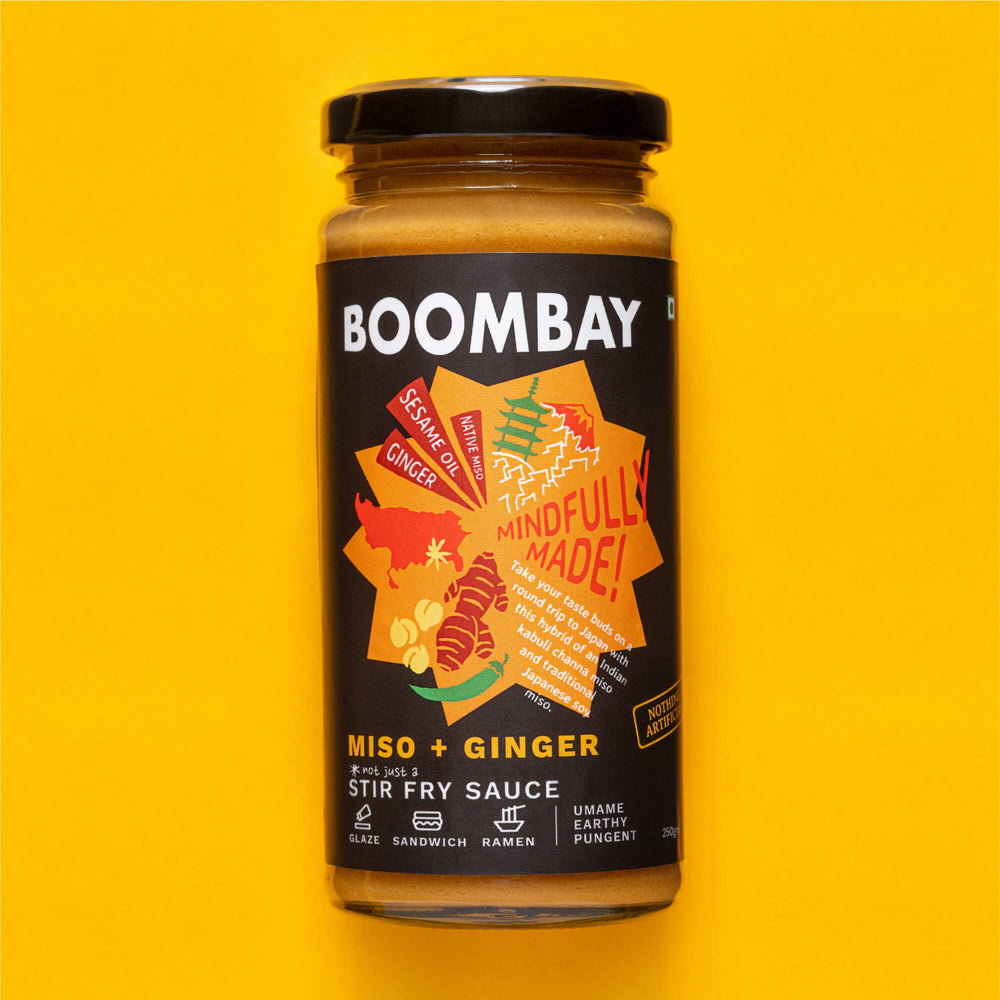
4. Miso + Ginger
What happens when you put a creamy Indian kabuli chana miso and traditional umami Japanese soy miso together? Pure magic. This Miso + Ginger dressing, topped off with the sharp, warm notes of ginger, lands around 43 calories per tablespoon.
Use as a dip for edamame. Spread on cucumber slices. Mix into coleslaw. The savory depth satisfies in ways that sweet dips never do.
5. Mustard-Based Dips
Dijon or whole grain mustard mixed with a touch of honey comes in around 30-35 calories per tablespoon. The mustard provides sharp flavor, honey adds just enough sweetness to balance.
Works as a pretzel dip, sandwich spread, or salad dressing base. Keeps forever in the fridge.
6. Tzatziki (Light Version)
Greek yogurt-based tzatziki with cucumber, garlic, and dill sits around 25-30 calories per tablespoon. The yogurt provides protein and creaminess without heavy fats.
Pair with pita chips, raw vegetables, or grilled meats. The cooling cucumber and garlic combination works across cuisines.
7. Red Pepper Hummus
Traditional hummus runs 25-35 calories per tablespoon depending on oil content. Red pepper versions add flavor without adding significant calories. The peppers provide volume and sweetness naturally.
Use as a sandwich spread to replace mayo. Dip vegetables. Spread on whole grain crackers for a filling snack.
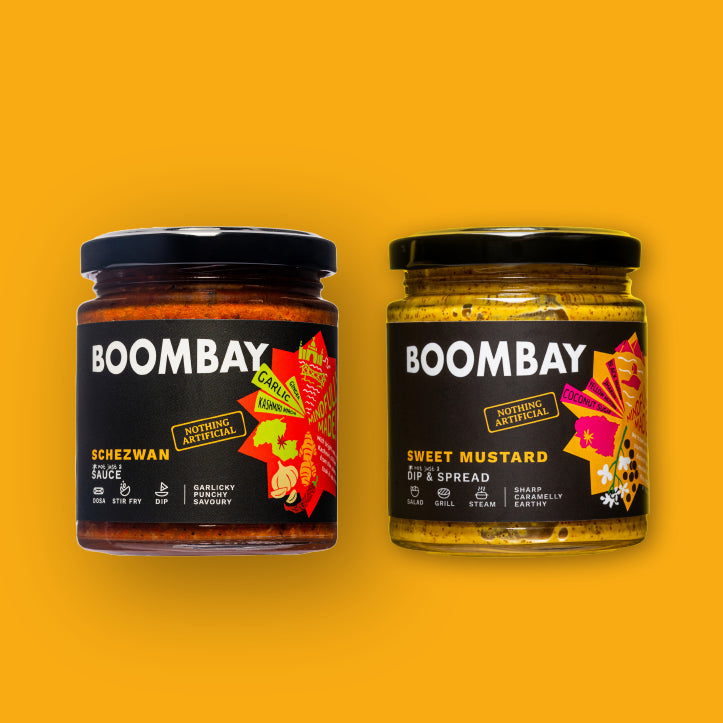
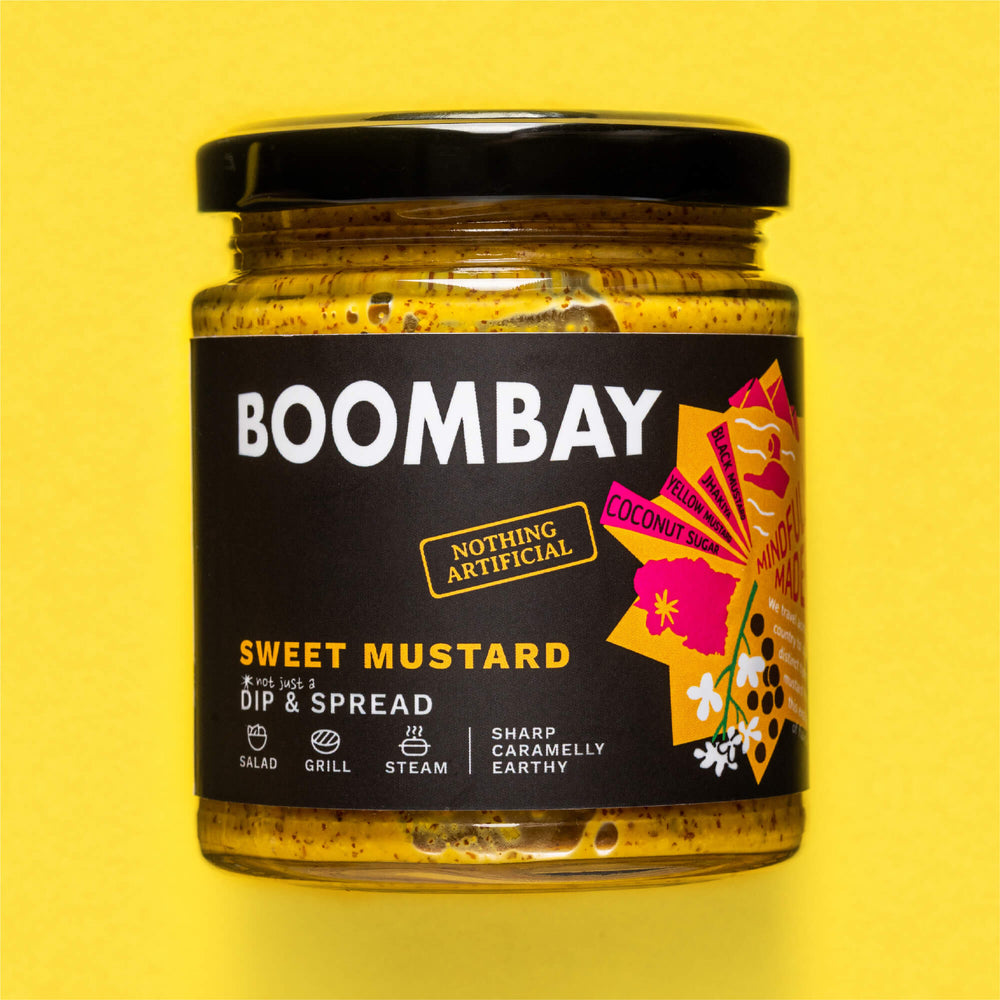
8. Sweet Mustard
Sweet Mustard delivers tangy-sweet flavor at around 32.88 calories per tablespoon. The mustard provides sharpness. Natural sweetness balances without refined sugar overload.
Use as a pretzel dip. Spread on sandwiches. Mix into potato salad. Works as both a dip and a cooking ingredient.
9. Peanut + Lime
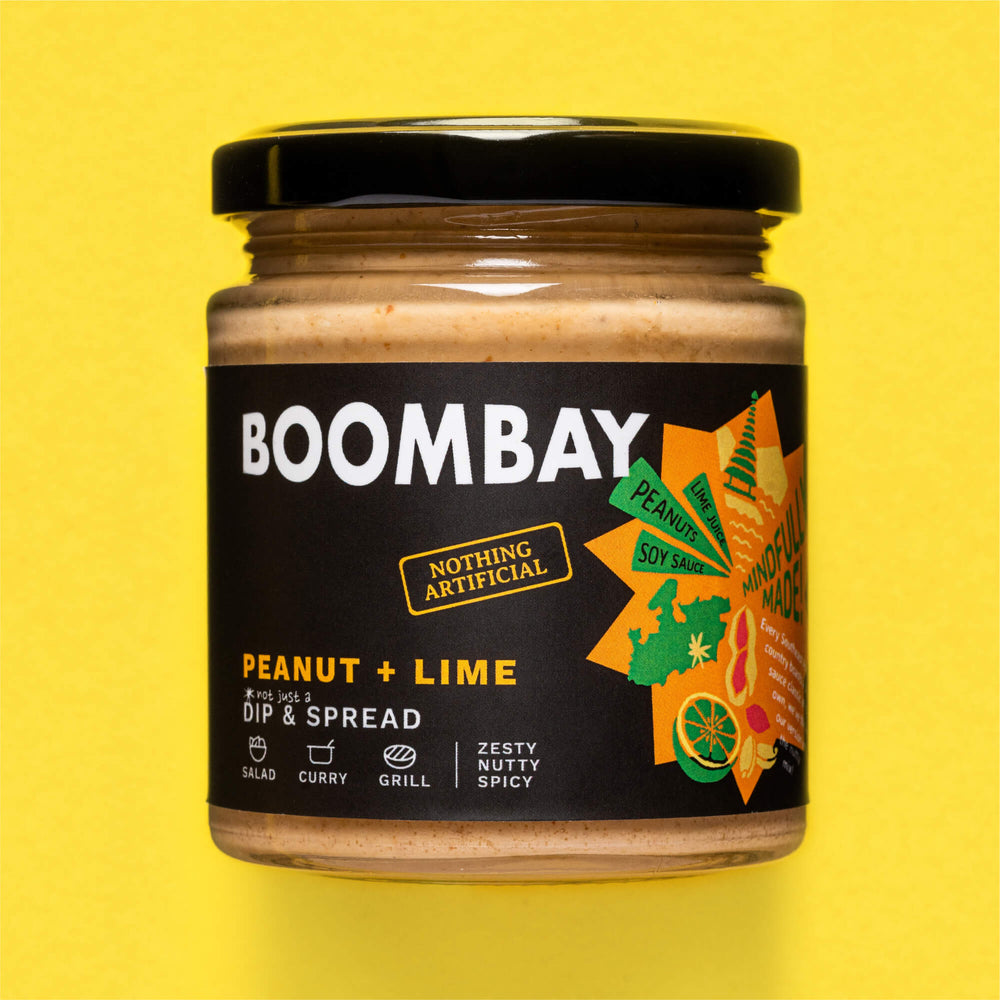
An all-rounder, we've taken South-East Asia's representative peanut sauce and given it a fresh new twist with this Peanut + Lime dip. Savory, tangy, zesty and creamy all in one, it comes in at around 35.7 calories per tablespoon.
Use as a satay dip. Drizzle on noodles. Spread on spring rolls. The combination of protein and fat means smaller portions actually satisfy.
40-60 Calories Per Tablespoon
Still lighter than traditional options while delivering serious satisfaction.
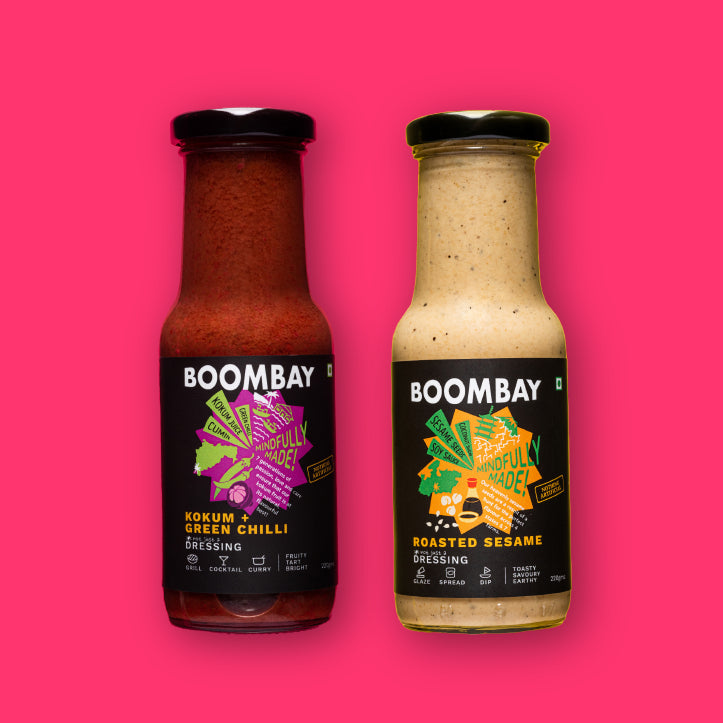
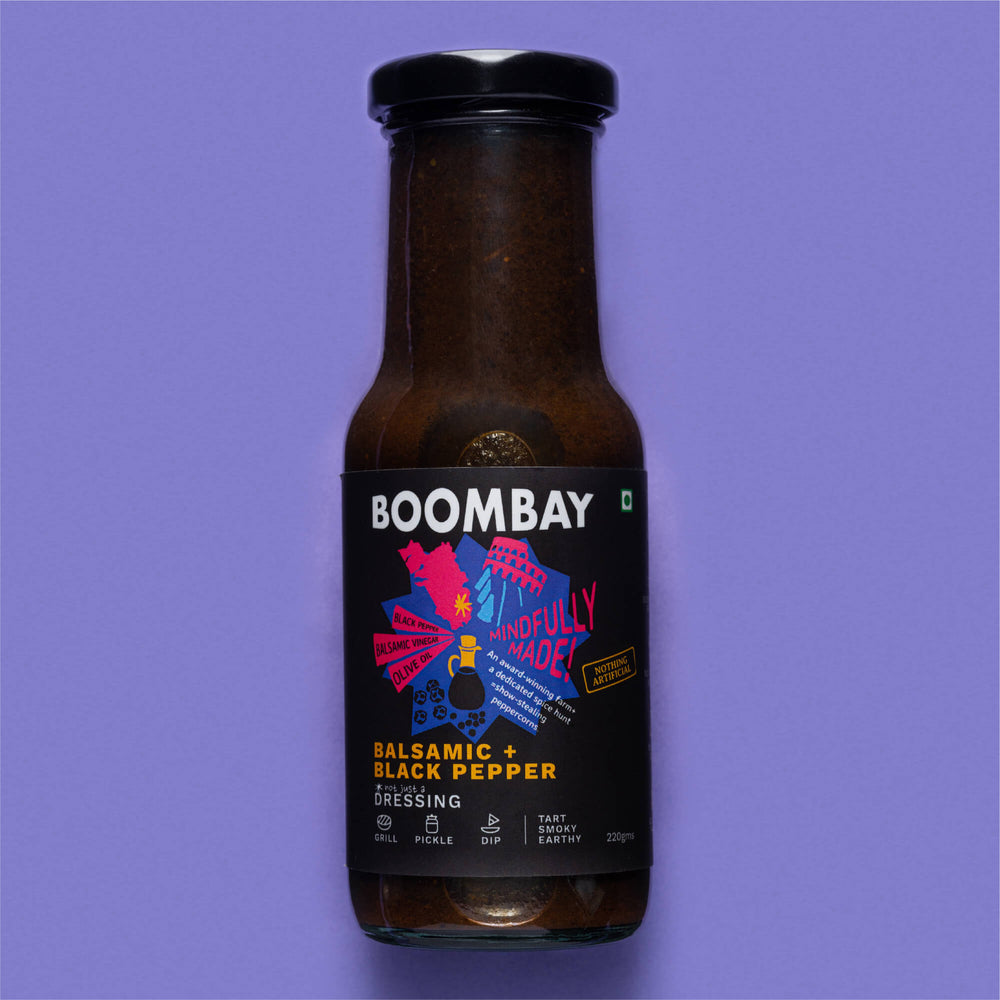
10. Roasted Sesame
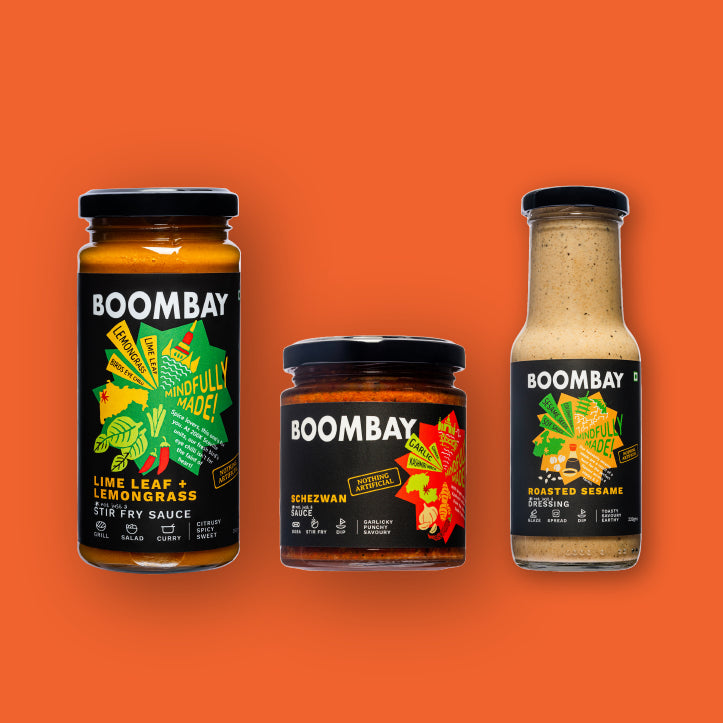
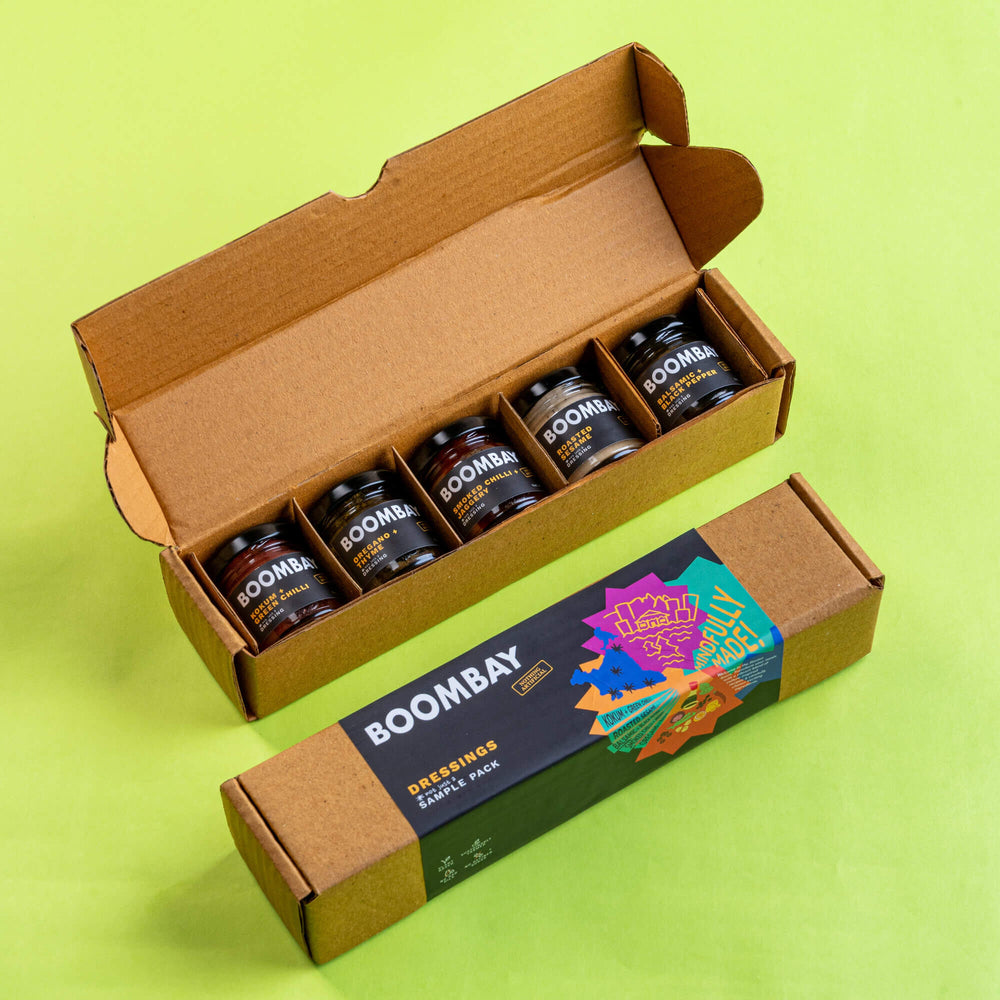
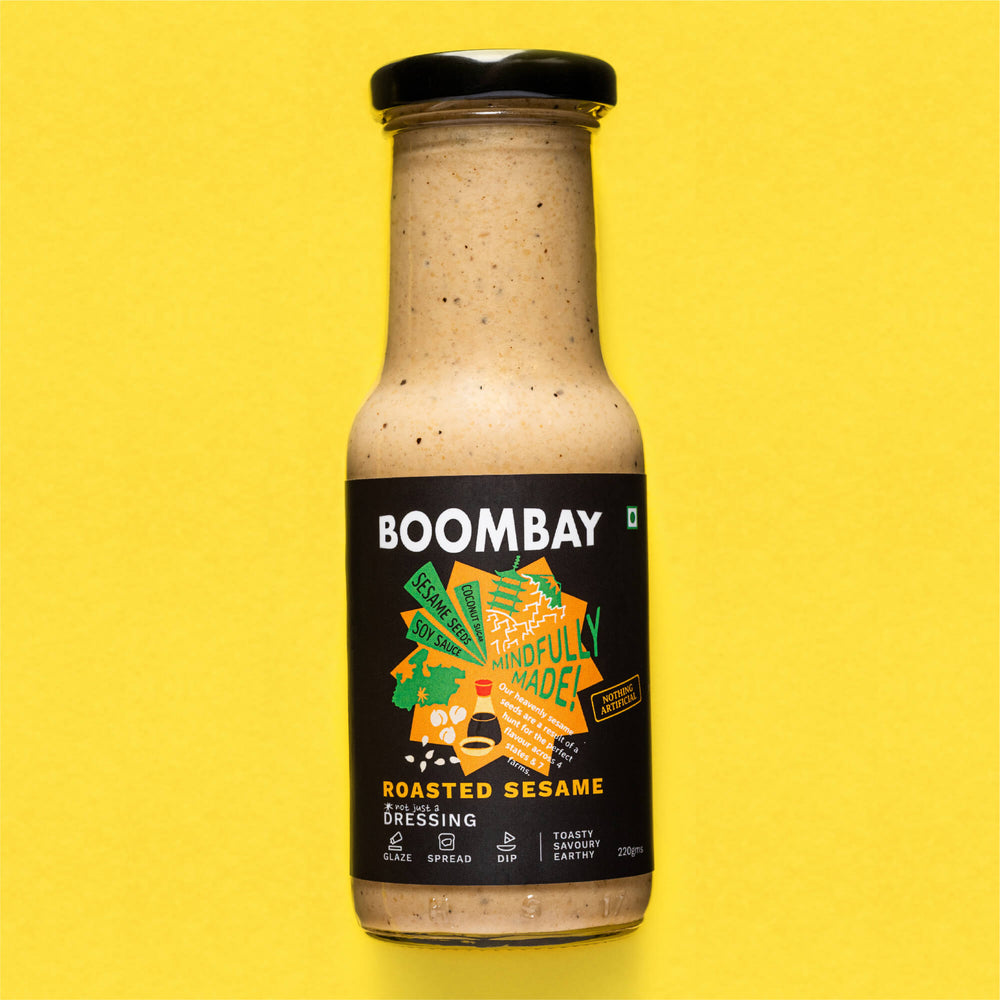
Everyone loves the subtle ruse of sesame, but we've taken that aromatic dream to a whole new level. This Roasted Sesame dressing, with the savoury warmth of 100% natural miso mixed with a toasty kick of pepper and roasted to perfection, sits at roughly 50 calories per tablespoon.
Drizzle on steamed vegetables. Use it as a dip for rice crackers. Mix into noodle salads. The flavor is rich enough that you don't need much.
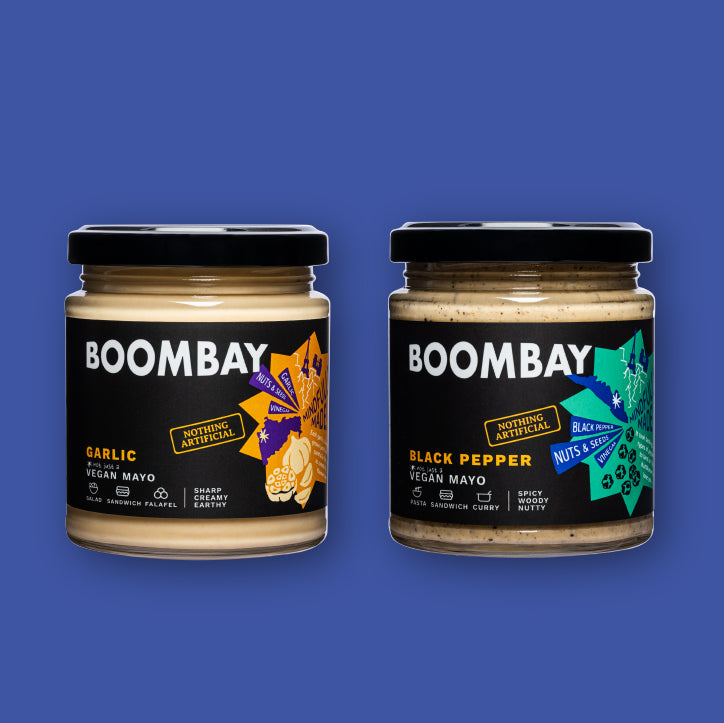
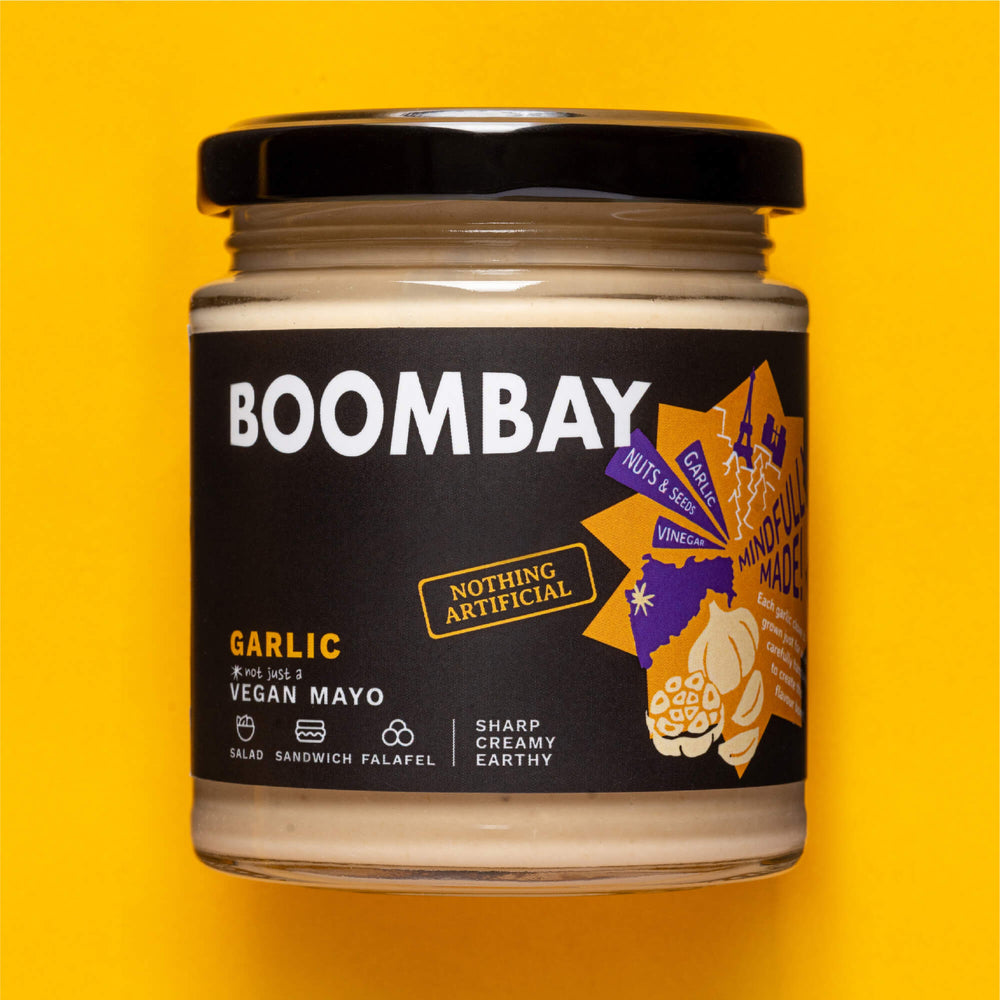
11. Garlic Vegan Mayo
Garlic lovers, meet your new obsession! Garlic Vegan Mayo, crafted with a rich, nutty base and that bold garlic punch you crave, sits around 50 calories per tablespoon compared to regular mayo's 75-90. This 100% plant-based creamy delight is here to raise the bar on all mayo, vegan or not.
Spread on sandwiches. Use as a burger sauce. Mix with sriracha for spicy mayo. The creamy texture satisfies sandwich cravings without derailing calorie goals.
12. Baba Ganoush
Eggplant-based dip with tahini comes in around 40-50 calories per tablespoon. The eggplant provides volume without many calories. Tahini adds richness and nutty flavor.
Serve with pita bread. Use as a spread on wraps. Pair with fresh vegetables for an afternoon snack.
13. Guacamole (Portion-Controlled)
Guacamole runs 45-55 calories per tablespoon, but avocado's healthy fats actually help with satiety. A measured portion satisfies in ways that fat-free dips never do.
Pair with baked chips. Spread on toast. Use as a taco topping. The key is measuring instead of eating directly from the bowl.
Making Lower-Calorie Work
Portion control matters more than absolute numbers. A tablespoon of something delicious at 70 calories beats three tablespoons of "fat-free" nonsense at 90 total calories.
Measure at First
Use actual measuring spoons until you know what a tablespoon looks like. Most people pour two or three times more dip than they think they're using.
Once you know the portion size, eyeballing becomes easier. But start with measurement to avoid accidentally triple-portioning.
Pair Smartly
Match low-calorie dips with high-volume, low-calorie dippers. Cucumber slices, bell pepper strips, celery sticks. Carrot sticks if you like them. Cherry tomatoes work beautifully.
Baked chips and whole grain crackers add crunch without the fat of regular chips. Measure those too, because it's easy to eat half a bag without noticing.
Flavor Beats Volume
A thin layer of Garlic + Chilli sauce on toast satisfies more than a thick layer of tasteless "light" spread. Choose dips with concentrated flavor so smaller amounts do the job.
When a dip tastes genuinely good, something interesting happens. The portion stays small naturally. Nobody needs half a cup of something delicious to feel satisfied.
Shop the collection here for dips that deliver flavor without calorie overload.
Frequently Asked Questions
Q. Are low-calorie dips actually filling?
Depends on the dip. Options with protein (hummus, white bean dip) or healthy fats (guacamole, tahini-based dips) provide actual satiety. Pure vinegar-based sauces add flavor but won't fill you up.
Q. Can I eat unlimited amounts if it's low-calorie?
No food works well in unlimited quantities. Even low-calorie dips add up. Measure portions initially to understand what serving sizes look like, then adjust based on hunger and goals.
Q. Do store-bought low-calorie dips taste good?
Some do, some don't. Brands that build flavor with spices and real ingredients (like Boombay) taste significantly better than those relying on artificial flavors and stabilizers.
Q. How much dip should I eat per day?
Depends on overall calorie goals. If aiming for weight loss, 2-3 tablespoons spread across snacks fits most plans. Pair with vegetables for volume without excess calories.
Q. Are fat-free dips healthier than full-fat?
Not necessarily. Fat-free versions are often loaded with added sugar and extra salt to boost flavor, which is not great for your health. Some fats are essential for nutrient absorption and satiety. Choosing dips with healthy fats in reasonable portions is often a better option than going fat-free with added sugars and additives.
Q. Which dip satisfies hunger best under 100 calories?
Options with protein and healthy fats work best. Hummus, peanut-based dips, and tahini spreads provide more staying power than purely vegetable or vinegar-based options.