



The air fryer seemed like such a good idea when you bought it. Healthier cooking. Less oil. Restaurant-quality results at home. Then it sat on the counter for three months because you're not quite sure what to do with it beyond reheating leftovers.
Air fryers work brilliantly when used for the right foods. They also fail spectacularly when asked to do things they're not designed for. Knowing which is which makes the difference between a useful appliance and expensive counter clutter.
Once you know the basics, it becomes as automatic as using the stovetop.
Understanding How Air Fryers Work
Air fryers are essentially small convection ovens with powerful fans. Hot air circulates rapidly around food, creating crispy exteriors similar to deep frying but with minimal oil.
What They Do Well
Anything that benefits from dry heat and air circulation works brilliantly. Foods that should be crispy, crunchy, or develop a crust all perform well. Think roasted vegetables, crispy proteins, and reheated fried foods.
The concentrated heat and air flow mean faster cooking than traditional ovens. Most recipes reduce cooking time by 20-25% compared to regular baking.
What They Don't Do
Air fryers struggle with wet batters. The batter drips before it sets, creating a mess. Breaded items work perfectly because the coating stays in place.
Large roasts or whole chickens often cook unevenly due to limited space. The exterior browns before the interior cooks through. Better to cut proteins into smaller pieces for even results.
Vegetables Worth Making
Vegetables transform in air fryers, developing char and crispiness that steaming or boiling can't achieve.
Potato Variations
Cut potatoes into wedges, toss with cold-pressed oil and seasonings, air fry at 180°C for 20 minutes, shaking halfway. Crispy outside, fluffy inside, minimal oil.
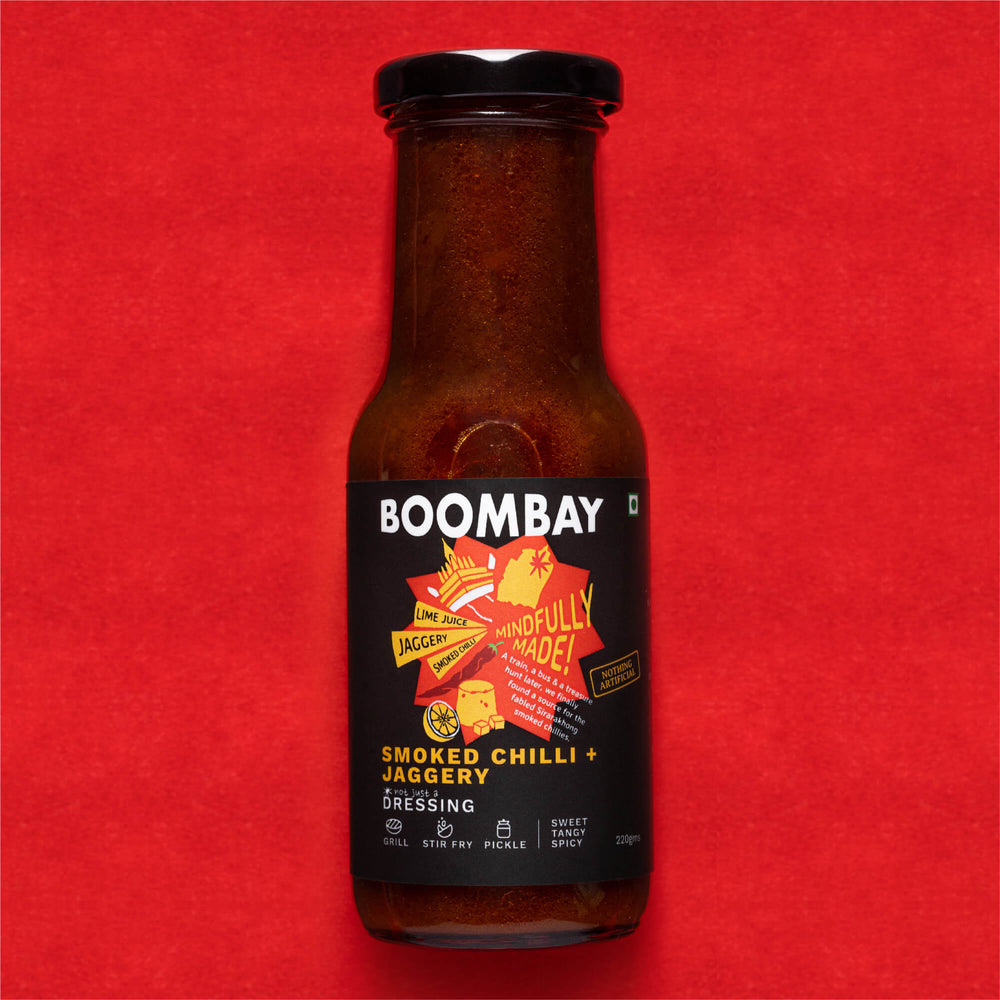
Sweet potato fries work identically. Season with smoked paprika or cinnamon before cooking. Smoked Chilli + Jaggery sauce makes an excellent dipping sauce.
-
 Out of Stock
Brussels Sprouts
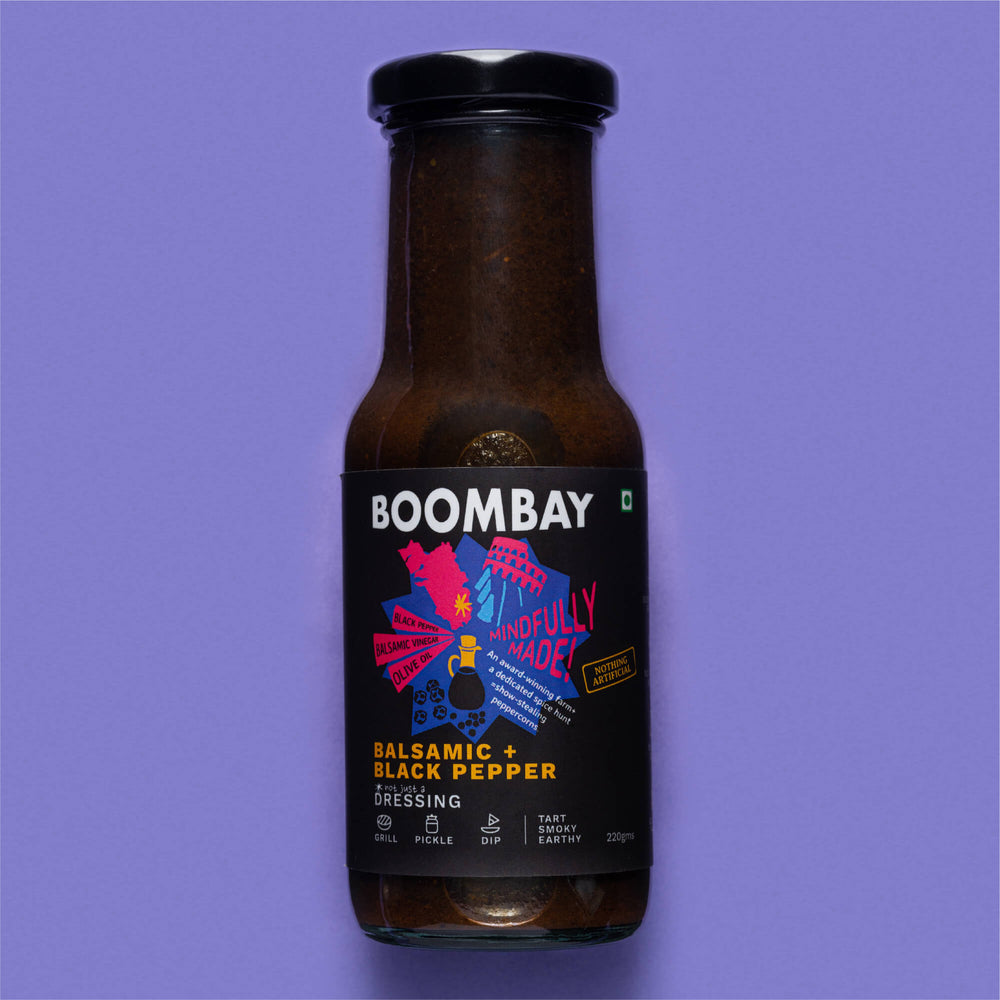
Halve Brussels sprouts at 190°C for 12-15 minutes develop crispy charred edges while staying tender inside. Toss with Balsamic + Black Pepper dressing after cooking.
Cauliflower
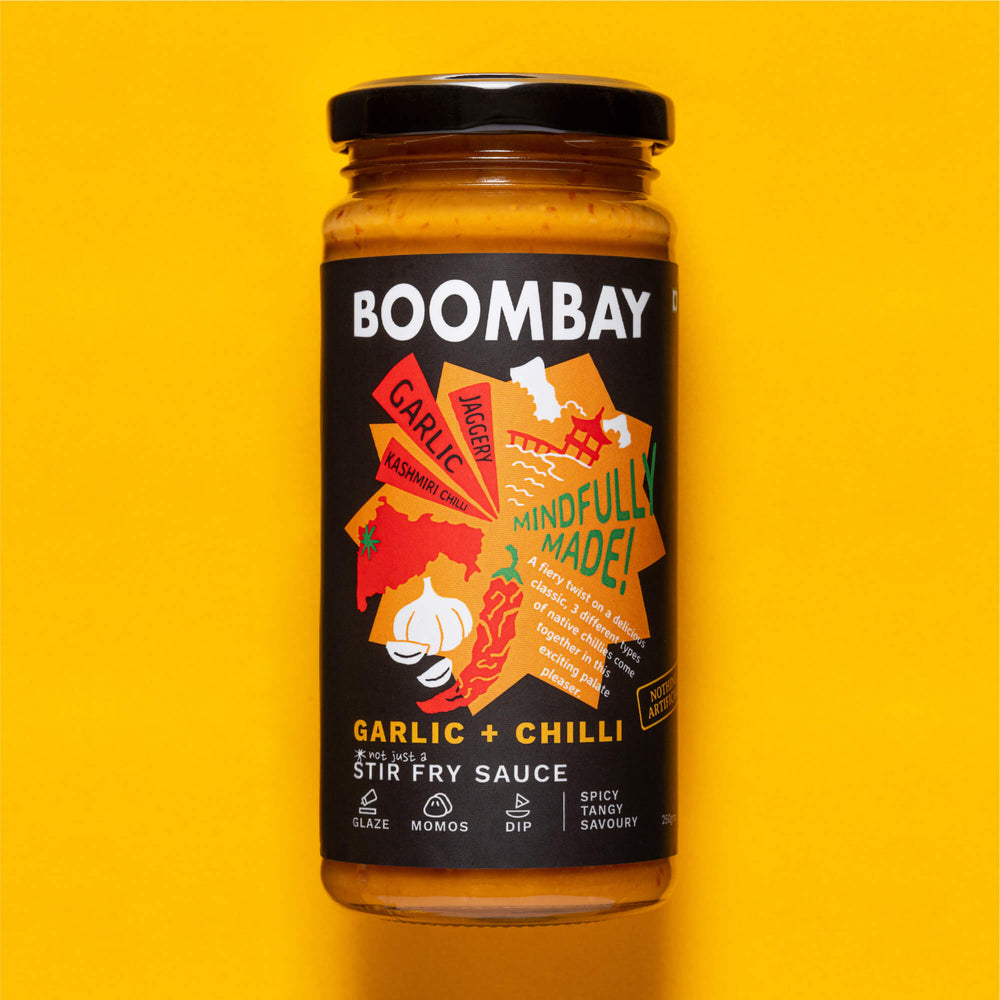
Cauliflower florets seasoned with turmeric and garlic at 180°C for 15 minutes crisp beautifully. Toss with Garlic + Chilli sauce for Indo-Chinese style gobhi.
Bell Peppers and Onions
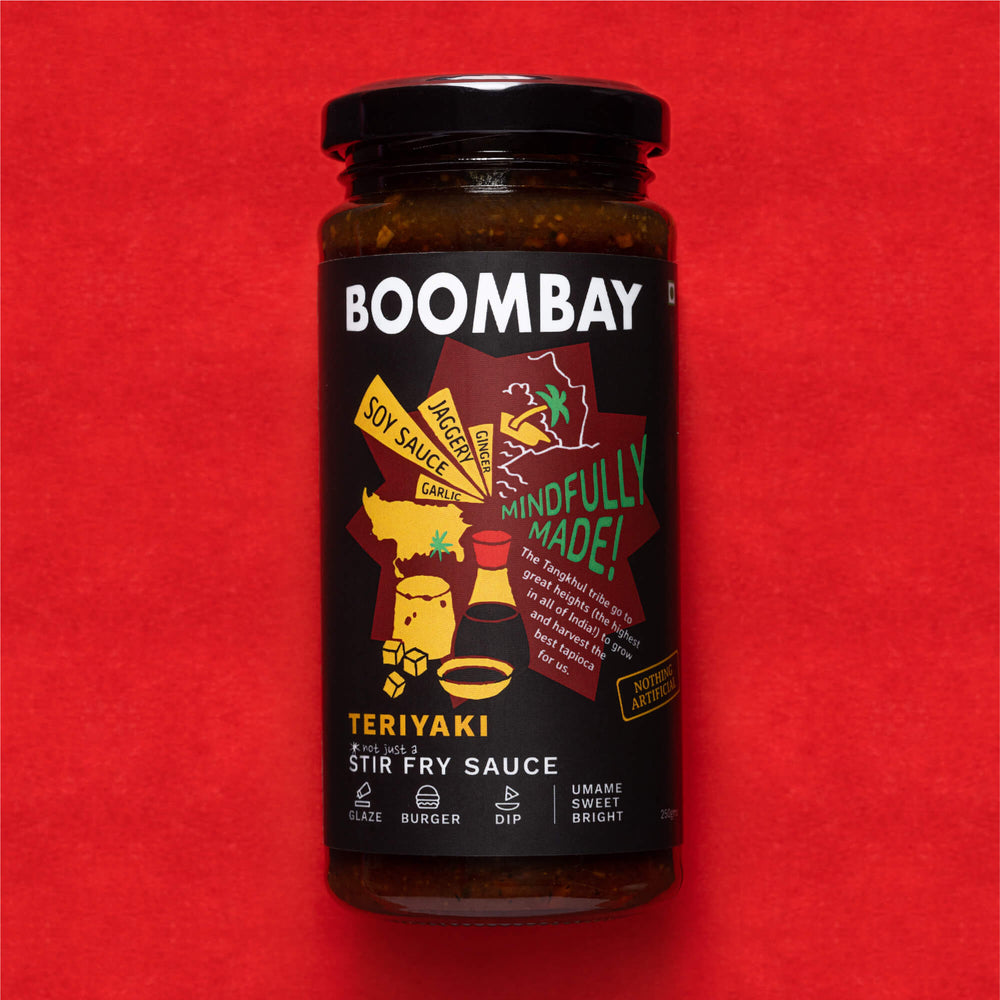
Thick-cut peppers and onions at 180°C for 10 minutes develop caramelization, perfect for fajitas or sandwiches. Add Teriyaki sauce during the last few minutes for glazed vegetables.
Protein Options
Proteins cook quickly and stay juicy when done right.
Chicken
Boneless chicken pieces marinated in yogurt and spices at 180°C for 12-15 minutes stay moist inside with crispy edges. Flip halfway for even browning.
Chicken wings at 200°C for 20 minutes develop restaurant-quality crispiness. Toss with buffalo sauce, barbecue sauce, or Korean BBQ after cooking.


Paneer
Cubed paneer lightly oiled at 180°C for 10 minutes develops a golden crust while staying soft inside. Season with chaat masala or use in tikka-style preparations.
Fish
Fish fillets at 180°C for 8-10 minutes cook through perfectly without drying out. The gentle heat preserves moisture while crisping the exterior.
Breaded fish works even better. The coating crisps without absorbing excess oil, creating lighter results than deep frying.
Tofu
Extra-firm tofu, cubed and air-fried at 200°C for 15 minutes, becomes crispy outside while remaining creamy inside. Press tofu well before cooking to remove excess moisture.
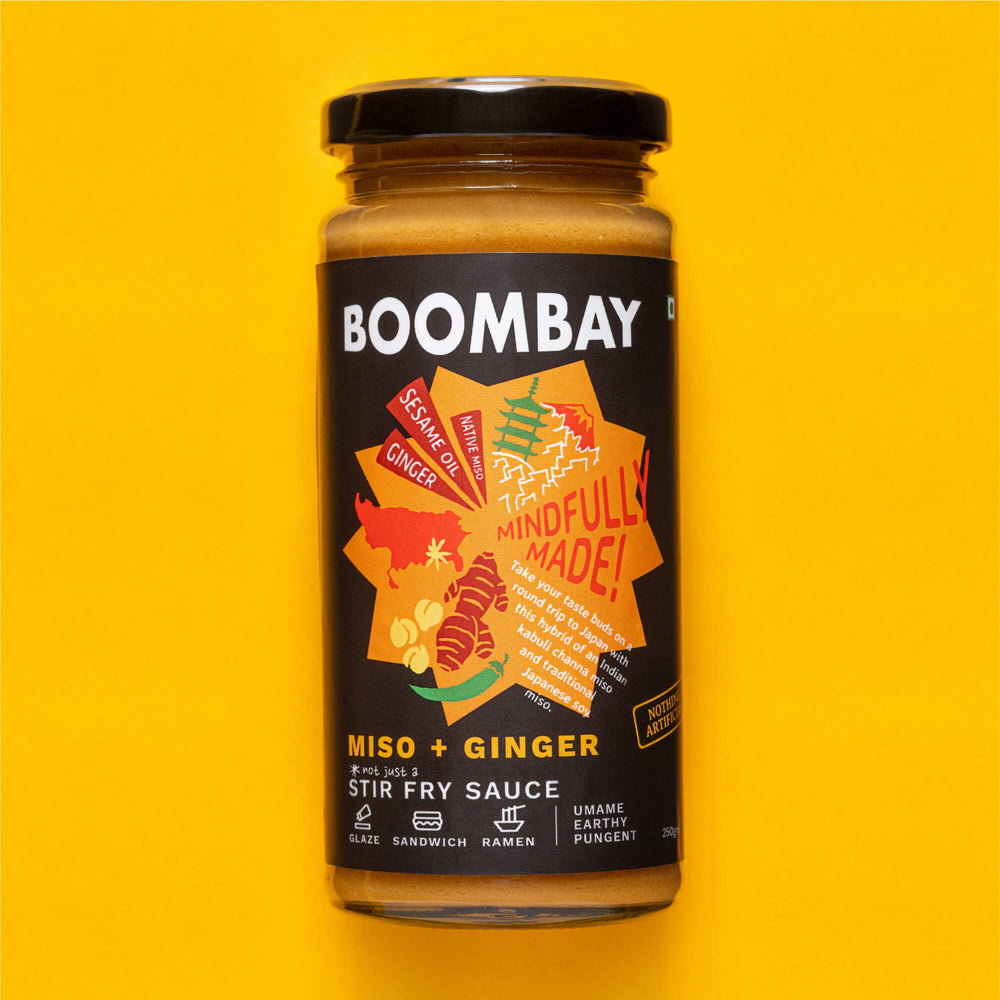
Toss cooked tofu with Miso + Ginger dressing for an easy protein that works in bowls or salads.
Snacks and Appetizers
Air fryers excel at creating crispy snacks with minimal effort.
Samosas
Frozen samosas at 180°C for 12-15 minutes crisp perfectly without any oil. Brush lightly with oil if you want extra crispiness. Much better than microwave results.
Spring Rolls
Frozen or homemade spring rolls at 180°C for 10-12 minutes develop golden, crispy wrappers. Peanut Lime makes an excellent dipping sauce.
Pakoras
Pre-made or homemade pakoras crisp beautifully at 180°C for 8-10 minutes. Spray lightly with oil if needed. The result rivals deep-fried versions with a fraction of the oil.
Chickpeas
Drained, dried chickpeas seasoned with spices at 200°C for 15 minutes become crunchy snacks. Shake every 5 minutes for even roasting. Season with chaat masala while still warm.
Breakfast Items
Morning cooking becomes faster and less messy.
Toast and Bread
Toast bread at 180°C for 3-4 minutes for perfect browning. Multiple slices cook simultaneously, more efficient than a toaster for larger batches.
Garlic bread slices brushed with butter and garlic at 160°C for 5 minutes develop crispy exteriors and soft centers.
Hash Browns
Frozen hash browns at 190°C for 10-12 minutes crisp up without any added oil. Flip halfway for even browning on both sides.
Vegetables for Breakfast
Sliced tomatoes, mushrooms, and bell peppers at 180°C for 6-8 minutes, roast quickly for breakfast plates. Season simply with salt and pepper.
Reheating Done Right
Air fryers excel at bringing leftovers back to life.
Pizza
Leftover pizza at 160°C for 3-5 minutes revives the crust while melting the cheese. Results beat microwave reheating significantly.
Fried Foods
Leftover fried chicken, french fries, or pakoras at 180°C for 5-7 minutes regain crispiness. The circulating air restores the texture that refrigeration destroys.
Rotis and Parathas
Day-old rotis or parathas at 160°C for 2-3 minutes soften and warm without getting chewy. Much better than microwave results.
Tips for Success
Small adjustments make big differences in air fryer results.
Don't Overcrowd
Leave space between items for air circulation. Overcrowding steams food instead of crisping it. Cook in batches if needed rather than piling everything in.
Shake or Flip
Most foods benefit from shaking or flipping halfway through cooking. This ensures even browning on all sides.
Light Oil Helps
While air fryers use less oil than deep frying, a light coating helps with browning and prevents sticking. Use a spray bottle or brush for even distribution.
Preheat When Needed
Preheating for 2-3 minutes helps with certain foods, especially if you want immediate searing. Not always necessary, but helps with proteins and frozen items.
Temperature Variations
Start with recommended temperatures, but adjust based on your specific air fryer. Models vary in power. If food browns too quickly, reduce the temperature by 10-20°C.
Shop sauces here to make air fryer meals more interesting.
Frequently Asked Questions
Q. Can I use aluminum foil in an air fryer?
Yes, but ensure it doesn't block air flow. Don't line the entire basket. Only use foil for specific foods that might drip or stick.
Q. How do I prevent food from drying out?
Use light oil coating, don't overcook, and consider marinating proteins before cooking. The rapid air circulation can dry food if cooking times are too long.
Q. Can I cook frozen food directly?
Yes, air fryers work brilliantly with frozen foods. Increase cooking time by 5-8 minutes compared to fresh items and cook at the same temperature.
Q. Why is my food not crispy?
Usually from overcrowding, insufficient oil, or too-low temperature. Ensure items have space, use light oil coating, and don't be afraid of higher temperatures.
Q. Do I need to flip food?
Most items benefit from flipping or shaking halfway through. This ensures even browning. Small items like fries need shaking. Larger items like chicken need flipping.
Q. Can I cook multiple foods together?
It’s best to avoid cooking different foods together, even if they require similar temperatures and cooking times. Flavors can transfer between foods and affect the final taste. Cooking items separately helps maintain their original flavor and ensures more consistent results.