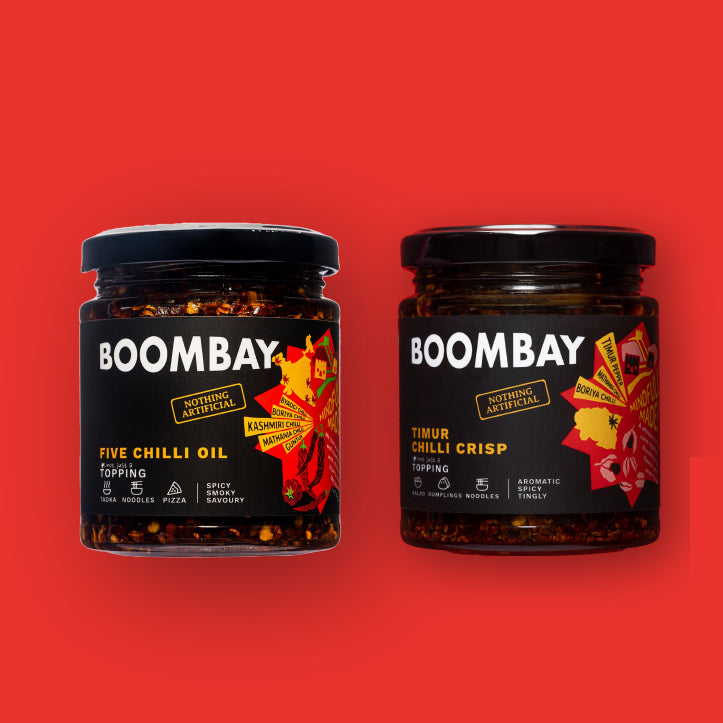
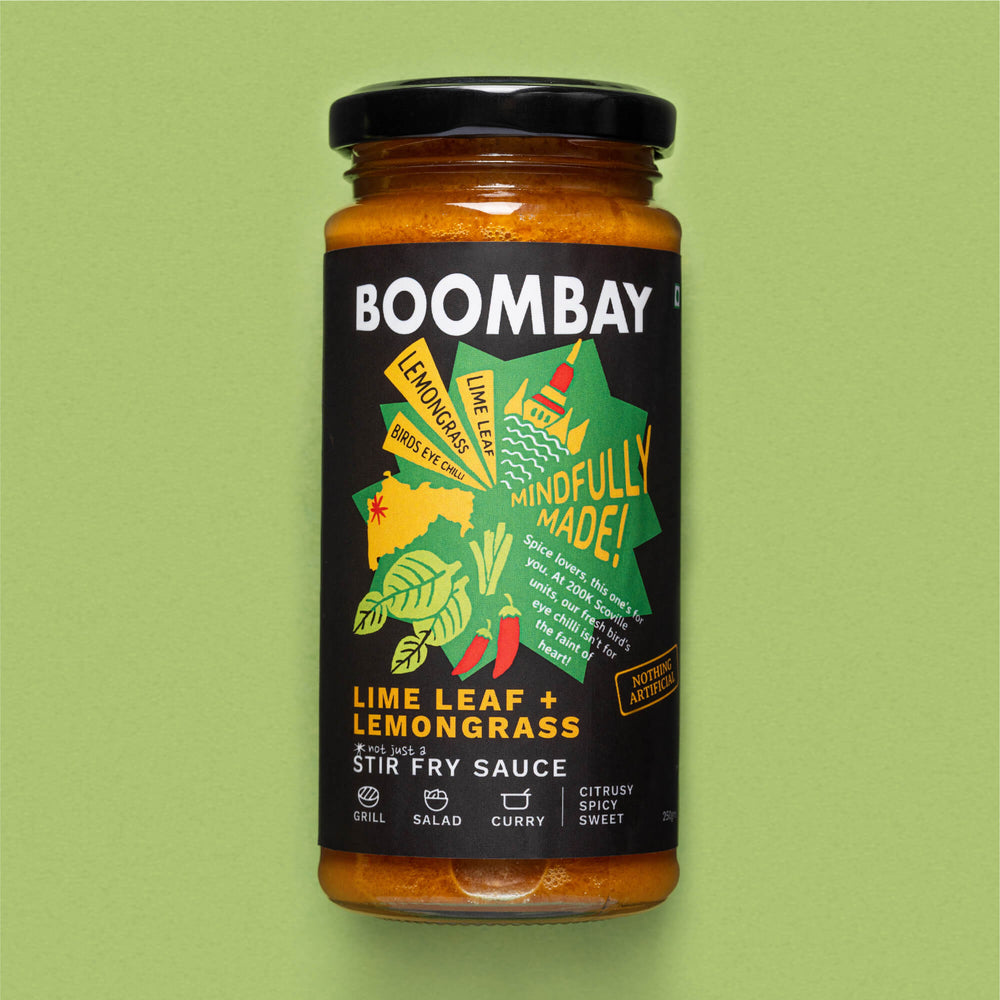
Two bottles of red sauce sit in the fridge. One thick and chunky, the other smooth and squeezable. Both promise heat. Both deliver flavour. But Schezwan sauce and Sriracha are very different sauces built for very different purposes. Knowing the difference helps you pick the right one for the right dish instead of just grabbing whichever bottle is closest.
What Each Sauce Actually Is
Both sauces bring heat to the table, but they come from different culinary traditions and use completely different ingredients. Understanding what goes into each one explains why they taste so different from each other.
Schezwan Sauce and Where the Flavour Comes From
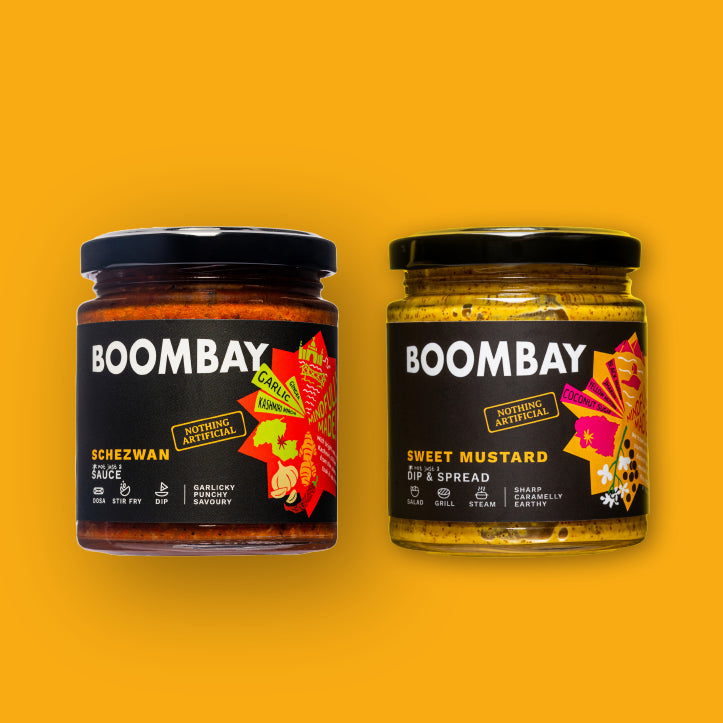
Schezwan sauce has roots in Calcutta's Tangra neighbourhood, where Hakka Chinese immigrants began adapting their cooking techniques to suit Indian palates. Over generations, these cooks blended Chinese methods with local spices, chillies, and flavour preferences, creating an entirely new cuisine now known as Indo-Chinese. The sauce combines dried red chillies, garlic, ginger, soy sauce, and vinegar into something that belongs fully to neither tradition and completely to both. That fiery, tangy character is what sets Schezwan apart from every other spicy sauce.
The texture is thick, oily, and chunky with visible chilli flakes. The flavour profile layers heat, tang, garlic depth, and a touch of sweetness. Good Schezwan sauce tastes complex, not just hot.
Sriracha and Its Smooth Sweet Heat
Sriracha comes from Thailand, named after the coastal city of Si Racha. The sauce blends red chilli peppers, garlic, vinegar, sugar, and salt into a smooth, ketchup-like consistency. No peppercorns, no numbing sensation.
Sriracha delivers straight chilli heat balanced with sweetness and tang. The flavour is simpler and more one-dimensional compared to Schezwan, which makes Sriracha a great all-purpose hot sauce for topping food rather than cooking with it. Most Indians encounter Sriracha through burgers, pizza, and Western-style fast food, while Schezwan is deeply embedded in Indo-Chinese culture.
The two sauces also differ in availability. Schezwan sauce is stocked in virtually every grocery store in India, from local kirana shops to supermarkets. Sriracha, while growing in popularity, is more commonly found in larger retail stores and online platforms.
Key Differences at a Glance
The gap between these two sauces goes beyond just heat level. Everything from texture to cooking style differs.
Taste and Texture Compared
Schezwan sauce has a smoky, garlicky, complex flavour with visible chilli flakes in a thick, oily base. Sriracha tastes sweet, tangy, and garlicky with a smooth pour. A quick way to remember: Schezwan is a cooking sauce with depth. Sriracha is a table condiment for drizzling.
The heat also hits differently. Schezwan brings a sharp, chilli-forward heat that cuts through rich dishes. Sriracha brings clean chilli heat that fades faster. For people who enjoy layered spice, Schezwan feels more satisfying. For those who want a quick hit of heat on top of food, Sriracha does the job cleanly.
When to Use Schezwan Sauce
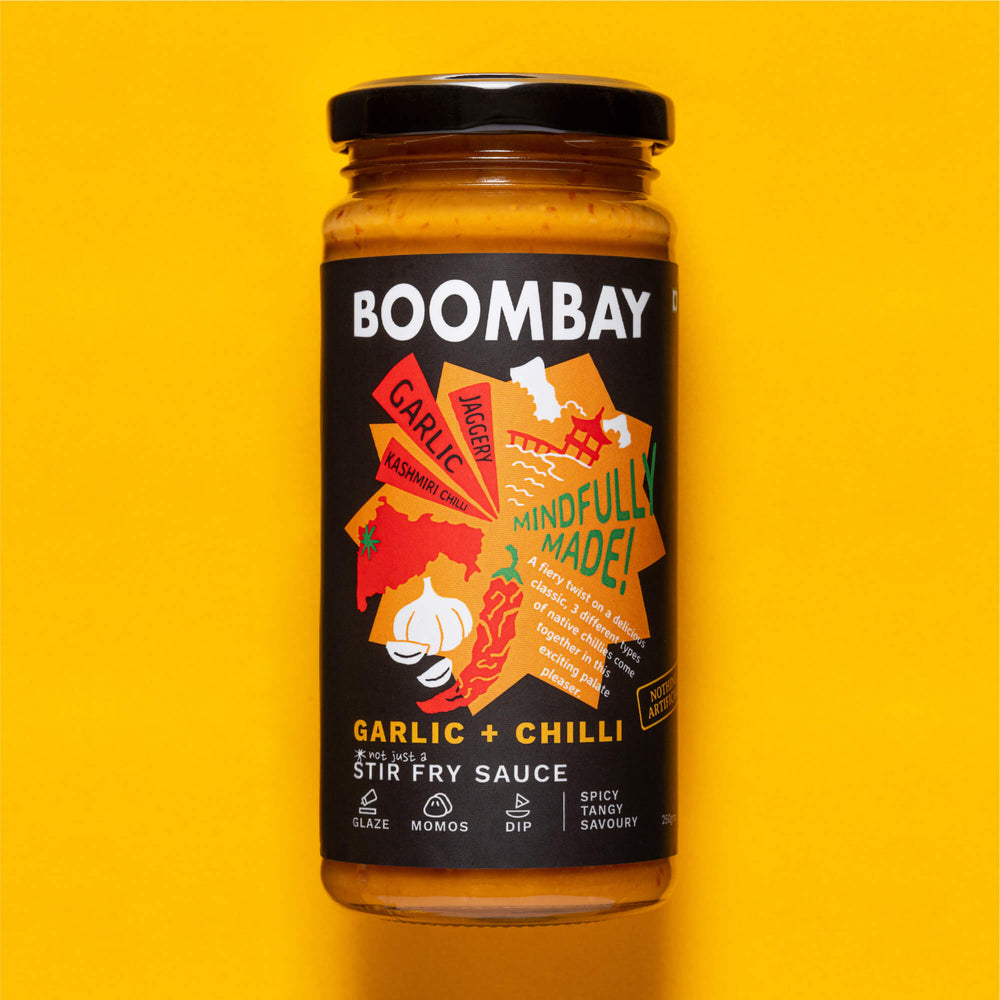
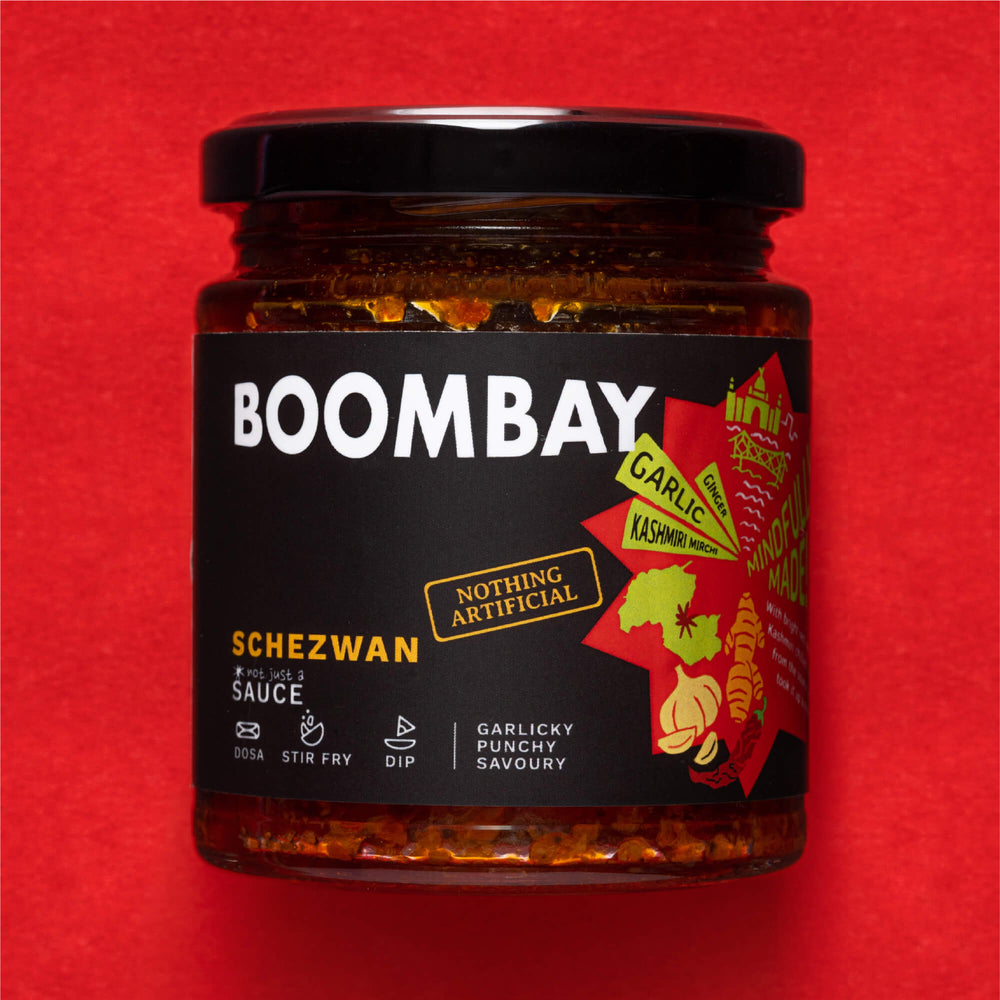
Schezwan sauce works best when cooked into food. Stir it into fried rice, noodles, or stir-fried vegetables. Use as a base for Indo-Chinese gravies. Mix into marinades. Toss with momos or spring rolls as a dipping sauce.
Best uses include:
- Schezwan fried rice and noodles
- Stir-fries and Indo-Chinese gravies
- Momos, spring rolls, and snack dipping
- Marinades for paneer or chicken
- Mixed into Maggi for a spicy twist
Schezwan sauce is an exciting new take on the classic, crafted with a wholesome twist that adds layers of flavour and complexity beyond the expected. Good Schezwan sauce transforms even the simplest pantry ingredients into a proper meal.
When to Use Sriracha
Sriracha shines as a finishing sauce. Squeeze on top of eggs, burgers, fries, sandwiches, pizza, ramen, or pho. Mix into mayo for a spicy spread. Drizzle over soups after serving.
Best uses include:
- Topping for eggs, burgers, and fries
- Mixed into mayo or ketchup
- Drizzled on ramen or soup
- Spicy sandwich spread
The Simple Rule
Put Schezwan in noodles, and the dish tastes authentically Indo-Chinese. Put Sriracha in noodles, and the dish tastes like noodles with hot sauce. Both are good. Just different.
For cooking, Schezwan wins. For topping, Sriracha wins. Stock both, and every meal gets the right kind of heat. Pair your cooking with sauces and condiments made from real ingredients, and the flavour difference becomes obvious.
Shop the collection for sauces that make weeknight cooking genuinely exciting.
Frequently Asked Questions
Q. Can I substitute Schezwan sauce for Sriracha in recipes?
Not directly. Schezwan has a thicker texture and complex flavour meant for cooking. Sriracha is thin and works as a drizzle. Use each where it fits best.
Q. Which sauce is spicier?
Schezwan sauce packs more heat overall, with a sharp chilli kick that builds quickly. Sriracha has moderate, steady heat.
Q. Is Schezwan sauce Indian or Chinese?
The sauce draws inspiration from China's Sichuan region but was adapted for Indian palates. Most Schezwan sauce sold in India is an Indo-Chinese creation.
Q. Can I use Sriracha as a dip for momos?
You can, but Schezwan sauce or a red chilli chutney pairs better with momos because of the thicker texture and deeper flavour.
Q. Do both sauces contain the same ingredients?
No. Schezwan uses soy sauce and multiple chilli types. Sriracha uses red jalapeño-type chillies, vinegar, and sugar. Very different ingredient lists.
Q. Which sauce lasts longer after opening?
Both keep well in the fridge for several weeks and have a fairly long shelf-life.