Marinades soak flavour into proteins and vegetables, sauces dress or dip after cooking, and glazes build a caramelised outer layer while food cooks. That one sentence answers most of it, but the details matter, especially when you're building a dish and want the result to taste right.
The confusion is real because the line between them blurs fast. But once you nail the when and why, marinades, sauces, and glazes become your shorthand for better-tasting meals in half the time.
What Each Term Actually Means
Marinade: Soaking for depth
A marinade is a liquid bath you soak raw protein, tofu, or vegetables in before cooking. It's built from three things: acid like coconut vinegar, yogurt, or citrus juice, oil, and aromatics (garlic, ginger, spices). The acid starts breaking down muscle fibres and carries flavour deep inside. The oil adds richness and helps carry fat-soluble flavours. Together, they change the texture and taste from the inside out.
Marinades work best on things that benefit from tenderising and flavour saturation. Chicken, paneer, seafood, and tofu are prime candidates. The trade-off? Time. But the payoff is meat that tastes intentional, not generic.
Sauce: Finishing or dunking
A sauce is what you add after cooking, either at the table for dipping, drizzled over plated food, or stirred through for a saucy finish. Sauces live on the surface. They're thicker than marinades (often built on a base like tomato paste, miso, or nut butter) and deliver bold flavour without changing the core texture of what you're eating.
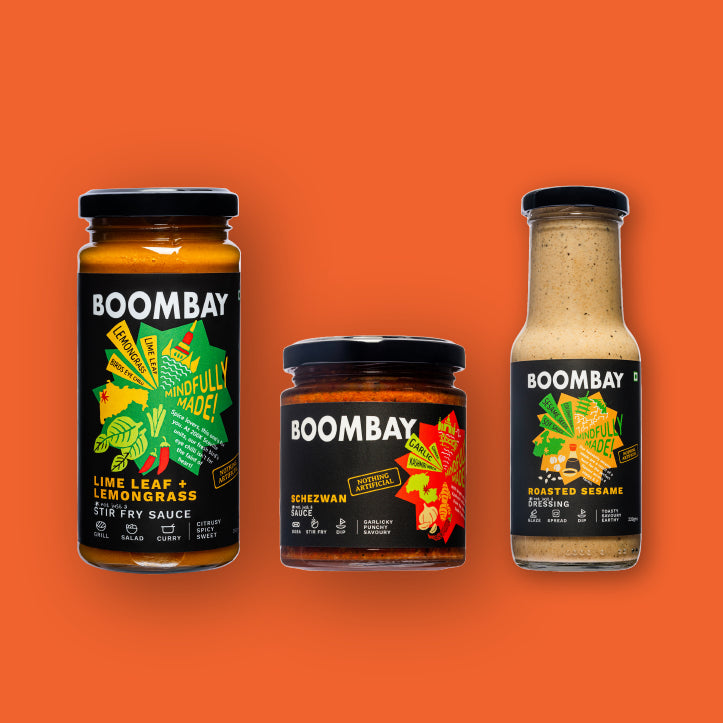
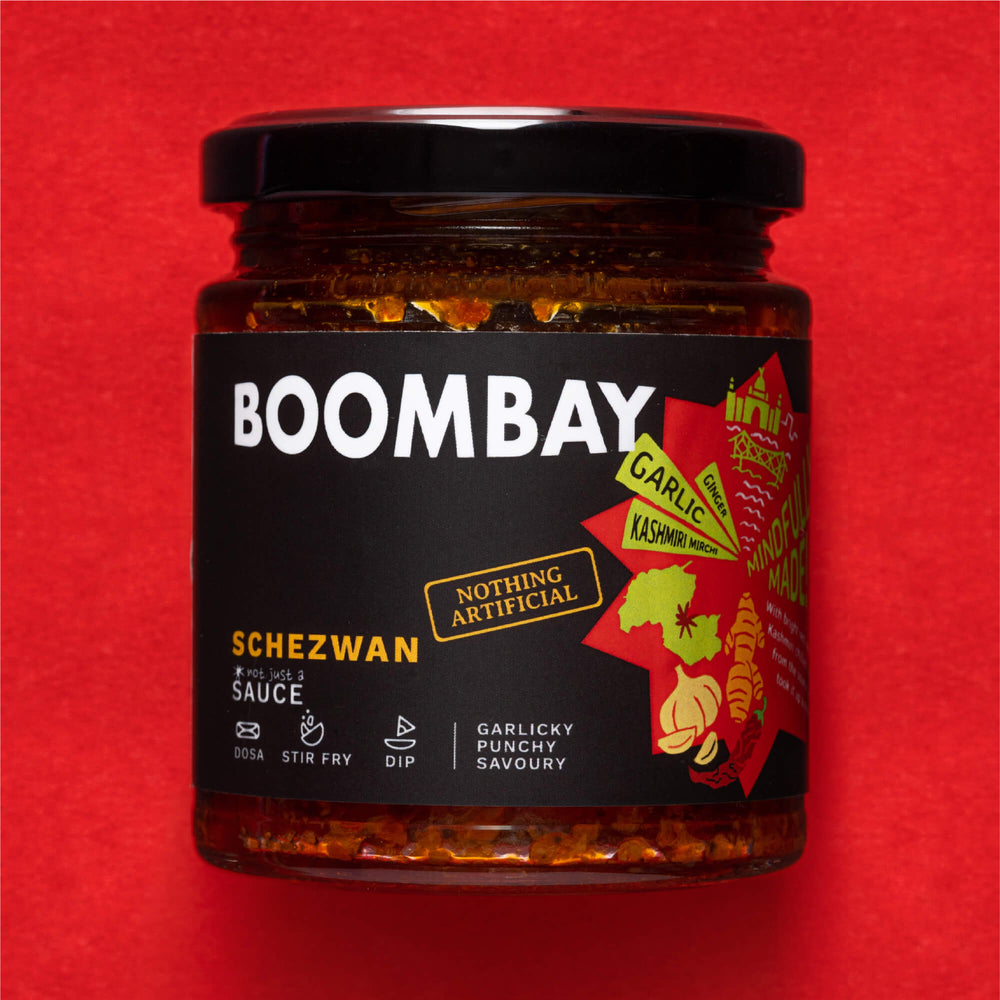
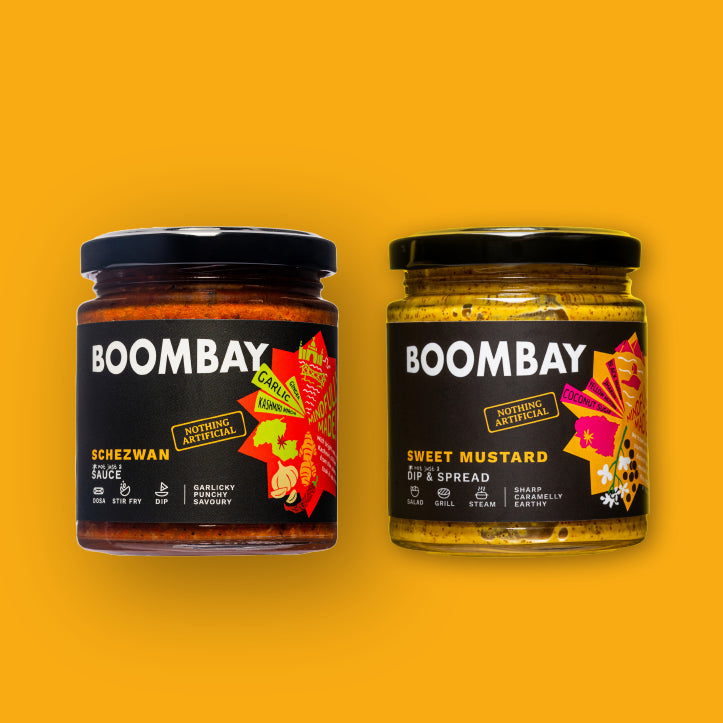
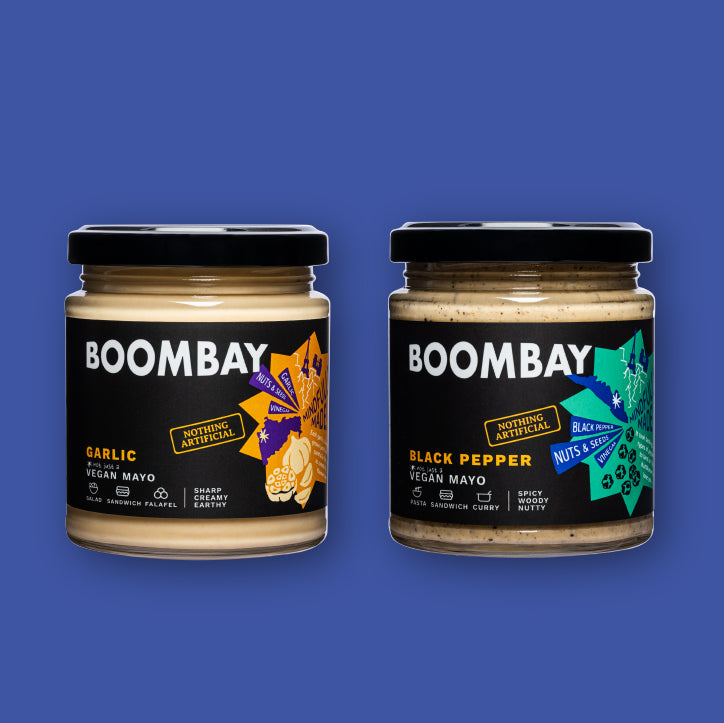
Think dipping gyoza in Schezwan, or Black Pepper Vegan Mayo dolloped on a burger. The sauce is separate. It's your choice how much to use, and it hits taste buds first.
Glaze: Caramelising while cooking
A glaze is a thick, often sweet-savoury liquid you brush onto food during cooking. On a grill, in the oven, or over a stovetop. The heat drives the glaze's sugars to caramelize, creating a sticky, glossy, slightly charred exterior that locks in moisture and builds layers of flavour as it bakes or grills.
Glazes usually contain more sugar than sauces and often use ingredients such as fruit juice, jaggery, or honey to create a glossy finish. In just 10 minutes, a good glaze can turn simple grilled chicken into a restaurant-quality dish.
When to Use Each
Use a marinade when you want flavour inside
Marinate for tenderising and deep seasoning. Timing windows: seafood (15–30 minutes), paneer or tofu (30–90 minutes), chicken (2–6 hours), and tougher beef cuts (overnight).
Pro tip: Salt your protein first. It pulls out moisture so the marinade soaks in faster and binds flavour better. Store in the fridge always.
Use a sauce when you want bold finish
Sauces are your move when you want flavour on the outside, toppings that pack a punch, or a dip you control. Pair spicy sauces with fried snacks (samosas, pakora), tangy sauces with salads, and creamy sauces with wraps and sandwiches. You toss or dip just before eating, so you control the intensity.
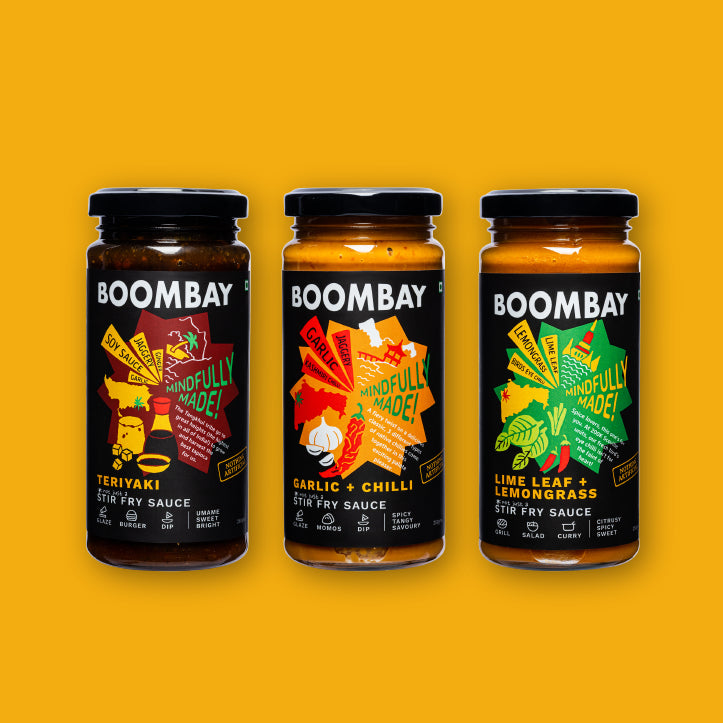
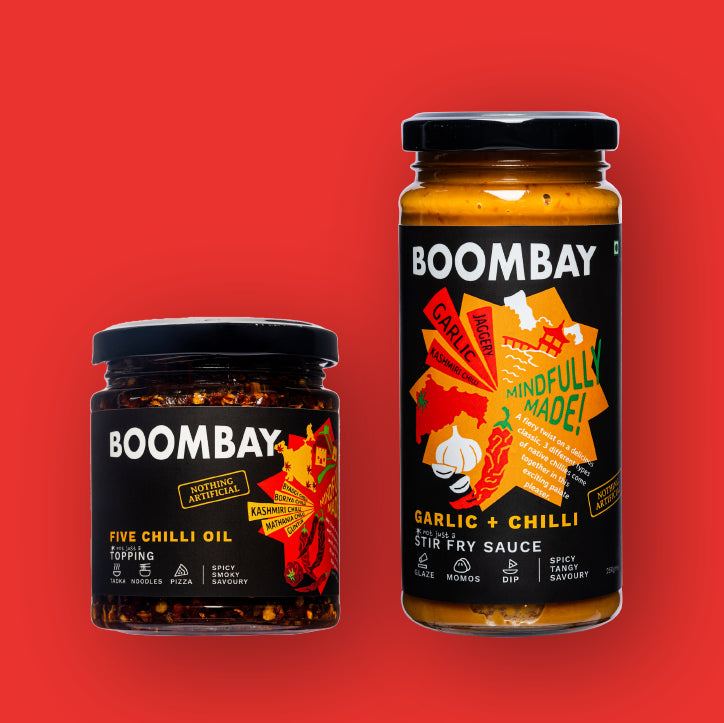
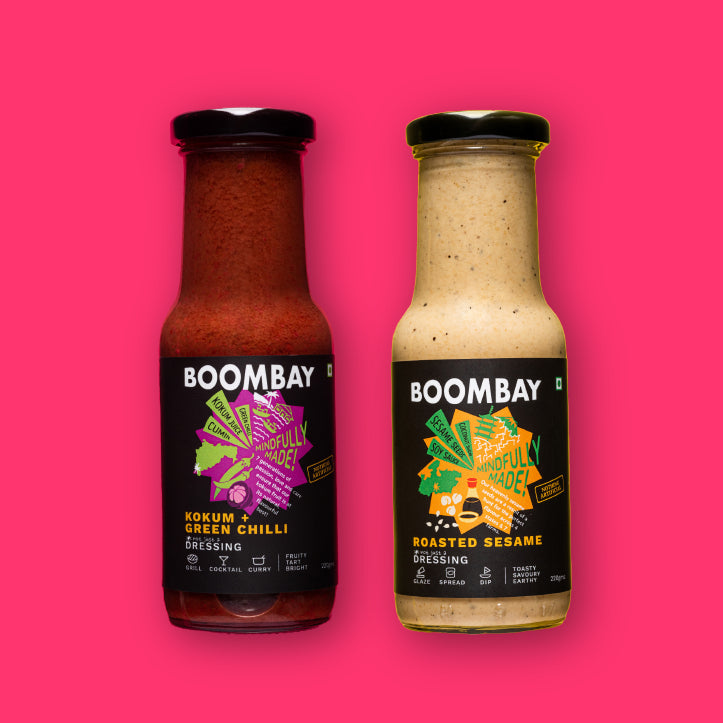
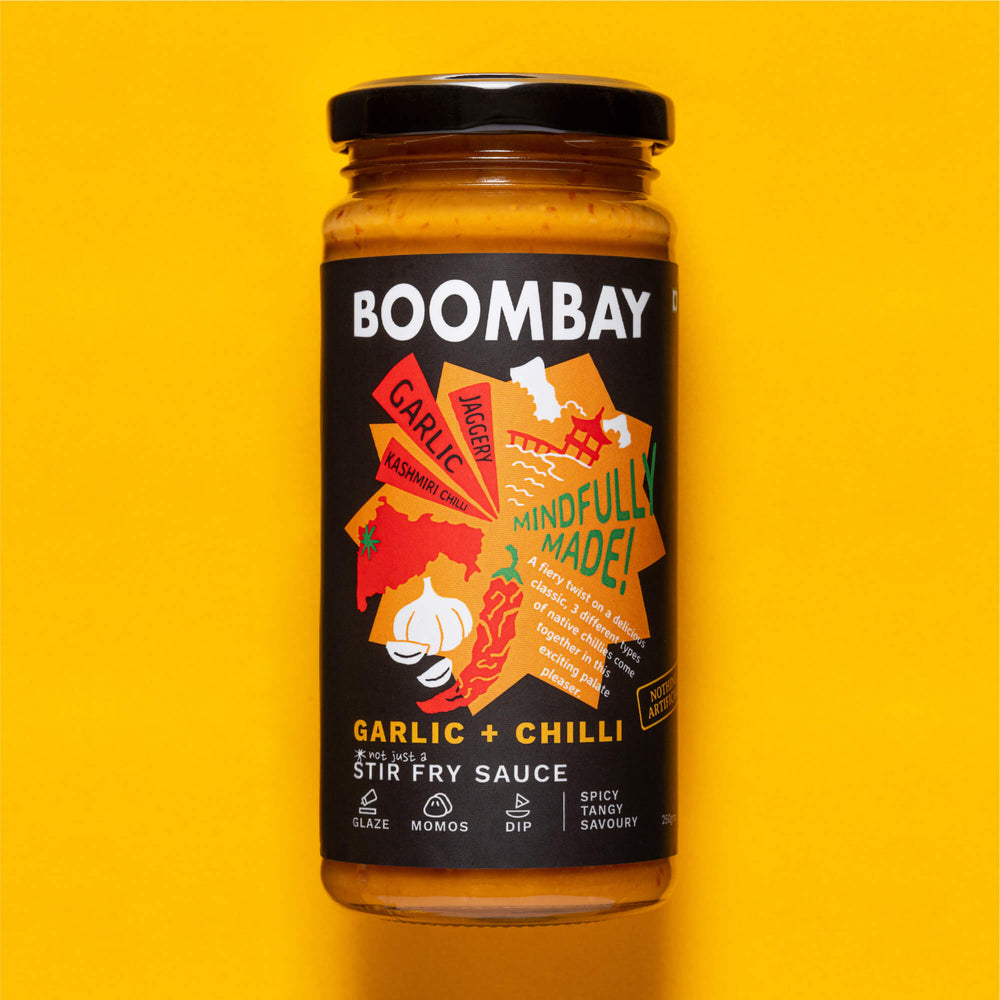
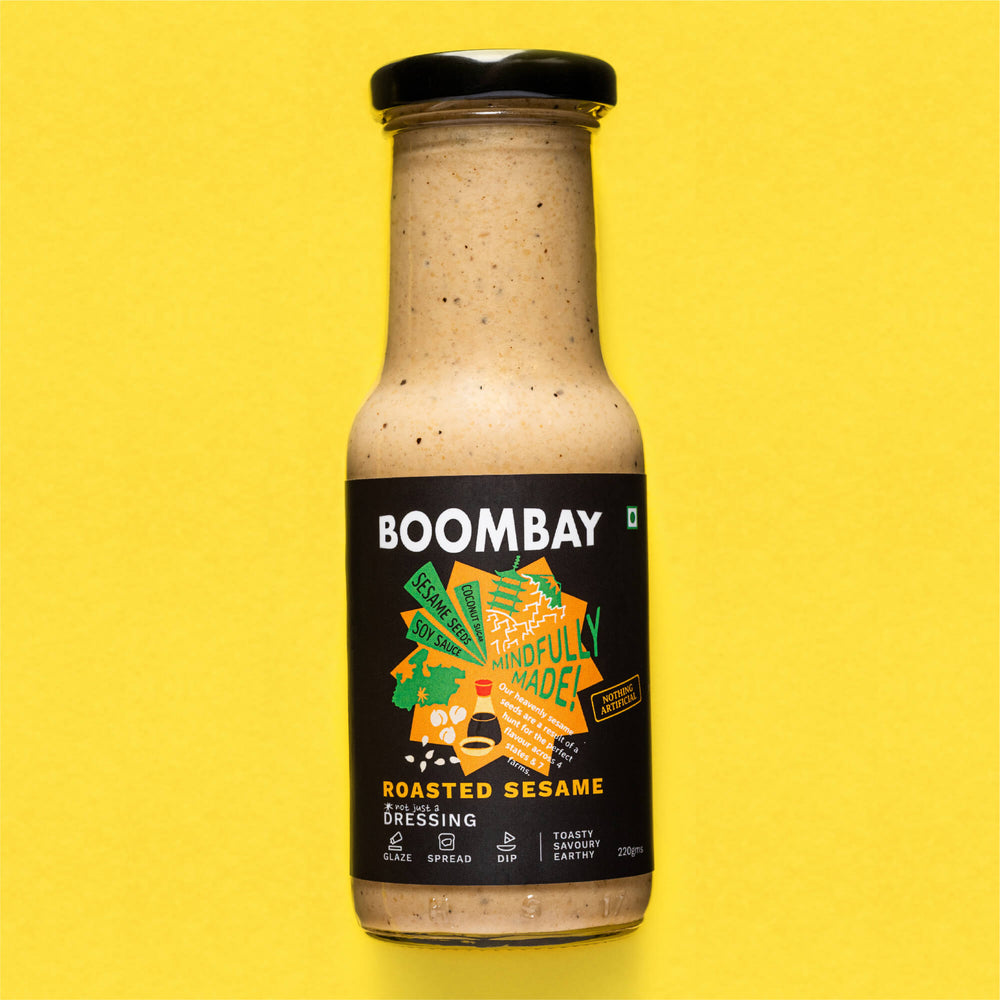
Garlic + Chilli is a reliable sauce for grilled cheese sandwiches or noodles. Roasted Sesame dresses a bowl of greens and avocado toast without drowning them.
Use a glaze when you want caramelised sheen
Glazes shine when you're grilling, roasting, or baking and want a sticky, burnished finish. Brush it on in the last 10–15 minutes of cooking to avoid burning. The sugars need heat to caramelize but not too much heat or they'll char black. Build it up with two or three coats for depth.
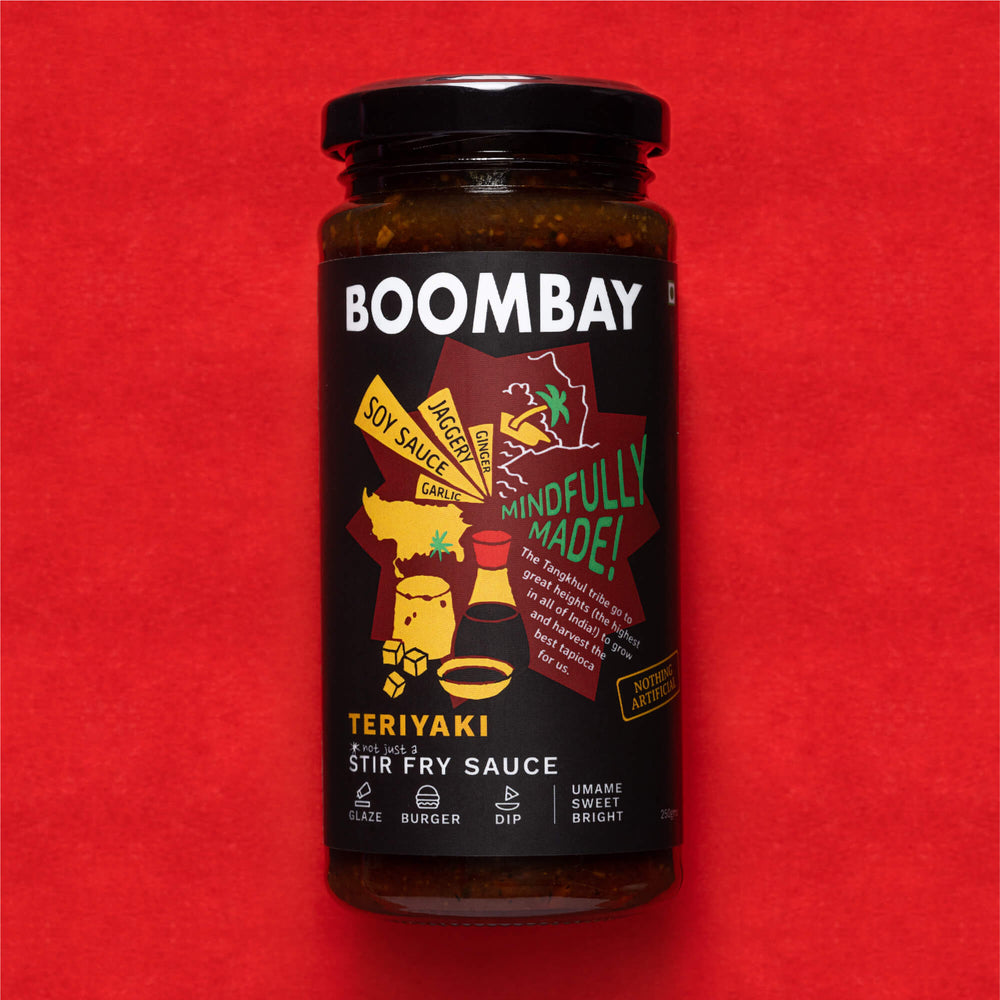
Teriyaki is the gold standard glaze for mushrooms, tofu, and chicken. Korean BBQ glazes beautifully on anything you're grilling. Veg, paneer, or prawns.
Marinade vs Sauce vs Glaze
| Category | Marinade | Sauce | Glaze |
| What it does | Soaks flavour deep into proteins & veg before cooking - tenderises from inside out | Adds bold flavour on the surface after cooking - dipping, drizzling, or stirring through | Builds a sticky, glossy, caramelised outer layer while food cooks under heat |
| When applied | Before cooking | After cooking - at the table or plate | During the last 10–15 min of cooking |
| Key ingredients | Acid (vinegar, citrus, yogurt) + oil + aromatics (garlic, ginger, spices) | Thick base (tomato paste, miso, nut butter) + bold flavourings | Sugar (jaggery, honey, fruit juice) + soy or umami + spices |
| Consistency | Thin & liquid - pourable, coats loosely | Medium to thick - clings to food, coats a spoon | Thick & syrupy - reduces further on heat to a glossy lacquer |
| Best for | Chicken, paneer, tofu, seafood, tougher vegetables | Snacks (samosas, pakora), sandwiches, wraps, noodles, salads | Grilled mushrooms, tofu, chicken, paneer, prawns - anything over high heat |
Three Quick Rules to Remember
If you want flavour inside, marinate. The acid and oil work over time to season deep. Minimum: 15 minutes for seafood, 30 minutes for veg, 2 hours for chicken.
If you want a saucy finish or dip, use a sauce. Sauces sit on top. You control how much, when, and where. Great for snacks, sandwiches, and salads where crunch matters.
If you want caramelised sheen, glaze near the end. Brush on in the last 10–15 minutes of cooking so the sugars caramelize without burning.
Safety note: Discard marinades that have touched raw meat unless you boil them first. If you want to use the same marinade as a sauce later, keep half of it separate in the fridge before it touches anything raw.
Try It in Your Next Bowl
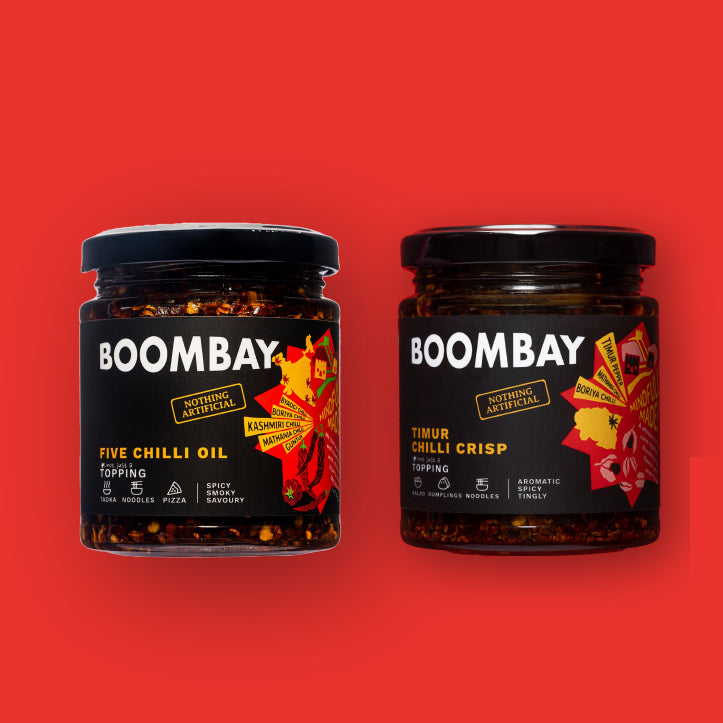
Brush grilled chicken with Korean BBQ in the last five minutes, plate it over rice, and drizzle Timur Chilli Crisp across the top for texture and tingle.
Tried this pairing? Tag @boombayway and show us your result.
FAQs
Q. What's the difference between a marinade and a sauce?
Marinades are pre-cook baths that soak flavour in. Sauces are post-cook condiments that sit on top. A marinade changes the core of the food; a sauce flavours the surface.
Q. Can I use a sauce as a marinade?
Yes, but dilute it slightly. Pre-made sauces can be salty or thick. Thin with coconut vinegar or neutral oil and use for 30–90 minutes on veg or tofu, 2–4 hours on chicken.
Q. How long should I marinate chicken, fish, paneer, and tofu?
Seafood: 15–30 minutes. Paneer or tofu: 30–90 minutes. Chicken: 2–6 hours. Beef (tough cuts): overnight.
Q. When should I brush glaze on meat to avoid burning?
Brush in the last 10–15 minutes of cooking. If your glaze is particularly sweet, start even later or keep heat moderate to prevent charring.
Q. Which ready-made sauces work best as marinades or glazes?
Miso + Ginger and Teriyaki double as both. Thin slightly with oil or vinegar if you're using them as marinades.
Q. Is it safe to reuse marinade as sauce, and how should I treat it first?
Only if it hasn't touched raw meat. If it has, boil it for at least one minute to kill pathogens before using as a sauce or dip.