Dosa on a gas stove feels intuitive. The flame wraps around the tawa, the batter hits the hot surface, and muscle memory takes over. Dosa on an induction cooktop is a different conversation. The flat glass heats differently, the tawa behaves differently, and the first few attempts often produce pale, rubbery crepes that stick stubbornly to the surface. Most people blame the induction. The induction is not the problem.
Crispy dosa without gas is entirely achievable once the right tawa, temperature, and spreading technique come together. Induction actually offers one advantage gas cannot match: consistent, even heat across the entire tawa surface. No hot spots, no cool edges, no flame flickering. Once the settings are dialled in, every dosa comes off the tawa with the same golden crunch.
Choosing the Right Dosa Tawa for Induction
The tawa makes or breaks the dosa on the induction stove. Not every tawa works, and the wrong choice guarantees frustration.
Cast iron is the gold standard. A flat, pre-seasoned cast iron dosa tawa for induction sits flush on the glass surface, heats evenly, and retains temperature beautifully. The heavy base means the tawa does not lose heat when cold batter is poured on, which is exactly what creates that instant sizzle and crispiness. Cast iron also develops a natural non-stick patina over time that improves with every use.
Triply stainless steel tawas (three layers of steel and aluminium bonded together) are the modern alternative. Lighter than cast iron, faster to heat, and induction-compatible out of the box. The heat distribution is excellent, though the surface needs a thin oil layer to prevent sticking.
Avoid non-stick tawas for dosa. The coating prevents the batter from gripping properly, producing soft, pale dosas instead of crispy ones. Aluminium tawas without a magnetic base will not work on induction at all. A 28cm to 30cm tawa is ideal. Anything smaller restricts the batter spread; anything larger may not heat evenly beyond the induction coil.
Step-by-Step: Crispy Dosa on Induction
Follow these steps in order, and the results will match anything a gas stove produces.
Step 1: Preheat the Tawa Properly
Place the tawa on the induction and set it to medium heat (around 1200W to 1400W on a 2000W cooktop). Let it heat for 3 to 4 minutes. Sprinkle a few drops of water on the surface. If the water sizzles and evaporates within a second, the tawa is ready. If the water sits and takes time to evaporate, give it another minute.
Step 2: Season the Surface
Rub a halved onion dipped in oil across the hot tawa surface. This creates a thin, even oil layer and conditions the surface for the batter. Wipe with a cloth or paper towel until only a barely visible sheen remains. Too much oil makes the batter slide around. Too little makes it stick.
Step 3: Pour and Spread the Batter
Reduce the heat to medium-low (around 900W to 1000W) just before pouring. Ladle batter onto the centre of the tawa and spread outward in quick, concentric circles using the back of the ladle. The spreading needs to happen in one smooth motion. Hesitation or going back over the same spot tears the dosa.
Step 4: Increase the Heat
Once the batter is spread, bump the heat back up to medium-high (1400W to 1600W). Drizzle a thin line of oil or ghee around the edges and a few drops on the surface. The edges should start lifting within a minute.
Step 5: Wait for the Colour
Do not flip the dosa. A proper crispy dosa cooks on one side only. Watch the edges. When they turn golden and start curling away from the tawa, the underside is ready. The surface should look dry and set, with small holes visible in the batter.
Step 6: Fold and Serve
Slide a flat spatula under the dosa and fold in half or roll into a tube. The whole process from pour to plate should take about 2 to 3 minutes per dosa.
Between Dosas
Wipe the tawa with the oiled onion half before each new dosa. Reduce the heat to medium-low before pouring the next batch of batter, then increase it again after spreading. This heat cycling is the rhythm that produces consistently crispy results.
Common Mistakes and Fixes
- Dosa sticking to the tawa: The tawa is either not hot enough or has too little oil. Preheat longer and season with the onion method.
- Pale, soft dosa: The heat is too low during cooking. Increase the wattage after spreading the batter.
- Batter not spreading evenly: The tawa may be too hot when the batter hits. Reduce the heat slightly before pouring, then increase it after spreading.
- Centre cooking faster than edges: The tawa is smaller than the induction coil, concentrating heat in the middle. Match tawa size to coil diameter.
South Indian Breakfast on Induction: Beyond Plain Dosa
The same tawa and technique work for masala dosa (fill with spiced potato before folding), rava dosa (thin semolina batter poured in a scattered pattern), and uttapam (thicker batter topped with onions, tomatoes, and chillies).
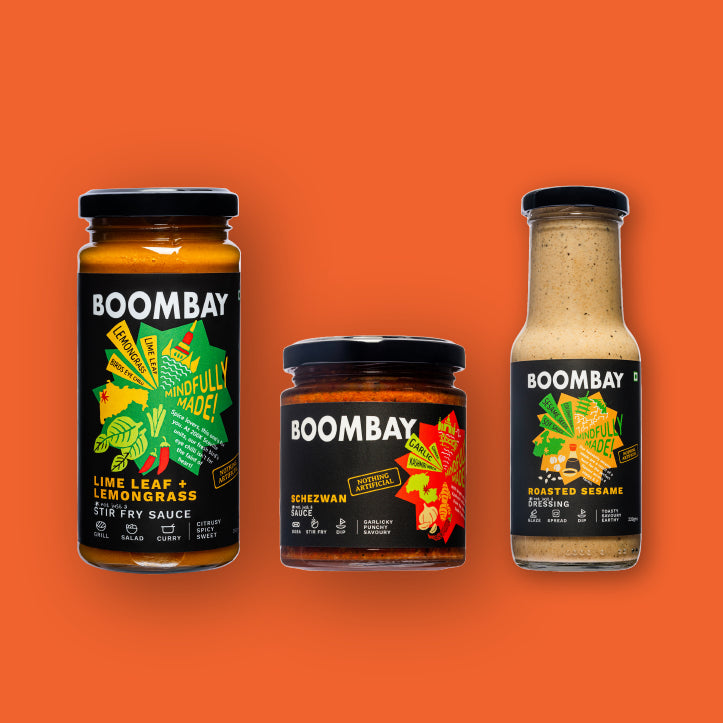
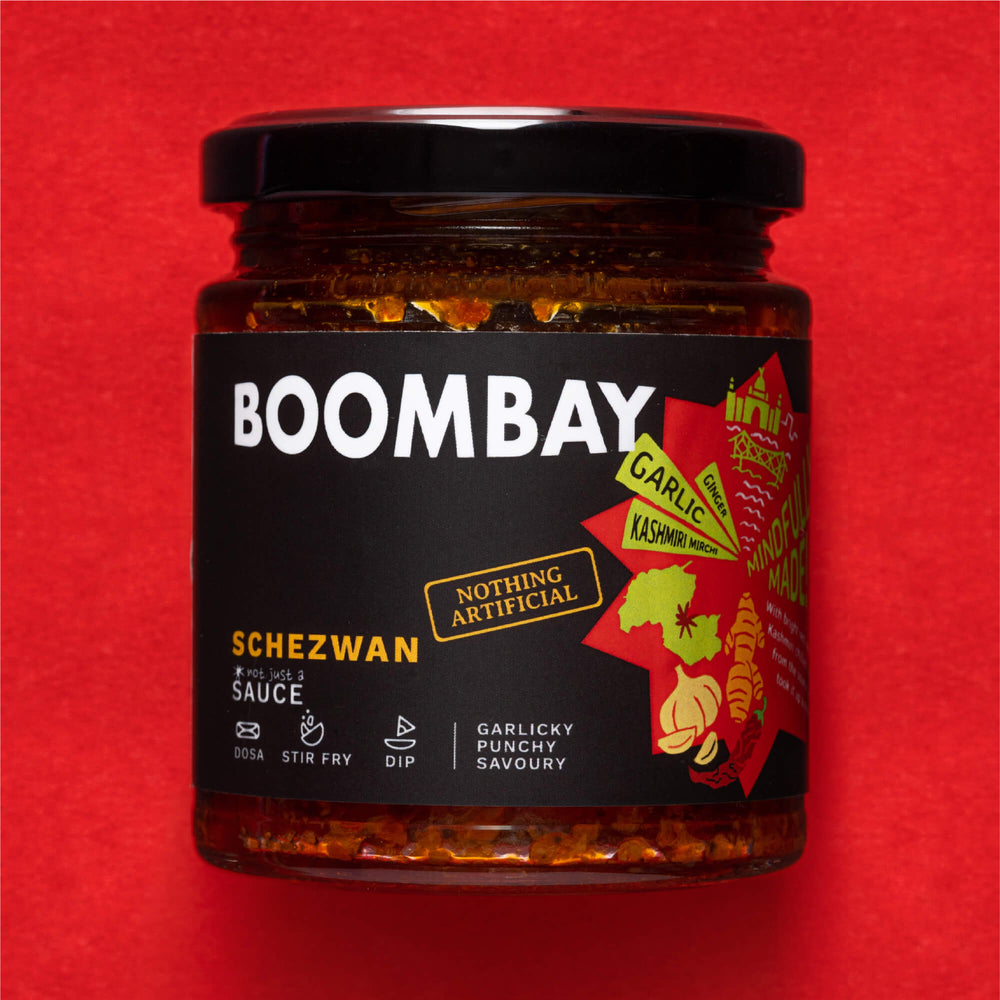
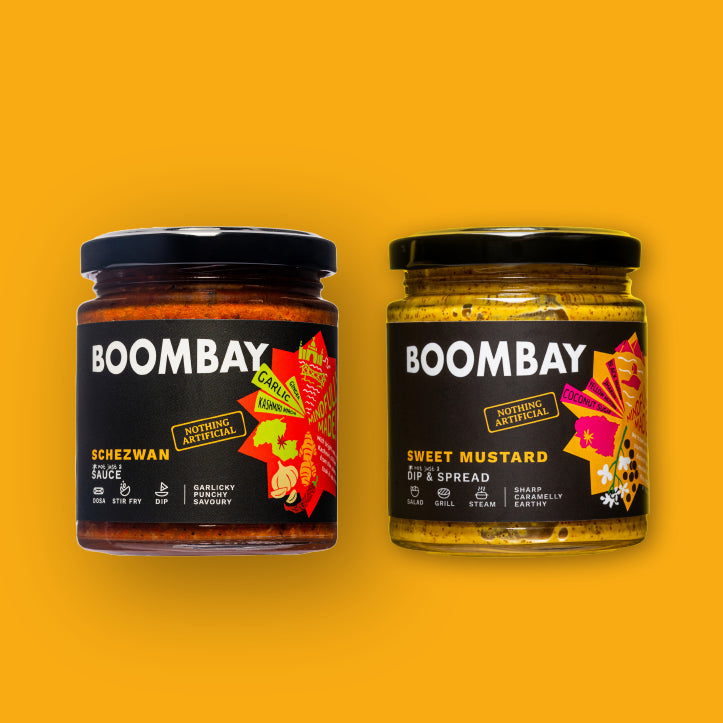
For accompaniments beyond coconut chutney, you can also use the Schezwan Sauce to make an appetising Schezwan dosa.
A good dosa tawa, the right induction settings, and a few sauces that match the meal are all it takes to make South Indian breakfast on induction a genuine daily pleasure. Shop the collection and bring the full spread to your induction kitchen.
Frequently Asked Questions
Q. Can I make dosa on any induction cooktop?
Yes, as long as the cooktop supports temperature adjustment and the tawa is induction-compatible (cast iron or triply stainless steel with a magnetic base).
Q. Why does my dosa stick to the cast-iron tawa on induction?
The tawa likely needs better seasoning. Cook with oil a few times before making dosa, and always rub with a halved onion before each pour.
Q. What wattage setting is best for dosa on induction?
Preheat and cook at medium (1200W to 1400W). Reduce to 900W to 1000W before pouring batter, then increase to 1400W to 1600W after spreading.
Q. Do I need a special dosa tawa for induction?
Any flat-bottomed cast iron or triply stainless steel tawa works. The key requirement is a magnetic base and a flat surface that sits flush on the cooktop.
Q. Can I make rava dosa on induction?
Yes. Rava dosa actually works well on induction because the thin batter needs consistent, even heat. Pour the batter in a scattered pattern rather than spreading with a ladle.