The induction cooktop handles rice, dal, and stir-fries without complaint. But the moment someone mentions deep frying, the doubts surface. Can you deep fry on induction without the oil overheating? Will pakoras turn out right without a gas flame? What about pooris that need to puff up in seconds?
Deep frying on an induction stove works brilliantly, and in some ways better than gas. Precise temperature control keeps oil steady instead of spiking and dropping. No open flame means no risk of oil catching fire. The flat surface keeps a heavy kadhai stable. Follow these steps, and the results speak for themselves.
Step-by-Step Guide to Deep Frying on Induction
Follow these eight steps in order, and you will get golden, crispy results every single time, regardless of whether you are frying pakoras, samosas, or pooris.
Step 1: Pick the Right Vessel
A flat-bottomed kadhai is non-negotiable. Round-bottomed kadhais sit unevenly on the glass surface, heat poorly, and create a tipping hazard. A flat-bottomed stainless steel or cast-iron kadhai sits flush and stays firmly in place. Cast iron is ideal because its heavy base retains heat and recovers temperature quickly after food goes in, which is what keeps fried food crispy instead of greasy. Avoid non-stick vessels as most coatings degrade at deep frying temperatures.
Step 2: Add Oil (But Not Too Much)
Pour oil into the kadhai, filling it no more than halfway. Hot oil expands and bubbles vigorously when food is dropped in. Overfilling risks spills onto the glass surface. For a standard home kadhai, 500ml to 750ml of oil is usually enough for most snacks.
Step 3: Heat the Oil Gradually
Use the dedicated frying preset if your cooktop has one. It typically holds a temperature of around 170°C to 180°C, which is the ideal range for Indian deep-fried snacks. If there is no preset, set the power to medium-high (around 1400W to 1600W on a 2000W cooktop). Let the oil heat for 3 to 4 minutes. Never start on maximum power, as induction heats faster than gas and oil can overshoot quickly.
Step 4: Test Before You Drop
Place a small piece of dough or a drop of batter into the oil. If it sinks and stays at the bottom, the oil is too cold. If it browns immediately on contact, too hot. The piece should sink slightly, then rise to the surface within 2 to 3 seconds with gentle bubbling. That is the right temperature.
Step 5: Fry in Small Batches
Drop food in one piece at a time, spacing evenly. Three to four pieces per batch for pakoras, two samosas, or one poori at a time. Crowding the kadhai drops the oil temperature sharply and produces soggy results. Leave space for each piece to float and turn freely.
Step 6: Reduce Heat After the First Batch
Once the first batch goes in, lower the power by one or two notches. Induction maintains heat efficiently, so the oil stays hot even at reduced settings. This prevents the temperature from climbing too high between batches.
Step 7: Turn Carefully, Remove Promptly
Use a long-handled slotted spoon to flip food once the underside turns golden. Drain on a wire rack or paper towels the moment both sides are evenly coloured. Leaving food in the oil even 30 seconds too long results in over-browned, greasy snacks.
Step 8: Clean Up After Cooling
Switch off the cooktop but let the internal fan run until it stops on its own. Allow the oil and glass surface to cool completely before wiping. Clean the surface with a damp cloth once cool.
Eight steps, one kadhai, and suddenly deep frying on induction feels as natural as boiling chai.
Safety Rules to Remember
Here are some safety tips to consider.
- Never leave hot oil unattended on an active cooktop
- Keep a lid nearby to smother the oil if it starts smoking excessively
- Use long-handled utensils to keep your hands away from the oil surface
- Wipe spills only after the surface has cooled completely
- Pat food dry before frying, as moisture causes violent splattering
Recipe Ideas to Try
With the technique sorted, these three classics are the perfect place to start.
Pakora on Induction
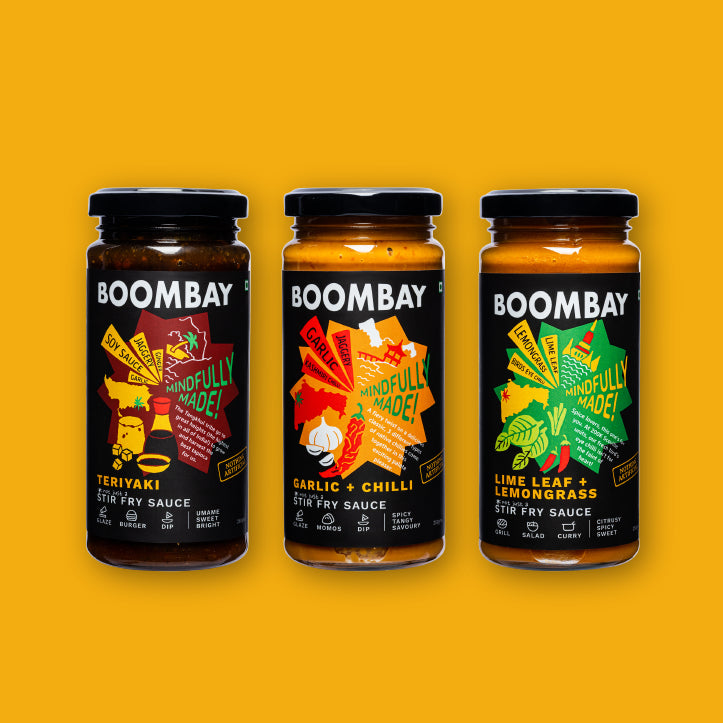
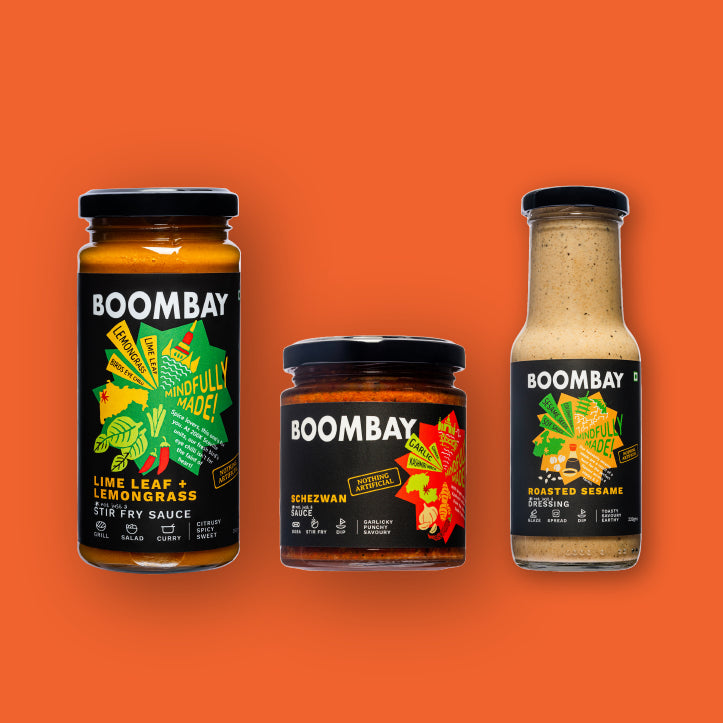
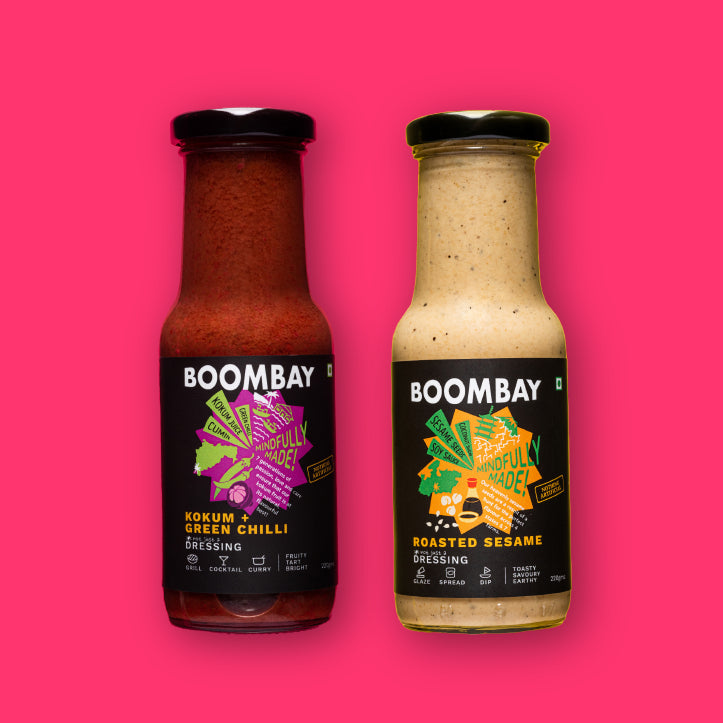
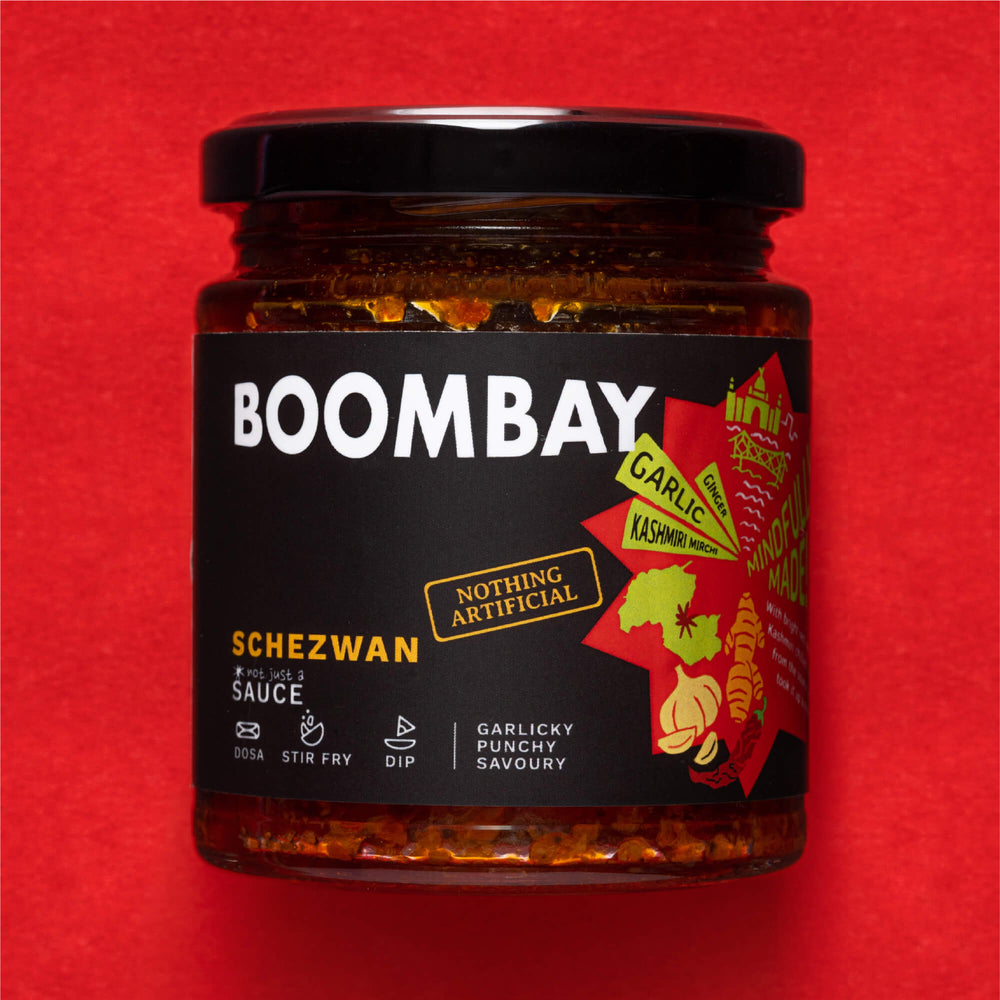
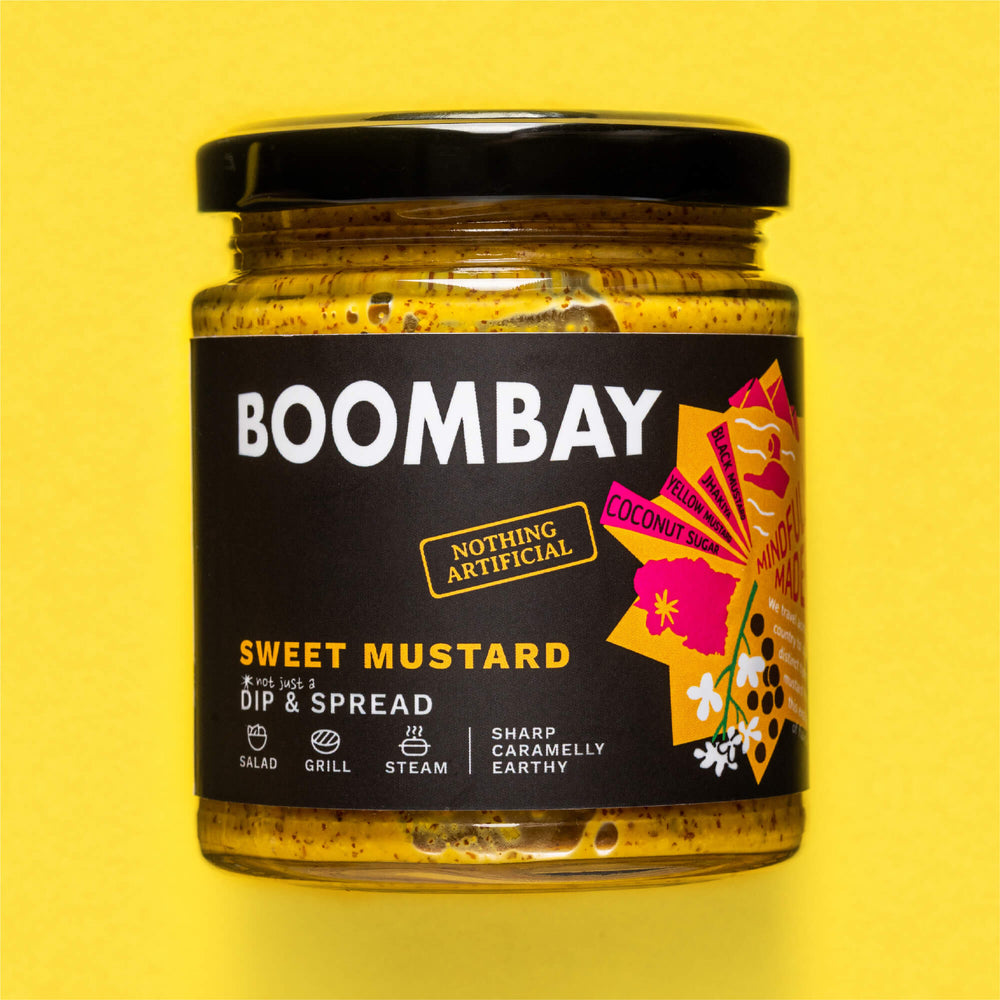
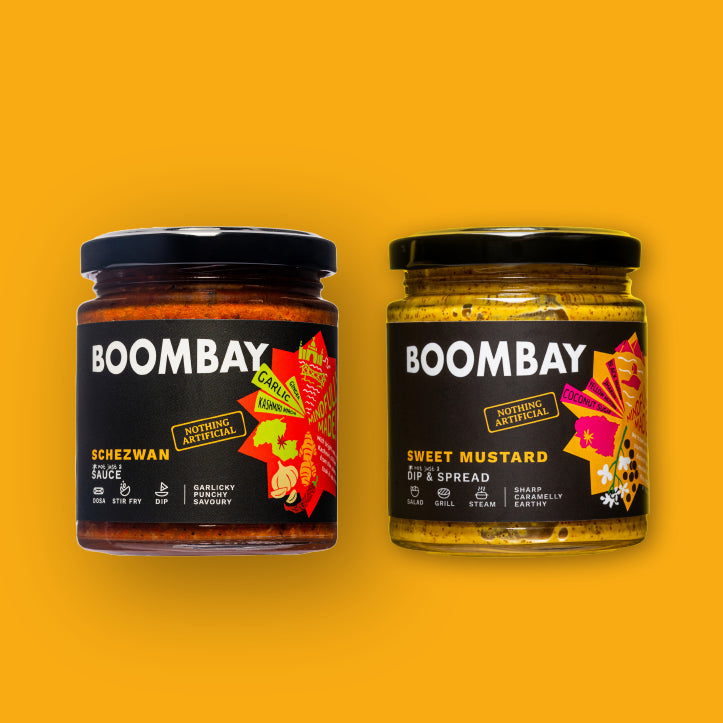
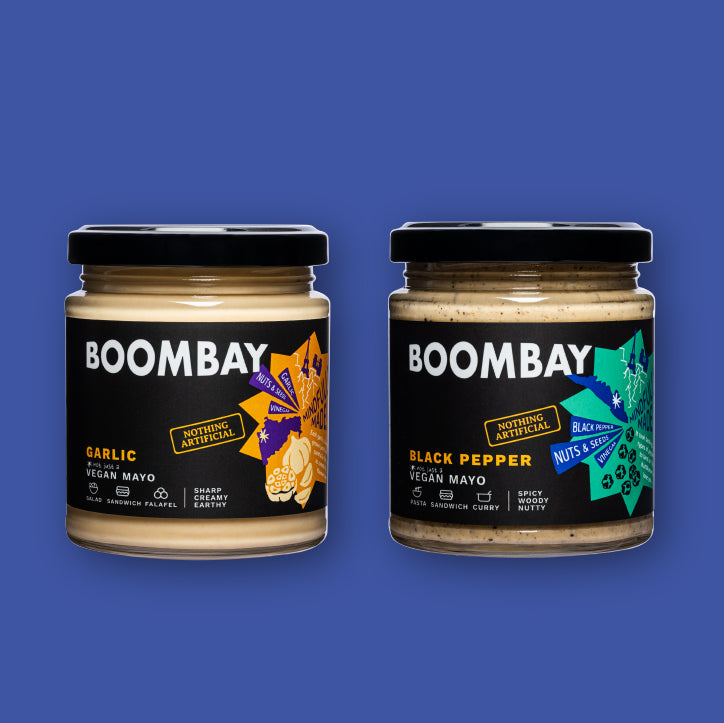
The most forgiving snack to begin with. Mix besan with water, salt, turmeric, red chilli powder, ajwain, and a pinch of baking soda. Fold in sliced onions or spinach. Fry at 170°C for 3 to 4 minutes, turning once, until golden. Serve with Sweet Mustard. Three distinct types of mustard are carefully ground and dusted with coconut sugar; the tangy sweetness cuts through the richness of fresh pakoras perfectly. For a spicier kick, Schezwan sauce on the side adds layers of flavour.
Samosa on Induction
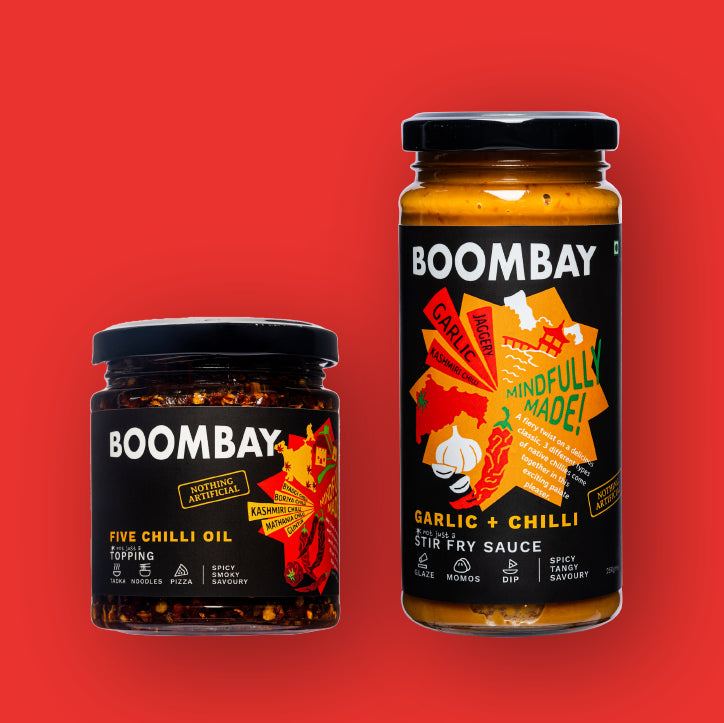
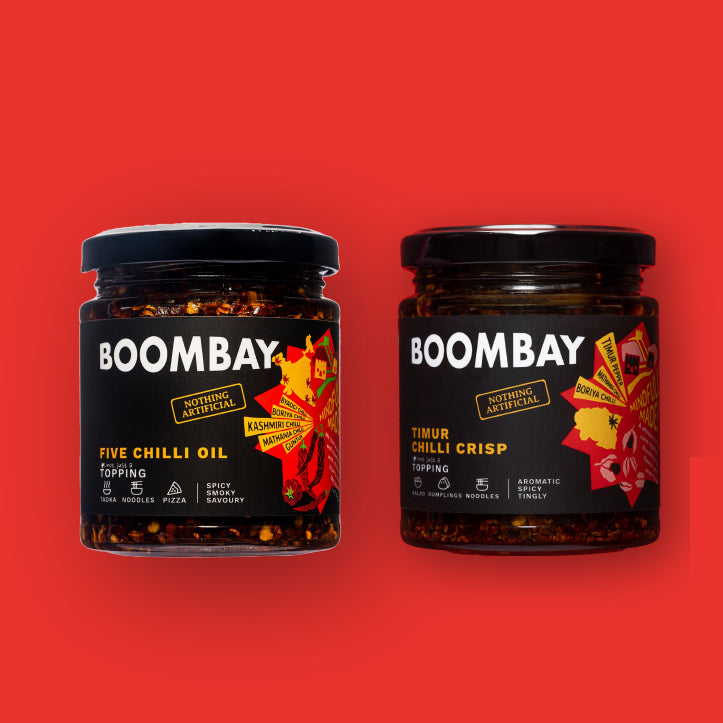
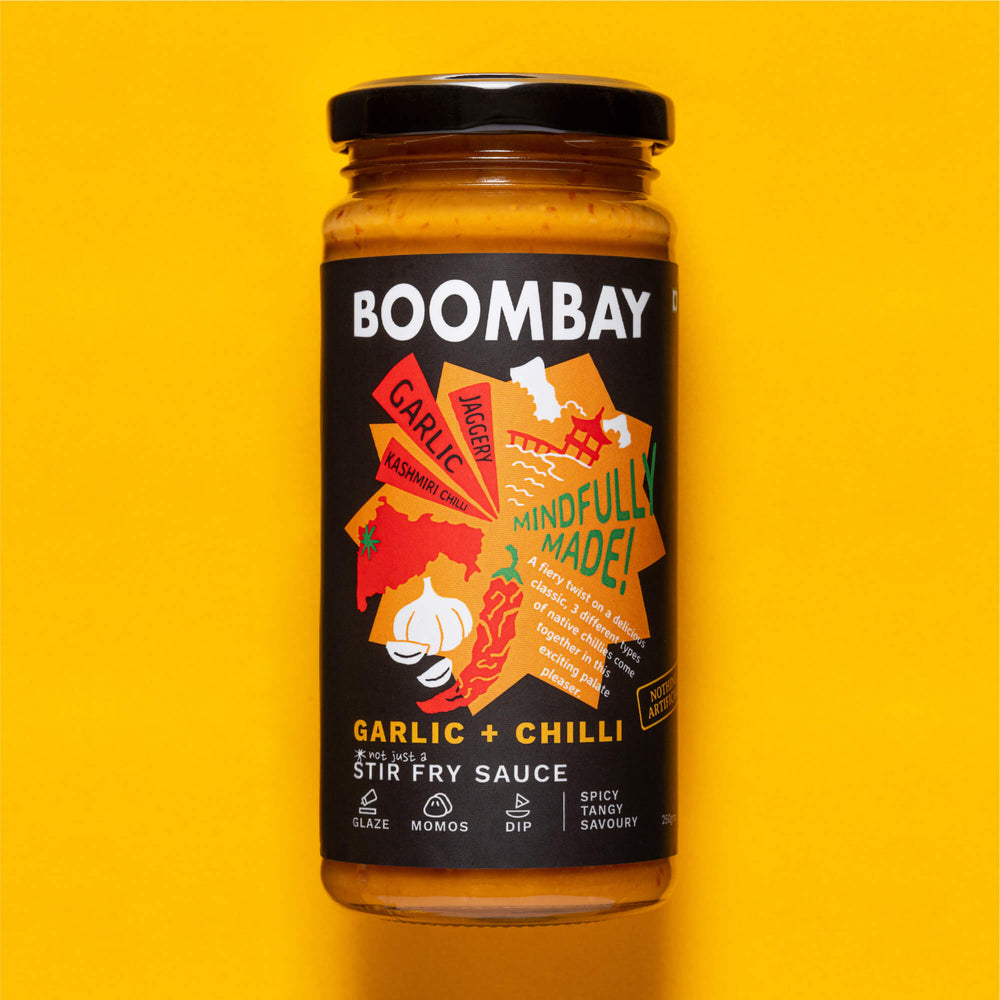
Samosas need lower heat and patience. Set the induction to medium (1200W to 1400W). Slide samosas seam-side down, do not touch for the first minute. Fry for 8 to 10 minutes total, turning occasionally, until uniformly golden and flaky. Pair with Garlic Chilli for a tangy, creamy contrast, or crush into a chaat topped with Timur Chilli Crisp for crunch and citrusy warmth.
Poori on Induction
Pooris need higher heat and speed. Roll small dough balls into thin circles. The oil should be hot enough that a dough scrap rises immediately with vigorous bubbling. Slide one poori at a time, press gently with a slotted spoon to encourage puffing. Flip once, fry for another 10 seconds. Bump the power up slightly after every 3 to 4 pooris if puffing slows down.
Stock the kitchen with dips and sauces that turn frying day into a proper spread. Shop the collection and make every batch worth the effort.
Frequently Asked Questions
Q. Will deep frying damage my induction cooktop?
No, as long as you use a flat-bottomed, induction-compatible vessel and clean oil spills after the surface cools.
Q. What oil is best for deep frying on induction?
Oils with a high smoke point: sunflower, groundnut, and refined mustard oil are all reliable choices for Indian snacks.
Q. Can I reuse oil after deep frying on an induction cooktop?
Generally it is considered best to not reuse oil.
Q. Why are my pakoras not crispy on induction?
The oil is likely too cold, or the pan is overcrowded. Fry in small batches and let oil recover between rounds. A pinch of baking soda in the batter also helps.
Q. Is deep frying on induction safer than on gas?
Generally yes. No open flame eliminates oil fire risk. Temperature control is more precise. The flat surface keeps the vessel stable.