You've been there. Pan gets hot, oil starts billowing smoke, and the kitchen fills with that burnt, acrid smell. That's your cue that something just broke down, and it's not in a good way.
Every cooking fat, whether it's butter, ghee, or oil, has a smoke point: the temperature at which it stops shimmering and starts sending up serious smoke signals.
But here's what matters: when oil smokes past its limit, it doesn't just smell bad. It breaks down and releases compounds like acrolein. That's the chemical that makes burnt food taste bitter and acrid.
For high-heat roasting, you need an oil that can take the heat without quitting on you.
Why Does Oil Origin Matter? (The Refinement Story)
Not all oils are built the same. The way an oil is made changes what it can handle.
Cold-pressed or virgin oils are pressed mechanically and bottled right after. They keep their flavour, colour, and all their delicate compounds. But those same compounds that make them taste amazing? They don't play well with heat. They're prone to breaking down.
If you want to roast at high temperatures with cold-pressed oil, avocado oil is really your only choice. Ghee works too, though it doesn't taste quite as good in a roast. The options for high-heat cooking with quality oils are very, very limited.
Refined oils exist because manufacturers use industrial processes like bleaching, filtering, and high-temperature heating to strip out those heat-sensitive compounds. What's left is a neutral-flavoured oil with a higher smoke point. But these oils are also stripped of the very elements that make quality oils worthwhile in the first place.
The Oil Smoke Point Chart: What Roasts Best
Here's the breakdown of common cooking oils and their smoke points. For high-heat roasting, aim for 400°F (205°C) and above.
| Oil Type | Smoke Point | High-Heat Roasting? | Flavour |
|---|---|---|---|
| Avocado Oil | 520°F / 271°C | ✓ Excellent | Neutral, mild buttery |
| Refined Safflower Oil | 510°F / 266°C | ✓ Excellent | Neutral |
| Rice Bran Oil | 490°F / 254°C | ✓ Very Good | Neutral, mild |
| Ghee | 485°F / 252°C | ✓ Very Good | Rich, nutty |
| Extra Light Olive Oil | 468°F / 242°C | ✓ Good | Neutral, mild |
| Refined Peanut Oil | 450°F / 232°C | ✓ Good | Neutral, subtle nuttiness |
| Refined Corn Oil | 450°F / 232°C | ✓ Good | Neutral |
| Palm Oil | 450°F / 232°C | ✓ Good | Neutral |
| Sesame Oil (Refined) | 410°F / 210°C | Moderate | Neutral |
| Coconut Oil | 350°F / 177°C | ✗ Not recommended | Coconut (subtle if refined) |
| Butter | 350°F / 177°C | ✗ Not recommended | Rich, creamy |
| Cold-Pressed Sesame Oil | 350°F / 177°C | ✗ Not recommended | Nutty, toasted |
| Extra Virgin Olive Oil | 320°F / 160°C | ✗ Not recommended | Bold, grassy, peppery |
Pick Your Oil by What You're Roasting
For Vegetables (Crispy & Caramelised)
You want colour, not burn. Avocado oil is your MVP here. It's got the smoke point to get your carrots, Brussels sprouts, and peppers blistered without the bitter taste, and it's neutral enough to let the vegetable flavour shine.
For Proteins (Chicken, Fish, Tofu)
Avocado oil or ghee are your best bets. Both have smoke points high enough to handle the heat needed for golden, crispy skin on chicken or a nice sear on fish. Ghee brings a subtle richness that complements poultry especially well.
For Asian-Inspired Roasts
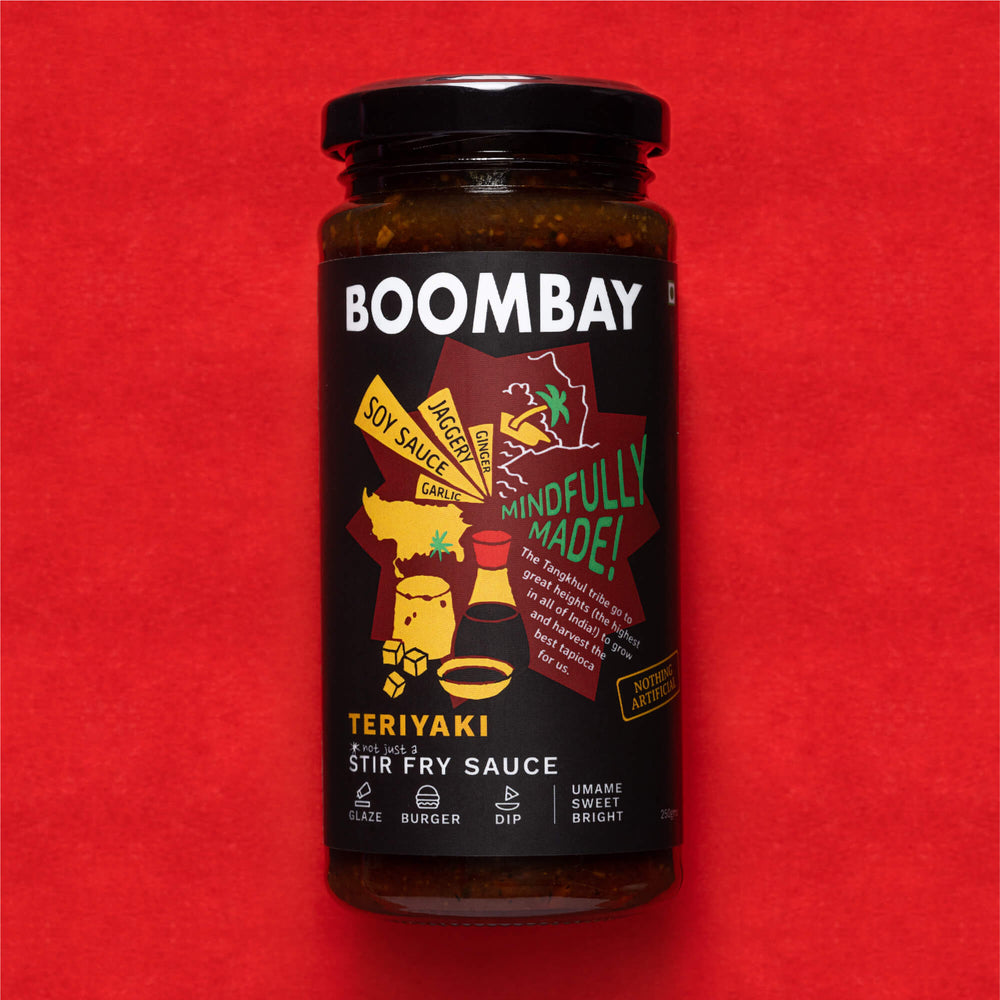
Cold-pressed sesame oil has a smoke point around 350°F, too low for high-heat roasting. Use avocado oil for the roast itself. Then, once your food comes out of the oven while still hot, drizzle with Miso + Ginger Stir Fry Sauce or Teriyaki Stir Fry Sauce for that umami depth you're after.
For Indian & Coastal Cooking
Ghee handles high heat while adding a subtle, nutty richness to vegetables, paneer, or seafood. It's been used in Indian cooking for centuries for good reason.
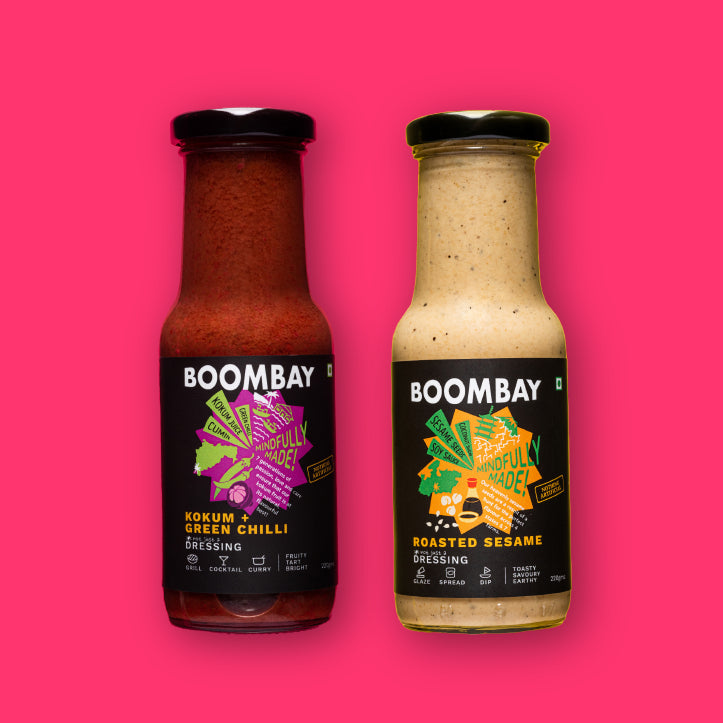
For grilled or roasted vegetables with an Indian twist, finish with Kokum + Green Chilli dressing after the roast comes out. The coastal tang cuts through the richness and adds brightness.
A Note on Sauces and Heat
Most quality sauces aren’t designed for high-heat roasting. If the temperature goes above 160°F, many sauces will begin to smoke or lose their integrity. The cold-pressed oils, jaggery, and real ingredients in well-made sauces are what give them depth and character, but those same components are sensitive to prolonged high heat.
While it is possible to design a sauce for higher temperatures by using more heat-stable oils, that approach changes the formulation and often the nutritional profile. For sauces built around minimally processed ingredients, high-heat roasting isn’t their intended use.
Instead of adding sauces during the roast, drizzle them on once your food is out of the oven but still hot. The residual heat will gently warm the sauce and help it meld beautifully with your roast without smoking or breaking down.
Three Oil Rules (So Your Smoke Point Doesn't Drop)
Light, heat, water, and air are the enemies of cooking oils. After an oil is used for high heat cooking, its smoke point decreases and it breaks down faster. So:
1. Store in a cool, dark place. Never above the stove. Keep your oils in a sealed container, away from direct sunlight. If they come in a clear bottle, wrap them in foil to extend shelf life.
2. Don't reuse oil endlessly. If your oil has smoked, it's been damaged. Reusing it will lower the smoke point further. Start fresh for best results.
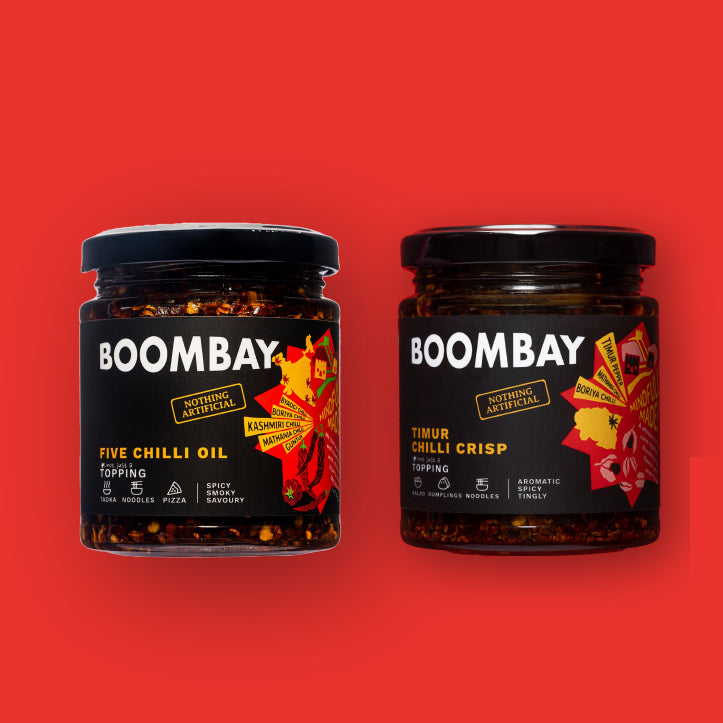
3. For finishing sauces, shake well and use as-is. If you're using Five Chilli Oil or Timur Chilli Crisp as a finishing drizzle, shake the bottle first. Use them straight from the bottle for maximum flavour.
The Roasting Formula That Actually Works
Here's the no-fuss template.
1. Prep. Cut vegetables or protein to similar sizes. Dry them well. Moisture equals steam, not roast.
2. Oil and season. Toss with a high-smoke-point oil (avocado oil is your safest bet). Add sea salt and black pepper.
3. Roast hot. 400–425°F for vegetables, 425–450°F for proteins. Don't fiddle for the first 15 minutes.
The Bottom Line
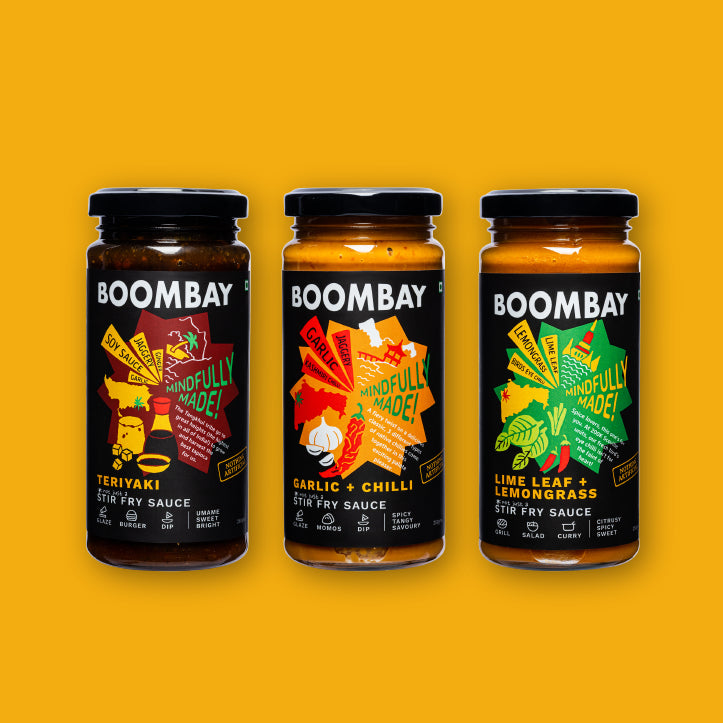
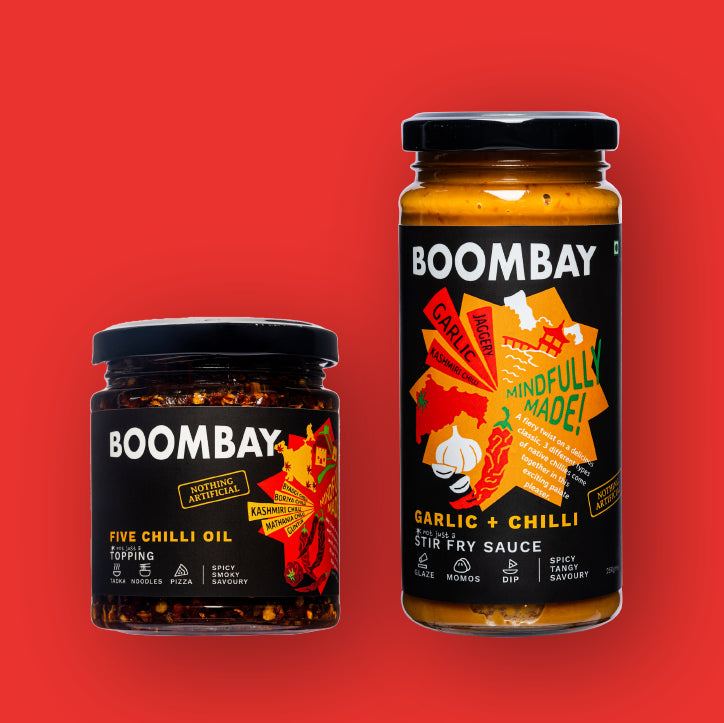
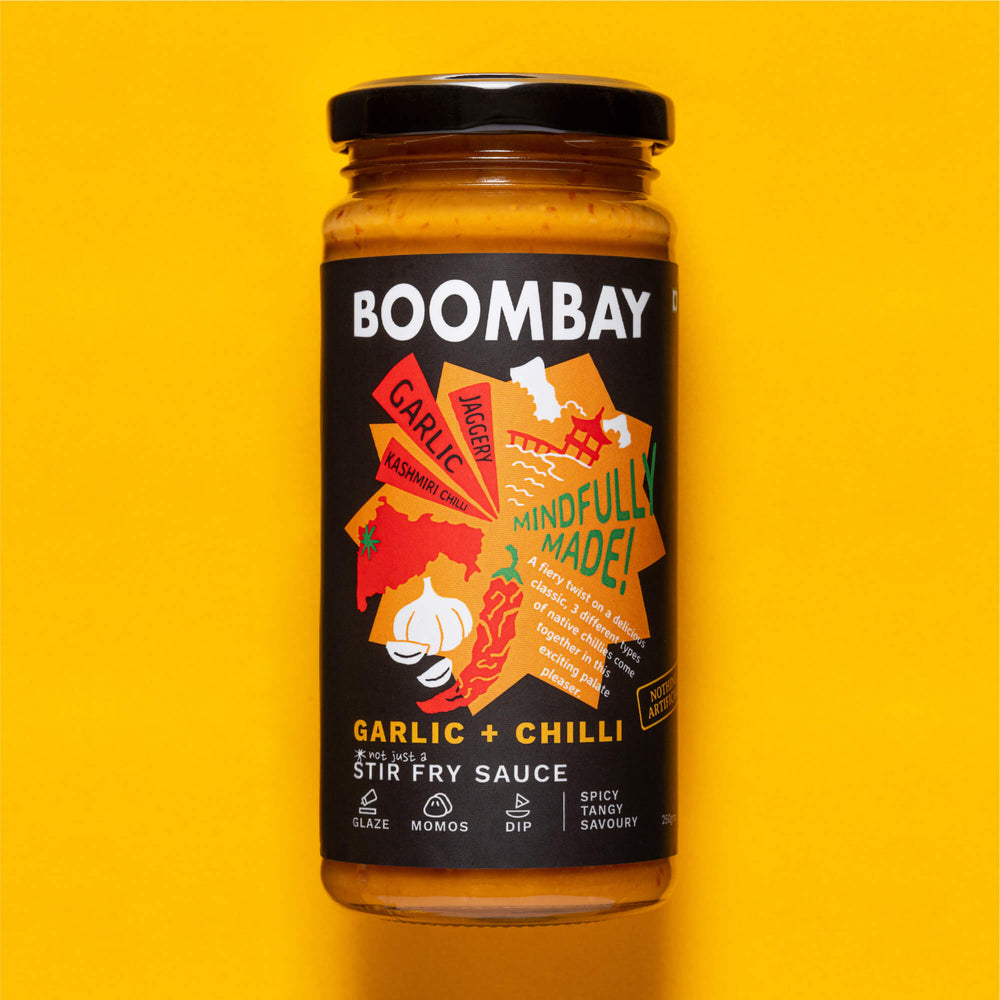
Pick your oil for high-heat cooking based on smoke point first. Avocado oil is your champion for cold-pressed options. Ghee works well too. Then add flavour after roasting with a sauce or topping that makes your roast sing. Garlic + Chilli for spice, Teriyaki for umami, Five Chilli Oil for crunch. Each one transforms a simple roast into something people actually talk about.
The oil gets you there. The sauce, drizzled on top after, is what makes it worth it.
Ready to Finish Your Roasts with Flavour?
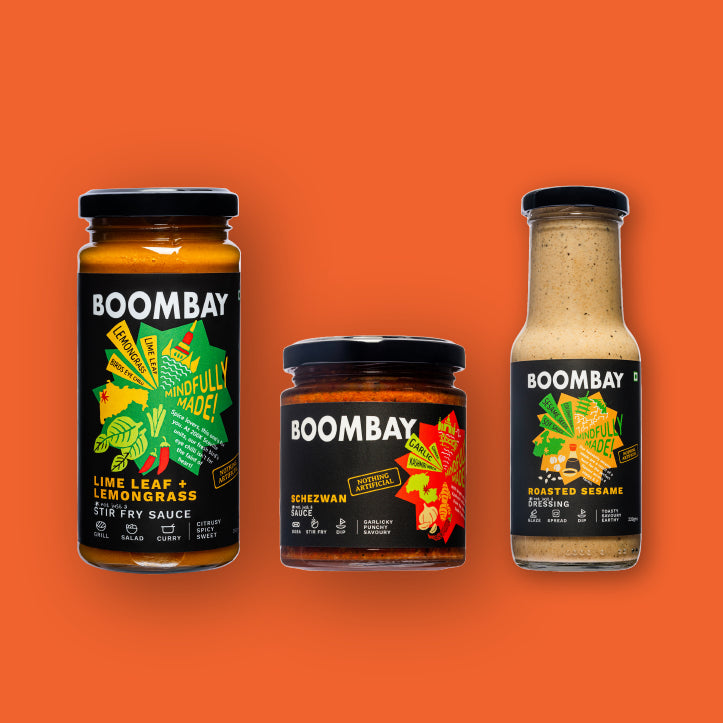
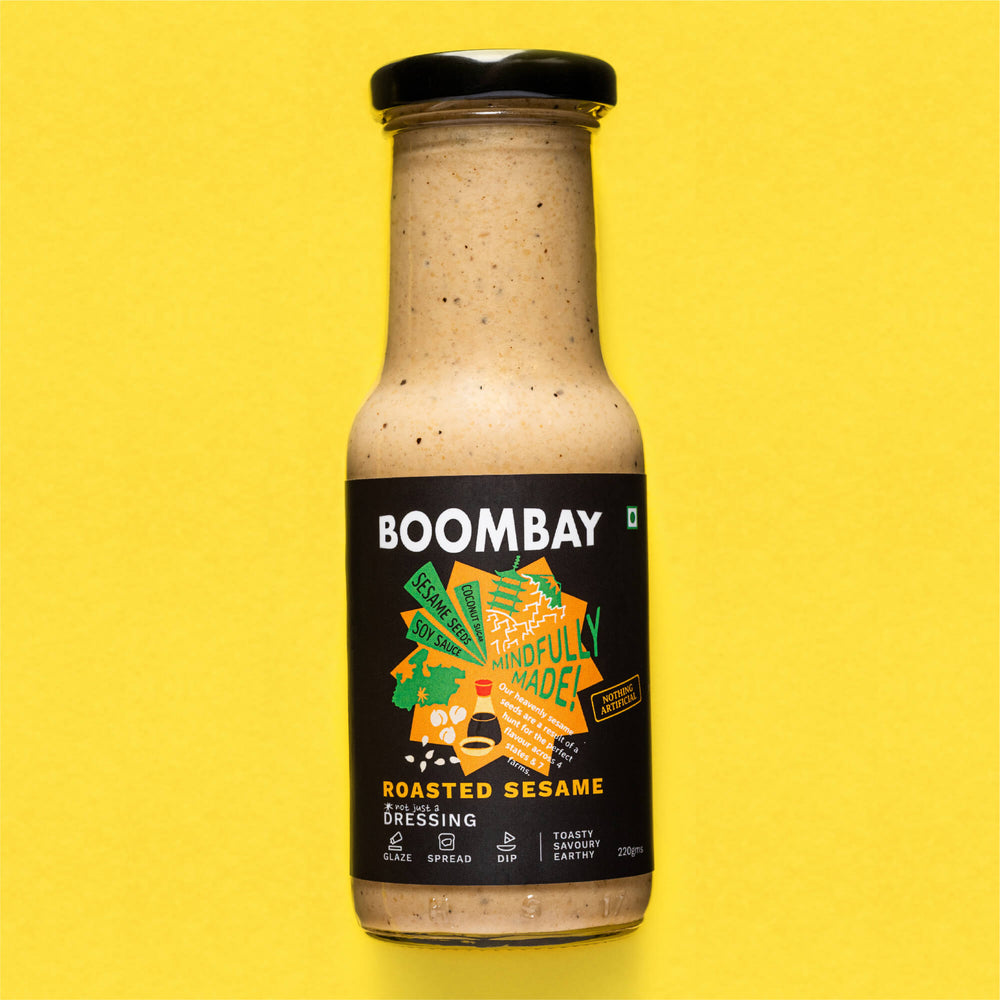
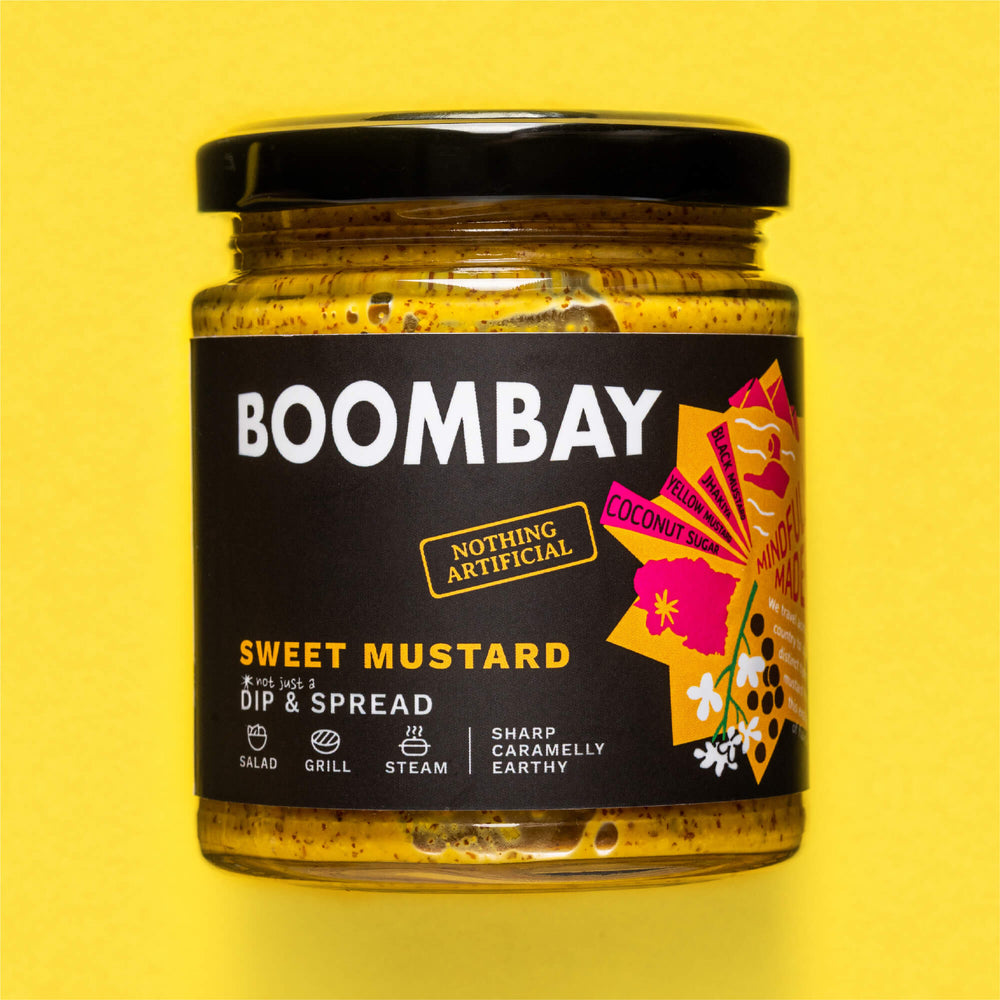
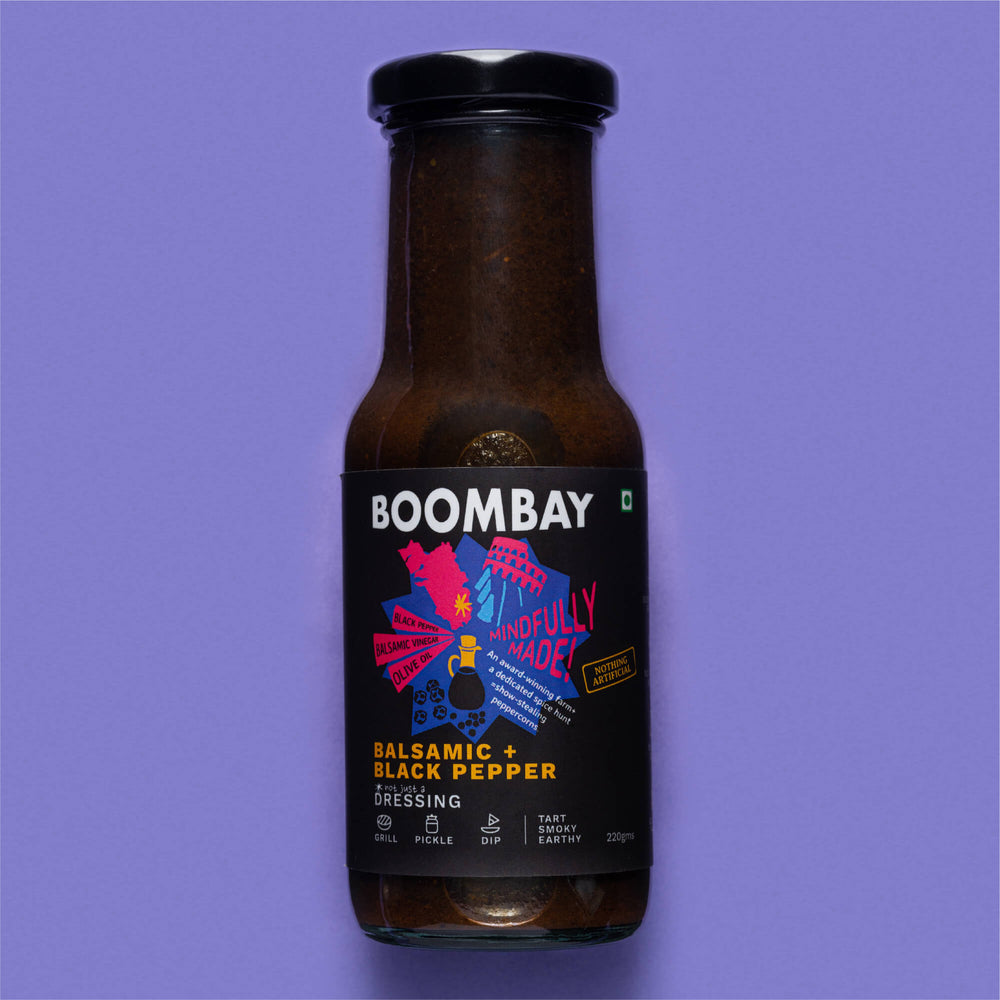
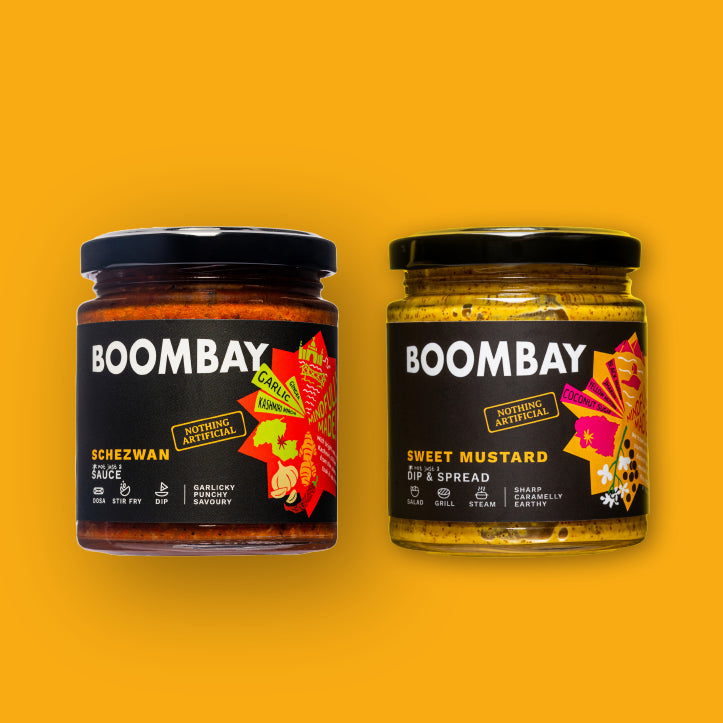
At Boombay, we craft sauces that add bold, plant-based flavour to your finished roasts. Nothing artificial. Real ingredients, ready to drizzle.
Tried one? Tag @boombayway and show us your roasts. We love seeing what you create.
FAQs
Q. Can I use extra virgin olive oil for roasting?
Extra virgin olive oil has a smoke point around 320°F, too low for high-heat roasting at 400°F and above. Save it for drizzling, dressings, and low-temp cooking.
Q. What's the best cold-pressed oil for high-heat roasting?
Avocado oil is really your only choice for cold-pressed high-heat roasting. Ghee works too, though it doesn't taste quite as good in roasts as it does in other cooking.
Q. Should I add Boombay sauces while roasting?
No. Sauces will smoke at temperatures above 160°F. Instead, drizzle them on top of your roast after it comes out of the oven, while the food is still hot. The residual heat warms the sauce perfectly.
Q. Can I use sesame oil for high-heat roasting?
Cold-pressed sesame oil has a smoke point around 350°F, too low for high-heat roasting. Refined sesame oil reaches 410°F but still isn't ideal for very hot ovens. Use avocado oil for roasting, then finish with a sauce like Miso + Ginger after.
Q. Why are the options for high-heat cooking with quality oils so limited?
Cold-pressed and virgin oils keep their delicate compounds, which taste great but break down at high temperatures. Only avocado oil among cold-pressed options has a smoke point high enough for roasting above 400°F.
Q. What's the smoke point of ghee?
Ghee (clarified butter) has a smoke point of 485°F / 252°C, making it suitable for high-heat cooking. It adds a subtle, nutty richness to roasted dishes.